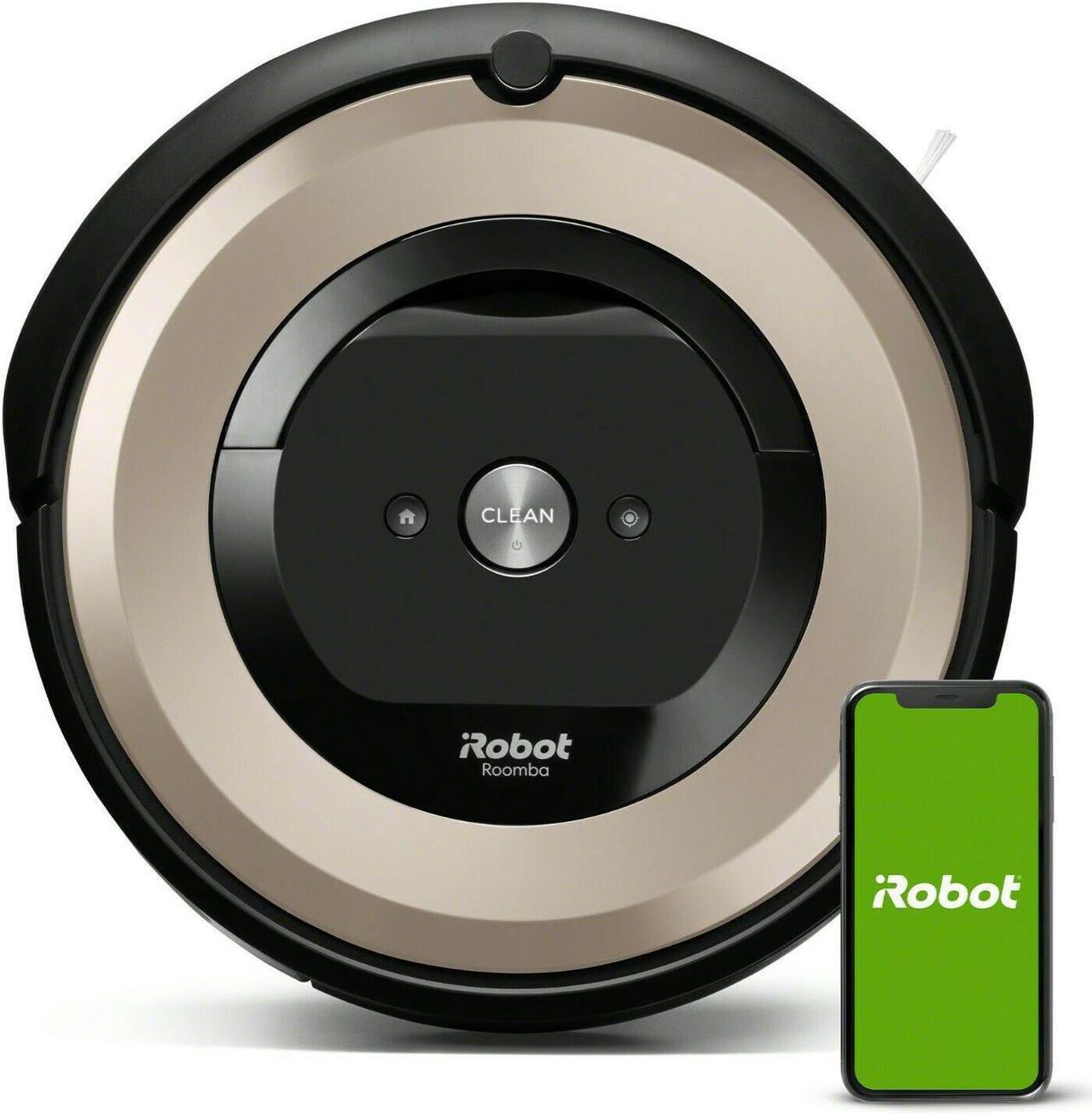
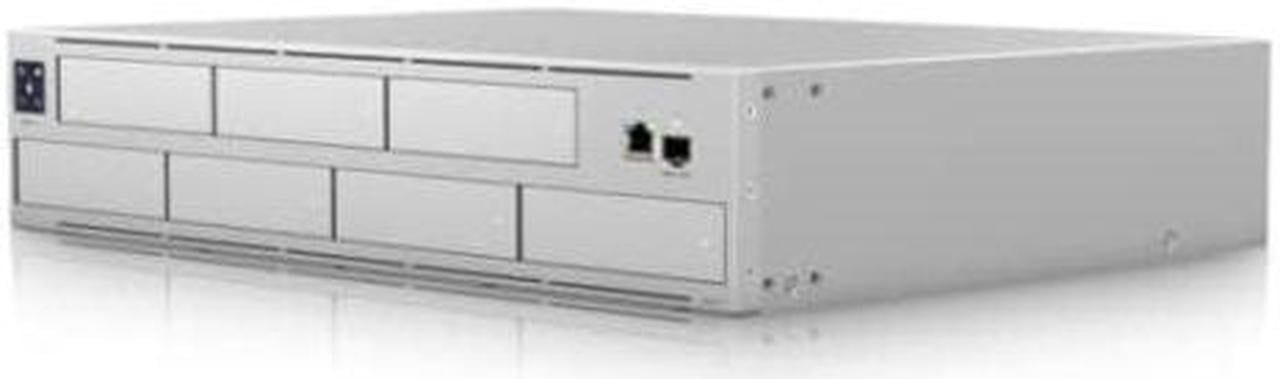
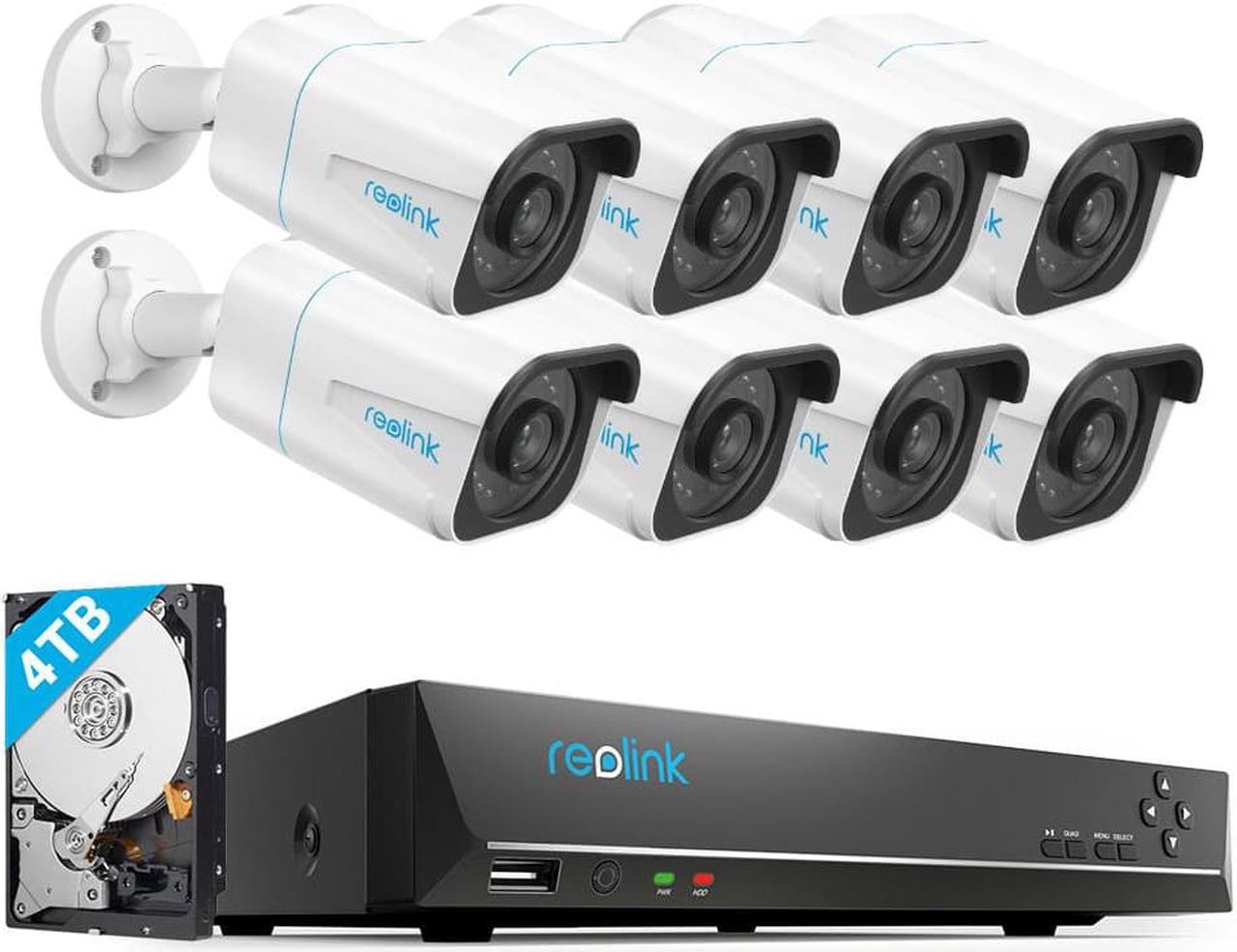
What Is Smart Home & Security?
Smart Home & Security technology
combines connected devices that help you monitor activity,
control access, and protect your home—whether you’re inside or away.
Instead of relying on a single device, modern setups focus on how cameras, locks,
sensors, and lighting work together as one system.
A well-planned smart security setup can send real-time alerts, provide live video access,
and automate responses based on motion or schedules.
Many systems allow you to start with one device—such as a security camera or smart doorbell—
and expand over time as your needs change.
Popular Smart Home & Security Device Types
-
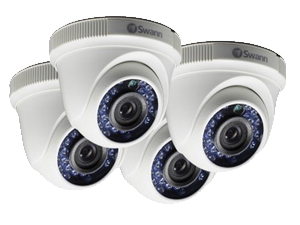
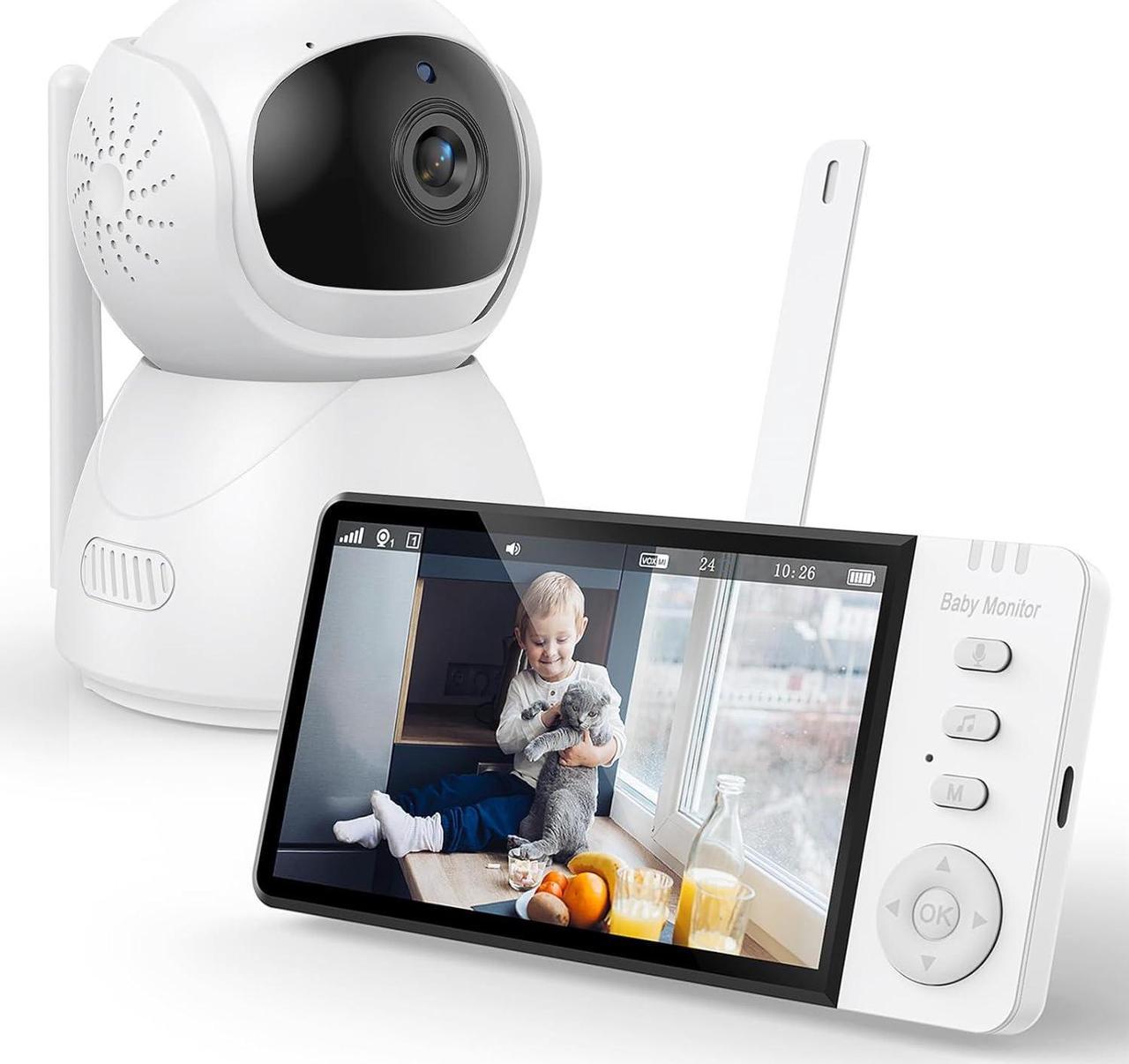
Indoor & outdoor security cameras
:
Indoor cameras help you monitor entry points, common areas, pets, or kids, while outdoor cameras are weather-ready
for visibility around driveways, yards, and gates. Compare resolution, field of view, night vision performance,
and motion alert accuracy to match your layout.
-
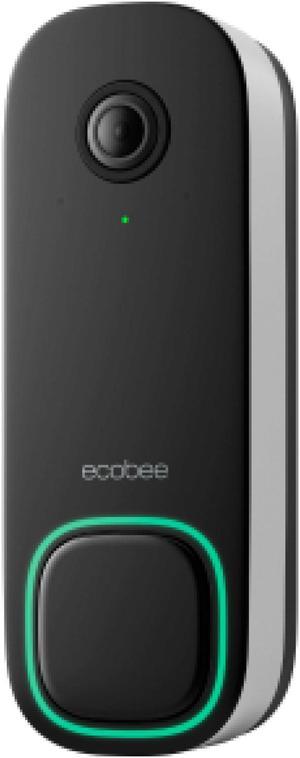
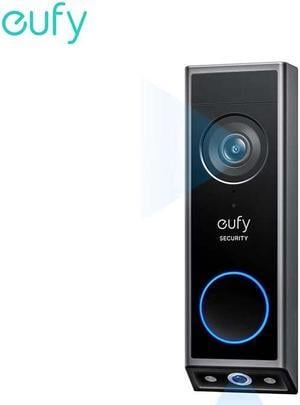
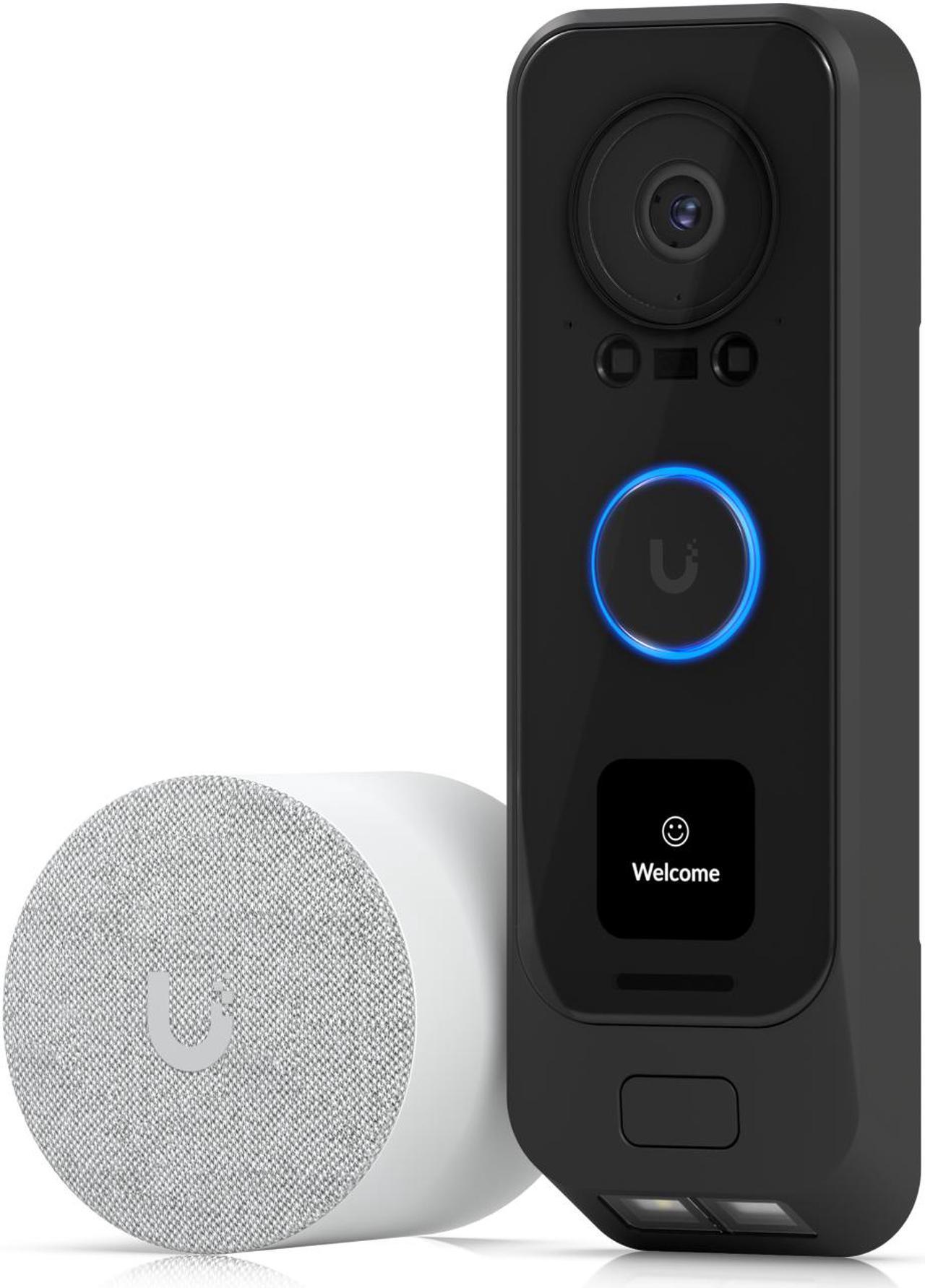
Smart video doorbells
:
A front-door camera with motion alerts and two-way audio, designed for visitors and deliveries. Doorbells are a popular first
device because they add immediate visibility and convenience without building a full system upfront.
-
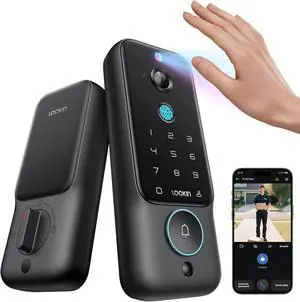
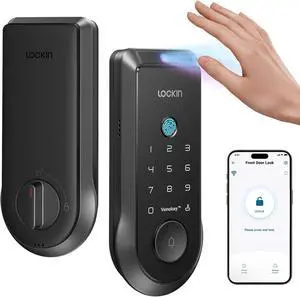
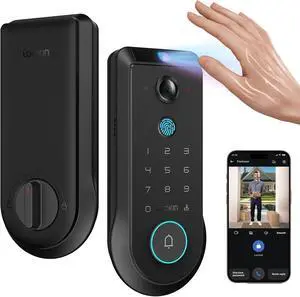
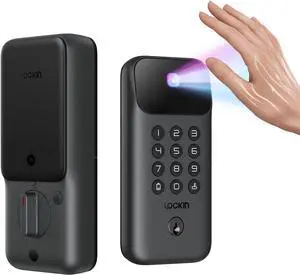
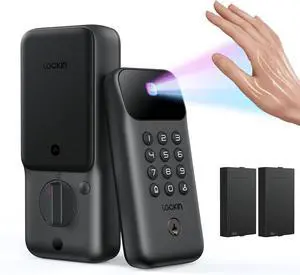
Smart door locks & access controls
:
Manage entry without relying only on physical keys. Many models support remote lock/unlock, temporary access codes,
and status checks through an app, often with a traditional key backup for peace of mind.
-
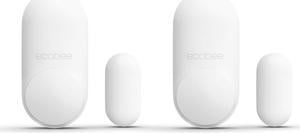
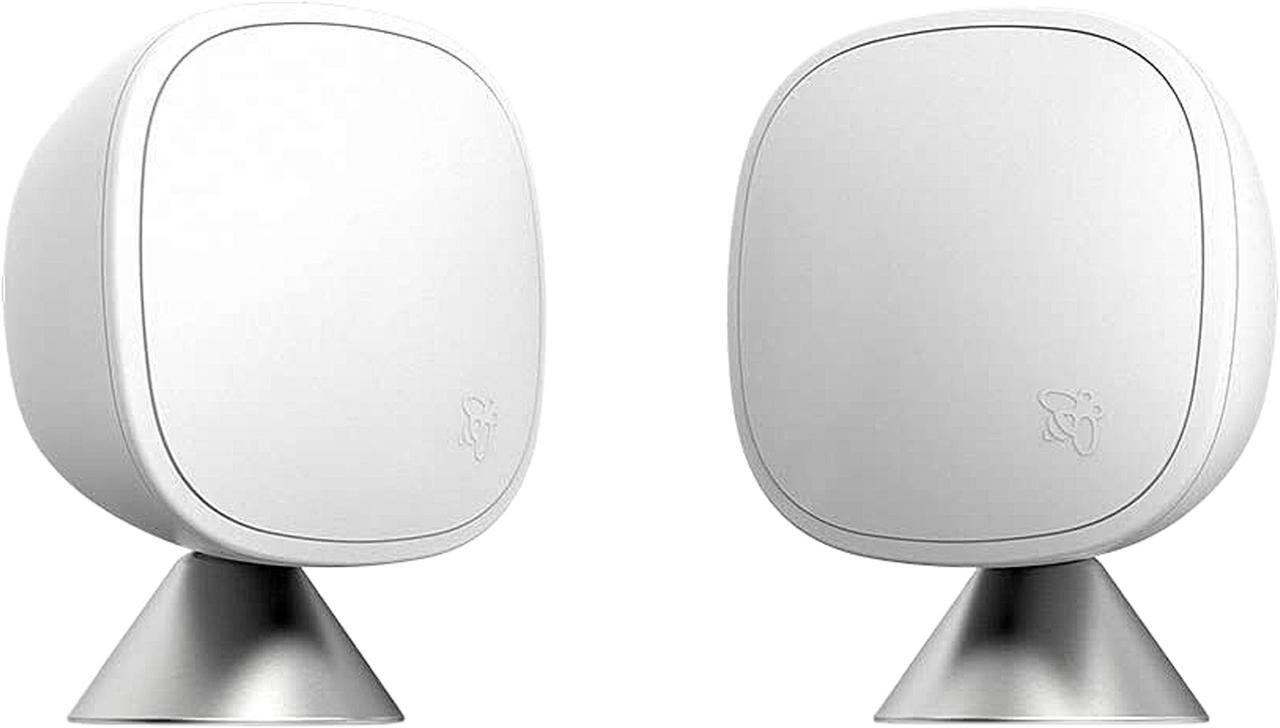
Motion sensors & contact sensors
:
Motion sensors detect movement in key areas; contact sensors monitor doors and windows. These help fill coverage gaps
and can trigger automations—like turning on lights or sending alerts—when activity is detected.
-
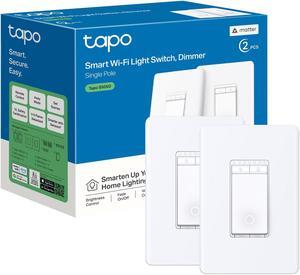
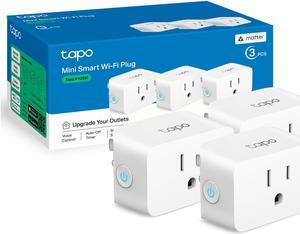
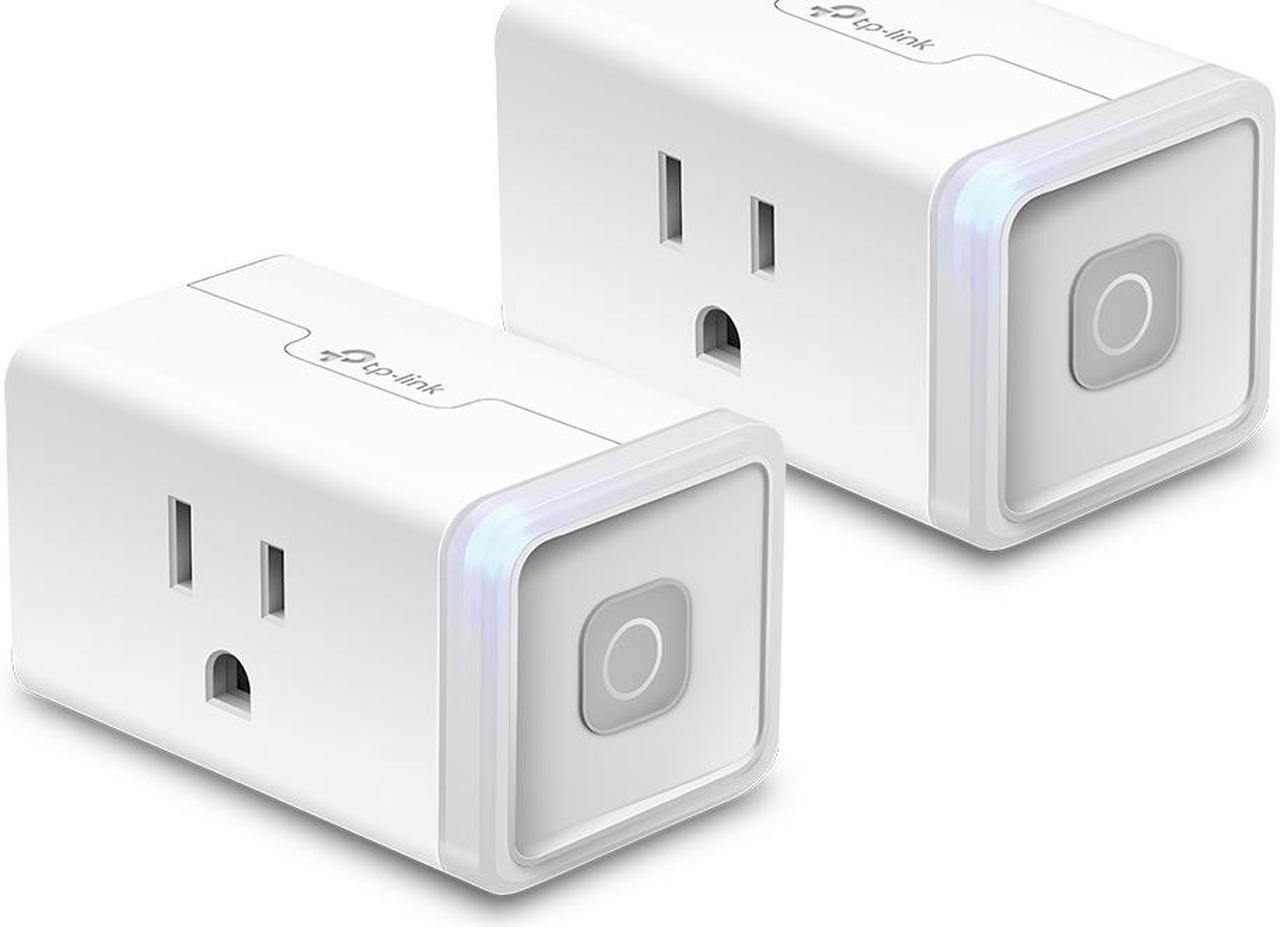
Smart lighting for security automation:
Schedule lights, trigger them with motion, or pair lighting with cameras and sensors to improve nighttime visibility
and make your home appear occupied. It’s a simple way to add deterrence and daily convenience.
Many Newegg shoppers begin with visibility (cameras or doorbells),
then add access control and automation to build a more complete system.
|
Benefits of Smart Home Security & Automation
Smart home security gives you control and awareness beyond traditional systems.
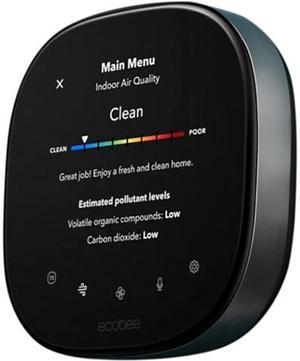
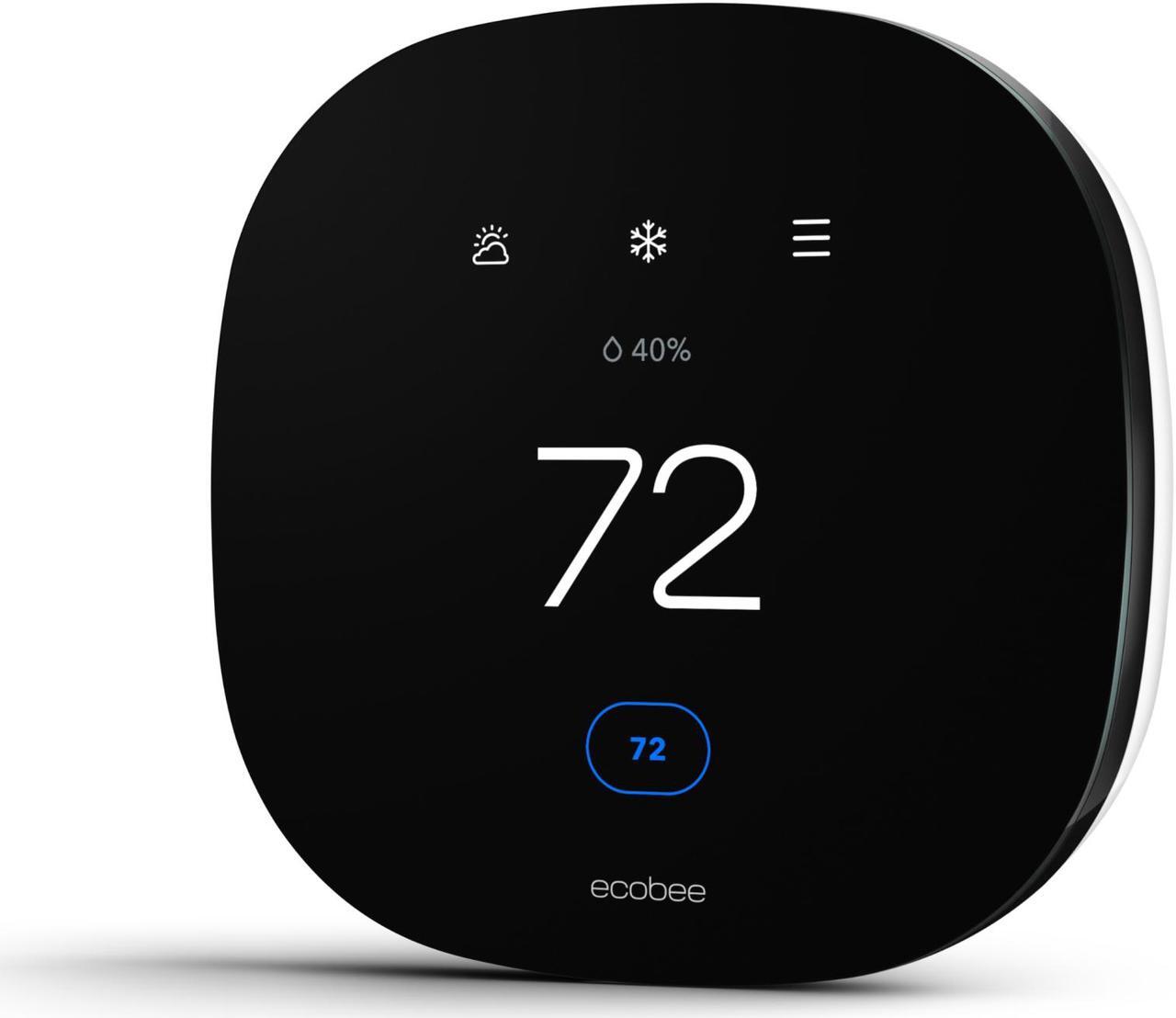
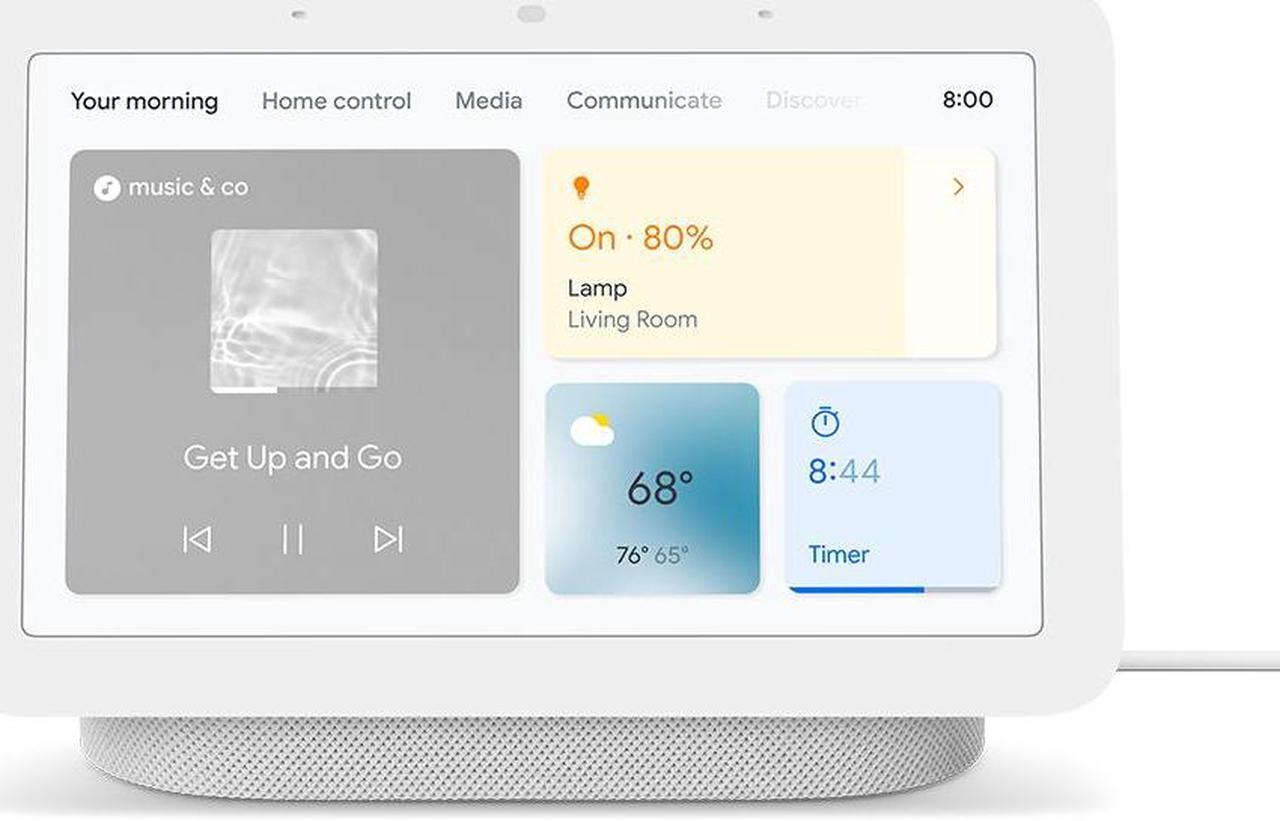
Using a smartphone app, smart display, or hub, you can check live video,
receive alerts, and manage access from almost anywhere.
Cameras and doorbells help you see who’s at your door and monitor outdoor activity.
Smart locks allow you to lock or unlock doors remotely, create temporary access codes,
and confirm door status at a glance.
Automation adds convenience and peace of mind.
For example, lights can turn on automatically when motion is detected,
or your system can arm itself when you leave and disarm when you return.
What to Plan For
-
Reliable Wi-Fi coverage for all devices:
Smart security depends on stable connectivity
.
Weak coverage where you place cameras, doorbells, or locks can cause delayed alerts,
choppy live views, or missed recordings. Before buying, think about where devices will live (front door, driveway, garage, backyard,
upstairs hallway) and whether your Wi-Fi reaches those zones consistently. Larger homes, multi-floor layouts, and thick walls often benefit
from improving coverage so devices stay connected without constant troubleshooting.
-
Clear visibility where cameras are installed:
Placement matters as much as specs. Aim for angles that capture faces and entry points clearly, with minimal obstructions.
Consider glare from direct sunlight, headlights, and reflective surfaces, and avoid mounting so high that faces are hard to identify.
For outdoor coverage, plan camera views for key zones (front door, driveway, side gate, backyard) and reduce blind spots while keeping
night visibility strong.
-
Easy expansion as your setup grows:
Most shoppers don’t build their “final” system on day one. Start with one device and expand when you’re ready—adding cameras, locks,
sensors, or lighting over time. Expansion is easier when devices share a consistent control experience and it’s simple to add new rooms
without redoing your setup. If you expect to grow coverage later, prioritize systems that scale smoothly.
-
Simple controls for daily use:
The best smart home security setup is the one you actually use. Prioritize quick access to live views, clear alert settings, easy sharing
for household members, and straightforward routines like “Away” and “Home.” Powerful features are great, but if daily controls are confusing,
the system becomes frustrating fast—so ease of use matters.
|





 here!
here!