All CategoriesAll CategoriesAll Categories
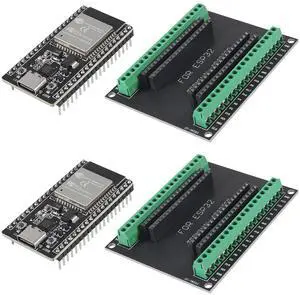
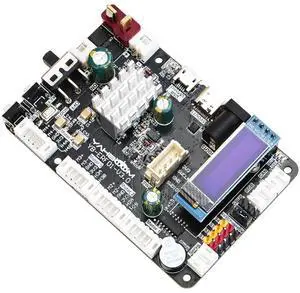
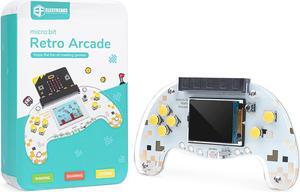
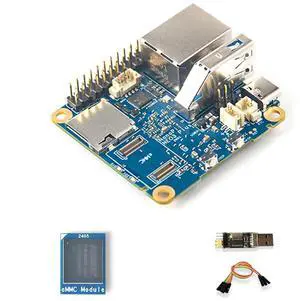
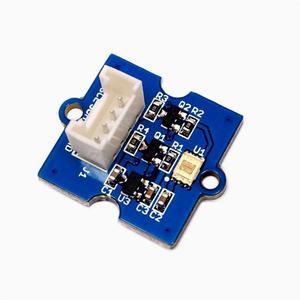
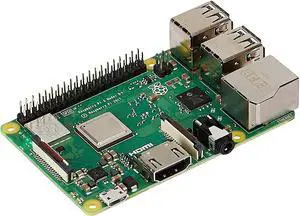
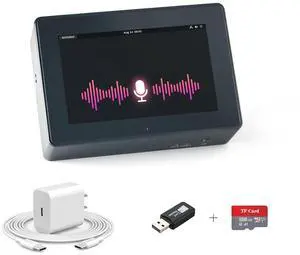
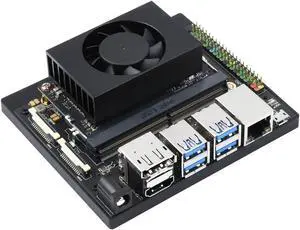

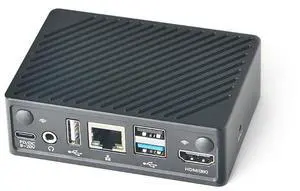
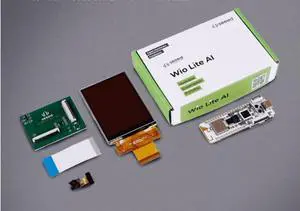
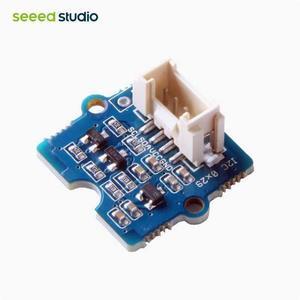
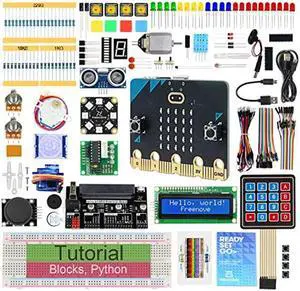
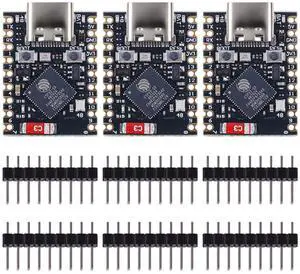
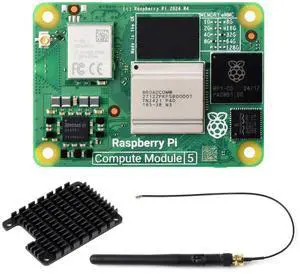
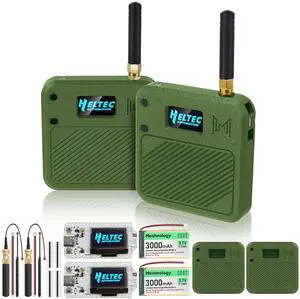
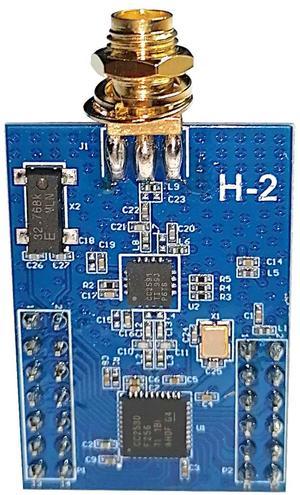
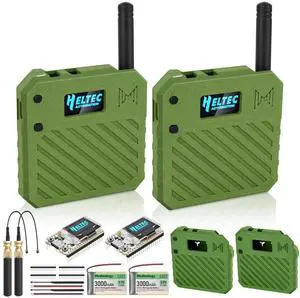
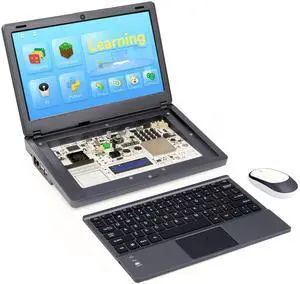
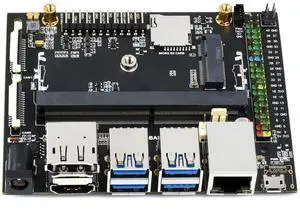
Development boards have multiple integrated circuits, processors, interfaces and other critical components assembled on them to serve a dedicated function. These units may also include networking, core logic and multimedia technologies to provide performance and functionality for embedded system design applications. Engineers, programmers and enthusiasts use development panels for learning.
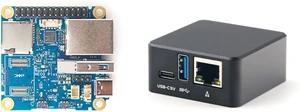
When considering what development boards to use, consider microcontroller boards (MCUs) have single-core processors that run only one program, and are suitable for running projects that require little computation work. Single Board Computers (SBCs) are complete, low-profile computing units built on a single circuit board for easy fitting in tight spots, such as automated checkouts, ATMs and hobbyist projects. SBCs provide a powerful starting point for developers interested in prototyping, learning and deploying internet of things (IoT) solutions. A Field Programmable Gate Array (FPGA) board runs on Hardware Description Language (HDL), which tells it how to configure the internal circuitry for applications that require fast processing. Whether you are new in tech or a seasoned enthusiast learning a new skill, using beginner-friendly DIY maker boards is advisable before moving on to complex projects. When developing your solutions, select easy-to-program and re-flash devices to cut down on frustration and save time.
These kits provide you with everything required to get started with a microcomputer setup and the maker world. Some circuitry boards have multi-core processors that provide enough computing speed and power to perform basic computing tasks. A microSD™ card slot allows users to load an operating system and store data. Built-in RAM adds the muscle required to run multiple programs. Integrated USB ports provide connections for a mouse, keyboard and any compatible device you feel your build requires. Development kits with HDMI® ports offer easy connectivity to TVs and monitors, while an extended general-purpose input/output (GPIO) port allows communication with sensors and custom circuits. Some kits have built-in Bluetooth® and Wi-Fi® support, so you can wirelessly connect them to compatible devices and the internet. Use the Ethernet™ port to configure the kit by directly connecting to a computer in headless mode using an Ethernet cable. An included case helps keep the build protected against damage and dust.
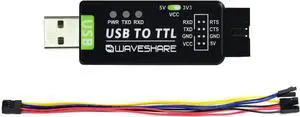
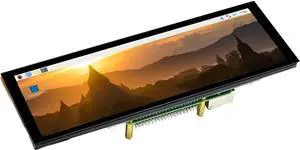
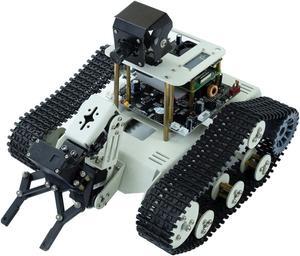
Adding motor boards to your build allows the control of brushed, brushless and stepper motors. A display module lets you add an LCD to your setup or generate video signals for VGA and HDMI monitors. Convert signals from an analog audio input into digital using audio boards. Physical interfaces enable adding push buttons, joysticks or knobs to your project. Measuring and sensing modules let you measure air pressure, light, rotation and other sensors critical for the specialist build. Add sound to your development boards with MP3 parts, synthesizers and breakouts. LTE™ modules add high-bandwidth functionality to an IoT project. Pin-compatible expansion boards enable plug-and-play functionality for scaling up your platform based on future requirements and technologies.