
Your Browsing History
- Free 30-day Returns
- ฿2,632.97 Shipping
฿58,797.56
VAT-Inclusive Price
Ships from United States.
Sold by Newegg
Shipped by Newegg




+
+
Overview
Specs
Reviews
16 PB4G2i16AI U5325 16G 256GB
Warranty & Returns
Warranty, Returns, And Additional Information
Return Policies*
- Return for refund within: 30 days
- Returns are subject to restocking fees and return shipping fees. Please click here to learn more about restocking fees and return shipping fees.
- This item is covered by Newegg.com's International Order Return Policy.
- Read full return policy for details.
- *Subject to applicable law
Warranty Notice:
This product does not include manufacturer warranty when purchased or used outside of its designated sales region. By purchasing internationally, you acknowledge that warranty support from the manufacturer will not be available.
Manufacturer Contact Info
- Manufacturer Website
- Support Phone: 1-800-474-6836
- Support Website
- View other products from HP
LOADING...
Learn about this product
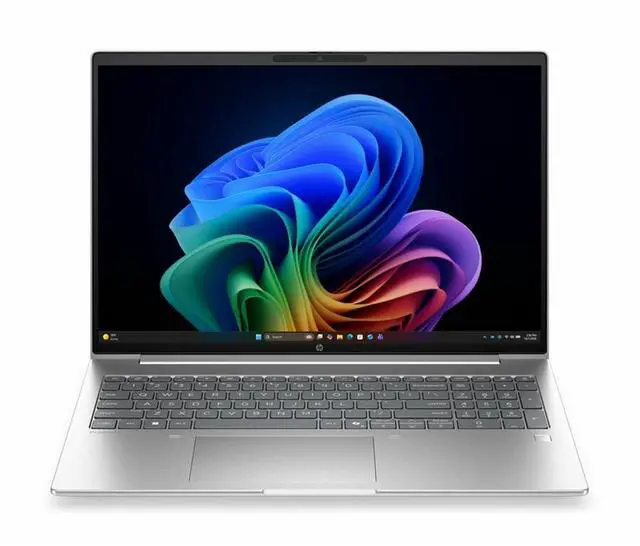
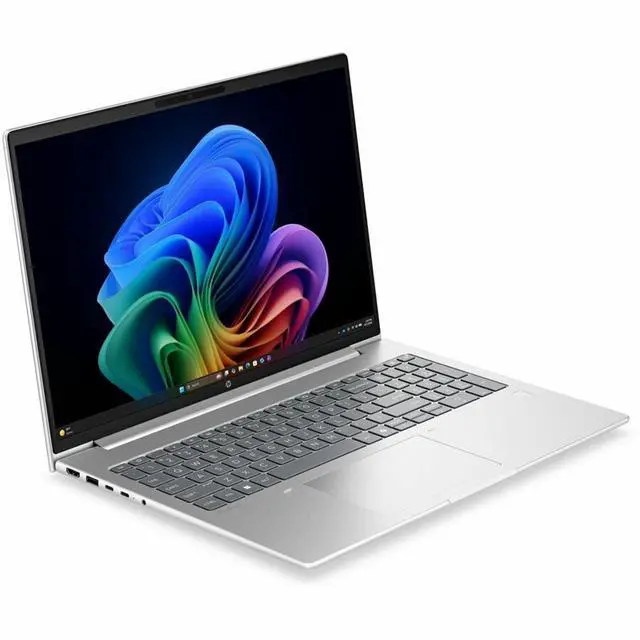
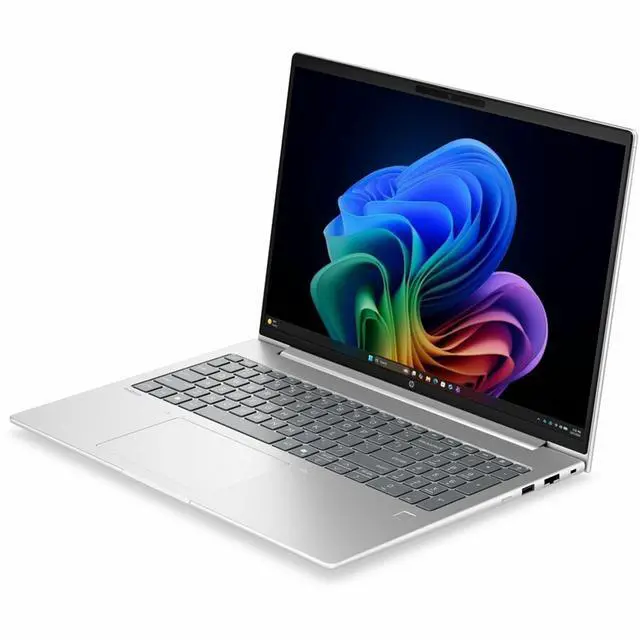
The HP 16 PB4G2i16AI U5325 is a 16-inch home and personal laptop with 16GB of memory, a 1920 x 1200 display, integrated graphics, and built-in webcam and Bluetooth, making it a practical fit for everyday productivity, web use, streaming, and schoolwork.
Recommended For
- Office users who mainly live in web apps, email, documents, spreadsheets, and video calls, and want a 16-inch screen without stepping up to a heavier workstation or gaming laptop.
- Hybrid workers and students who prefer a larger 16-inch 1920 x 1200 display for side-by-side documents, browser tabs, and remote classes, but do not need dedicated graphics.
- Buyers comparing mainstream 16-inch Windows laptops for everyday productivity and light multitasking, where 16GB RAM matters more than premium display or GPU features.
- Small-business buyers standardizing on a basic business laptop for admin staff, shared desks, and common Windows workflows, especially when HDMI, webcam, Bluetooth, and a non-touch panel are acceptable.
Real-World Use Scenarios
- Working from home with many browser tabs, email, Office apps, and video calls: this 16-inch HP setup is typically suited to everyday productivity, with the larger 16:10 screen making documents and side-by-side windows easier to manage; the likely experience is smooth for routine work, but not aimed at heavy compute jobs.
- Streaming shows, YouTube, and casual web browsing on the couch or around the house: the likely outcome is a comfortable everyday media experience thanks to the 16-inch 1920 x 1200 display and integrated graphics, with enough responsiveness for video playback and general multitasking.
- Schoolwork or personal admin such as research, writing, spreadsheets, and online classes: users are likely to get a straightforward experience for homework and day-to-day tasks, with 16GB memory helping keep common apps and multiple tabs open without feeling cramped.
- Light photo edits, simple content creation, and basic media handling: the expected result is that everyday edits and exports are workable, but integrated graphics and entry-level positioning make it a better fit for occasional creative tasks than for demanding video timelines, 3D work, or large batch exports.
- Playing lighter or older games after work: the likely experience is that casual and less demanding games are the realistic use case, while newer AAA titles will usually require reduced settings or may not feel like a good match on an integrated-graphics configuration.
Spec Summary
| Attribute | Value |
|---|---|
| Best For | Home/personal users as well as business and student productivity on a 16-inch Windows laptop with 16 GB RAM and a 256 GB M.2 SSD for general office, school and everyday use |
| Processor And Core Count | Intel processor from the Intel Core Ultra 5 family, single-processor configuration with up to 4.5 GHz boost and 12 MB L3 cache |
| GPU And VRAM | Integrated Intel graphics with shared DDR5 SDRAM system memory |
| Display Spec | 16.0" IPS LCD, native 1920 x 1200 (WUXGA) resolution, anti-glare, low blue light coating, Miracast support, ~300 nit max brightness and ~62% sRGB color gamut |
| Memory Configuration | 16 GB DDR5 installed (RAM memory installed 16 GB), 2 RAM slots, supports up to 64 GB |
| Storage And Expansion | 256 GB solid-state drive in M.2 form factor (Solid State Storage Drive: 256 GB; interface/form factor: m2) with no separate flash/eMMC storage listed |
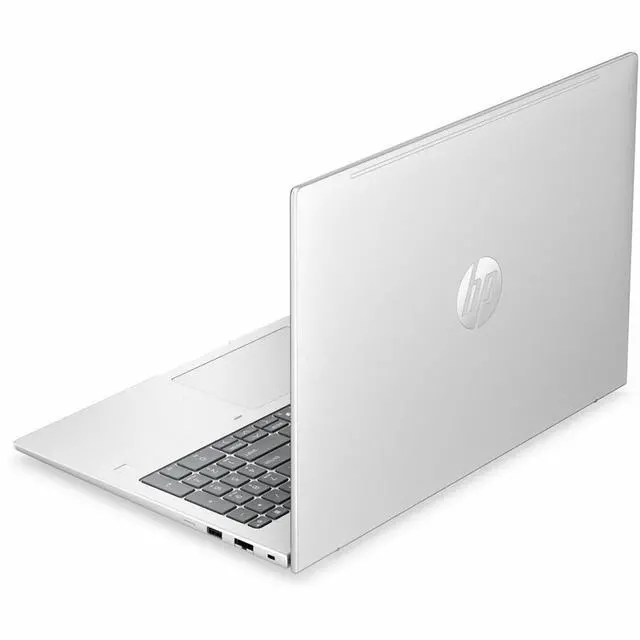
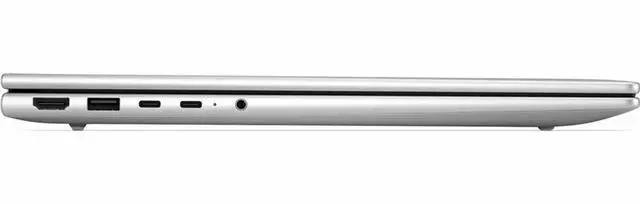
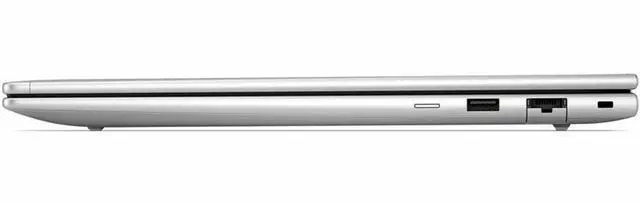
| High Speed I O | HDMI output (1 port), gigabit Ethernet (1 port), USB-C plus other USB ports (total USB ports reported as 4), no Thunderbolt ports reported |
| Battery And Power | Built-in Lithium Polymer battery (3 cells) with 4000 mAh energy content; batteries included and installed, battery weight ~250 g |
| Wired And Wireless Networking | Wi‑Fi and Bluetooth wireless; wired Gigabit Ethernet available |
| Webcam And Privacy | Front-facing webcam present and functional, includes fingerprint recognition for biometric sign-in |
| Audio Setup | Stereo audio output |
| Portability | Approximately 3.7 pounds shipping/item weight and compact footprint ~0.67" x 14.1" x 9.9" (thickness x width x depth) for a 16" notebook |
| External Display And Docking Fit | HDMI video output plus Miracast wireless display support; no Thunderbolt ports for TB docking |
| Operating System And Software | Ships with Windows 11 Pro |
| Model Identifiers | HP / Hewlett Packard ProBook 4 G2i notebook, model DG5J3UT#ABA (Edition: ProBook 4 G2i), Pike Silver color, 2026 model year, sold for North America/United States |
Reference Q&A
Q: Should I choose this HP 16-inch 16GB/256GB laptop or an 8GB version for everyday use?
A: Choose this 16GB configuration if you keep many browser tabs open, use Office apps together, or want the laptop to stay comfortable for longer-term everyday use. Across mainstream laptop guidance and reviews, 16GB is the more practical memory level for multitasking, while 8GB works better for lighter web, email, and streaming use. The main trade-off is that an 8GB model can cost less, but this 16GB version is the safer choice for general productivity and longer usable life.
Q: Is this HP 16-inch laptop better than a 14-inch laptop for school or home use?
A: Pick this 16-inch HP if you want a larger 16:10 workspace for documents, spreadsheets, side-by-side windows, and video viewing. A 14-inch laptop is usually the better fit if portability matters more and you carry it daily. The trade-off is simple: this model favors screen space and desk comfort, while a 14-inch alternative usually favors lighter travel and easier bag fit.
Q: Should I get this HP 16-inch laptop or move up to a model with 512GB storage?
A: This 256GB version makes more sense if your work is mostly cloud-based, web-based, or document-focused. A 512GB model is the better upgrade if you expect to store larger photo libraries, games, offline media, or many desktop applications. In practice, the decision is less about speed and more about how soon you want extra local storage headroom.
Q: Is this HP with integrated graphics enough, or should I buy a laptop with dedicated graphics?
A: This HP is the better choice for everyday productivity, streaming, schoolwork, and light photo work where battery life, heat, and cost matter more than graphics performance. A laptop with dedicated graphics is the better fit for gaming, heavier video editing, 3D work, or GPU-accelerated creative apps. Reviews of similar HP 16-inch systems consistently position integrated graphics as suitable for lighter workloads, with higher-tier graphics models aimed at performance-first buyers.
Q: Should I buy this standard HP 16-inch laptop or a 2-in-1 like the HP OmniBook X Flip 16?
A: Choose this standard clamshell-style HP if your priority is straightforward everyday computing and you do not need pen input or tablet-style use. Choose a 2-in-1 like the OmniBook X Flip 16 if you want touchscreen interaction, note-taking, drawing, or more flexibility for presentations and media use. The trade-off is that the 2-in-1 class adds versatility, while a standard non-touch model is usually the simpler fit for traditional laptop use.
Q: Is this HP 16-inch laptop a good fit for note-taking, meetings, and everyday office work?
A: Yes. Based on the provided specs, it fits basic productivity use well: 16GB of memory is appropriate for multitasking in browsers, documents, spreadsheets, video calls, and general home or office work. The built-in webcam and Bluetooth also support meetings and wireless accessories. The main limitation is storage: 256GB is workable for cloud-first use, but it is modest if you keep many large files locally.
Q: Is it worth buying as a travel work device?
A: It can work as a travel productivity laptop if you want a larger screen, but it is not the most compact option for frequent travel. A 16-inch laptop is better for viewing documents side by side and working comfortably, while the trade-off is a bigger footprint than a 13- or 14-inch model. This HP is better suited to users who travel occasionally and value screen space more than maximum portability.
Q: Who is this laptop most suitable for?
A: It is most suitable for home users, students, and office-focused buyers who need a large 16-inch display, 16GB of memory, and standard laptop features such as Bluetooth, webcam, HDMI, and integrated graphics. It is a practical fit for web use, schoolwork, remote meetings, and document-heavy tasks. It is less suitable for buyers who prioritize gaming, 3D work, or large local storage.
Q: Can it handle light gaming or is it mainly a work laptop?
A: It is mainly a work and everyday-use laptop. The integrated graphics are fine for office tasks, streaming, and light casual games, but they are not the right choice for demanding modern games or graphics-heavy creative workloads. If gaming performance matters, a laptop with dedicated graphics is the better alternative.
Q: What are the main trade-offs versus a similar 16-inch HP ProBook or Pavilion with 512GB storage?
A: The main trade-off is storage capacity. This model's 256GB SSD is enough for basic use, but a comparable 512GB model gives more headroom for apps, downloads, and offline files. In return, a 256GB configuration may make sense if your usage is mostly browser-based or cloud-based and you want to stay in a lower price tier. Buyers who keep large media libraries or many installed programs will usually be better served by 512GB.
Q: Is this HP 16 a good buy for everyday work, browsing, and school use?
A: Yes for general productivity. Based on the listed specs, this model fits basic to moderate home, school, and office tasks well: 16GB RAM is enough for multitasking, the 16-inch 1920 x 1200 screen gives more vertical workspace than standard 1080p, and integrated graphics are fine for web, documents, video calls, and media. It is a weaker fit if your priority is gaming, 3D work, or other GPU-heavy apps.
Q: Who is this laptop most suitable for?
A: It is most suitable for users who want a large-screen non-gaming laptop for everyday computing. That includes remote work, study, note-taking with a keyboard, streaming, web apps, and routine multitasking. The trade-off is that the configuration shown does not indicate a dedicated GPU, touchscreen, or premium display features, so it is better for practical daily use than for creative GPU workloads or gaming.
Q: Is this HP 16 good for travel or carrying around every day?
A: It is usable for travel, but it is not the most portability-focused choice. A 16-inch laptop gives a roomier screen for work and media, but it is typically less convenient to carry daily than a 13- or 14-inch model. Choose it if screen size and workspace matter more than compactness; choose a smaller laptop if low weight and easier commuting are the priority.
Q: Can this replace a basic home desktop or older family laptop?
A: Yes, for most non-specialized users it can. The 16GB memory, webcam, Bluetooth, HDMI output, and 16-inch 1920 x 1200 display cover the core needs for home computing, video calls, streaming, documents, and connecting to an external monitor or TV. It is a practical replacement for an older general-use laptop, but not a full substitute for systems meant for modern gaming or heavy creative work.
Q: What are the main trade-offs of this configuration?
A: The main trade-offs are graphics capability, portability, and likely display tier. Integrated graphics are the clearest limitation, so this is not the right choice for demanding games, CAD with heavier 3D workloads, or rendering. The 16-inch size improves comfort for work, but usually reduces portability versus smaller laptops. The listed specs also do not suggest premium extras such as touch support, high refresh rate, or a higher-resolution panel.