




 here!
I’m your shopping assistant for PC builds, upgrades, and everything tech.
Got questions? Ask away!
Start a conversation
here!
I’m your shopping assistant for PC builds, upgrades, and everything tech.
Got questions? Ask away!
Start a conversation





Any questions? Ask CelesteSM will help you find out quickly.
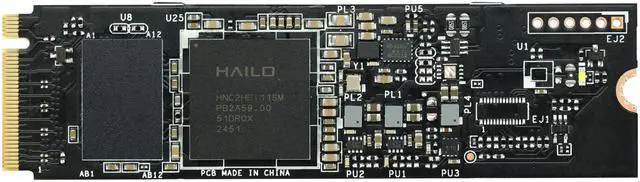
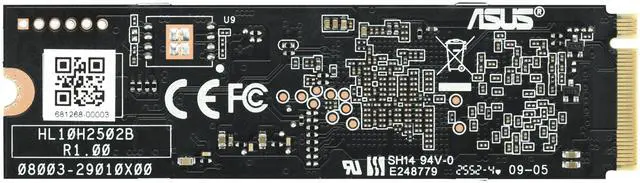
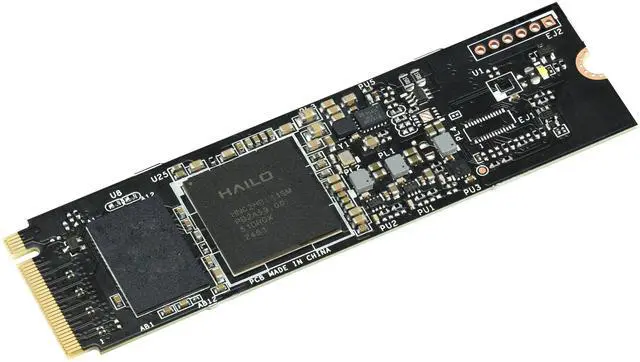
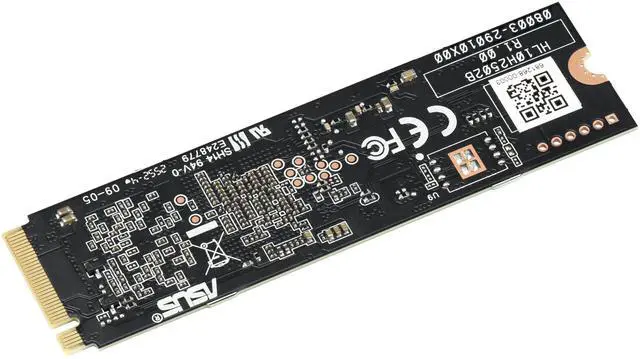
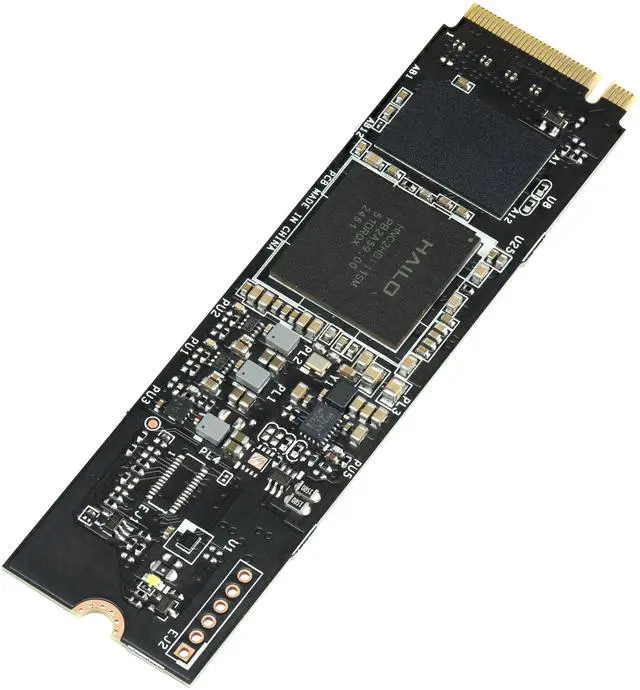
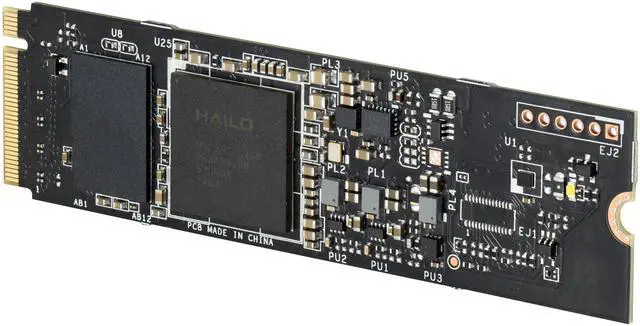
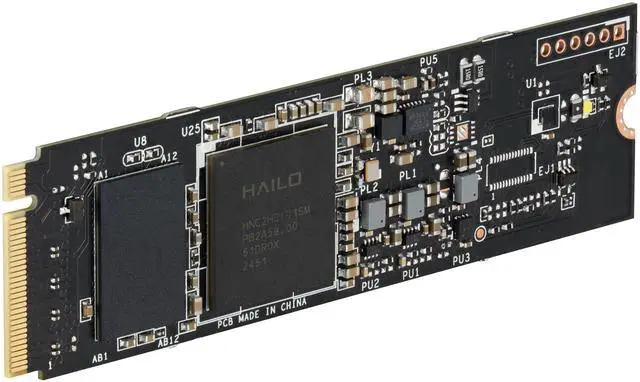
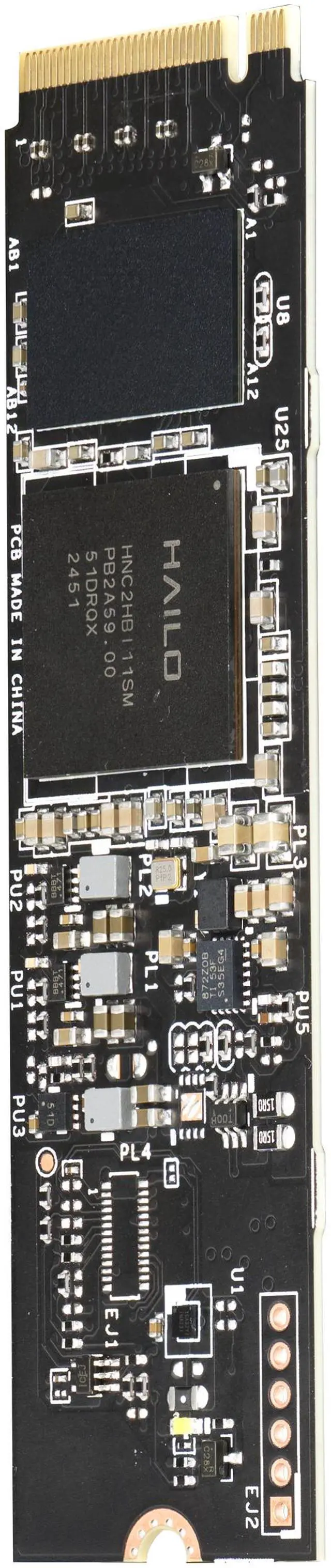
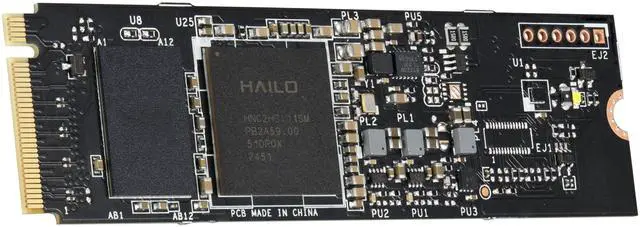
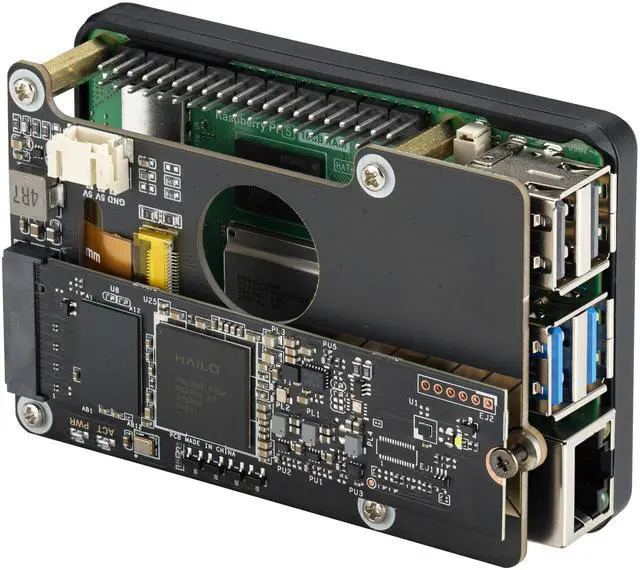
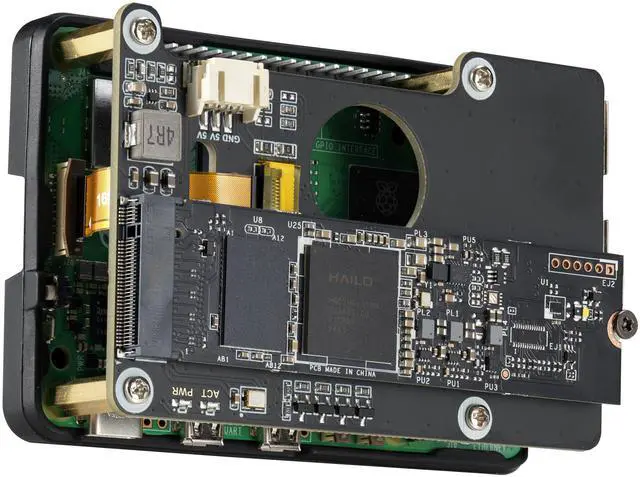
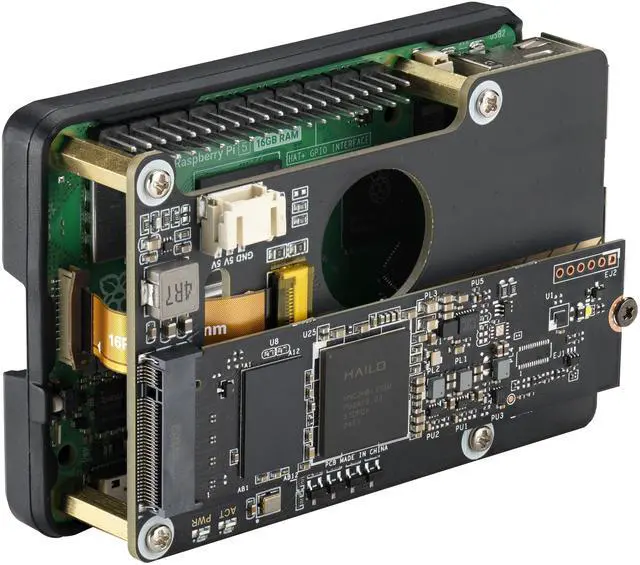
The ASUS UGen300 M2 AI Module delivers powerful, low-power local AI inference at the edge, with broad compatibility. Featuring an advanced Hailo-10H AI Processor and 8GB LPDDR4, it offers up to 40 AI TOPs for high-performance AI. This slim, energy-efficient M2 device consumes just 2.5 watts and supports x86 and ARM architecture running on Linux, Windows, and Android. Ideal for industrial, retail, robotics, and enthusiasts, the UGen300 instantly provides robust local AI power that helps ensure privacy while also reducing reliance on cloud services.

Edge AI accelerator for both classic and generative AI

Seamlessly working across Windows, Linux, and Android on both ARM and x86 platforms

Delivering up to 40 AI TOPS (INT4) while consuming just 2.5 watts of typical power

Achieve industry-leading inference speeds to run complex AI workloads

The ASUS UGen300 M2 is a compact M.2 PCIe AI accelerator module built for edge inference, ideal for developers and system integrators who want up to 40 TOPS AI performance with 8GB onboard memory for local vision, speech, and lightweight generative AI workloads on Windows, Linux, or Android systems.
Q: ASUS UGen300 M2 vs Google Coral M.2: which should I choose for a new edge AI build?
A: Choose the ASUS UGen300 M2 if you want a newer M.2 accelerator aimed at both vision inference and lightweight on-device generative AI workflows. Its Hailo-10H is positioned for LLM, VLM, Whisper, and vision models, while Coral is centered on Edge TPU inference for 8-bit models. For classic low-power object detection, Coral can still fit simple deployments well, but for a new build with broader model flexibility and higher advertised compute, UGen300 M2 is the more forward-looking option.
Q: Is ASUS UGen300 M2 better than a Hailo-8L module for Raspberry Pi or compact edge devices?
A: Choose ASUS UGen300 M2 if your priority is more headroom for newer AI workloads and you have a compatible M.2 Key-M PCIe x4 slot. Choose a Hailo-8L solution if you want a simpler, lower-tier option commonly used in Raspberry Pi ecosystems for object detection and other classic vision tasks. In practice, Hailo-8L products are often selected for Pi-focused deployments, while UGen300 M2 makes more sense when the goal is broader edge AI capability rather than the lowest-entry setup.
Q: ASUS UGen300 M2 vs Hailo-8 or Hailo-8L: which is better for generative AI versus vision-only use?
A: Choose ASUS UGen300 M2 for mixed workloads that may include small on-device LLM, VLM, or speech models in addition to vision. Choose Hailo-8 or Hailo-8L when your workload is mainly established vision inference such as object detection and you want a more proven path in current Raspberry Pi and Frigate-style deployments. The main trade-off is workload focus: UGen300 M2 is positioned as the generative-AI-oriented step up, while Hailo-8 family parts are more established for vision-first edge use.
Q: Should I pick ASUS UGen300 M2 or a USB AI accelerator for portability?
A: Pick ASUS UGen300 M2 when you want the cleanest internal integration in a compact PC, industrial box, or embedded host that already has an M.2 Key-M slot. Pick a USB accelerator when portability and quick host swapping matter more than internal installation. The trade-off is straightforward: M.2 is usually the better fit for permanent embedded deployment, while USB is more convenient for testing across multiple systems.
Q: Is ASUS UGen300 M2 a worthwhile upgrade from an older Coral-based setup?
A: It is a sensible upgrade if your current Coral setup is limited to older Edge TPU workflows and you now want wider model support or are planning a fresh deployment. Community and project documentation increasingly point new users toward newer accelerator options, while Coral remains usable for lightweight existing pipelines. If your current Coral system already meets your latency and model requirements, the upgrade is mainly about expanding workload range rather than fixing a basic capability gap.
Q: Will this work in any laptop or mini PC with an M.2 slot?
A: No. It is only suitable for systems that expose a compatible M.2 Key-M 2280 slot with a PCIe x4 connection and software support for the module. A buyer should verify physical fit, lane support, and whether the host can spare that slot for an AI accelerator instead of storage. This is best suited to embedded PCs, developer systems, or edge devices where an internal PCIe M.2 accelerator is expected.
Q: Is this a good choice for local AI inference on low-power edge devices?
A: Yes, if the goal is efficient on-device inference rather than maximum raw throughput. The UGen300 M2 is designed for edge AI workloads, offers dedicated 8GB memory for local inference, and pairs a Hailo-10H accelerator with low typical power draw. It is a stronger fit for always-on vision, speech, and compact generative AI workloads than for large-model experimentation or workstation-class AI development.
Q: Can this replace a GPU for AI work?
A: Usually no. It can offload supported inference workloads efficiently, but it is not a general replacement for a desktop GPU. The trade-off is better power efficiency and easier edge deployment versus much lower flexibility and lower peak performance for large models, training, or broad CUDA-based workflows. Buyers choosing between this and a GPU should treat this as a specialized inference accelerator, not a universal AI compute device.
Q: Who is this most suitable for?
A: This is most suitable for developers, OEMs, and edge AI users who need offline inference in compact systems. It fits buyers building vision pipelines, embedded AI appliances, robotics, or lightweight local GenAI deployments on x86 or ARM hardware. It is less suitable for mainstream PC buyers who just want a simple plug-and-play consumer upgrade, because installation, slot compatibility, and framework support matter more here than with typical retail PC accessories.
Q: What are the main trade-offs versus a USB AI accelerator or a Raspberry Pi AI add-on?
A: The main trade-off is integration versus convenience. This M.2 version is better when the system already has a spare internal Key-M PCIe slot and you want a clean embedded setup. A USB accelerator is easier to move between systems and simpler to test externally. A Raspberry Pi AI add-on is better if the target platform is specifically a Raspberry Pi ecosystem. The UGen300 M2 makes the most sense when internal deployment, low power use, and cross-platform edge inference matter more than portability.
Q: Who is the ASUS UGen300 M.2 AI Module best suited for?
A: It is best suited for developers and edge AI users who want local inference in a compact M.2 Key-M module, especially for vision models, speech pipelines, and lightweight on-device LLM or VLM use. It makes more sense for embedded systems, x86/ARM edge boxes, and Raspberry Pi-style projects than for buyers expecting a general-purpose GPU replacement.
Q: Is the ASUS UGen300 M.2 AI Module a good replacement for a GPU for local AI?
A: No. It is better viewed as a low-power inference accelerator, not a GPU replacement. It can help with supported edge AI workloads and offline inference, but buyers expecting desktop-class LLM speed, broad CUDA-style software support, or training performance should look at a GPU instead.
Q: Is it worth buying if I mainly want offline, low-power AI inference?
A: Yes, if your priority is efficient local inference in a small system and your models fit the supported Hailo software stack. The main trade-off is flexibility: it is attractive for low-power always-on AI, but less attractive if you need maximum model compatibility or faster large-model performance.
Q: What are the main trade-offs of choosing this module?
A: The main advantages are low typical power draw, onboard 8GB memory, and compatibility across Windows, Linux, Android, x86, and ARM. The main trade-offs are that performance depends heavily on supported models and toolchains, and some popular edge AI apps may not support Hailo-10H yet. It is a better fit for targeted deployment than for broad plug-and-play AI acceleration across every workload.
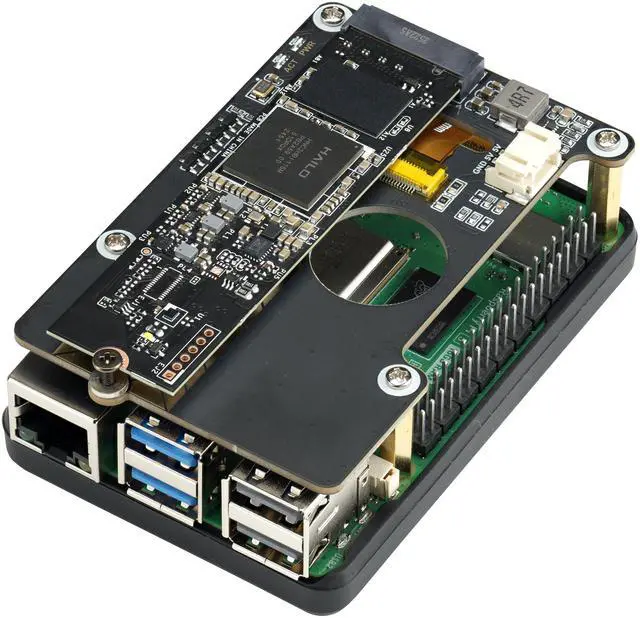
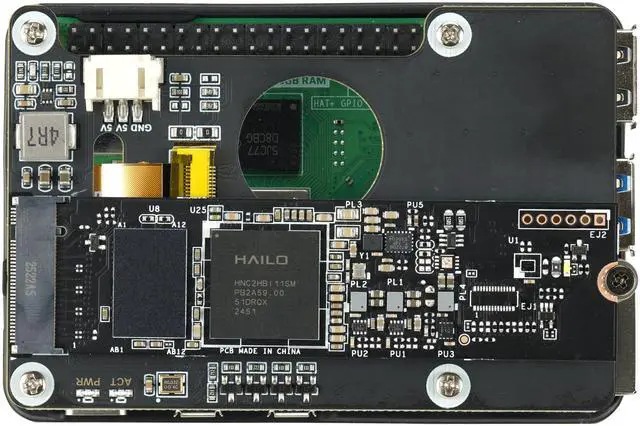
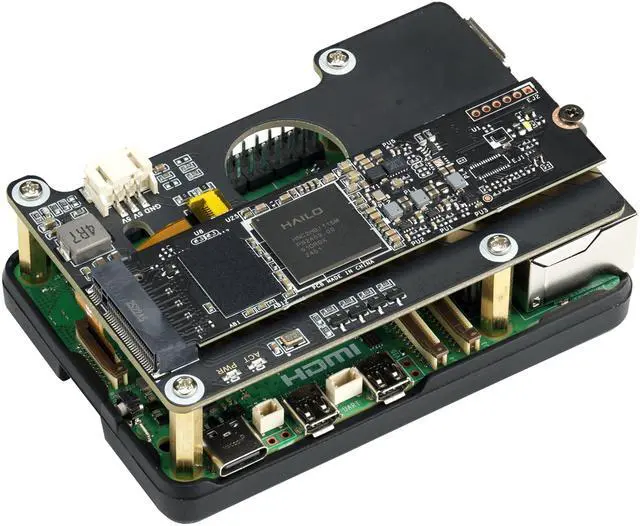
Q: Is this a good choice for Raspberry Pi or other compact ARM systems?
A: Yes, it is a sensible choice for compact ARM or x86 systems that have an M.2 Key-M PCIe slot and need efficient edge inference. It is especially relevant for always-on voice, vision, and appliance-style AI projects. Buyers should still confirm software support for their exact application before purchase.


