








Q1: What surfaces is this tape suitable for? Which surfaces require caution?
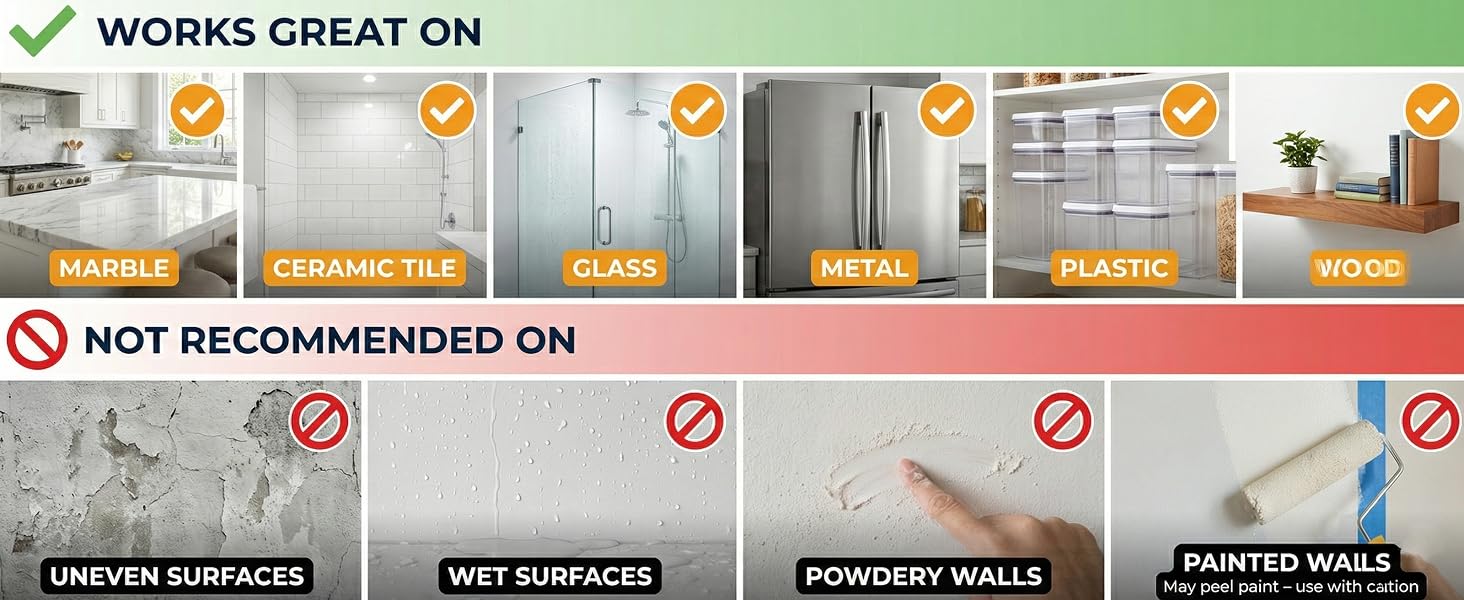
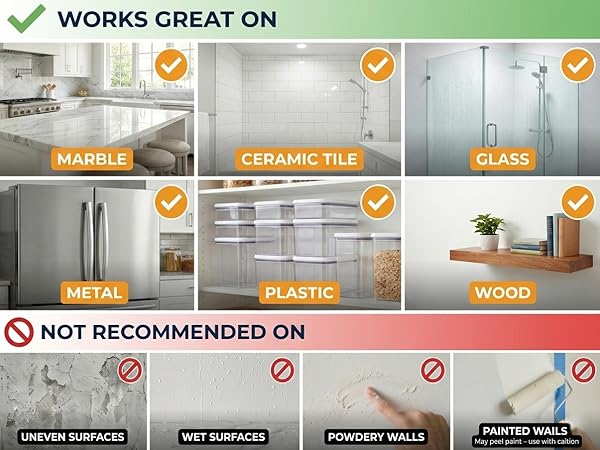
Bekhic double-sided tape adheres best to smooth, high-surface-energy materials such as aluminum, stainless steel, copper, zinc, glass, stone, ceramic, polycarbonate, and acrylic. Use caution on painted walls and rough or textured surfaces.
Q2: What preparation is needed before applying the tape?
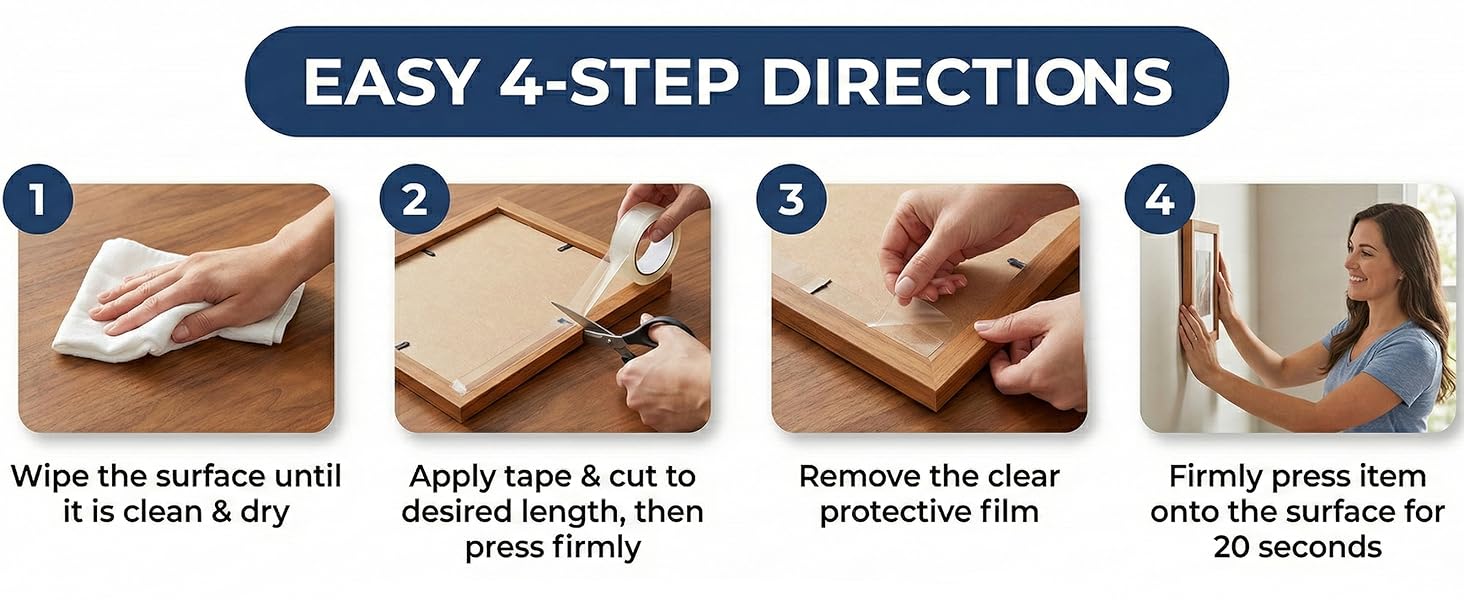
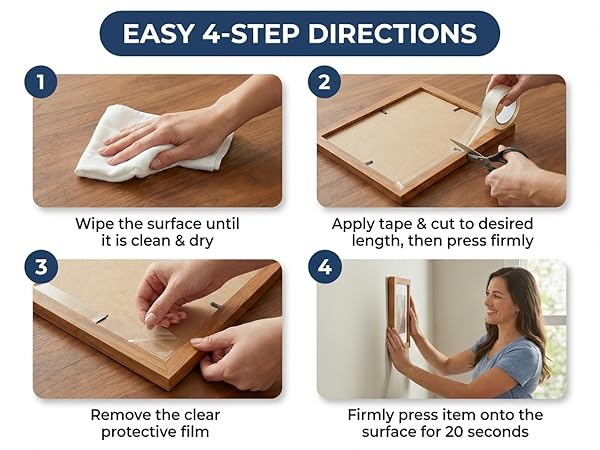
For optimal adhesion, ensure both surfaces are clean, dry, and free of dust or oil. Most surfaces can be effectively prepared by wiping with a 50:50 mixture of isopropyl alcohol and water, then allowing them to dry completely.
Q3: How do I remove the tape after use?
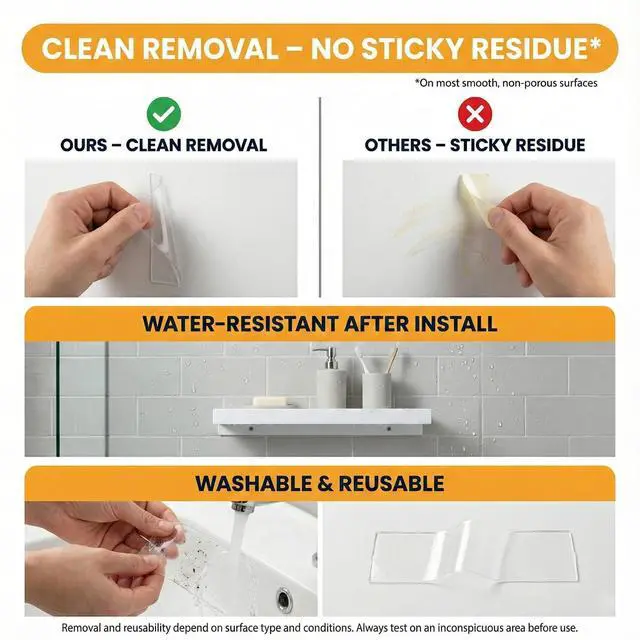
First remove the mounted item. Do not pull it straight off. Instead, gently twist the item to release it from the tape. Then slowly stretch and peel the tape parallel to the surface for easier removal.
Q4: Can the tape be reused?
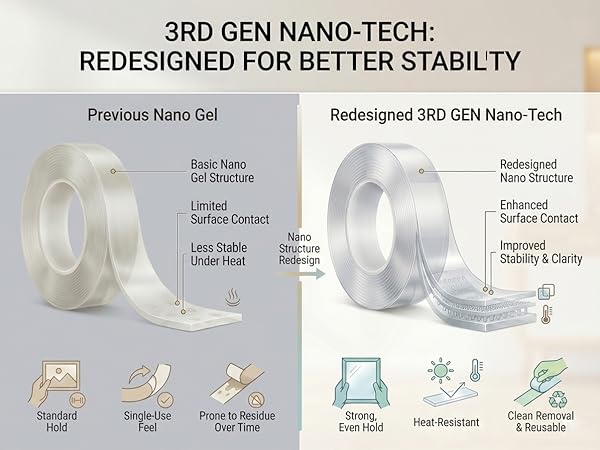
Yes. For repeated use, rinse the tape with clean water to remove dust, allow it to air-dry, and its adhesive performance can be restored.
Q5: Can it be used on painted walls or uneven surfaces?
The tape can adhere to painted walls; however, flat or matte finishes (non-reflective paint) may be damaged during removal. It is not recommended for uneven or rough surfaces, as insufficient contact may reduce adhesion and cause items to fall.

Important Usage Notes
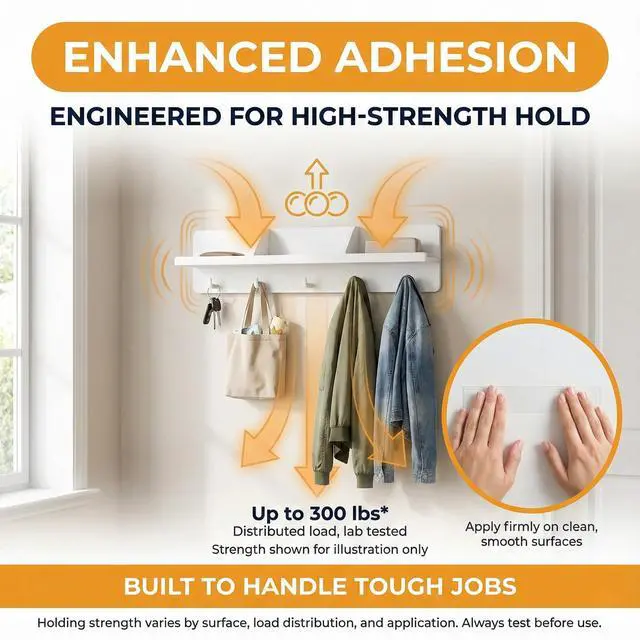
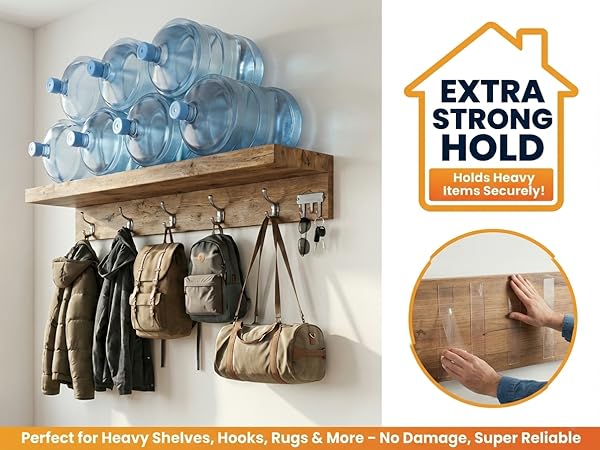
Use on clean, dry, smooth surfaces only. Not suitable for uneven, textured, or wet areas. Adhesion may be permanent; removal from painted or matte walls may cause damage. Apply firmly for best results. Do not use where falling items may cause injury or for valuable objects.
Q1: What surfaces is this tape suitable for? Which surfaces require caution?
Bekhic double-sided tape adheres best to smooth, high-surface-energy materials such as aluminum, stainless steel, copper, zinc, glass, stone, ceramic, polycarbonate, and acrylic. Use caution on painted walls and rough or textured surfaces.
Q2: What preparation is needed before applying the tape?
For optimal adhesion, ensure both surfaces are clean, dry, and free of dust or oil. Most surfaces can be effectively prepared by wiping with a 50:50 mixture of isopropyl alcohol and water, then allowing them to dry completely.
Q3: How do I remove the tape after use?
First remove the mounted item. Do not pull it straight off. Instead, gently twist the item to release it from the tape. Then slowly stretch and peel the tape parallel to the surface for easier removal.
Q4: Can the tape be reused?
Yes. For repeated use, rinse the tape with clean water to remove dust, allow it to air-dry, and its adhesive performance can be restored.
Q5: Can it be used on painted walls or uneven surfaces?
The tape can adhere to painted walls; however, flat or matte finishes (non-reflective paint) may be damaged during removal. It is not recommended for uneven or rough surfaces, as insufficient contact may reduce adhesion and cause items to fall.