




 here!
here!
I’m your shopping assistant for PC builds, upgrades, and everything tech.
Got questions? Ask away!
Start a conversation
here!
I’m your shopping assistant for PC builds, upgrades, and everything tech.
Got questions? Ask away!
Start a conversation




Any questions? Ask CelesteSM will help you find out quickly.


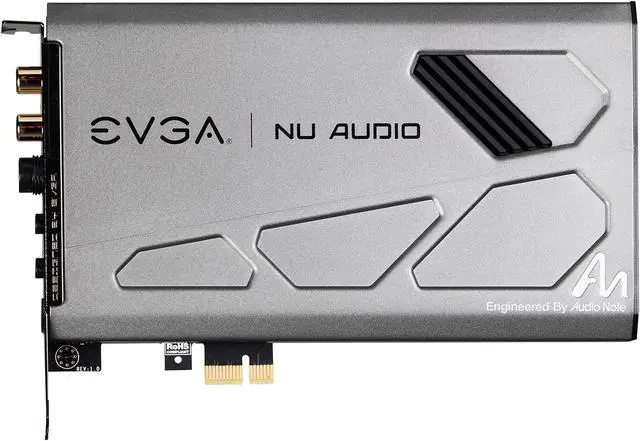
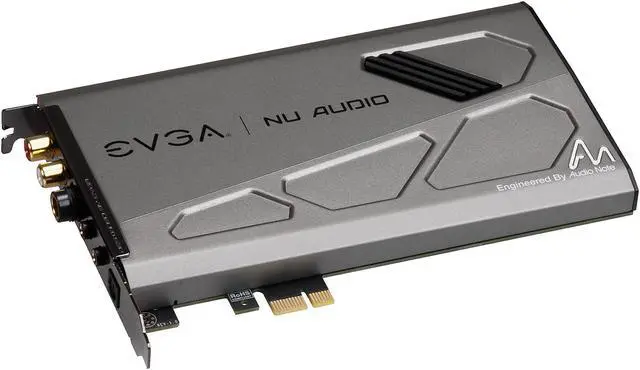
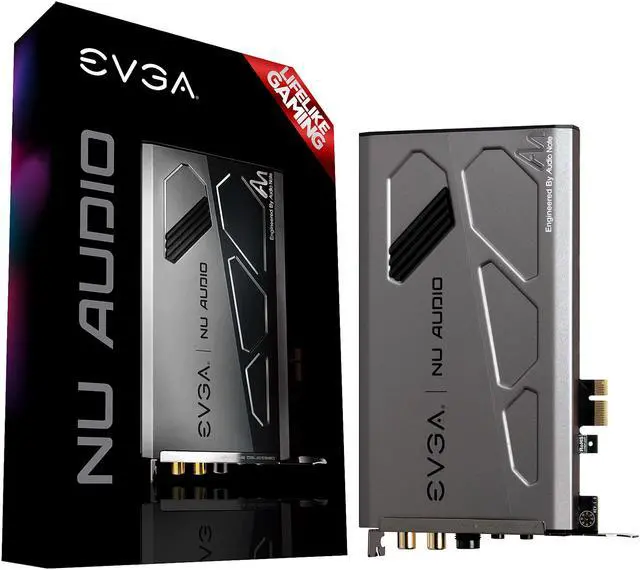
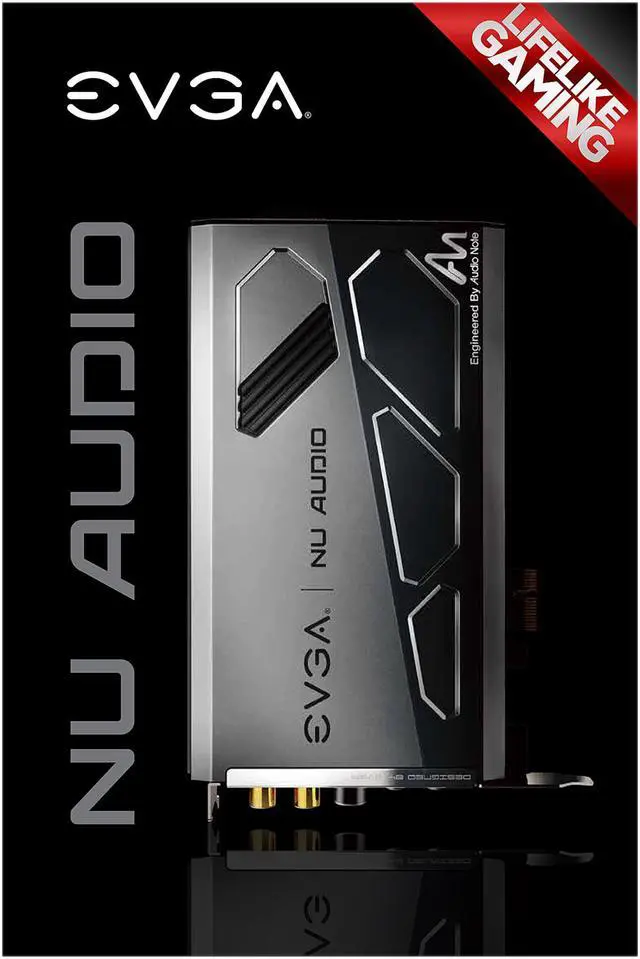
For nearly 20 years, EVGA has built the most powerful graphics cards to play your games at the highest settings, powerful motherboards to run your system at optimal settings, and reliably efficient power supplies to power your system. Now, EVGA extends its enthusiast tradition by partnering with Audio Note (UK), Ltd. to provide the most immersive audio and lifelike gaming experience on a PC with the EVGA NU Audio Card.


Audio Note (UK), Ltd. has been in the high-end audio business for over 30 years, making a name for itself by producing a wide variety of analog and digital devices. A core component of Audio Note's philosophy is to research, design, and build its own components—often custom-made for the specific application—without financial limitations to create the finest audio products available. With this in mind, EVGA partnered with Audio Note (UK), Ltd. and selected audiophile-grade digital and analog components to carefully craft the NU Audio Card.

Hear everything.
"Hear music the way the artist wants you to hear it."
This has been a common refrain used to sell audio equipment. The NU Audio Card takes it a step further by simplifying the matter—hear audio as it is.


Finely-tuned fun.
Enjoy movies, produce music, record podcasts or simply experience great audio. Hear all the subtle audio, emotional dialog, and powerful explosions to keep you on the edge of your seat without the need to browse through confusing menus. With recording performance up to 384kHz, 32bit, you can speak the way you want to be heard. After all, only you should sound like you.

The NU Audio Card enhances the relationship between music and mood. Change the 10-Mode RGB to match your favorite color, or use any of the four Audio Reactive Lighting options to let your audio set the tone and color of the NU Audio Card lighting. Alternatively, simply turn the RGB off if you'd prefer to keep things dark.
High-quality audio is built on a simple premise: everything must be solid from start to finish. One weak link in the chain can turn a symphony into a cacophony. The NU Audio Card features a high-performance digital section with Native Direct-Stream Digital (DSD) support and a clean, powerful analog section. This audio quality carries over to other applications, such as gaming, where the ability to clearly identify the difference between ambient environment noise and a stealthy enemy can be the difference between life or death.


