




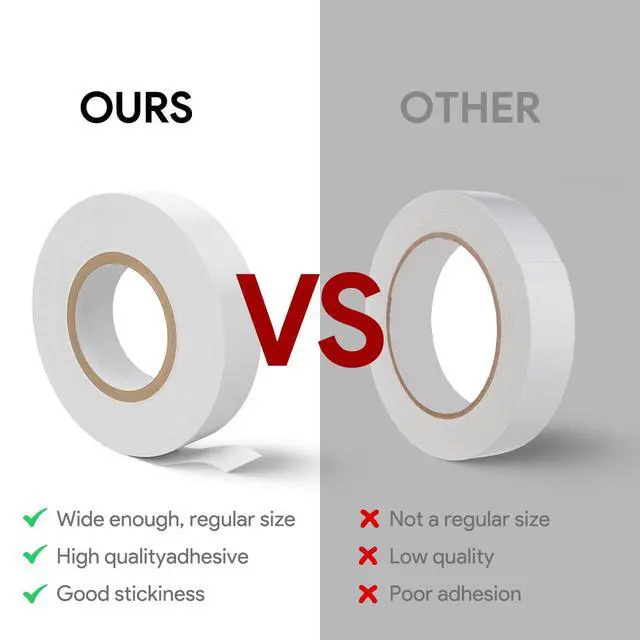
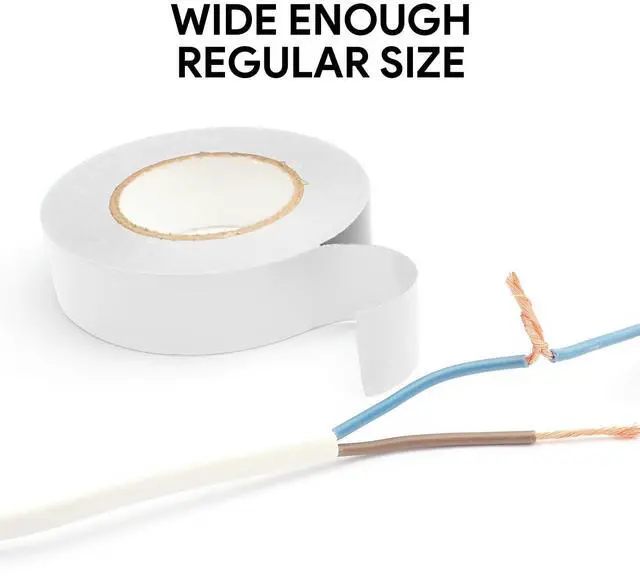


Indoor and Outdoor Electrical Tape

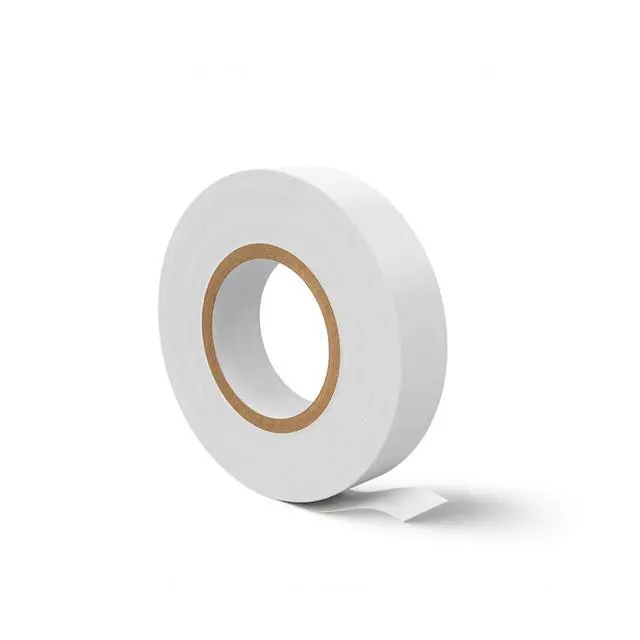
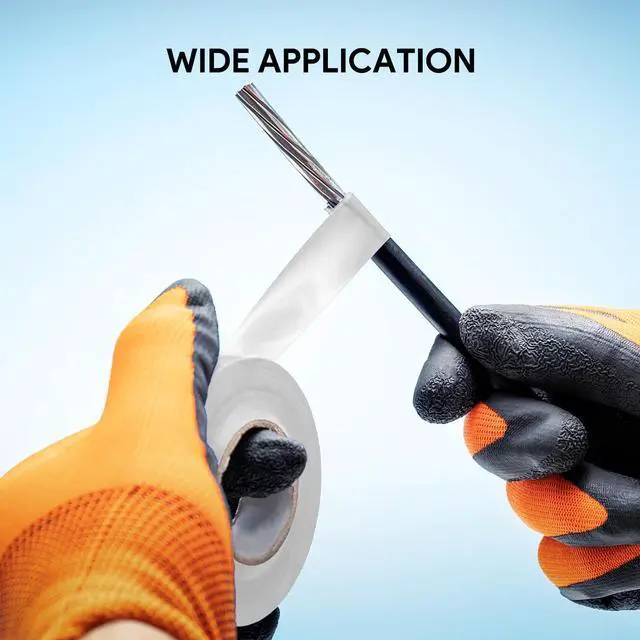
Electrical tape has excellent performance and can be used in a wide range of scenarios, both indoors and outdoors.
Waterproof and Insulating Properties

PVC electric tape is suitable for insulation of electrical, maintenance and household indoor and outdoor wires up to 600V.
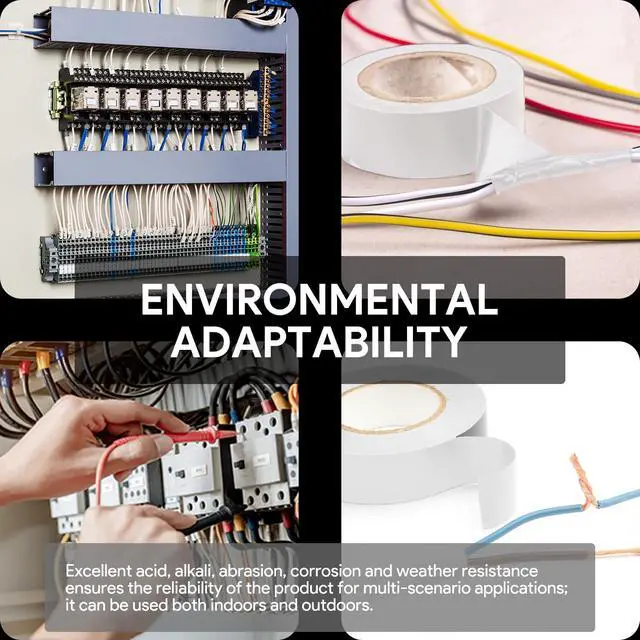
Environmental Adaptability

Vinyl tape is lead-free insulating electrical tape with high insulation temperature rating, widely used in high temperature environments.
Product Features Introduction:
1?Carrier/Substrate:Industrial strength electrical PVC film
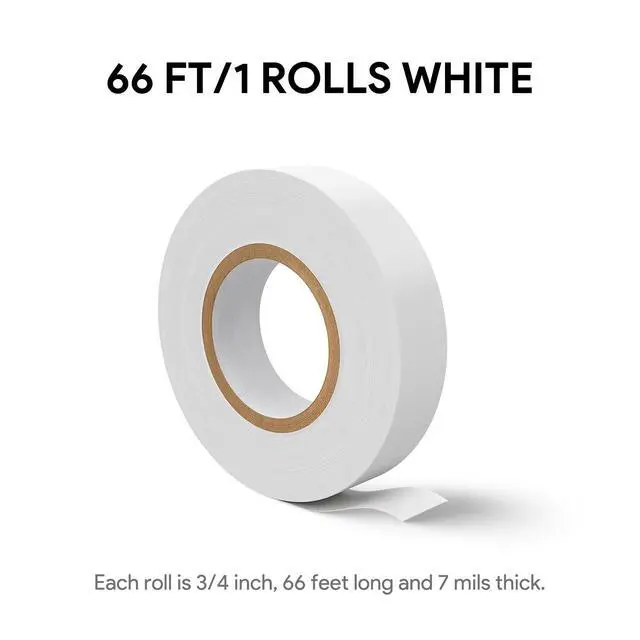
2?Thickness: 7 mils
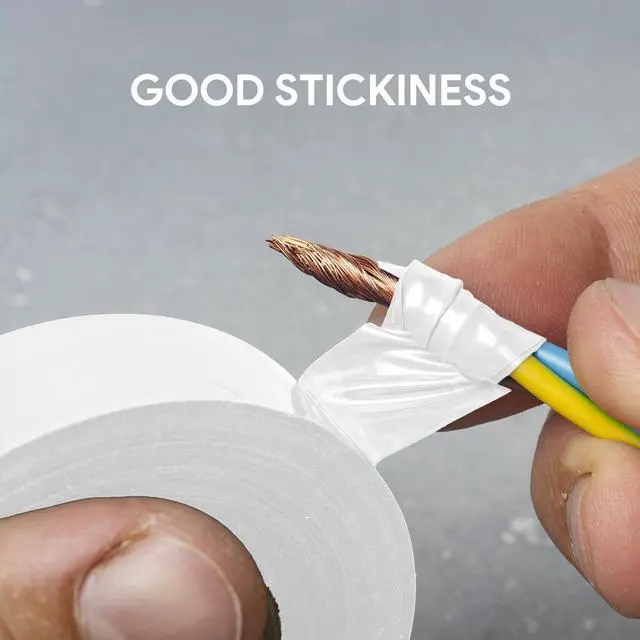
3?Adhesion: 24 oz/in
4?Adhesive: strong rubber base
5?Elongation: 210 %
6?Breaking Strength: 18 lb / inch
7?Insulation breakdown 7500V
8?Application temperature range: 5?(-15°C) to 221?(105°C), working voltage 600V.
9?Flame retardant rating standard
Here are some key precautions for using electrical tape:
1. **Ensure Clean and Dry Surfaces**
Before applying electrical tape, make sure the wire or connection surface is free of oil, dust, or moisture. A dirty or wet surface can reduce adhesion and compromise insulation. In damp environments, dry the area thoroughly before wrapping.
2. **Proper Wrapping Technique**
- Use a half-lap method: Start at one end and overlap each wrap by half the tape's width to avoid gaps.
- Apply gentle tension: Stretch the tape slightly for better adhesion, but avoid overstretching, which can thin or break the tape.
- Reinforce high-stress areas: For high-voltage or high-wear sections, apply multiple layers evenly for added protection.
3. **Choose the Right Tape**
- Match voltage ratings: Standard PVC electrical tape is suitable for low-voltage circuits (=600V). Use specialized insulation materials for high-voltage applications.
- Follow color coding: Adhere to standard color codes (e.g., red for live wires, blue for neutral, and green/yellow for ground) for easier maintenance and identification.
4. **Consider Temperature and Environment**
- Cold weather: Tape may become brittle below 0°C (32°F). Warm it slightly before use in low temperatures.
- High heat: Avoid prolonged exposure to temperatures above 100°C (212°F) or direct sunlight, as this can cause cracking or adhesive failure.
5. **Prioritize Safety**
- Always de-energize circuits before wrapping wires. Wear insulated gloves for added protection.
- Never touch exposed conductors, even when using electrical tape.
6. **Inspect and Replace Regularly**
Over time, electrical tape may degrade, lose adhesion, or become brittle. Regularly check for signs of aging, such as yellowing, hardening, or reduced stickiness, and replace it immediately if needed.
Indoor and Outdoor Electrical Tape
Electrical tape has excellent performance and can be used in a wide range of scenarios, both indoors and outdoors.
Waterproof and Insulating Properties
PVC electric tape is suitable for insulation of electrical, maintenance and household indoor and outdoor wires up to 600V.
Environmental Adaptability
Vinyl tape is lead-free insulating electrical tape with high insulation temperature rating, widely used in high temperature environments.
Product Features Introduction:
1?Carrier/Substrate:Industrial strength electrical PVC film
2?Thickness: 7 mils
3?Adhesion: 24 oz/in
4?Adhesive: strong rubber base
5?Elongation: 210 %
6?Breaking Strength: 18 lb / inch
7?Insulation breakdown 7500V
8?Application temperature range: 5?(-15°C) to 221?(105°C), working voltage 600V.
9?Flame retardant rating standard
Here are some key precautions for using electrical tape:
1. **Ensure Clean and Dry Surfaces**
Before applying electrical tape, make sure the wire or connection surface is free of oil, dust, or moisture. A dirty or wet surface can reduce adhesion and compromise insulation. In damp environments, dry the area thoroughly before wrapping.
2. **Proper Wrapping Technique**
- Use a half-lap method: Start at one end and overlap each wrap by half the tape's width to avoid gaps.
- Apply gentle tension: Stretch the tape slightly for better adhesion, but avoid overstretching, which can thin or break the tape.
- Reinforce high-stress areas: For high-voltage or high-wear sections, apply multiple layers evenly for added protection.
3. **Choose the Right Tape**
- Match voltage ratings: Standard PVC electrical tape is suitable for low-voltage circuits (=600V). Use specialized insulation materials for high-voltage applications.
- Follow color coding: Adhere to standard color codes (e.g., red for live wires, blue for neutral, and green/yellow for ground) for easier maintenance and identification.
4. **Consider Temperature and Environment**
- Cold weather: Tape may become brittle below 0°C (32°F). Warm it slightly before use in low temperatures.
- High heat: Avoid prolonged exposure to temperatures above 100°C (212°F) or direct sunlight, as this can cause cracking or adhesive failure.
5. **Prioritize Safety**
- Always de-energize circuits before wrapping wires. Wear insulated gloves for added protection.
- Never touch exposed conductors, even when using electrical tape.
6. **Inspect and Replace Regularly**
Over time, electrical tape may degrade, lose adhesion, or become brittle. Regularly check for signs of aging, such as yellowing, hardening, or reduced stickiness, and replace it immediately if needed.