  • In Stock
  • Sold by Newegg
  • New
Brands
Show More
Ports
Transfer Rate
Fiber Cable
Max Distance
Show More
Sold by
All Top Brands
Availability
Condition
Useful Links
Customer Ratings
Sort By:
View:
Perle Fast Ethernet Converter Module Unmanaged
Quick View
Perle Fast Ethernet Converter Module Unmanaged
  • Parts: Lifetime
  • Model #: 05041780
  •  
  • MXN$10,781.25 –
  • Free Shipping
IFS D7120WDMA 1-Channel 10/100 Mbps Ethernet Transceiver
Quick View
  •  
  • MXN$9,776.58 –
  • Free Shipping
813874-B21 HPE 10GBase-T SFP+ Transceiver 826762-001 SP7051-HP 813876-001
Quick View
  •  
  • MXN$10,373.53 –
  • Free Shipping
Genuine Hp Qk725a B-Series 16Gb Sfp+ Long Wave 10Km Transceiver 656436-001
Quick View
  •  
  • MXN$5,456.70 –
  • Free Shipping
HPE 813874-B21 10GBaseT SFP+ Transceiver
Quick View
HP
Refurbished HPE 813874-B21 10GBaseT SFP+ Transceiver
  • Type: SFP+
  • Color: Silver
  • Model #: 813874-B21
  •  
  • MXN$9,736.23 –
  • Free Shipping
Tripp Lite N784-MDC-4SCSC Fiber Optic 100 Mb SC to 100 Mb SC Mode Converter - 1310 nm Compatible - Up to 40 km (24.9 mi.) - Black - Metal Box
Quick View
Tripp Lite N784-MDC-4SCSC Fiber Optic 100 Mb SC to 100 Mb SC Mode Converter - 1310 nm Compatible - Up to 40 km (24.9 mi.) - Black - Metal Box
  • Brand: Tripp Lite
  • Part Number: N784-MDC-4SCSC
  • Compatible Brand: Tripp Lite series
  • Device Type: Converter
  • Model #: N784-MDC-4SCSC
  •  
  • MXN$5,242.02 –
  • MXN$626.26 Shipping
Transition Networks SGPAT1040-305 Transceiver/Media Converter
Quick View
Transition Networks SGPAT1040-305 Transceiver/Media Converter

OUT OF STOCK

  • Package Contents: SGPAT1040-305 Transceiver/Media Converter Power Cord (North America)
  • Parts: Lifetime
  • Model #: SGPAT1040-305-NA
  •  
  • MXN$11,567.37 –
  • MXN$626.26 Shipping
  • Network Transceivers

Network Transceivers

Communication needs have always revolved around two parties. There is a long history of the digital sender/receiver relationship, dating back to the introduction of tools like radio and walkie-talkies. The technology that goes into networks of this caliber was - and continues to be - defined by the need for a signal to be delivered to another location from its point of origin. As such, devices called transmitters and receivers came into being in order to facilitate this.

But this method of connection is not suitable for all forms of telecom and media due to its inability to open channels in both directions simultaneously. Radios are only able to receive signals, despite the fact that there is a station somewhere broadcasting them. In contrast, telephones allow two people to speak to each other in real time. This is because landline and cellular networks use transceivers to facilitate these calls.

Transceivers are - like the name that they possess - a combination of transmitters and receivers. They have existed for a number of years in various incarnations, but are particularly valuable components in wireless networking set-ups. Network transceivers make many of the varied functions of computers possible, enabling a world of interconnectivity that was only dreamed of at the time that the technology behind these devices was first being realized.

In order to expand a Wi-Fi network into new areas, it may be necessary to invest in a transceiver. They are already in use all over by major companies and Internet providers, and have proven useful in trying to bring everyone in the world onto the World Wide Web.

Analog Transceiver vs. Wireless Transceiver

Much like other aspects of network connectivity, there are options regarding what kind of connection is desired. There are some instances where it makes the most sense to use a wired, analog connection. In these situations, distance or mobility are probably not as big of factors as they could be elsewhere, and the importance of uninterrupted service is critical. But as Wi-Fi connectivity becomes less of an extra perk and more of an expected amenity, providers are seeking out new ways in which to bolster the range of their coverage. Wireless transceivers are going to be absolutely critical in expanding quality access to the Internet.

To provide you with a better idea of how transceivers are being applied today, here is a list of some of the machines they help empower:
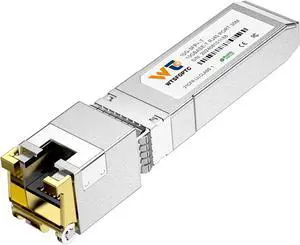
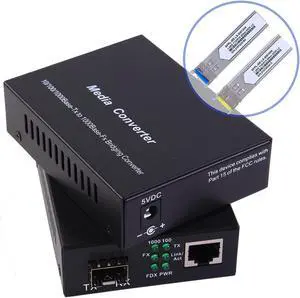
  • PC and Console Gaming - One of the biggest benefits to the Gaming world was the inception of Internet-enabled play on a wide scale. Because there is so much data now that needs to be coming and going to and from any console at a given time, video game devices are absolutely enabled by transceivers.
  • Eyeglasses and Wristwatches - Wearable devices are making huge waves in the technology world, and many of them have yet to even be released! Regardless, they are already expected to become major parts of everyday life, and that means more transceivers moving through the world.
  • Cars, buses and people - Some potential places that these transceivers could end up are on public transportation vehicles like buses, which would bring the signal all over the city in which they run. Similarly, rental car participants could receive incentives for carrying a transceiver in their car and parking it in a designated location. This kind of ingenuity could increase global access to the Internet in a big way, and may be instrumental to the development of technology as a whole.