
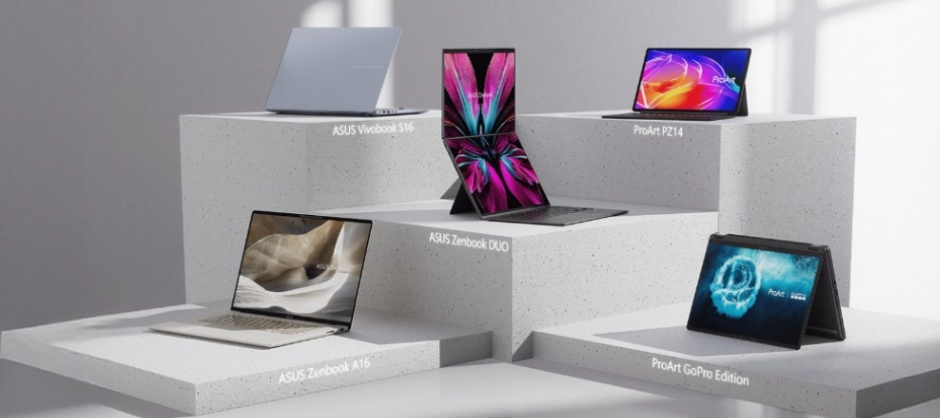
At CES 2026, ASUS made a strong case for why AI PCs are becoming the new default. Instead of treating AI as a single feature, ASUS framed its newest devices around three practical scenarios: Workspace AI, Creator AI, and Everyday AI. That approach matters because most people don’t buy a laptop for only one job anymore. A modern portable PC has to handle meetings, writing, browsing, entertainment, and creative work—often in the same day—while also staying ready for the AI tools that keep showing up across operating systems and popular apps.
ASUS’ CES 2026 lineup reflects that shift with portable devices designed to be lighter, more flexible, and more premium, while still focusing on AI-ready performance and better displays. From mainstream Zenbook upgrades to creator-first ProArt designs, ASUS is clearly building toward a future where laptops feel more adaptive, more capable, and easier to live with.
Zenbook DUO: Dual-Screen Productivity Gets a Major Upgrade
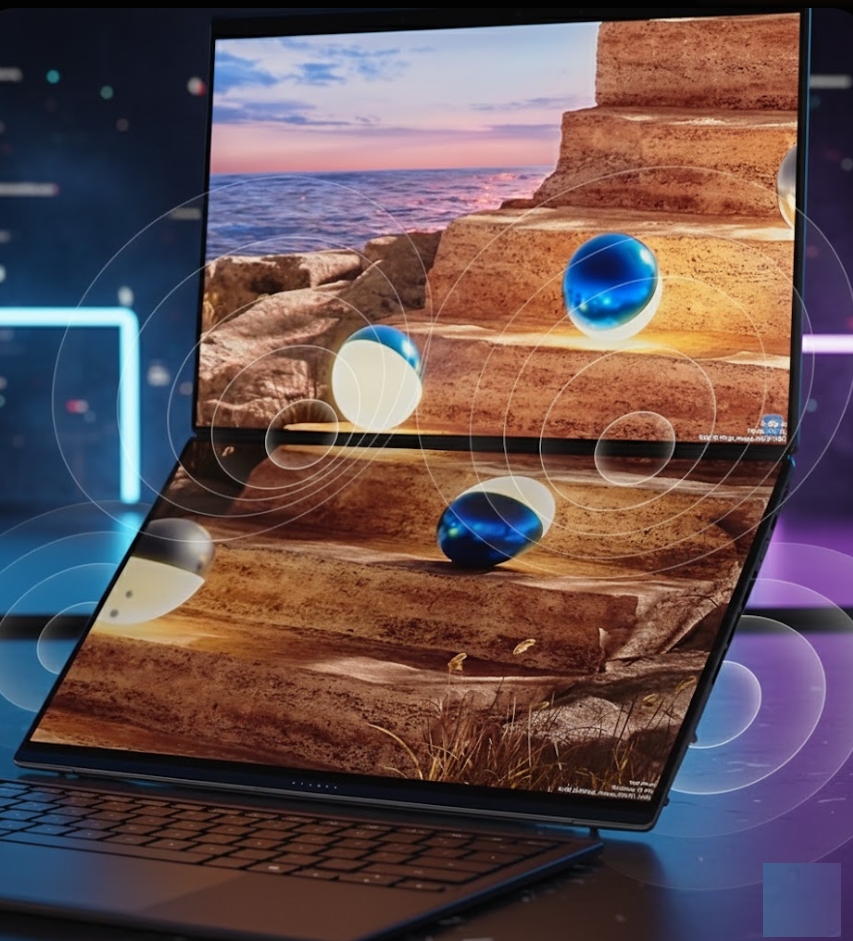
ASUS is bringing back the DUO with a major redesign. The new Zenbook DUO introduces a refined hideaway hinge with a minimal 8.28 mm gap, creating a more seamless dual-screen experience. ASUS also allows both displays to lay completely flat for easy sharing, while upgrading the chassis to a full Ceraluminum™ build for added strength and premium feel.
The upgraded ASUS Lumina Pro OLED touchscreens now deliver 3K resolution, 48–144 Hz variable refresh rate, and up to 1000 nits peak brightness, making the DUO not only a productivity tool but also a premium display experience for content and creative work. Audio is also upgraded with a custom six-speaker system, including hinge-mounted tweeters and dual diaphragm speakers, designed to sound louder, clearer, and punchier across music, video, and calls.
Performance is equally important. As a next-generation Copilot+ PC powered by the latest Intel Core Ultra Series 3, Zenbook DUO offers up to 50 TOPS NPU performance and a boosted 45W TDP, while ASUS claims cool and quiet operation through advanced thermal design. Despite its dual-screen power, it remains portable at 1.65 kg with the keyboard attached, and ASUS says it has a 5% smaller footprint than the previous generation.
A dual-battery design totals 99Wh, and multiple modes—Dual-screen, Desktop, Laptop, and Sharing—can be managed through ASUS ScreenXpert software. The redesigned Bluetooth keyboard includes a larger battery, while the built-in kickstand improves daily usability for flexible work setups.
Zenbook A16: A Big OLED AI Laptop That Stays Lightweight
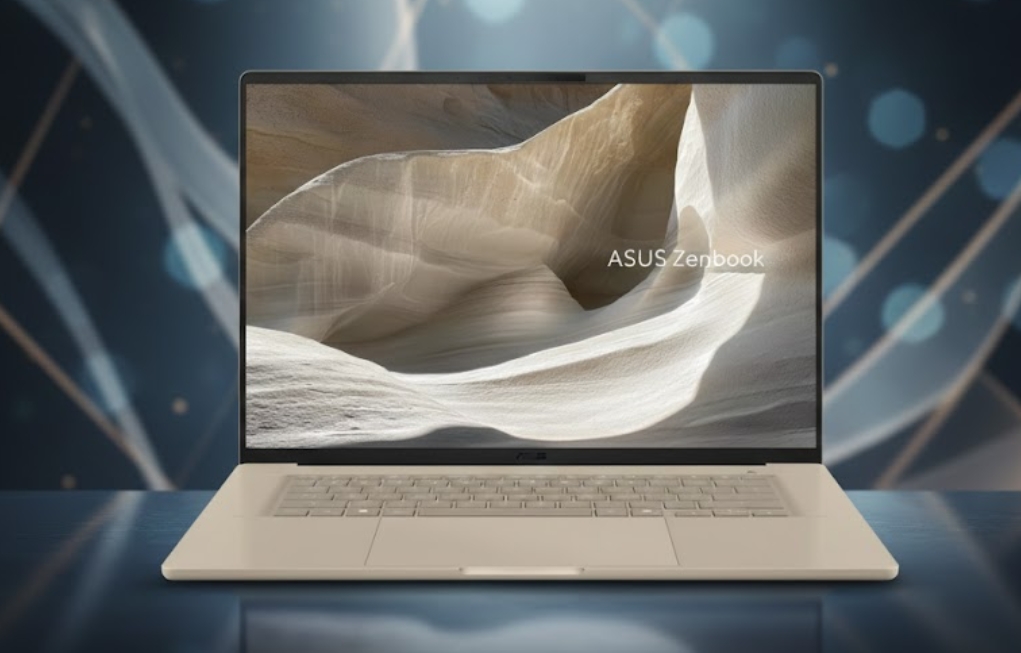
One of ASUS’ headline consumer devices is the Zenbook A16, positioned as a lightweight AI laptop that still delivers a large-screen experience. ASUS describes it as the first laptop using Snapdragon X2 Elite Extreme, paired with a 16-inch 3K OLED display and a durable sub-1.2kg chassis made from ASUS’ Ceraluminum material. For buyers, the appeal is simple: more screen space for work and entertainment without carrying a heavy machine.
This kind of device fits a common 2026 buyer profile. Many users want one laptop that feels premium for daily productivity, but also looks great for streaming and creative browsing. A big OLED panel improves readability and visual comfort, while the lighter chassis makes it easier to move between home, school, and office. ASUS’ positioning also signals that AI readiness is now part of the mainstream Zenbook story—not a niche add-on.
ProArt PX13 (GoPro Edition): A Creator Convertible for Editing and Mobility
On the creator side, ASUS introduced the ProArt PX13, including a standout GoPro Edition created in partnership with GoPro. ASUS says the GoPro Edition includes built-in GoPro Cloud access and offers for GoPro users, which highlights a real-world creator workflow: shooting on the go, organizing footage quickly, and editing on a device that can travel easily.
The PX13 itself targets flexible creation with a stylus-compatible 13.3-inch OLED display, plus ASUS’ dial-style control built into the trackpad for quick adjustments. ASUS also pairs the PX13 with AMD Ryzen AI Max (Strix Halo) options, reinforcing that creator performance and AI acceleration are core to ProArt—not just marketing language.

ProArt PZ14: A Detachable Setup for Work Anywhere
ASUS also expanded portable creation with the ProArt PZ14, an ultralight 14-inch Snapdragon-powered detachable tablet. Detachable designs are increasingly popular because they support two styles of computing: laptop mode for writing and editing, and tablet mode for sketching, reviewing, and travel use. For creators and students, this flexibility can be a real advantage over a traditional clamshell laptop.
Making the Upgrade Easier with Newegg
If CES 2026 has you thinking about a new AI laptop, start by picking the form factor that fits your lifestyle—traditional laptop, convertible, or detachable—and then compare the display and performance tier that matches your workflow. Newegg makes it easy to browse ASUS laptops and creator systems, compare configurations side by side, and track availability as new CES models roll out through 2026—so you can upgrade when the right model arrives.
Related Posts
- Sales Tax Holiday 2026: Save on PC Components, Peripherals, Laptops, Desktops, and Workstations at Newegg
- Apple Intelligence Features at WWDC 2026: The New Siri, Photo Editing, and What Your Device Needs
- Apple Parental Controls at WWDC 2026: The New Child Account Tools Explained
- iOS 27 Performance Boost: Every Speed and Design Change Apple Showed at WWDC 2026
- Intel’s Fastest Gaming Desktop CPUs Are Almost Here: A Complete Look at the Core Ultra 270K/250K/250KF Plus Arrow Lake Refresh