On November 5, tech stocks had what Fortune called their biggest sell-off since COVID. The Nasdaq was down more than 5% by midday, Nvidia fell about 8%, and Micron and AMD each dropped about 14%. The trigger was the midterms: voters backed candidates and ballot measures aimed at slowing AI data center construction, and investors started pricing in a smaller build-out.
For PC builders, the obvious question is whether this means RAM, SSDs and graphics cards are about to get cheaper. My short answer is that a stock chart and a store shelf are two different things. Here's how I'd think about it depending on what you're shopping for.
What actually happened
The sell-off was about expectations. Fortune quoted Dan Ives of Yorkville Ives, who now expects Big Tech's capex growth to peak in 2027 instead of later, while still saying that spending should easily top a trillion dollars in 2027. He estimated that at least 10% of the 800 to 1,000 AI-focused data centers planned in the US could come off the roadmap, with up to 20% facing longer regulatory delays.
That's a slowdown in growth, not a collapse in demand. And nothing in that coverage said anything about memory or SSD pricing for consumers.
Why a stock drop isn't a price drop
Memory makers sell a large part of their output to data center customers. When investors think that demand will grow more slowly, the stock falls the same day. What you pay for a DDR5 kit depends on supply contracts, inventory and how fast retailers restock, and those move over months, not hours.
So I'm not going to predict where prices go. What I can do is tell you how I'd shop in each situation.
If you need more RAM to fix a real problem
If your system is running out of memory in the games or apps you use, waiting on a market story doesn't fix anything. Check your usage first, then buy the kit that solves it.
For most gaming builds on AM5, a two-stick 32GB DDR5-6000 kit is the one I'd buy. The G.SKILL Trident Z5 Neo 32GB DDR5-6000 CL30 has EXPO and XMP 3.0 profiles and runs at 1.35V. If you edit video or keep a lot open alongside games, the Kingston FURY Beast 64GB (2 x 32GB) DDR5-6000 CL30 gives you double the capacity in the same two slots.

If you're buying an SSD
SSDs are in the same boat. NAND makers also sell into data centers, and I wouldn't read anything into one bad day for those stocks.
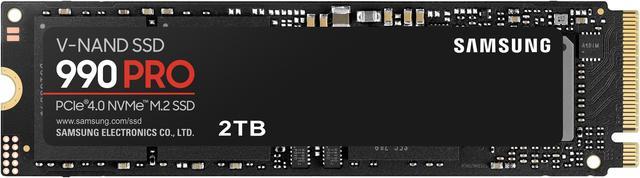
For a main drive, the Samsung 990 PRO 2TB is a PCIe 4.0 drive with a 2GB DRAM cache and read speeds up to 7,450MB/s. If you want a second drive just for a game library, the TEAMGROUP NV5000 2TB is a DRAM-less Gen4 drive rated up to 5,000MB/s reads, and it's fine for that job. If your board has a PCIe 5.0 M.2 slot and you want the fastest option, the WD_BLACK SN8100 1TB is rated up to 14,900MB/s reads.
If you've been waiting on a graphics card
GPU makers were part of the sell-off too, but consumer graphics card supply depends on different things, like which chips get priority at the fab and how many boards partners build. I wouldn't change my GPU plans because of this news.
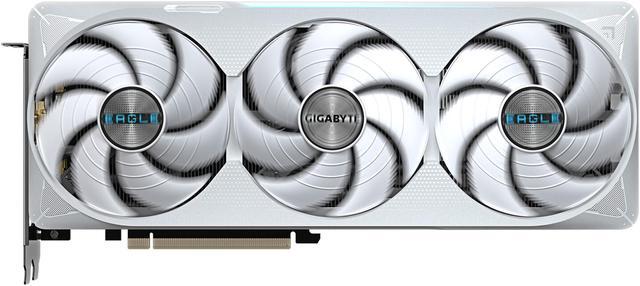
My rule hasn't changed: for a card you plan to keep a few years, aim for 16GB. The GIGABYTE Eagle RTX 5070 Ti pairs 16GB of GDDR7 with a 256-bit bus. The SAPPHIRE PULSE RX 9070 XT is the AMD alternative with 16GB on a 256-bit bus. At 1080p, the ASUS Dual RTX 5060 Ti 16GB keeps the 16GB buffer on a 128-bit bus.
If you're planning a full build for next year
This is the one case where waiting a little costs you nothing. If your current PC is fine, put together a parts list now, keep an eye on it, and buy when the build makes sense for you. Just don't hold off for months expecting a specific drop. If memory pricing does ease, you'll see it at checkout, and you won't need a stock chart to tell you.
My take
The November 5 sell-off was a big story for investors, and it might matter for hardware over a longer stretch. But for someone buying a RAM kit or an SSD, it isn't a signal to wait or to panic-buy. Buy for the problem you have, size the part for the next few years, and leave the market timing to people who trade for a living.
Frequently Asked Questions
What happened to tech stocks on November 5, 2026? Fortune reported the biggest tech sell-off since COVID. The Nasdaq fell more than 5% at midday, Nvidia dropped about 8%, and Micron and AMD fell about 14%, as investors worried that midterm results and ballot measures would slow AI data center construction.
Does a falling Micron stock mean RAM prices will drop? Not directly. A stock price reflects what investors expect about future profits. Retail memory prices follow supply contracts and inventory, which move more slowly, and the coverage I read made no claim about consumer RAM or SSD prices.
Should I wait to buy RAM or an SSD? If you need the upgrade to fix a real problem, I would buy what you need. If your current setup is fine, there is no harm in waiting, but I would not wait on the assumption that a stock drop guarantees cheaper parts.
Is the AI data center boom over? Analysts quoted by Fortune expect capex growth to slow, not stop. Dan Ives of Yorkville Ives said Big Tech capex should still exceed a trillion dollars in 2027, with growth peaking that year.
What graphics card memory size should I buy? For a new card that you plan to keep a few years, I would aim for 16GB, such as an RTX 5070 Ti, RX 9070 XT or RTX 5060 Ti 16GB.
Read More
- Tech stocks suffer biggest selloff since Covid (Fortune): The market coverage behind this piece, including the analyst views on data center spending.
- Before You Buy More RAM, Check What's Actually Using It (Newegg Insider): How to find out whether you really need more memory.
- Soldered vs Upgradeable RAM in Laptops (Newegg Insider): What to check before buying a laptop you may want to upgrade later.
- How Much RAM for Open-World Games in 2026? (Newegg Insider): Our take on 16GB vs 32GB vs 64GB for big games.
- GPU Benchmarks Hierarchy (Tom's Hardware): A broad performance ranking to compare graphics cards before you buy.