
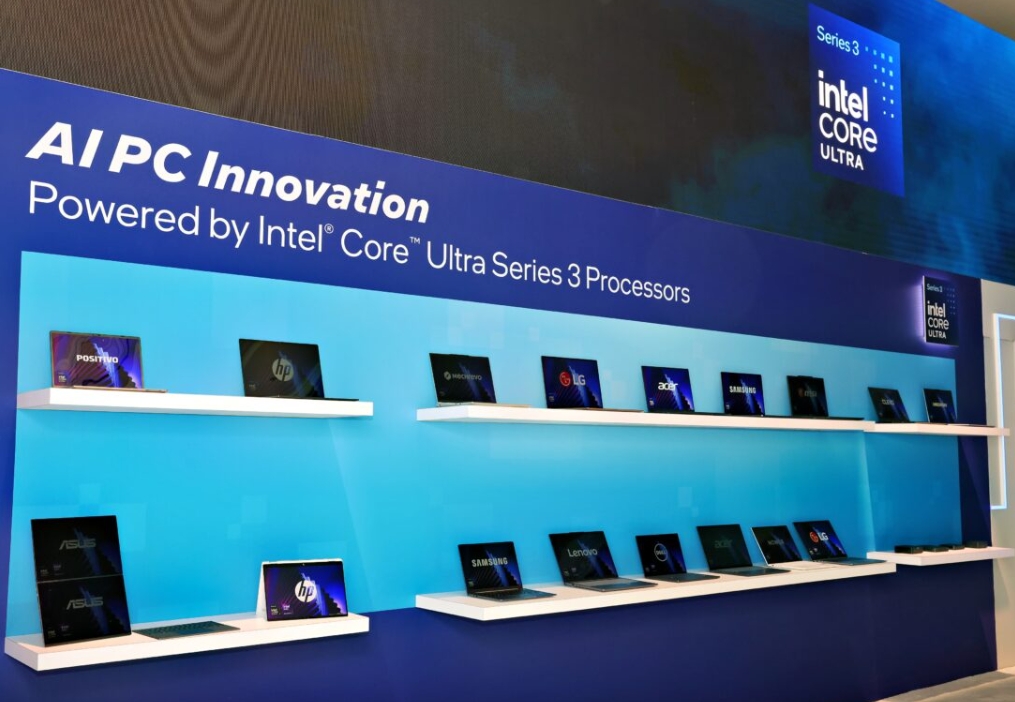
At CES 2026, Intel introduced Core Ultra Series 3 (Panther Lake) and made it a centerpiece of its 2026 laptop roadmap. Intel presents Panther Lake as a major AI PC platform and a key milestone in its manufacturing plan. Instead of focusing on a single concept device, Intel framed Panther Lake as an ecosystem push. The company says it expects 200+ laptop designs from partners, which means Core Ultra Series 3 should appear across many brands and price tiers this year.
This CES launch highlights three priorities. First, Intel brings Intel 18A to consumer PC silicon. Second, Intel boosts on-device AI so more everyday features can run locally. Third, Intel improves graphics performance for gaming laptops and future handheld gaming PCs. Intel also confirmed a near-term rollout: preorders begin January 6, 2026, and broad availability starts January 27, 2026, with more models expected through the first half of the year.

Core Ultra Series 3 (Panther Lake): Intel Brings 18A to Consumer PCs
Panther Lake stands out because it marks a major process milestone. Intel built the platform on Intel 18A, a node the company positions as central to its manufacturing comeback. Reuters highlights Panther Lake as the debut of Intel’s 18A node in consumer products and links it to Intel’s effort to regain PC market momentum after years of intense competition.
For laptop buyers, a new node often translates into better efficiency and stronger performance-per-watt. That matters most in thin-and-light designs, where thermals and battery limits can reduce sustained speed. Intel also tied Panther Lake to its U.S.-based manufacturing narrative, giving the platform supply chain and roadmap importance beyond benchmarks alone.
Key points Intel emphasized:
- Intel builds Core Ultra Series 3 on Intel 18A
- Intel targets next-gen AI PC workloads
- Intel aims for wide adoption across premium and mainstream laptops
AI PC Focus: Why On-Device AI Matters
Intel designed Core Ultra Series 3 to run more AI workloads locally. That changes the AI PC story in a practical way. Instead of relying on cloud-based inference, laptops can handle more AI tasks on-device. As a result, common experiences—like summarizing notes, transcribing audio, and enhancing images—can feel faster and more private. In addition, local AI reduces the “always online” dependency many users dislike.
For everyday users, the most noticeable benefits are speed and convenience. For example, local transcription can respond quickly during meetings. Meanwhile, rewrite, translation, and short-summary tools can run without sending sensitive data to a server. Plus, when AI runs more efficiently, the laptop can keep these features active without draining battery as quickly.
What this enables on an AI PC:
- Faster AI tasks with fewer cloud round-trips
- On-device summarization, transcription, and content assistance
- More consistent AI performance with improved power efficiency
Gaming Gains: Stronger Arc Graphics and Better Efficiency
Intel used CES 2026 to emphasize Panther Lake’s gaming story. The company says the platform delivers a big jump in graphics performance, and CES reporting points to a stronger integrated graphics message for this generation.
This matters because integrated graphics keeps improving. As a result, many thin-and-light laptops can support more games at smoother settings, especially esports and popular multiplayer titles. In addition, better graphics efficiency helps laptops maintain performance longer under sustained loads, which can make a difference for buyers who want gaming capability without carrying a heavy chassis.
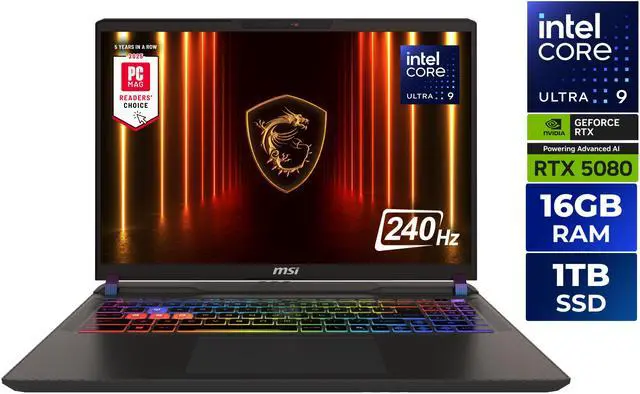
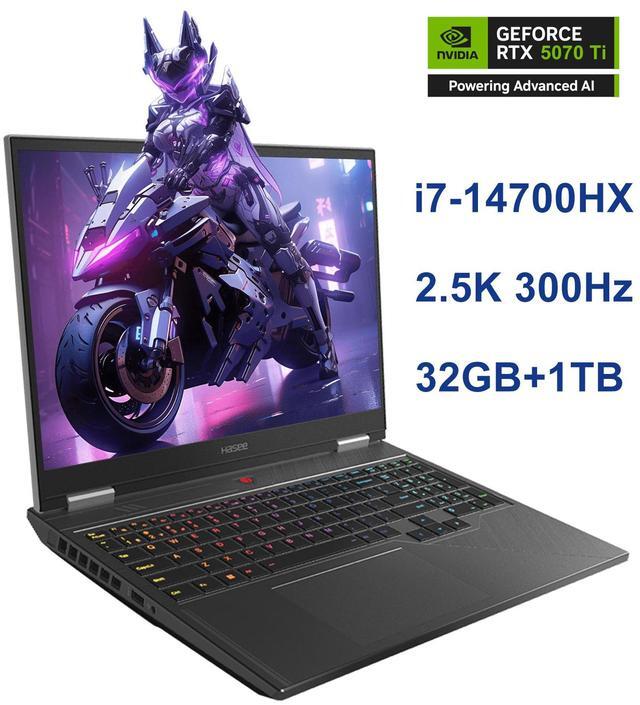
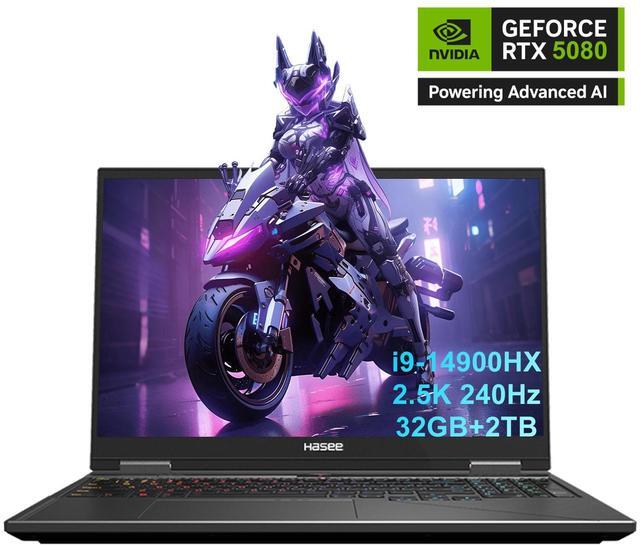
At the high end, Panther Lake also supports performance systems paired with discrete GPUs. The Verge’s CES coverage highlights premium laptops that use Intel Panther Lake CPUs alongside Nvidia’s newest GPUs, showing that OEMs view Panther Lake as a premium foundation for flagship gaming and creator notebooks.
Even more important, Reuters reports Intel plans to use Panther Lake as a base for a platform aimed at handheld gaming PCs. This signals Intel wants a larger role in portable PC gaming, a category that has grown quickly and has often been led by AMD-based designs.
Ecosystem Scale and What to Look For

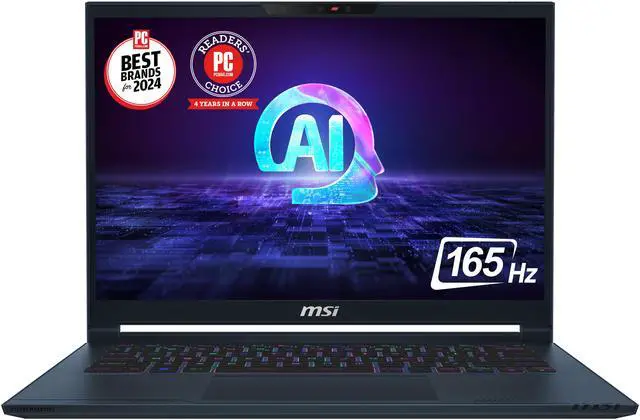
Intel says Core Ultra Series 3 will power 200+ laptop designs, suggesting the platform will show up in many shapes, including thin-and-light laptops, creator systems, and gaming notebooks. In addition, high design counts often mean more price competition and more configuration variety.
When shopping, focus on a few simple signals. The Verge notes the “H” designation often tracks with higher performance tiers in Intel’s lineup. Choose thin-and-light systems for portability and battery life. Choose larger gaming systems if you want higher sustained power and cooling headroom. Finally, expect more mainstream value models later as the platform scales through 2026.
Availability and Bottom Line
Intel confirmed a clear rollout: preorders start January 6, and wide availability begins January 27, with continued expansion through H1 2026. That said, flagship gaming and creator designs often arrive later than early thin-and-light models, so buyers should see more options as the first half of the year continues.
Bottom line: Core Ultra Series 3 (Panther Lake) is one of Intel’s most important CES laptop announcements in years. It brings Intel 18A to consumer PCs, strengthens the AI PC story with more local performance, and pushes a bigger focus on gaming graphics and new form factors like handheld gaming PCs. With preorders starting today and availability later this month, Panther Lake is positioned to become one of the defining laptop platforms of 2026.
Ready to Upgrade? Find the 18A Era at Newegg
The AI PC race is heating up, and Panther Lake shows Intel’s answer is more than a spec bump. By bringing Intel 18A to a high-volume consumer platform, Intel is pushing a new standard for performance-per-watt, on-device AI, and modern connectivity. In addition, Intel’s CES messaging positions Core Ultra Series 3 as a foundation for both premium laptops and new form factors like handheld gaming PCs—making this one of the most forward-looking PC platform launches in years.
Just as important, CES 2026 systems built on this platform are designed to stay relevant longer. Many upcoming models pair next-gen AI acceleration with advanced features like integrated Wi-Fi 7 R2 and Thunderbolt 5, helping these laptops support faster networking, high-bandwidth docks, and modern external GPU or storage setups. As a result, these systems feel like some of the most future-ready machines showcased at CES in recent memory.
Pre-orders for the first wave of Core Ultra Series 3 laptops begin this week, with early designs expected from major partners across gaming and premium categories. If you’ve been waiting to turn an “everyday” PC into an AI powerhouse, Newegg is the destination to start your upgrade journey. Don’t settle for yesterday’s tech when the future of computing is only a click away.