
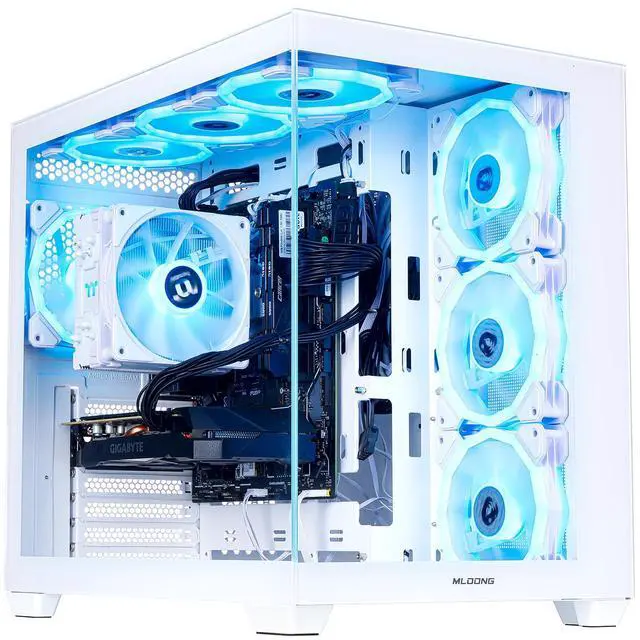
Recent AI developments in consumer computing have accelerated dramatically over the past year, moving artificial intelligence from research labs into everyday personal devices. Over the past year, AI has entered a new phase of maturity, marked by rapid advances in large language models, multimodal systems, and dedicated AI hardware. These developments are reshaping not only how software is built, but also how everyday consumers choose, configure, and upgrade their computing devices.
1. Recent AI Developments in Consumer Computing: What Has Changed
Recent AI progress can be summarized around three core themes: model capability, deployment efficiency, and hardware integration.
On the software side, modern AI systems have become more capable at reasoning, summarization, coding assistance, image generation, and real-time interaction. Multimodal AI—models that can understand and generate text, images, audio, and video—has moved from experimental to commercial-grade deployment. These systems are increasingly embedded into productivity tools, operating systems, and creative software.
Equally important is the shift toward local and hybrid AI computing. Instead of relying entirely on cloud-based inference, many AI workloads are now designed to run partially or fully on local devices. This change improves latency, privacy, and long-term cost efficiency, while also driving demand for more powerful consumer hardware.
2. The Rise of AI PCs and Copilot+ Systems
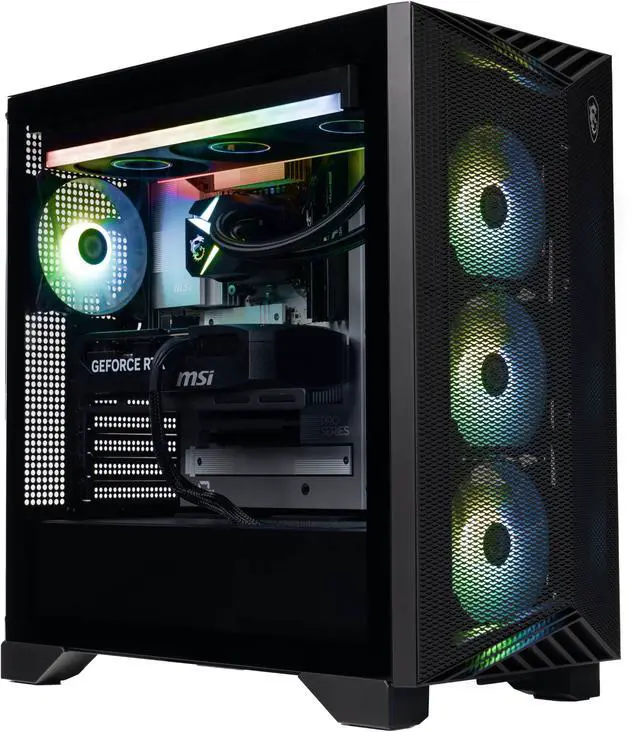
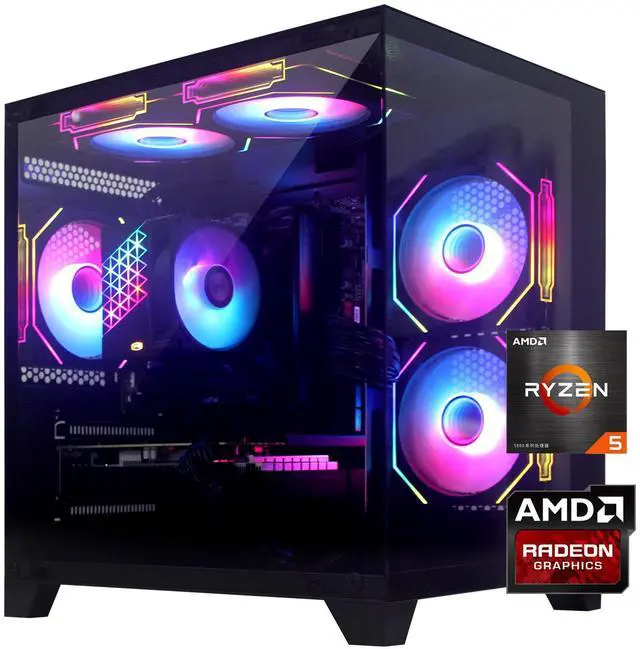
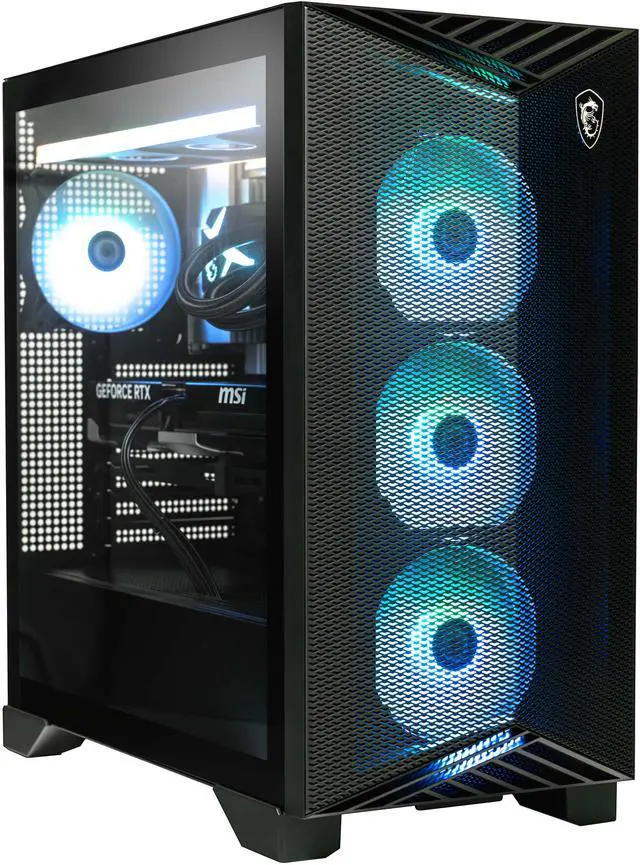
One of the most visible outcomes of these trends is the emergence of AI PCs—personal computers designed with dedicated AI acceleration in mind. These systems typically integrate CPUs, GPUs, and NPUs (Neural Processing Units) to handle AI tasks efficiently.
Microsoft’s Copilot+ PC initiative has brought this concept into the mainstream by standardizing local AI capabilities at the operating system level. Features such as on-device inference, real-time transcription, intelligent image editing, and contextual assistance are now tied directly to hardware specifications.
For consumers trying to understand this new category, curated resources like the AI PC Store on Newegg provide a practical entry point, while the dedicated Copilot+ PC listings help buyers identify systems certified for these next-generation AI features.

3. AI Hardware: Beyond CPUs and GPUs
AI’s growth has significantly changed how hardware performance is evaluated. Traditional metrics such as clock speed and core count are no longer sufficient on their own. Instead, buyers increasingly consider:
- AI TOPS (Trillions of Operations Per Second) for neural workloads
- GPU tensor cores for parallel inference and training
- Memory bandwidth and capacity, critical for large models
This evolution has made system configuration more complex, especially for users building custom machines for AI-assisted workflows. Tools like the Custom PC Builder allow users to balance AI performance, thermals, and budget in a structured way, reducing trial-and-error during the build process.
4. AI in Gaming, Creativity, and Content Production
AI is increasingly central to gaming and creative workloads. In gaming, AI-driven upscaling, frame generation, and real-time physics simulation are redefining performance expectations. In creative fields, AI accelerates tasks such as video editing, 3D rendering, audio mastering, and generative design.
For users who primarily engage with AI-enhanced games or creative software, discovery tools such as the Gaming PC Finder and the Laptop Finder help translate abstract AI requirements into concrete system recommendations.
These tools are particularly useful for buyers who may not be deeply familiar with GPU architectures or AI benchmarks but still want systems that remain capable over several product cycles.
5. Power, Memory, and Infrastructure Considerations
As AI workloads grow more demanding, supporting components become increasingly important. Power supplies must handle transient GPU loads, memory must accommodate larger models, and storage systems must support high-throughput data pipelines.
For example, accurately estimating system power needs is critical when upgrading to AI-capable GPUs. The PC Power Supply Calculator helps prevent underpowered builds that could limit AI performance or system stability.
Similarly, the Memory Finder assists users in selecting compatible, high-capacity RAM configurations—an often overlooked bottleneck in AI-heavy workflows.

6. AI, Data, and Networked Systems
AI is inherently data-driven, which has increased interest in local storage, private cloud solutions, and high-speed networking. Enthusiasts and professionals alike are deploying NAS systems for AI datasets, backups, and collaborative workflows.
The NAS Builder supports this trend by simplifying component selection for scalable storage solutions, while the Network Builder addresses the growing need for reliable, high-bandwidth connectivity.
At the enterprise and prosumer level, AI deployment increasingly overlaps with server-class hardware. Configuration tools like the Server Configurator and the ASUS NUC Configurator reflect how compact and modular systems are being adapted for edge AI and inference tasks.
7. AI-Driven Upgrades and Lifecycle Planning
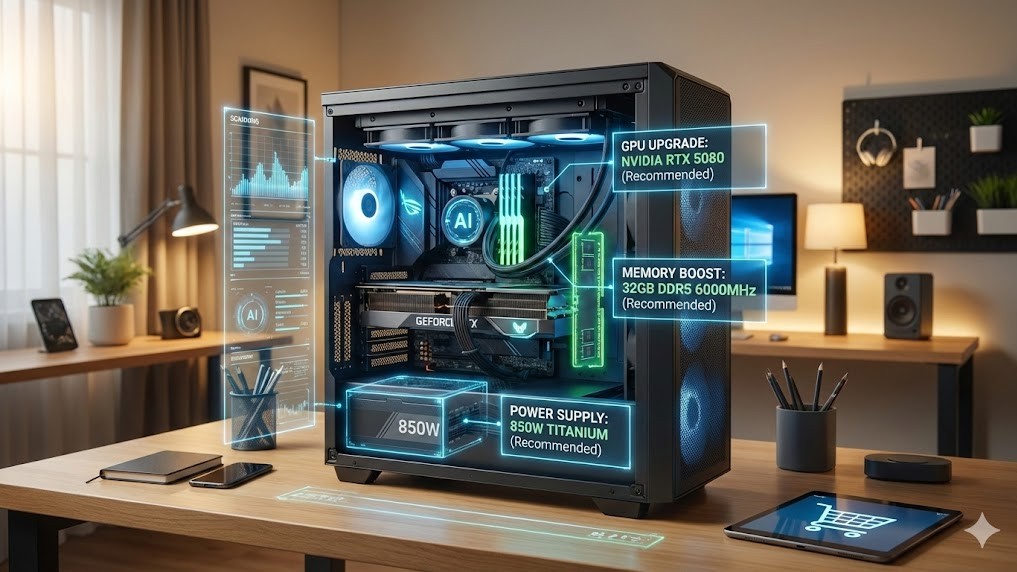
One of the more subtle recent trends is the use of AI itself to guide hardware upgrades. Instead of replacing entire systems, many users now pursue targeted improvements—such as upgrading GPUs, memory, or storage—to unlock AI features.
The Smart PC Upgrades with AI tool exemplifies this approach by analyzing existing systems and recommending efficient upgrade paths. This aligns with broader industry goals around sustainability, cost control, and longer device lifespans.
Conclusion: AI as a Practical Computing Standard
Recent developments in artificial intelligence signal a transition from novelty to infrastructure. AI is becoming a standard expectation across consumer and professional computing, influencing how devices are designed, marketed, and purchased.
For buyers, the key takeaway is not that every system must be “AI-first,” but that understanding AI requirements leads to better long-term decisions. Whether through AI PCs, custom-built systems, or incremental upgrades, today’s hardware choices increasingly determine how effectively users can adopt tomorrow’s AI-driven software.
By combining a clear understanding of AI trends with practical configuration and discovery tools, consumers at all levels can navigate this rapidly evolving landscape with confidence.