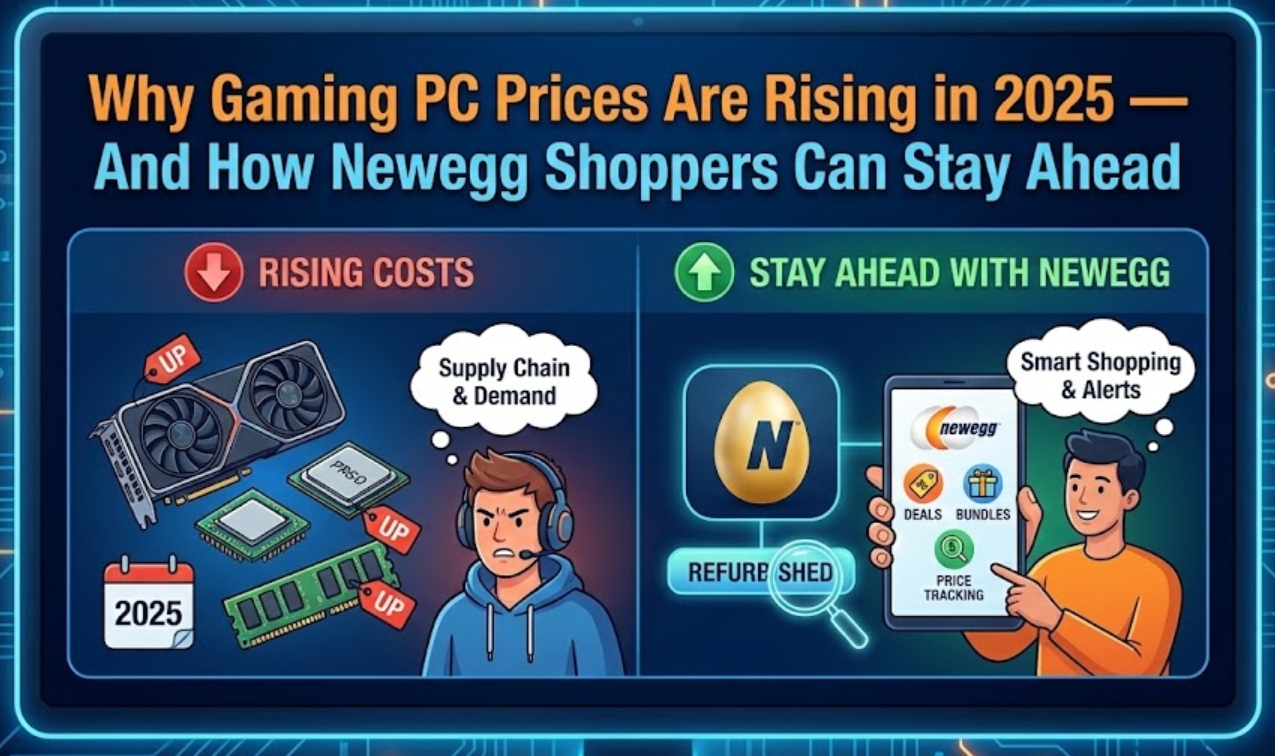
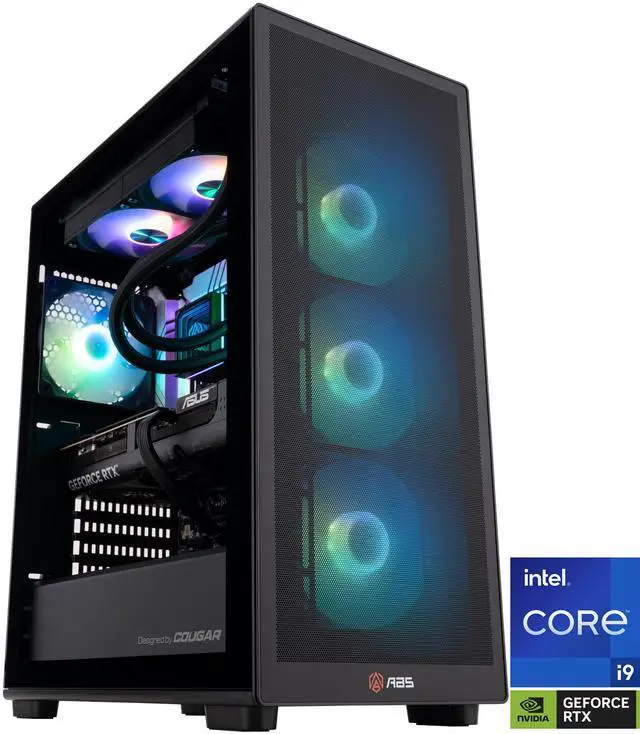
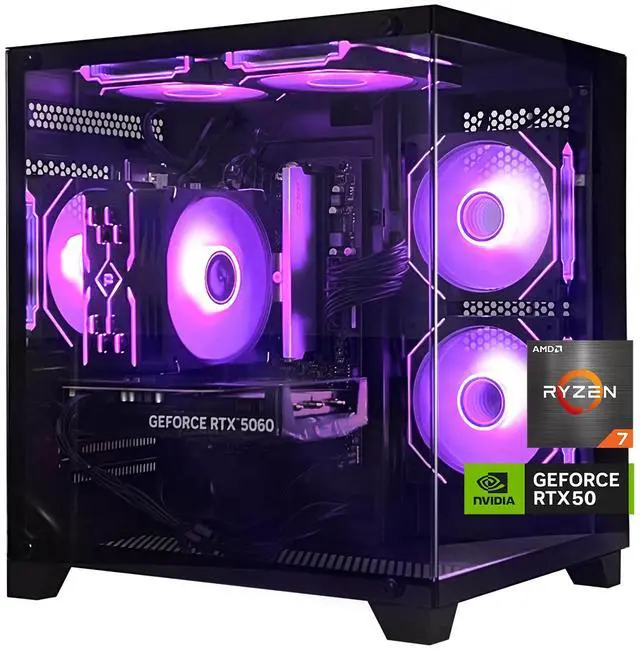
A new pricing reality has arrived for gaming PCs. When system integrators adjusted prices in December 2025 , many shoppers viewed it as a one-off event. In truth, it was the first visible sign of a deeper, industry-wide shift in the global component supply chain.
This is not a seasonal fluctuation or a short-lived shortage. It’s a Component Cost Super-Cycle — a prolonged period in which memory, storage, and GPU-related components are facing unusually sharp and sustained price increases. Major PC brands such as Lenovo, HP, and Dell have reportedly warned customers about imminent system price hikes. As these rising costs ripple through the industry, gaming PC buyers are now asking a crucial question:
“Should I buy now, or wait?”
This guide explains the forces behind the rising prices, breaks down how OEMs and integrators are responding, and—most importantly—shows how you can use Newegg’s ecosystem to protect your budget and secure the highest performance-per-dollar.
1. What’s Driving the Price Surge: The New Economics of Memory, Storage, and GPUs
Three major supply-side forces converged in late 2025, reshaping the PC hardware landscape.
A. DRAM and NAND Flash Are Under Extreme Pressure
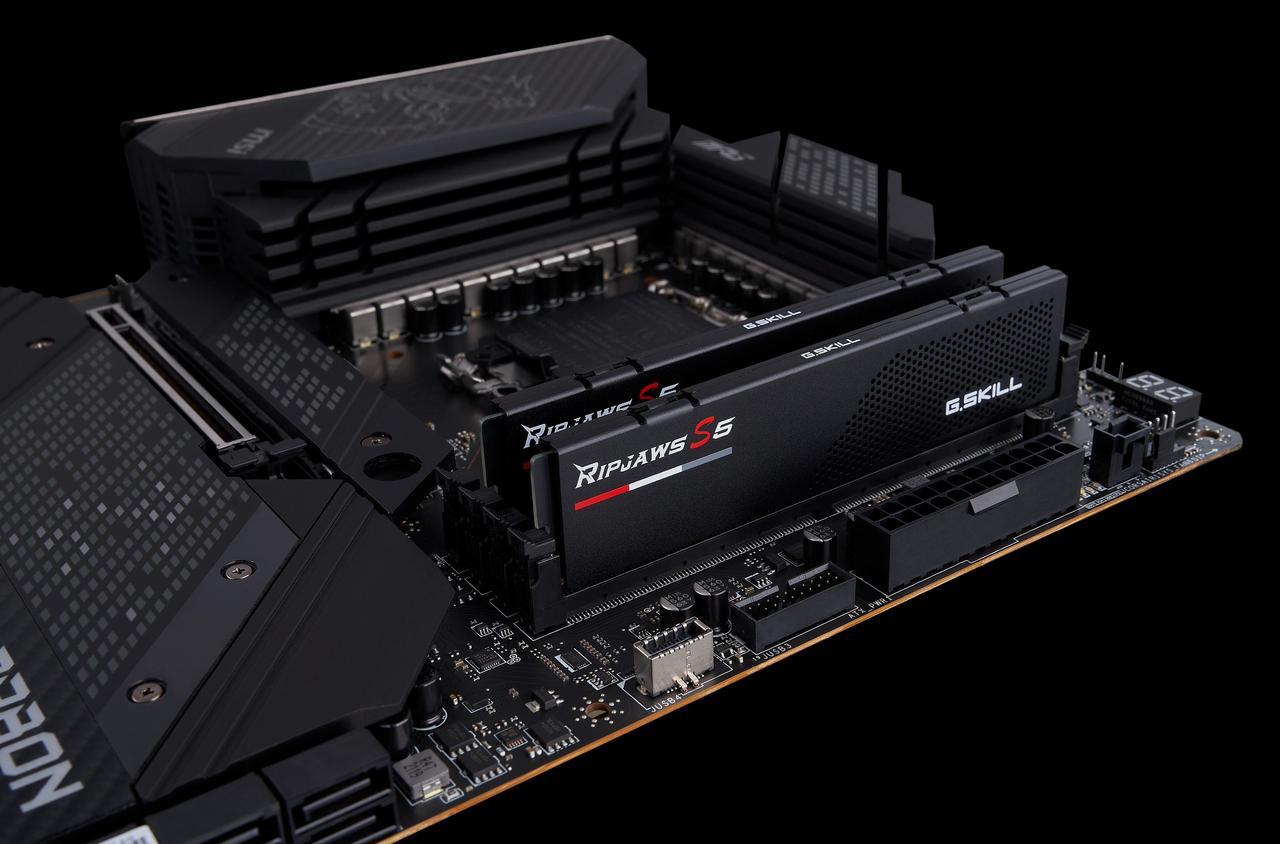
No component has been hit harder than memory (DRAM) and storage (NAND Flash).
Why it’s happening:
-
HBM is consuming wafer capacity
AI accelerators depend on High Bandwidth Memory—a product dramatically more complex and wafer-intensive than consumer DDR5. Memory manufacturers like Micron, SK Hynix, and Samsung are prioritizing HBM because demand and margins are soaring. -
Contract DRAM prices have surged 70%–170% YoY
This has an immediate impact on system RAM pricing, especially 32GB and 64GB kits commonly used in modern gaming PCs. -
Enterprise SSD demand is reshaping NAND allocation
Large quantities of NAND are now diverted to data centers, tightening supply for consumer NVMe SSDs—particularly high-volume models like 2TB and 4TB Gen4/Gen5 drives.
The result:
Memory and SSDs—once predictable and steadily declining in cost—are now experiencing their steepest rise in years.
B. GPU Costs Are Rising Through the VRAM Supply Chain
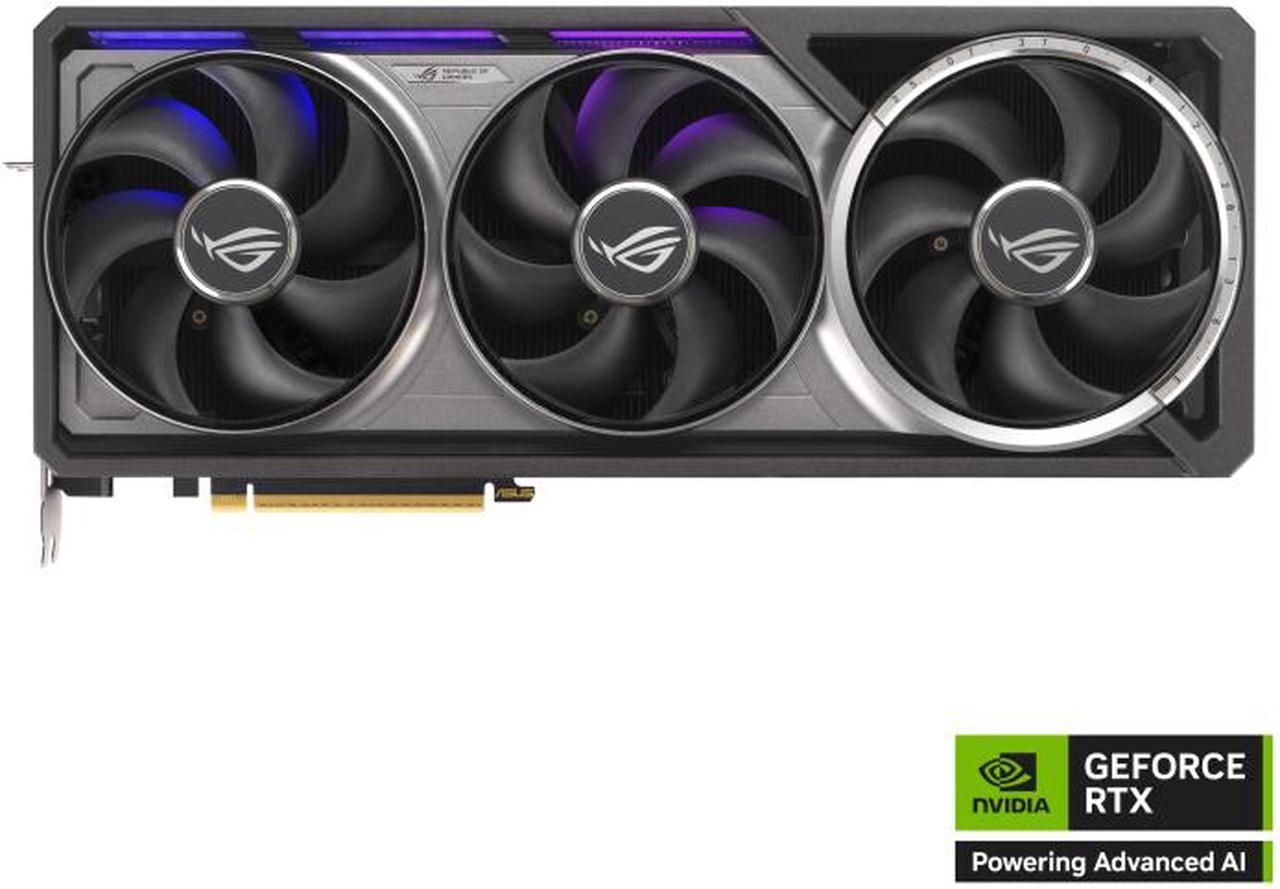
Graphics cards are also feeling the effect—not from GPU silicon shortages, but from the GDDR memory each card relies on.
Key shifts:
-
GDDR6/GDDR7 production depends on the same strained DRAM supply chain.
-
Even small increases in VRAM pricing ripple into GPU MSRP after manufacturer margins.
-
Some industry insiders believe OEMs may reduce or discontinue low-margin, budget-tier GPUs that use large VRAM capacities, because those models become unprofitable during a DRAM surge.
This means that the new entry-level “sweet spot” for PC gaming may shift upward in price.
C. Prebuilt OEMs Are Issuing Broad Price Resets
DIY builders feel these increases immediately—but major OEMs are now following.
-
CyberPowerPC implemented a price adjustment on December 7.
-
Dell is preparing 15–20% increases across desktops and laptops beginning mid-December.
-
Lenovo has reportedly notified business clients that all quotes expire on January 1, 2026, signaling a new pricing baseline in the new year.
This combination of supply pressure and OEM repricing means the Gaming PC market is entering a phase where upward adjustments will be more common—and steep.
2. DIY vs. Prebuilt: The Value Equation Has Now Flipped
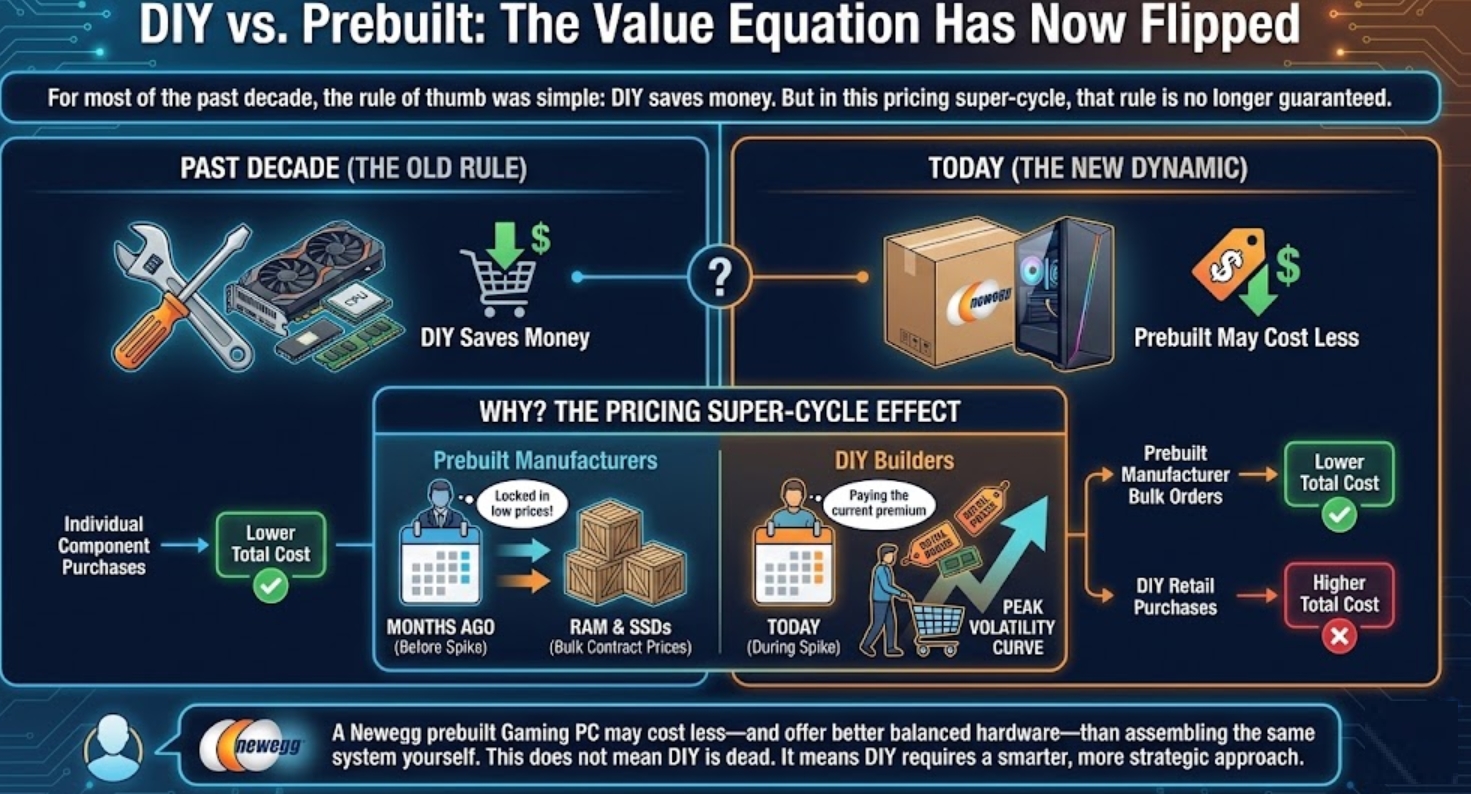
For most of the past decade, the rule of thumb was simple:
DIY saves money.
But in this pricing super-cycle, that rule is no longer guaranteed.
Why?
Prebuilt manufacturers purchased large volumes of RAM and SSDs months before the spike—at lower contract prices. Meanwhile, DIY builders shopping today must purchase at retail, often at the peak of the volatility curve.
This creates a surprising new dynamic:
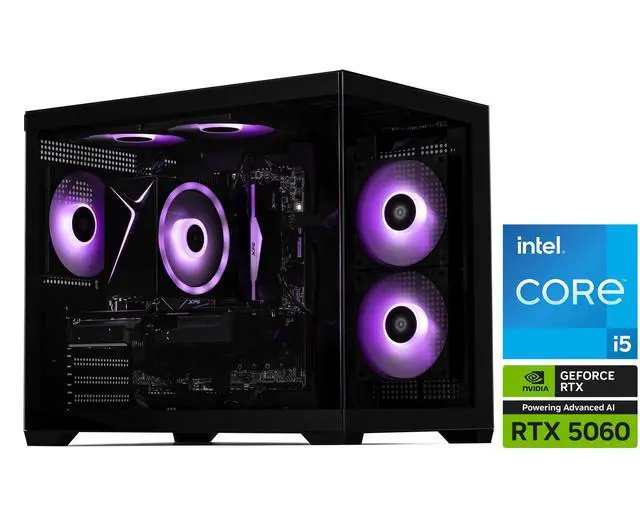
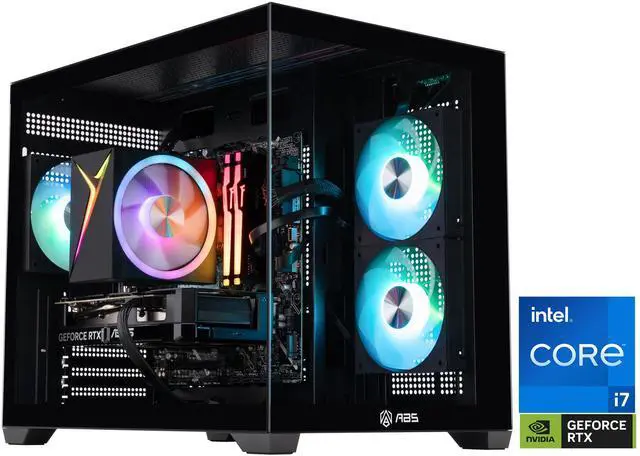
A Newegg prebuilt Gaming PC may cost less—and offer better balanced hardware—than assembling the same system yourself.
This does not mean DIY is dead. It means DIY requires a smarter, more strategic approach. read more 10 Best Prebuilt Gaming PCs for 2025
3. Strategic Buying: How Newegg Shoppers Can Stay Ahead
Newegg provides a uniquely powerful ecosystem during market volatility. Here’s how to use it to your advantage.
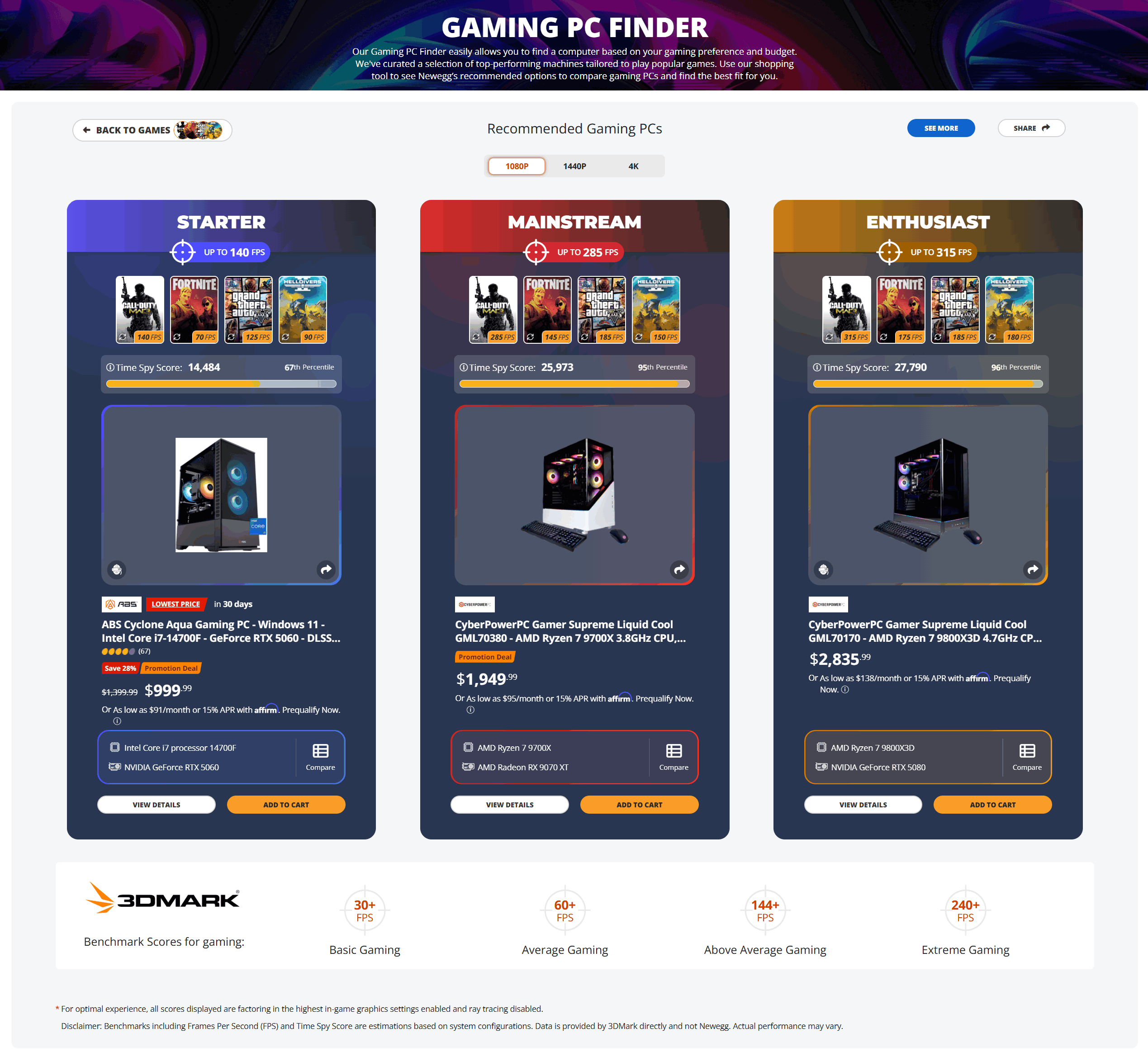
1. Use Gaming PC Finder to Avoid Overpaying for Specs You Don’t Need
In volatile markets, it’s easy to overspend on components that don’t actually improve your gaming performance.
As covered in the Insider feature “Newegg Gaming PC Finder: A Smart Tool for Every Gamer,” Gaming PC Finder filters systems based on the games you play, your resolution, and target frame rate—not just specs.
This prevents budget waste during a time when memory and SSD pricing are disproportionately high.
Example:
-
Going from 32GB to 64GB RAM may cost far more than the performance gain it delivers.
-
But moving from an RTX 5070 Ti to an RTX 5080 may dramatically improve your FPS.
Gaming PC Finder helps you sort that out instantly. Read more Newegg Gaming PC Finder – Smart Tool for Every Gamer
2. Use Newegg PC Builder as a Cost-Comparison Engine
Our article “How Newegg PC Builder Is Revolutionizing DIY Computing” explains why PC Builder is essential in 2025:
-
Compare DDR4 vs. DDR5 pricing instantly
-
See the real cost impact of moving from a 1TB to a 2TB NVMe SSD
-
Check how much budget is freed by choosing a Gen4 vs. Gen5 SSD
-
Ensure your chosen GPU isn’t bottlenecked by a weaker CPU
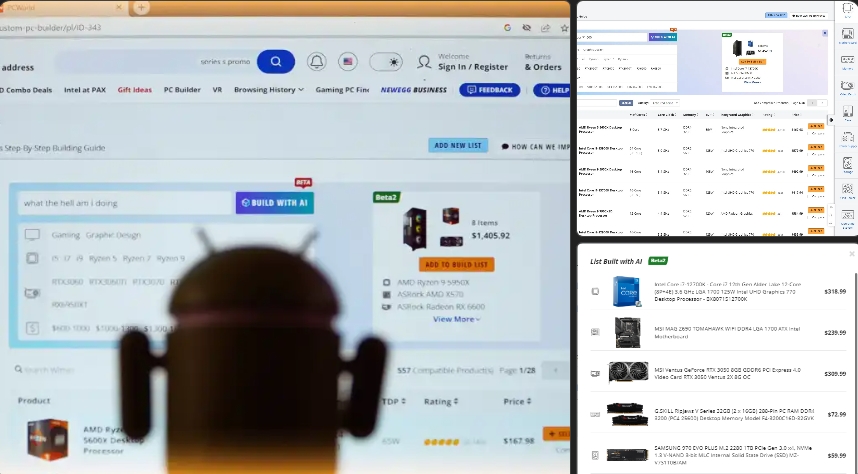
When RAM and SSD pricing can swing by double-digit percentages in a single quarter, these insights are invaluable. Read more How Newegg PC Builder Is Revolutionizing DIY Computing
3. Leverage Seasonal Sales as Strategic Opportunities
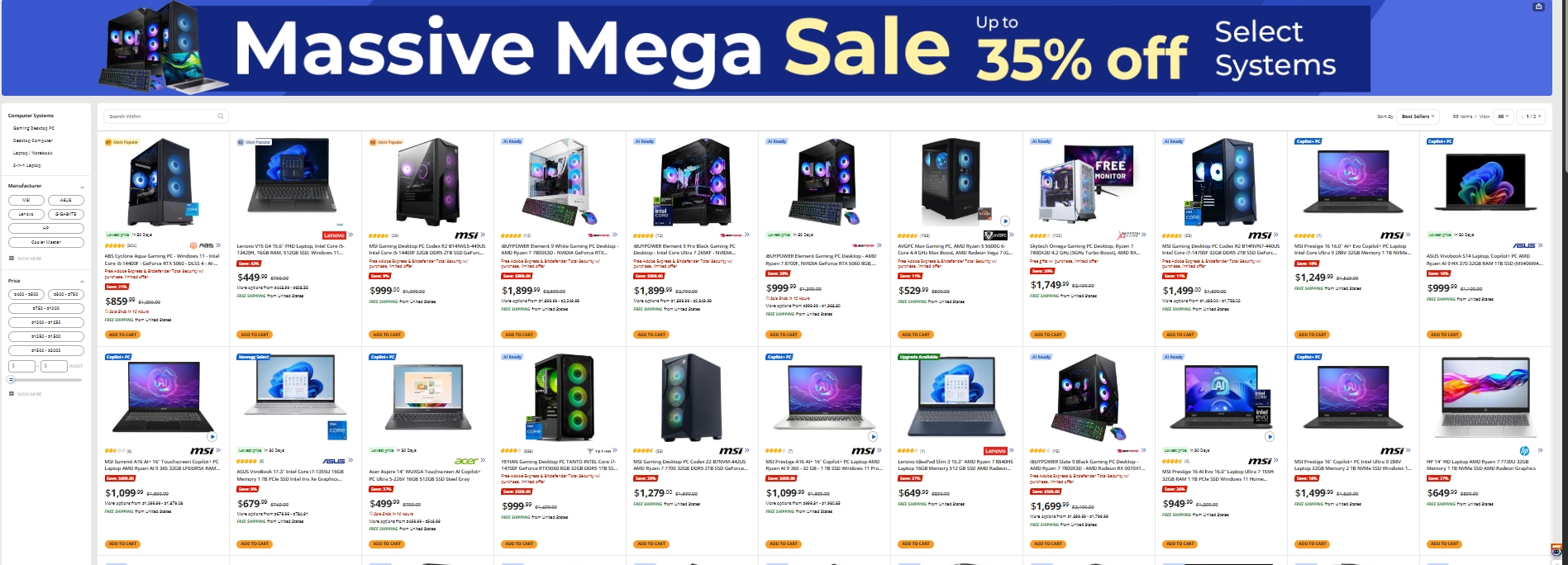
As detailed in “Massive Mega Sale: A Step-by-Step Guide to the Best PC & Laptop Deals,” Newegg’s major promotion cycles—including:
-
Black Friday
-
Cyber Week
-
Dealcember
—can temporarily negate market-driven price increases by offering promotional value beyond normal seasonality.
With component volatility rising, these sale windows become critical lock-in opportunities. Read more : Massive Mega Sale: A Step-by-Step Guide to the Best PC & Laptop Deals
4. Practical Buyer Profiles: What Should You Do?
| Buyer Type | Best Move Right Now | Why |
|---|---|---|
| Need a PC Now | Prefer a prebuilt | OEM inventory was purchased pre-spike; better value than DIY |
| DIY Soon | Buy RAM + SSD now, hold GPU/CPU | Memory & NAND volatility is the highest |
| Budget-Conscious | Stick to 32GB DDR5, avoid price-inflated capacities | Best performance-per-dollar and future-proofing |
| Deal Hunters | Watch Newegg’s Mega Sales and set alerts | May be the only chance to beat inflated market prices |
| High-End Builders | Build incrementally; prioritize GPU first | GPU availability is stable; RAM/SSD costs may rise further |
The Gaming PC Market Has Entered a New Era—But Smart Shoppers Can Still Win
The era of predictable, gradually declining PC component prices is on pause. The rise of AI infrastructure, wafer reallocations toward HBM, GDDR supply strain, and OEM repricing is reshaping the economics of gaming hardware.
But Newegg shoppers have an advantage.
By understanding the forces behind the Component Cost Super-Cycle, using Newegg’s tools wisely, and planning strategically, you can still build or buy a powerful gaming rig without overspending.
Stay informed. Build smart. And make the market work for you—not the other way around