




 here!
I’m your shopping assistant for PC builds, upgrades, and everything tech.
Got questions? Ask away!
Start a conversation
here!
I’m your shopping assistant for PC builds, upgrades, and everything tech.
Got questions? Ask away!
Start a conversationShipped by Hebei XG Technology Co., Ltd.




Any questions? Ask CelesteSM will help you find out quickly.
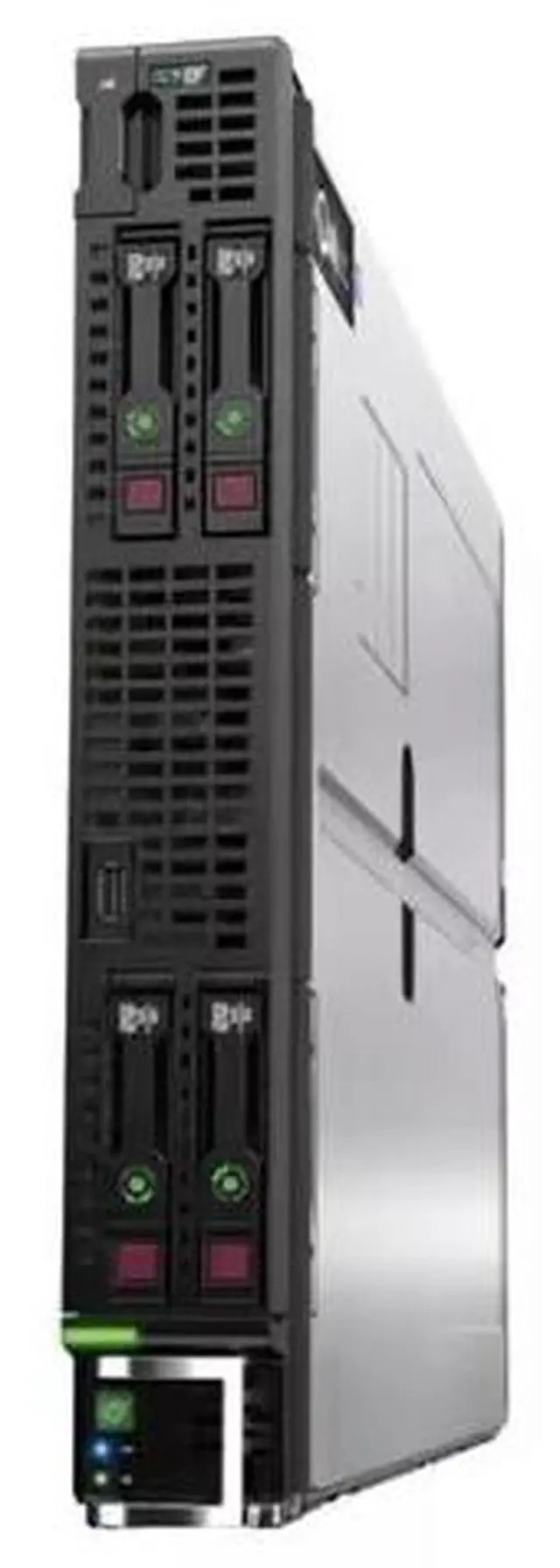
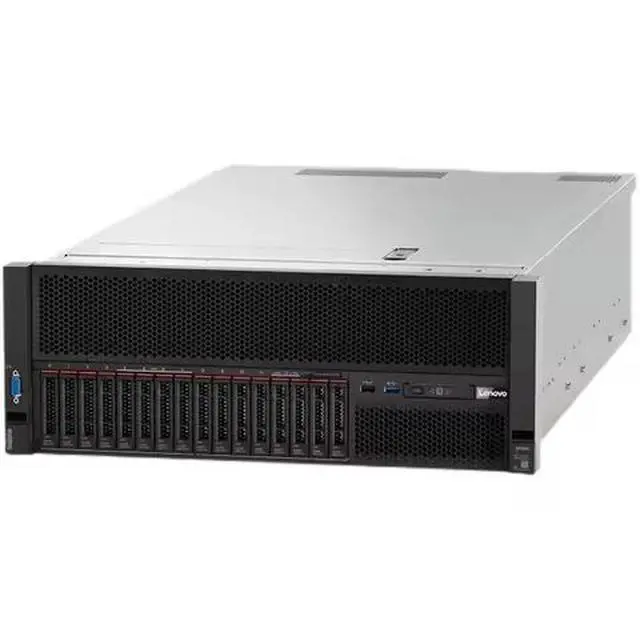
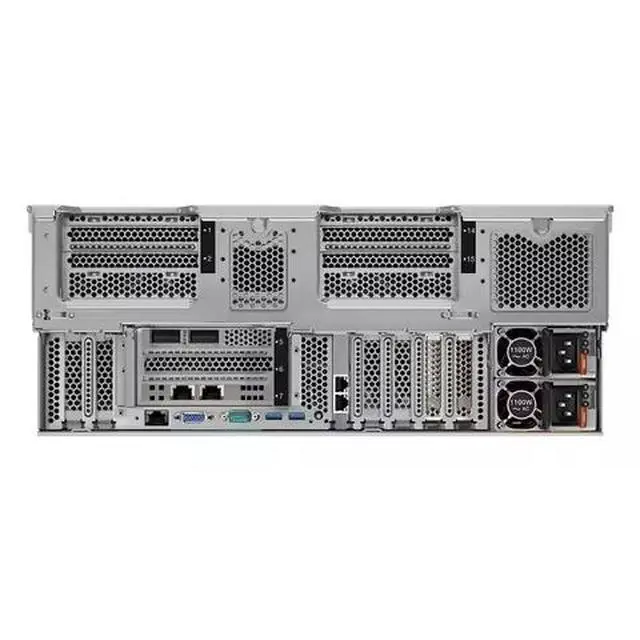
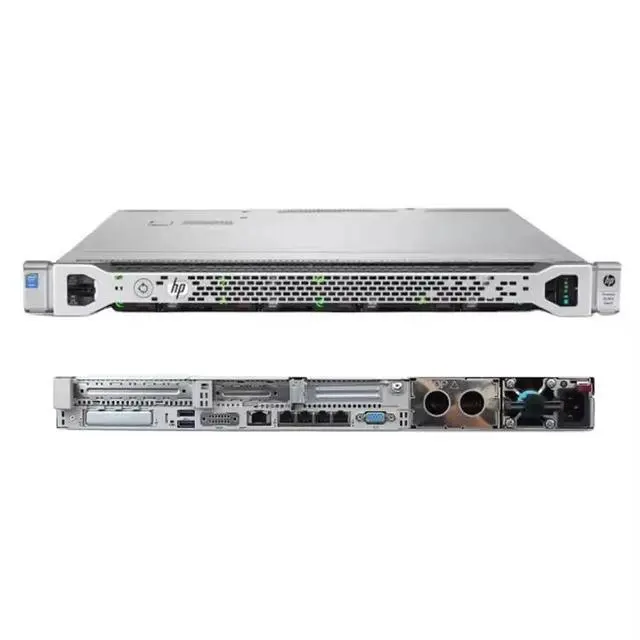
The HPE DL360 Gen11 8SFF CTO is a 1U rack server barebone built for businesses and IT teams that want a compact platform for custom deployment, with 8 small-form-factor drive bays, a 4-port Gigabit Ethernet adapter, and an MR408i-O RAID controller for storage-focused edge, branch, or datacenter builds.
| Attribute | Value |
|---|---|
| Best For | 1U rack server deployments using Intel Xeon Scalable processors for enterprise and data-center compute environments |
| Processor And Platform | Supports an Intel Xeon Scalable CPU on the catalog-listed Rack socket platform |
| Model Identifiers | HPE DL360 Gen11 model in the 1U Rack Server series, cataloged under the Inspur brand |
Q: Should I choose the HPE DL360 Gen11 8SFF or the HPE DL380 Gen11?
A: Choose the HPE DL360 Gen11 8SFF when rack density and compute per rack unit matter more than internal expansion. The DL360 is a 1U, two-socket platform aimed at compute-dense virtualized and containerized workloads, while the DL380 Gen11 is a 2U system with more room for memory, PCIe expansion, and storage growth. If you expect to add more drives, more adapters, or build around larger in-chassis expansion, the DL380 is the better fit. If you want a compact enterprise server with strong CPU capability in less rack space, this DL360 configuration is the more practical choice.
Q: Is the HPE DL360 Gen11 better than a 1-socket HPE DL320 Gen11 for virtualization?
A: Yes, the DL360 Gen11 is the better choice when you need more headroom for virtualization, consolidation, or higher VM density. The key difference is platform scale: the DL320 Gen11 is a 1U single-socket design aimed at lower-cost edge and general-purpose deployments, while the DL360 Gen11 is a 1U two-socket platform built for higher compute and memory capacity. Choose the DL320 when lower platform cost and simpler deployment matter most. Choose this DL360 when you need stronger long-term scaling in CPU, memory, and I/O within the same 1U footprint.
Q: Should I buy this HPE DL360 Gen11 8SFF CTO model or a lower-end single-CPU DL360 Gen11 configuration?
A: Choose this 8SFF CTO model if you want a flexible enterprise starting point that can be built around your exact storage and networking plan. Its value is in the chassis and platform features: 1U form factor, 8 SFF bays, a 4-port 1GbE adapter, and the MR408i-o RAID controller. A lower-end preconfigured DL360 Gen11 can be the better option when you want a faster time to deployment and already know a modest single-CPU, lower-memory build is enough. Choose the CTO version when configurability matters more than having a fixed starter configuration.
Q: Is the HPE DL360 Gen11 worth choosing over a DL360 Gen10 Plus?
A: Choose the DL360 Gen11 when you want the newer platform for current Intel Xeon Scalable generations, DDR5 memory support, and PCIe Gen5-era expansion. The practical decision is less about the model name and more about lifecycle and platform direction: Gen11 is the better fit for new deployments where you want longer runway for parts availability and current-generation infrastructure planning. A DL360 Gen10 Plus can still make sense when budget matters more than platform freshness, but for a new enterprise rollout this Gen11 model is the more forward-looking choice.
Q: Is this a complete ready-to-run server, or a CTO barebone that still needs parts before deployment?
A: This is best treated as a CTO barebone configuration, not a fully populated ready-to-run server. The listing confirms a 1U DL360 Gen11 chassis with 8 SFF bays, a 4-port Gigabit Ethernet adapter, an MR408i-O RAID controller, and rack rails, but buyers should expect to verify whether CPU, memory, storage drives, and OS are included before purchase. It is most suitable for organizations that want to choose and install their own components.
Q: Who is this server suitable for?
A: This model is suited to IT teams, labs, and businesses that need a compact 1U rack server and already know how they want to configure compute and storage. Its 8 x 2.5-inch bays, hardware RAID card, and included rails make it a practical fit for virtualization, general infrastructure, and dense rack deployments where space efficiency matters more than quiet operation or plug-and-play simplicity.
Q: Is 8 x 2.5-inch SFF storage enough for most server workloads?
A: An 8-bay 2.5-inch SFF layout is a good fit for buyers who prioritize rack density, SSD performance, and flexible RAID layouts over maximum raw capacity per drive. It works well for operating system drives, virtual machines, and fast shared storage, but buyers needing the lowest cost per terabyte or very large bulk storage may find the smaller 2.5-inch form factor more limiting.
Q: Does the included MR408i-O RAID controller make this a better choice for buyers who want local storage redundancy?
A: Yes, the included RAID controller is a meaningful advantage for buyers planning multi-drive internal storage, because it supports structured local disk management instead of relying on a basic non-RAID setup. That said, RAID improves availability, not backup, so this server makes more sense for buyers who want internal redundancy and performance control and still plan separate backup protection.
Q: Is this a good fit if I want a quiet, simple office or home server?
A: Usually no. This is a 1U rack server intended for rack environments, not for quiet desk-side use or simple consumer setup. Buyers who want easy installation, low noise, and minimal hardware planning may find a CTO 1U platform less practical than a more appliance-like system. This model is a better fit when rack mounting, component choice, and enterprise-style deployment are the priority.
Q: Is this a good fit for virtualization or lab use?
A: Yes, if you need a current 1U platform for virtualization, testing, or dense rack deployment. Reddit and YouTube discussions around DL360 Gen11 commonly frame it as a modern server for hypervisors and mixed enterprise workloads. The main trade-off is that this listing is a CTO barebones configuration, so final suitability depends heavily on how you plan to add CPU, memory, storage, and licenses.
Q: Should I buy this CTO version if I want a ready-to-run server?
A: Only if you are comfortable configuring the rest of the system yourself. This listing clearly indicates a CTO server with chassis, 8 SFF bays, 4-port Gigabit Ethernet, MR408i-O RAID, and rails, but not a complete ready-to-deploy specification. It is better suited to buyers who already know their CPU, RAM, drive, and software stack requirements than to buyers looking for a fully populated turnkey server.
Q: Is the included MR408i-O RAID controller a good reason to choose this configuration?
A: Yes, if you want hardware RAID from the start. Reddit discussions about Gen11 storage setup repeatedly show that buyers run into limitations or confusion with software RAID and VROC on HPE Gen11 systems, especially when planning larger or simpler multi-drive arrays. A configuration that already includes the MR408i-O is a safer choice for buyers who want conventional hardware RAID behavior.
Q: What are the main trade-offs of this 8SFF 1U configuration?
A: The main advantage is storage density in a compact 1U chassis. The trade-offs are configurability limits that matter more in enterprise storage planning, such as backplane and controller layout constraints discussed by Gen11 buyers. In practice, this type of build is best for buyers who want a dense general-purpose server, not for buyers who need unusually flexible multi-controller storage designs.
Q: Who is this server not ideal for?
A: It is not ideal for buyers who want a quiet, low-power, home-friendly system or a simple appliance-style setup. Community discussion around rack servers in this class often highlights noise, power, and complexity as downsides compared with smaller systems. This model makes more sense in a rack, lab, or data center context than as a casual home server.


