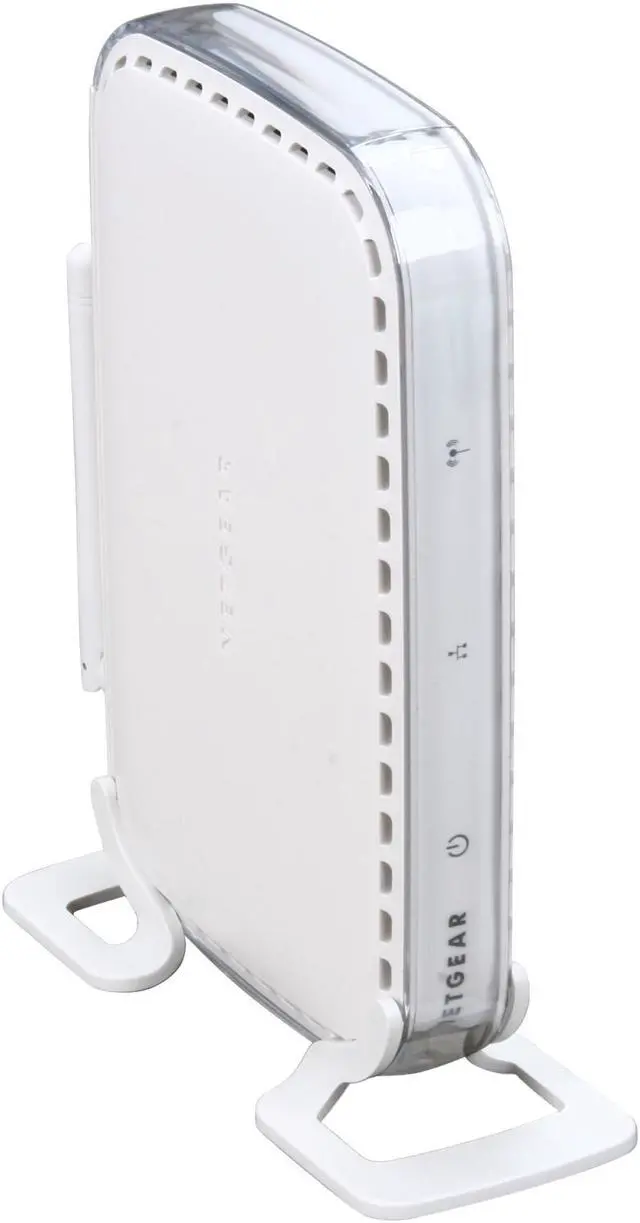
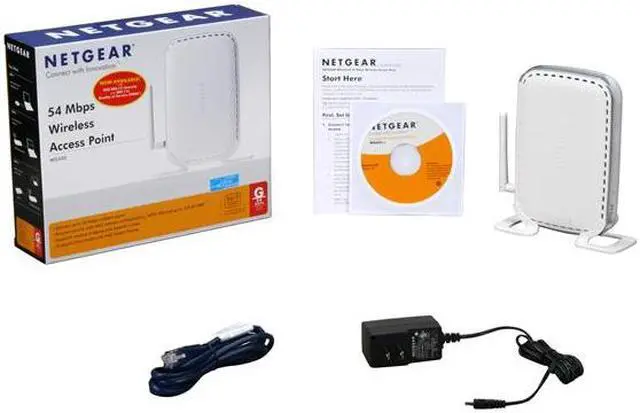
| Standards | IEEE 802.3/3u, IEEE 802.11b/g |
|---|
| Wireless Data Rates | Up to 54Mbps |
|---|
| Security | 40-bit (also called 64-bit), 128-bit WEP encryption, MAC Address filtering, 802.11i |
|---|
| Frequency Band | 2.412 ~ 2.462 GHz (US) 2.412 ~ 2.484 GHz (Japan) 2.412 ~ 2.472 GHz (Europe ETSI) 2.457 ~ 2.462 GHz (Spain) 2.457 ~ 2.472 GHz (France) |
|---|
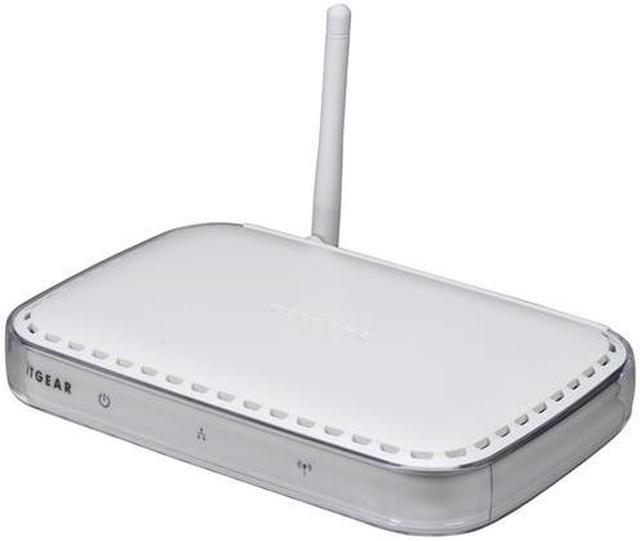
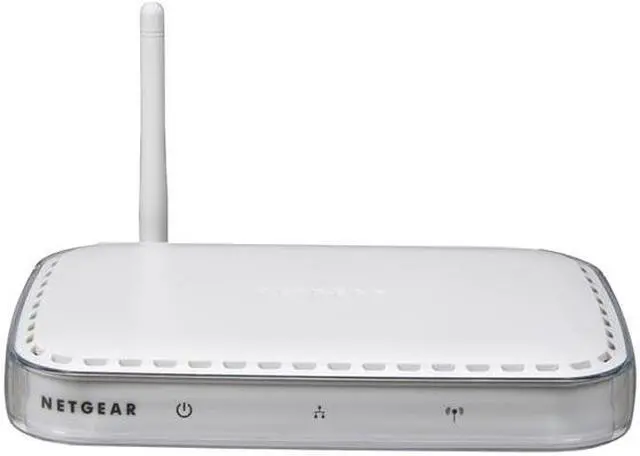
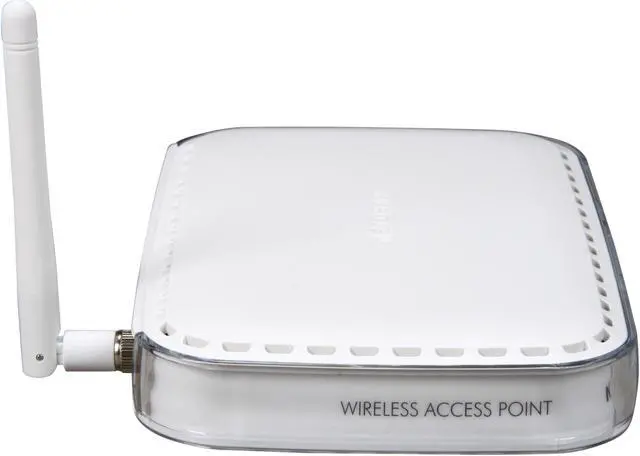
| Antenna | Single detachable 2 dBi antenna Transmit Power: 16 dBm |
|---|
| Modulation | OFDM with BPSK, QPSK, 16QAM, 64QAM, DBPSK, DQPSK, CCK |
|---|
| System Requirements | Pentium Class PC Microsoft Windows 98SE, ME, 2000 or XP |
|---|
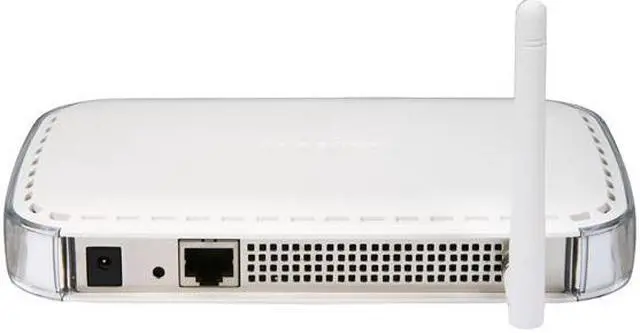
| Interface | Ethernet Port |
|---|
| WAN Ports | 1 x 10/100M |
|---|
| Power Adapter | 7.5V, 1A; plug is localized to country of sale |
|---|

Pros: Supports WDS. Makes it easy to setup a multi point WiFi area. Easily configured as either a single or multi point wireless bridge or repeater and all these modes allow servicing of wireless clients. Range is good but since the stock antenna is detachable, the range can be improved with an aftermarket antenna (with reverse SMA female connector).
Cons: A little on the expensive side, but since they work and are 100% reliable it’s worth it. No DHCP server built in, it’s an access point not a router. You must provide a separate router to hand out IP addresses as the clients connect (I’m using a WGR614 router with my setup).
Overall Review: Good, reliable piece of hardware, extremely flexible wireless building block that can be configured to do what you want. Running two of these in bridged mode 24/7 for 3 weeks now, clients can connect to any node and they have been 100% rock solid. Just set them up correctly and forget them. The manual says to use the same SSID name for the bridge nodes but I used different SSID names so I could tell which node I was connecting to and it worked fine. I recommend not putting any spaces in the SSID name. Manual also say repeaters must have the same SSID name, don’t know about that, I haven’t tried a repeater yet. The channels must be the same in all modes.