

Your Browsing History

Meet Your Seller

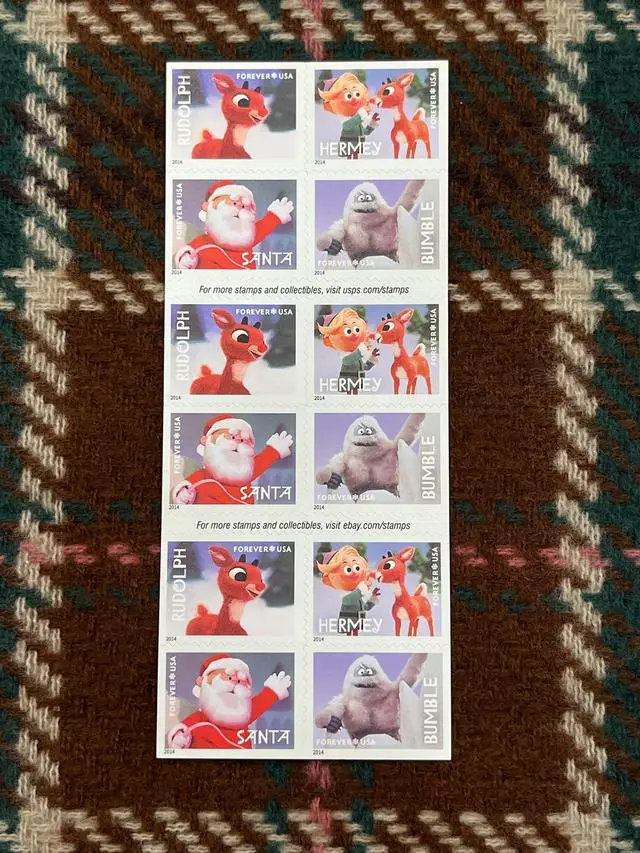
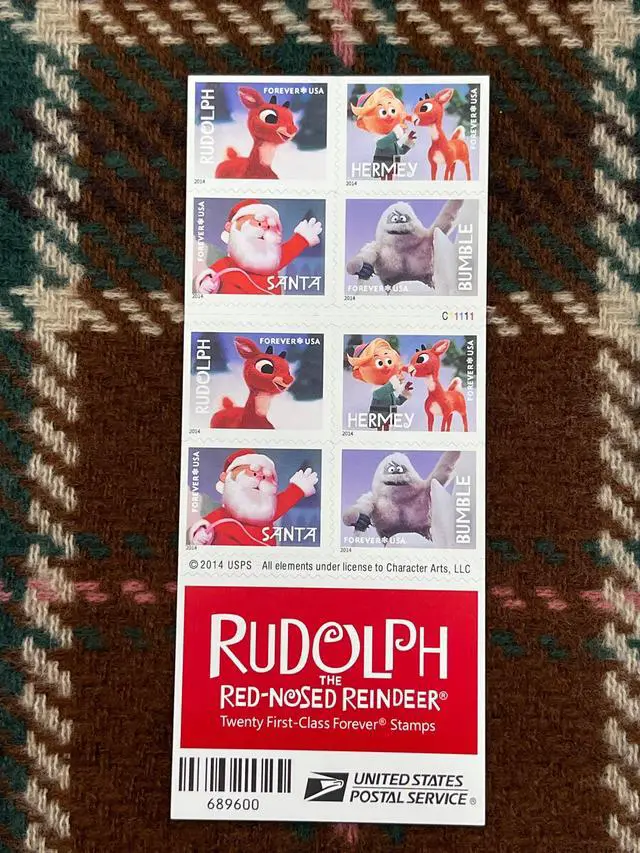


US Stamps 2014 the Red-Nosed Reindeer 5 Sheets of 20
- US Stamps 2014 the Red-Nosed Reindeer 5 Sheets of 20 Rudolph The Red-Nosed Reindeer On December 6, 1964, Rudolph the Red-Nosed Reindeer first premiered on television. In the 1930s, Chicago-based retail store Montgomery Ward bought and gave away coloring books to children every year for Christmas. In 1939, they decided it would be easier to create their own book and tasked copywriter Robert May with crafting a fun story for their new book. May knew the story would be about a reindeer and first considered naming it Rollo or Reginald before deciding on Rudolph. While sitting in his office considering how to write the story, he looked out the window to see a thick fog rolling in over Lake Michigan. As he later recalled, Suddenly I had it! A nose! A bright red nose that would shine through the fog like a spotlight! May consulted often with his four-year-old daughter Barbara as he composed the tale, changing the story to please her. He designed the story as a poem, matching the popular A Visit from St. Nicholas. When shown the finished story, Mays employer asked, Cant you come up with anything better? But the executive agreed to publish Mays fable of an adventurous reindeer, and customers snatched up 2.4 million copies in that first year. Nearly a decade later, the story was turned into a cartoon by Max Fleisher to promote Montgomery Ward stores. Then in 1949, Mays brother-in-law turned the poem into a song, popularly performed by Gene Autry. The tune, which differed som
+
+
Overview
Specs
Reviews

Any questions? Our AI mode will help you find out quickly.
Try me now
US Stamps 2014 the Red-Nosed Reindeer 5 Sheets of 20 Rudolph The Red-Nosed Reindeer On December 6, 1964, Rudolph the Red-Nosed Reindeer first premiered on television. In the 1930s, Chicago-based retail store Montgomery Ward bought and gave away coloring books to children every year for Christmas. In 1939, they decided it would be easier to create their own book and tasked copywriter Robert May with crafting a fun story for their new book. May knew the story would be about a reindeer and first considered naming it Rollo or Reginald before deciding on Rudolph. While sitting in his office considering how to write the story, he looked out the window to see a thick fog rolling in over Lake Michigan. As he later recalled, Suddenly I had it! A nose! A bright red nose that would shine through the fog like a spotlight! May consulted often with his four-year-old daughter Barbara as he composed the tale, changing the story to please her. He designed the story as a poem, matching the popular A Visit from St. Nicholas. When shown the finished story, Mays employer asked, Cant you come up with anything better? But the executive agreed to publish Mays fable of an adventurous reindeer, and customers snatched up 2.4 million copies in that first year. Nearly a decade later, the story was turned into a cartoon by Max Fleisher to promote Montgomery Ward stores. Then in 1949, Mays brother-in-law turned the poem into a song, popularly performed by Gene Autry. The tune, which differed some from the book, was the number one song that Christmas and sold 2.5 million copies its first year. It would go on to become the second best-selling record of all time into the 1980s. In the coming years, the tale of Rudolph would also be adapted for comic books as well as another childrens book from Little Golden Books. In 1964, 25 years after the original book was produced, the story was adapted once again, into the beloved stop-motion animation television special by Rankin and Bass. When the producers were planning the special, they couldnt find a copy of the book, so they based their story on the song and added in some new characters Hermey the elf, Yukon Cornelius, Clarice, the Abominable Snow Monster, and Sam the living Snowman. The animation was filmed in Tokyo, Japan, and the sound recording was done in Toronto, Canada. The 55-minute film premiered on December 6, 1964. It became an instant classic and has been shown on TV every year since, making it the longest continuously running Christmas special in TV history. In the years since its release, there have been several sequels Rudolphs Shiny New Year (1976), Rudolph and Frostys Christmas in July (1979), and Rudolph the Red-Nosed Reindeer and the Island of Misfit Toys (2001). The condition of the stamp is as shown in the image and is suitable for paying postage or collecting.
Warranty & Returns
Warranty, Returns, And Additional Information
Warranty
- Please contact the Seller directly for warranty information. Warranty information may also be found on the Manufacturer's website.
- CONTACT
Return Policies
- Return for refund within: 30 days
- Return for replacement within: 30 days
- This item is covered by EpicTransTrade Return Policy
Manufacturer Contact Info
- For a directory of all our manufacturers, please click below.
- Manufacturers Directory
LOADING...