

Your Browsing History

Meet Your Seller

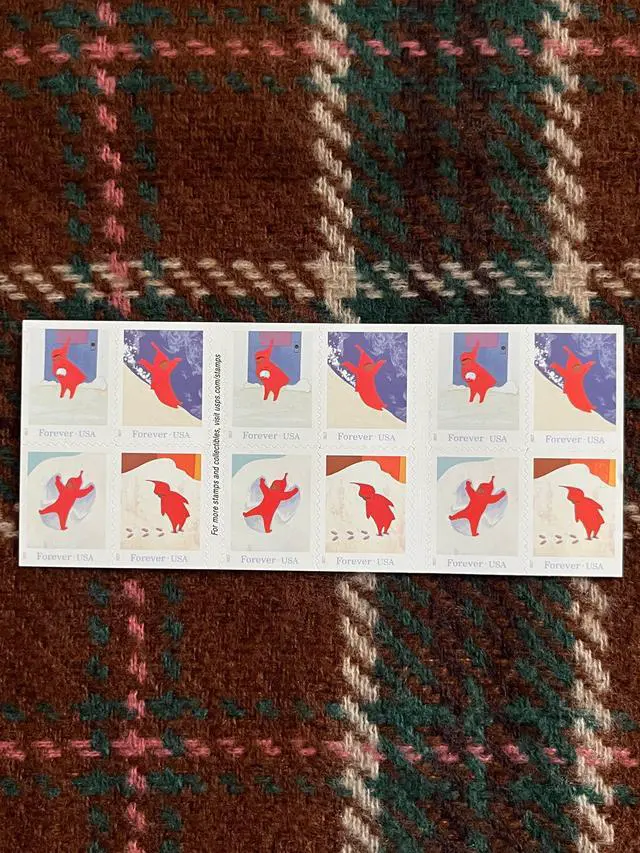
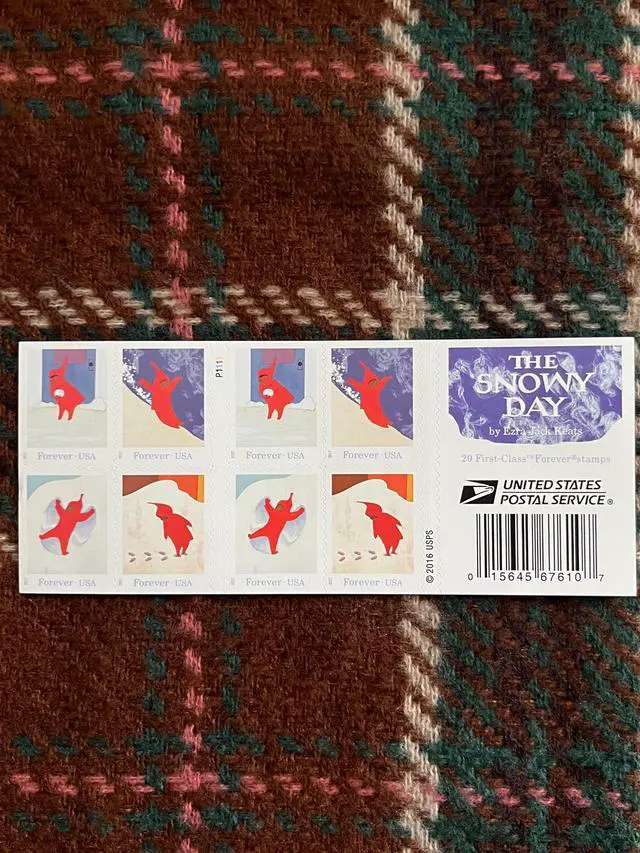


US Stamps The Snowy Day 5 Sheets of 20
- US Stamps The Snowy Day 5 Sheets of 20 Birth Of Ezra Keats Writer and illustrator Ezra Jack Keats was born on March 11, 1916, in Brooklyn, New York. Born to poor Polish-Jewish immigrants, Keats enjoyed art from an early age. He was very creative, creating works of art from scraps of wood, cloth, and paper. While Keats father attempted to discourage him from the difficult life of an artist, he also occasionally brought him home tubes of paint. Keats spent a good amount of time at the local library learning about art. He also found some comfort in his school art classes. In junior high he received a medal for drawing that he kept for the rest of his life. He went on to win a national contest in high school for an oil painting and was honored for excellence in art upon graduation. Following his fathers death, Keats had to put art school on hold and worked a variety of jobs, though he was able to take occasional art classes. He was fortunate to find some artistic jobs during this time, as a mural painter and comic book illustrator. When World War II broke out, he was drafted into the Army and designed camouflage patterns for the US Army Air Force. After the war, Keats spent some time in Paris. When he returned to New York, he worked as a commercial artist, with his illustrations appearing in Readers Digest, The New York Times Book Review, and Colliers. Keats also produced the artwork for several popular book jackets and in the 1950s, he exhibited his work at the Associated Am
+
+
Overview
Specs
Reviews

Any questions? Our AI mode will help you find out quickly.
Try me now
US Stamps The Snowy Day 5 Sheets of 20 Birth Of Ezra Keats Writer and illustrator Ezra Jack Keats was born on March 11, 1916, in Brooklyn, New York. Born to poor Polish-Jewish immigrants, Keats enjoyed art from an early age. He was very creative, creating works of art from scraps of wood, cloth, and paper. While Keats father attempted to discourage him from the difficult life of an artist, he also occasionally brought him home tubes of paint. Keats spent a good amount of time at the local library learning about art. He also found some comfort in his school art classes. In junior high he received a medal for drawing that he kept for the rest of his life. He went on to win a national contest in high school for an oil painting and was honored for excellence in art upon graduation. Following his fathers death, Keats had to put art school on hold and worked a variety of jobs, though he was able to take occasional art classes. He was fortunate to find some artistic jobs during this time, as a mural painter and comic book illustrator. When World War II broke out, he was drafted into the Army and designed camouflage patterns for the US Army Air Force. After the war, Keats spent some time in Paris. When he returned to New York, he worked as a commercial artist, with his illustrations appearing in Readers Digest, The New York Times Book Review, and Colliers. Keats also produced the artwork for several popular book jackets and in the 1950s, he exhibited his work at the Associated American Artists Gallery. Keats was first approached to illustrate a childrens book in 1954, for Elisabeth Hubbard Lansings Jubilant for Sure. He would go on to illustrate nearly 70 books for other authors. In 1960, he made his first attempt at writing his own childrens book, My Dog Is Lost. Two years later, Keats published The Snowy Day, his most famous work. The story follows a young child named Peter who experiences the delight of a first snowfall in his neighborhood. This childrens book was one of the first to have an African American as the main character. Keats earned the Caldecott Medal in 1963 for The Snowy Day. Keats would go on to write and illustrate 22 books of his own. His books often featured children from different cultures in urban settings. Keats also always presented his characters with real problems that young readers would understand, including becoming an older sibling, standing up for friends, and dealing with bullies. Keats worked until his death on May 6, 1983. The Ezra Jack Keats Foundation carries on his legacy by promoting childrens literacy and creativity and encouraging equality and diversity in childrens books. The condition of the stamp is as shown in the image and is suitable for paying postage or collecting.
Warranty & Returns
Warranty, Returns, And Additional Information
Warranty
- Please contact the Seller directly for warranty information. Warranty information may also be found on the Manufacturer's website.
- CONTACT
Return Policies
- Return for refund within: 30 days
- Return for replacement within: 30 days
- This item is covered by EpicTransTrade Return Policy
Manufacturer Contact Info
- For a directory of all our manufacturers, please click below.
- Manufacturers Directory
LOADING...