

Your Browsing History

Meet Your Seller

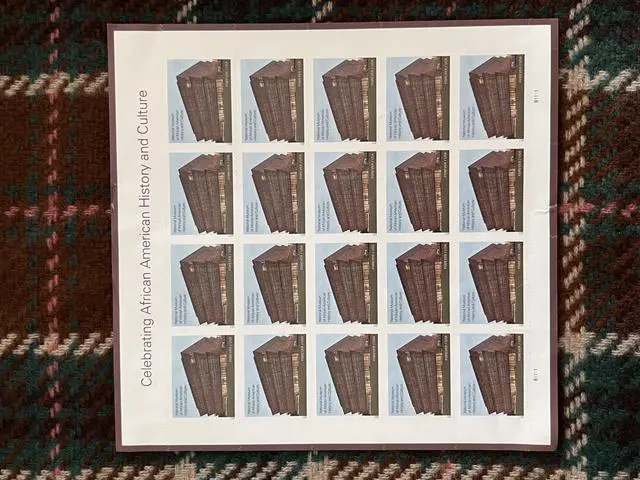
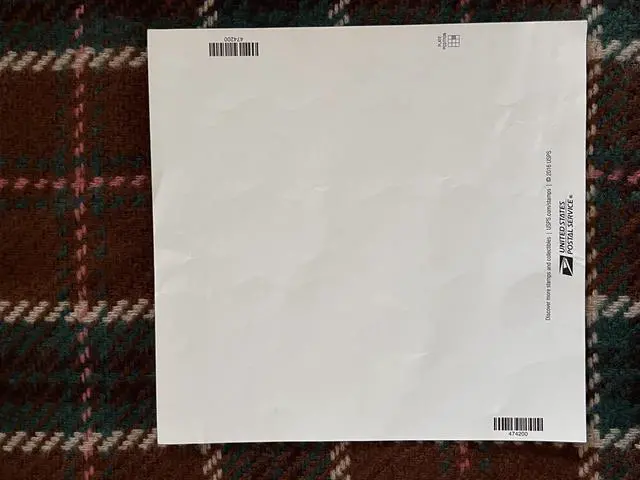


US Stamps 2017 National Museum of African American History and Culture 5 Sheets of 20
- US Stamps 2017 National Museum of African American History and Culture 5 Sheets of 20 Opening Of National Museum Of African American History And Culture On September 24, 2016, the National Museum of African American History and Culture opened in Washington, DC. Calls for a museum honoring African American history and culture date back to 1915. That year, a group of African American Union Army veterans met in Washington, DC for a reunion and parade, but were met with discrimination. After that, the group made plans to create a memorial to African American achievements. After years of efforts, their proposal was received by President Herbert Hoover, who called on Mary Church Terrell, Mary McLeod Bethune, and others to work toward creating a National Memorial Building to African American achievements. However, Congress didnt award funding and private fundraising failed. Over the next several decades, new proposals would surface, but none gained major support. Then in 1981, Congress approved the creation of the National Afro-American Museum in Wilberforce, Ohio. However, some still called for a stand-alone museum in Washington, DC. The attention these calls received inspired the Smithsonian to stage an exhibit, Field to Factory, which in turn gained further support for the museum idea. The museums supporters repeatedly proposed their idea and finally achieved success in 2003. On November 19, the House passed the National Museum of African American History and Culture Act, pro
+
+
Overview
Specs
Reviews

Any questions? Our AI mode will help you find out quickly.
Try me now
US Stamps 2017 National Museum of African American History and Culture 5 Sheets of 20 Opening Of National Museum Of African American History And Culture On September 24, 2016, the National Museum of African American History and Culture opened in Washington, DC. Calls for a museum honoring African American history and culture date back to 1915. That year, a group of African American Union Army veterans met in Washington, DC for a reunion and parade, but were met with discrimination. After that, the group made plans to create a memorial to African American achievements. After years of efforts, their proposal was received by President Herbert Hoover, who called on Mary Church Terrell, Mary McLeod Bethune, and others to work toward creating a National Memorial Building to African American achievements. However, Congress didnt award funding and private fundraising failed. Over the next several decades, new proposals would surface, but none gained major support. Then in 1981, Congress approved the creation of the National Afro-American Museum in Wilberforce, Ohio. However, some still called for a stand-alone museum in Washington, DC. The attention these calls received inspired the Smithsonian to stage an exhibit, Field to Factory, which in turn gained further support for the museum idea. The museums supporters repeatedly proposed their idea and finally achieved success in 2003. On November 19, the House passed the National Museum of African American History and Culture Act, providing funds and a location for the museum. The legislation also included funding for other African American museums to help improve their operations and collections. In 2008, the museums council held a competition to design the 350,000-square foot building, which would include three stories below ground and five above. The winning design was in the shape of an upside down pyramid surrounded by bronze elements, inspired by the crowns used in Yoruban culture The buildings groundbreaking ceremony took place on February 22, 2012. While the building design and construction were underway, the museums officials had to create the collection. So, the museums curators launched a nationwide campaign asking for donations. In the end, generous and supportive citizens donated a collection of about 40,000 artifacts. The museum officially opened to the public on September 24, 2016, with President Barack Obama participating in the dedication ceremony. President Obama and the Bonner family, descendants of escaped slave Elijah B. Odom, rang the Freedom Bell to mark the museums official opening. A tour of the museum begins 70 feet below ground level, tracing history from slavery to emancipation. Exhibits include part of a slave ship, shackles, an auction block, bales of cotton, Harriet Tubmans shawl, and Nat Turners bible. The next section features items from the segregation-era, including a whites only door, Rosa Parks dress, a prison tower, a Ku Klux Klan robe, and a segregated railroad car. There is also a Contemplative Court to reflect on the history inside. The museums upper galleries honor African Americans in art, entertainment, and the military. Exhibits include military medals, Muhammad Alis boxing gloves, Jesse Owens cleats, Althea Gibsons racket, Jimi Hendrixs vest, and Louis Armstrongs trumpet. Together, these relics celebrate African Americans triumph over adversity. By the end of its first year, the museum had three million visitors, with an average of 8,000 people every day, double what planners had anticipated. Click here to discover more about the museum and its collections. The condition of the stamp is as shown in the image and is suitable for paying postage or collecting.
Warranty & Returns
Warranty, Returns, And Additional Information
Warranty
- Please contact the Seller directly for warranty information. Warranty information may also be found on the Manufacturer's website.
- CONTACT
Return Policies
- Return for refund within: 30 days
- Return for replacement within: 30 days
- This item is covered by EpicTransTrade Return Policy
Manufacturer Contact Info
- For a directory of all our manufacturers, please click below.
- Manufacturers Directory
LOADING...