




 here!
I’m your shopping assistant for PC builds, upgrades, and everything tech.
Got questions? Ask away!
Start a conversation
here!
I’m your shopping assistant for PC builds, upgrades, and everything tech.
Got questions? Ask away!
Start a conversationShipped by GUANGZHOU PINTECH CO LTD




Any questions? Ask CelesteSM will help you find out quickly.

PINTECH is a high-tech enterprise specializing in the research, manufacturing and sales of measurement and testing instruments.
Currently, we offer over 70 products, including optical isolation voltage probes, differential probes, high-voltage attenuation rods, current probes, high-voltage amplifiers, power amplifiers, signal generators, oscilloscopes, multimeters, high-voltage power supplies, AC power supplies and DC power supplies.
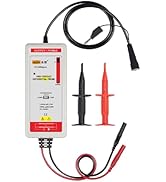
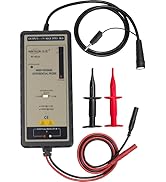
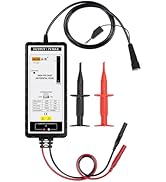
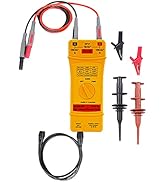
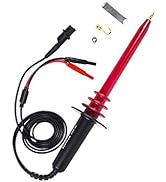
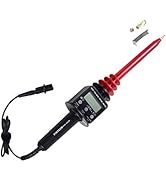
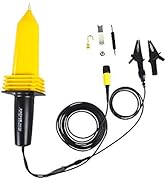
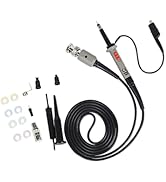
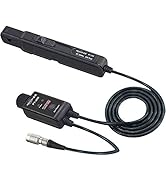
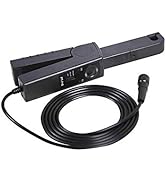
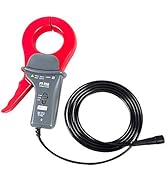
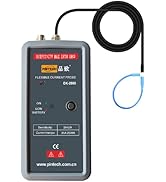
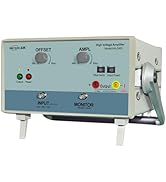
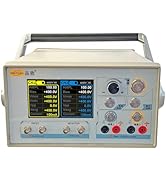
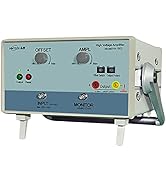
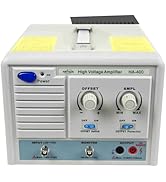

We not only provide professional measuring instruments and equipment, but also have a technical team that can offer professional advice according to your needs.
At PINTECH we have been designing and manufacturing electrical testing equipment since 2006.
PINTECH places great emphasis on pre-sales and after-sales service, prioritizing product quality to provide our customers with cost-effective products.
PINTECH is a high-tech enterprise specializing in the research, manufacturing and sales of measurement and testing instruments.
Currently, we offer over 70 products, including optical isolation voltage probes, differential probes, high-voltage attenuation rods, current probes, high-voltage amplifiers, power amplifiers, signal generators, oscilloscopes, multimeters, high-voltage power supplies, AC power supplies and DC power supplies.
We not only provide professional measuring instruments and equipment, but also have a technical team that can offer professional advice according to your needs.
At PINTECH we have been designing and manufacturing electrical testing equipment since 2006.
PINTECH places great emphasis on pre-sales and after-sales service, prioritizing product quality to provide our customers with cost-effective products.
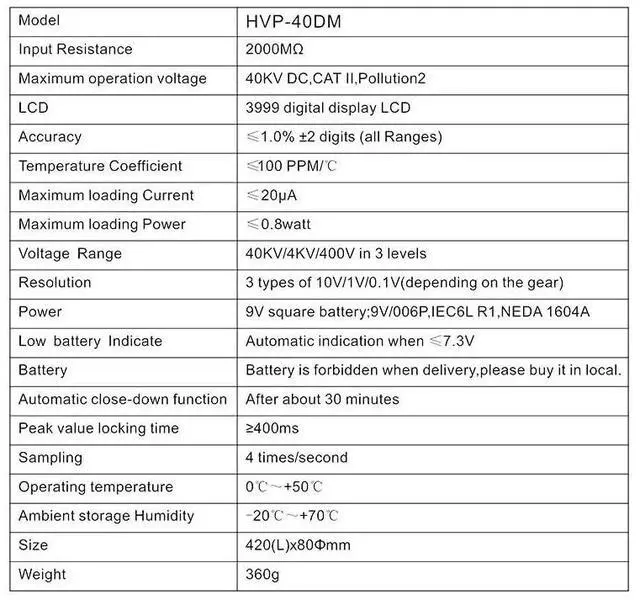
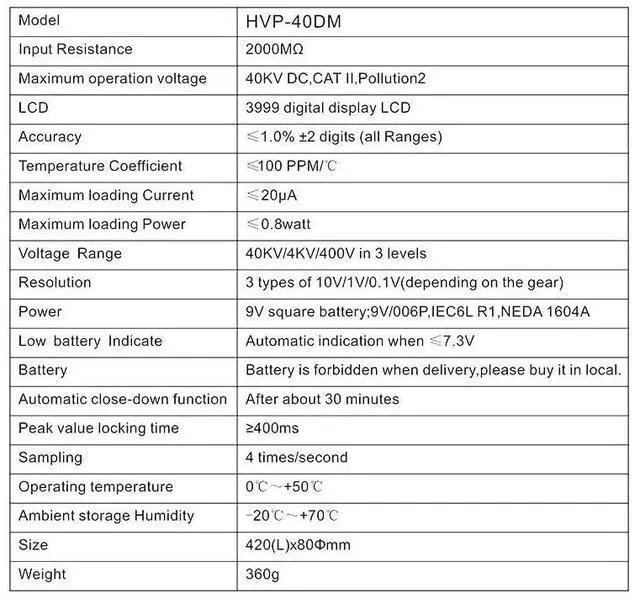
MODEL: HVP-40DM
Input Impedance: 2000M
Max Operation Voltage: 40KV DC , CAT II , Pollution 2
Accuracy: 1.0% ± 2 digits (All Ranges)
Temperature Coefficient: 100ppm /
Maximum Load Current : 20A
Maximum Power of Consumption: 0.8 watt
Voltage Range: 40kV/4kV/400V /br>
Resolution: 3 types of 10V/1V/0.1V
Power: 9V square battery, 9V / 006P, IEC6L R1, NEDA 1604A
Low Power Indication: Automatic indication when 7.3V
Automatic Turn Off:Thirty minutes later
Peak Lock Time: 400 ms
Sampling: 4 times/second
Ground Wire Length: 90cm/35.43in
Weight: 360g/0.79lb
| Brand | PINTECH |
| Power Source | Corded Electric |
| Style | Modern |
| Specification Met | CE |
| Measurement Type | Voltmeter |
| Maximum Operating Voltage | 400 Volts |
| Manufacturer | PINTECH |
| Item model number | HVP-40DM |
| Date First Available | September 17, 2019 |
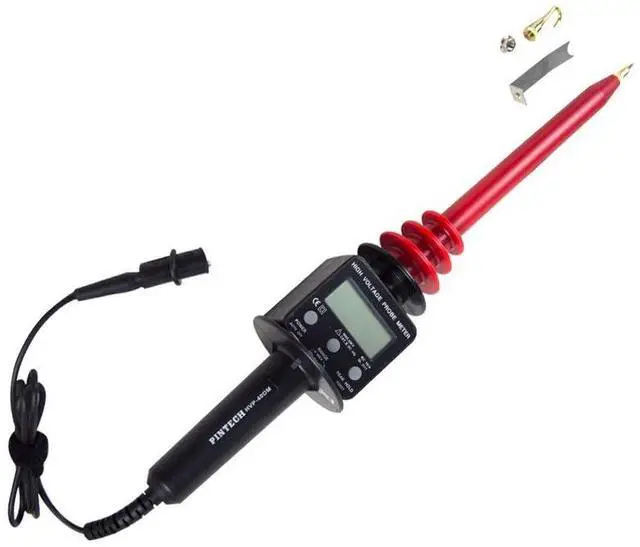
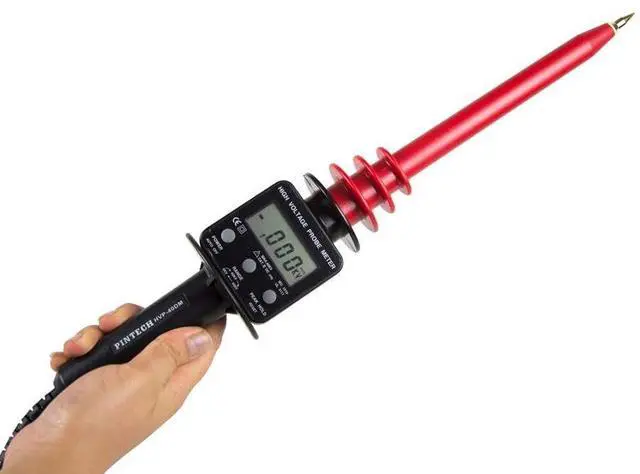
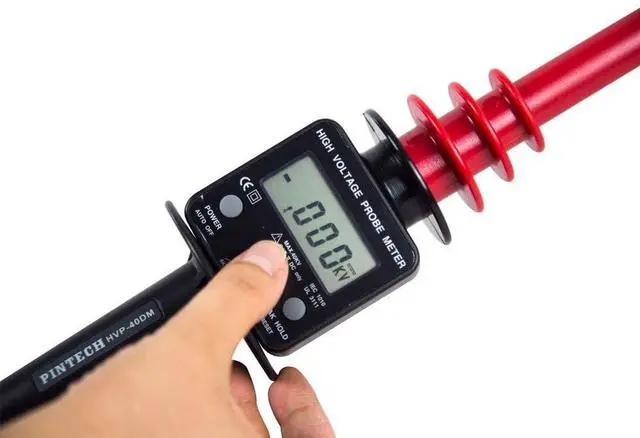
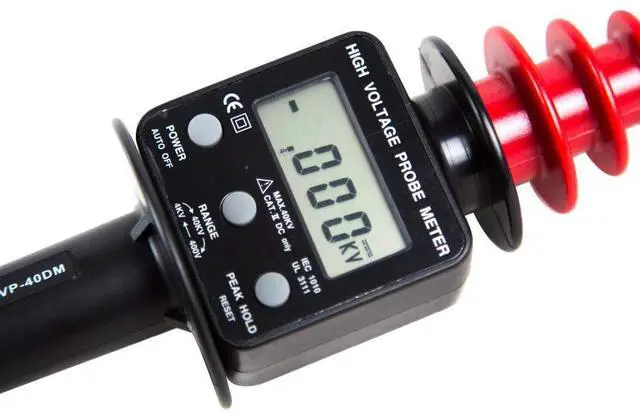
The PINTECH HVP-40DM is a DC high-voltage probe with an integrated LCD display, designed for technicians, engineers, and electronics labs that need direct measurement from 5V up to 40kV DC with high input impedance and three selectable ranges.
| Attribute | Value |
|---|---|
| Best For | Technicians performing DC high-voltage measurements with oscilloscopes |
| Model Identifiers | PINTECH HVP-40DM |
| Product Type | Oscilloscope probe for test & measurement use |
| Physical Dimensions | 80 x 80 x 420 mm |
| Contents & Packaging | Sold each (1 pack); includes high voltage probe x 1 and Manual x 1 |
| Accuracy & Tolerance | Accuracy ≦ 1.0% ± 2 digit |
| Certifications | CE certification |
Q: Should I choose the PINTECH HVP-40DM or a standard 40kV high-voltage probe that relies on an external multimeter?
A: Choose the PINTECH HVP-40DM if you want a self-contained DC high-voltage probe with its own LCD readout and three direct ranges for 400V, 4kV, and 40kV. A standard 40kV divider probe is the better fit when you already use a trusted bench or handheld meter and want the probe to serve mainly as a 1000:1 extension. The main trade-off is convenience versus instrument integration: the HVP-40DM reduces setup and reading errors in field use, while a passive probe paired with a separate meter can fit better into an existing measurement workflow.
Q: Is the HVP-40DM a better choice than a lower-voltage probe for 2kV to 10kV DC work?
A: Choose the HVP-40DM if your work can expand beyond a few kilovolts or if you want one probe that covers low-voltage checking and high-voltage DC measurement in one tool. A lower-voltage probe is the better choice when your measurement range is consistently below its limit and you prefer a smaller or more specialized probe. The trade-off is range headroom versus compactness: the HVP-40DM gives broader DC coverage up to 40kV, while lower-voltage models are often selected for narrower use cases.
Q: Should I buy the HVP-40DM or move up to a higher-tier PINTECH high-voltage probe such as the HVP-40pro?
A: Choose the HVP-40DM when your priority is DC voltage measurement with onboard readout and low loading from its 2000MΩ input impedance. Move up to a higher-tier model like the HVP-40pro when your application depends more on waveform observation, higher-frequency behavior, or premium probe characteristics rather than simple DC readout. The trade-off is straightforward: the HVP-40DM is aimed at direct DC measurement, while higher-tier probes are positioned for more demanding oscilloscope-style measurement tasks.
Q: Is the HVP-40DM better than the older HVP-40M-style analog readout version?
A: Choose the HVP-40DM if you want a digital display for faster interpretation and easier reading across its voltage ranges. An older analog-readout style such as the HVP-40M may still suit users who prefer battery-free or pointer-style indication, but the HVP-40DM is the more practical option for repeatable numeric readings. The main trade-off is display style: digital readout improves clarity, while analog-style designs can appeal in simpler legacy workflows.
Q: For portable service work, should I choose the HVP-40DM or a bench-oriented high-voltage measurement setup?
A: Choose the HVP-40DM for portable DC high-voltage checks when quick deployment and direct on-probe readings matter more than deep bench analysis. A bench-oriented setup is the better choice when you need to combine the probe with a preferred meter, logging workflow, or broader lab instrumentation. The trade-off is mobility versus integration: the HVP-40DM is easier to carry and use as a single-purpose field tool, while bench setups can offer more flexibility around the rest of the measurement chain.
Q: Is this a good choice if I need to measure high-voltage DC directly without carrying a separate multimeter?
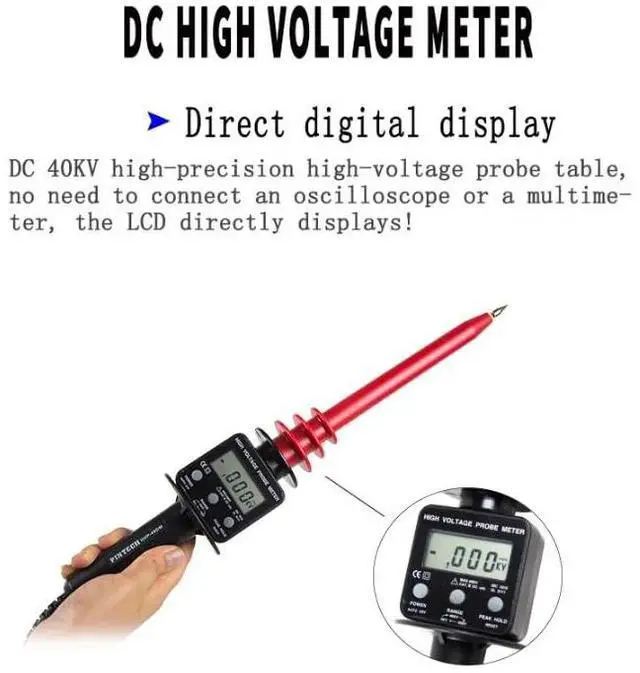
A: Yes, if your job is specifically high-voltage DC measurement. The HVP-40DM has its own LCD display, supports 400V, 4kV, and 40kV ranges, and is designed for DC only. That makes it more convenient than basic high-voltage probes that depend on a separate 10MΩ digital multimeter for readout. The trade-off is that it is less flexible if you also need AC high-voltage measurement or broader bench-meter functions.
Q: Can this probe measure AC high voltage, or is it DC only?
A: It is a DC-only probe. Buyers comparing high-voltage probes often ask whether a model supports both AC and DC, because many comparable probes do both. In this case, the provided product data and model listing state DC measurement only, so it is not the right choice if you need AC high-voltage testing.
Q: Who is this probe suitable for?
A: It is best suited to technicians, engineers, and experienced users who need to check DC voltages from about 5V up to 40kV with minimal circuit loading. Its 2000MΩ input impedance, overload protection, and 0.1V maximum resolution on the low range make it more appropriate for electronics and high-voltage diagnostic work than for casual household use. It is not a general-purpose beginner meter.
Q: What is the main trade-off versus a standard high-voltage probe used with a multimeter?
A: The main advantage here is convenience: the HVP-40DM has a built-in display, so you do not need to match it with a separate multimeter or worry about that meter's input impedance for reading scaled output. The main trade-off is specialization. Many standard probes are simpler accessories that work with existing meters and some comparable models also support AC high voltage, while this model is focused on direct-read DC measurement only.
Q: Is this a good fit for low-voltage bench work, or is it mainly for high-voltage jobs?
A: It is mainly for high-voltage jobs. Although it can measure down to about 5V and offers a 400V range with up to 0.1V resolution, its long probe format, 40kV rating, and specialized safety design make it better suited to high-voltage DC troubleshooting than routine low-voltage bench measurements. If most of your work is standard electronics under a few hundred volts, a regular bench meter is usually the more practical primary tool.
Q: Is this a practical choice for measuring DC high voltage power supplies in the 20 kV to 30 kV range?
A: Yes, it is a practical fit if your job is specifically DC high-voltage spot measurement within its stated range. The product data says it is for DC only and supports up to 40 kV, so a 20 kV to 30 kV DC supply is within the intended use. The main decision point is safety and use case: it suits users who already understand high-voltage measurement practice, but it is not a general-purpose probe.
Q: Who is this probe suitable for?
A: It is best suited to electronics users who need occasional or routine DC high-voltage measurement and already know how to work safely around high voltage. Based on the product data, it is specialized rather than versatile: DC only, very high input impedance, and multiple high-voltage ranges. It is a better match for bench testing, power-supply verification, and HV diagnostics than for everyday multimeter use.
Q: What are the main trade-offs of buying this instead of a regular meter or probe?
A: The trade-off is specialization. This probe extends measurement into very high DC voltage ranges that a regular meter cannot safely handle, but in return it is less flexible for normal low-voltage work. Its value is strongest when you specifically need 5 V to 40 kV DC measurement with high input impedance and direct LCD readout. If most of your work is low-voltage electronics, this is likely over-specialized.
Q: Can it also be used for low-voltage measurement, or is it mainly for high voltage?
A: It can measure lower DC voltages according to the product data, but it is mainly a high-voltage tool. Community discussion around similar high-voltage probes repeatedly points out that attenuation and probe behavior make them less ideal for small-signal or precision low-voltage tasks. As a buying decision, it makes sense if high-voltage measurement is the priority, not if you want one probe for everything.
Q: Is this worth buying over a DIY high-voltage probe?
A: It is usually worth buying over DIY if you want a ready-made tool with stated accuracy, defined voltage ranges, overload protection, and an integrated display. Reddit discussion around high-voltage measuring often compares commercial probes with DIY builds, and the practical trade-off is convenience and known specifications versus time, build complexity, and verification effort. It is the better choice for buyers who want a finished measurement tool rather than a project.



