here!
I’m your shopping assistant for PC builds, upgrades, and everything tech.
Got questions? Ask away!
Start a conversation
here!
I’m your shopping assistant for PC builds, upgrades, and everything tech.
Got questions? Ask away!
Start a conversation



Any questions? Ask CelesteSM will help you find out quickly.


Our shades lit up NYC's screen

TlJN featured on New York Times Square Billboard

Rooted in the creative awakening of our early associate while studying modern music in Amsterdam.
Where sound becomes shape. Where vision finds form. Where art keeps moving.
Style isn’t borrowed. It’s built.
Vision has no borders.
For movement, for meaning, for next.
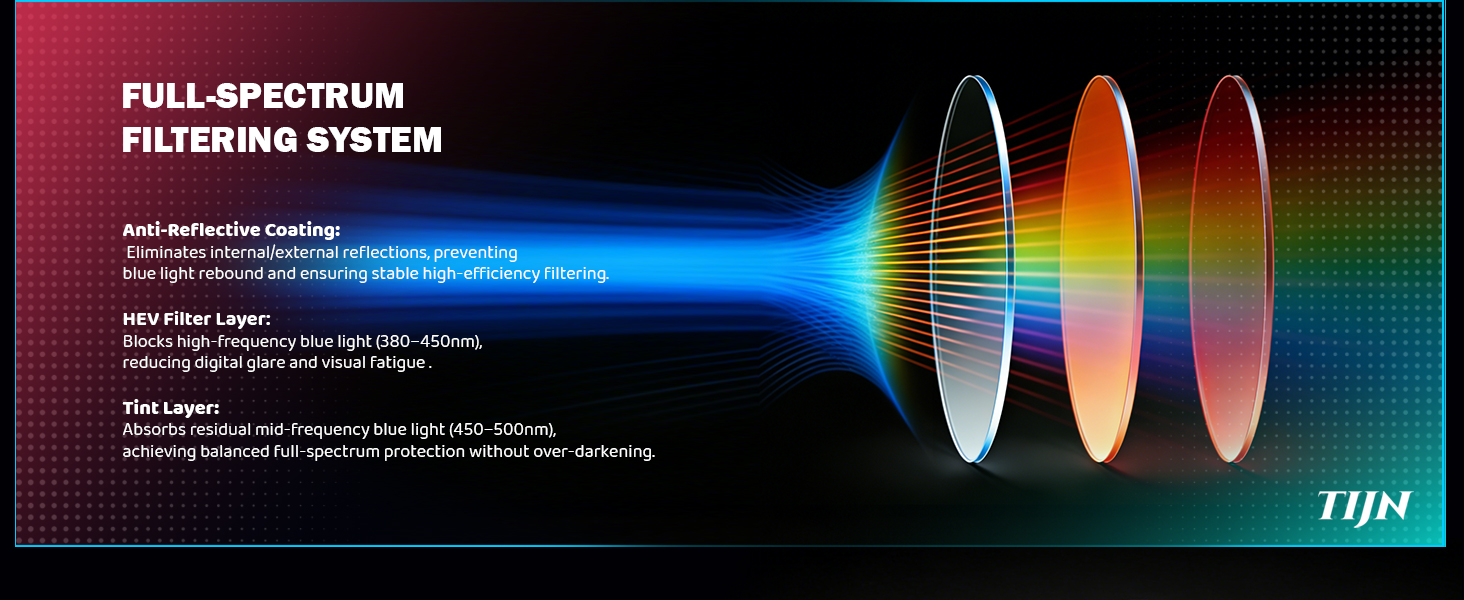
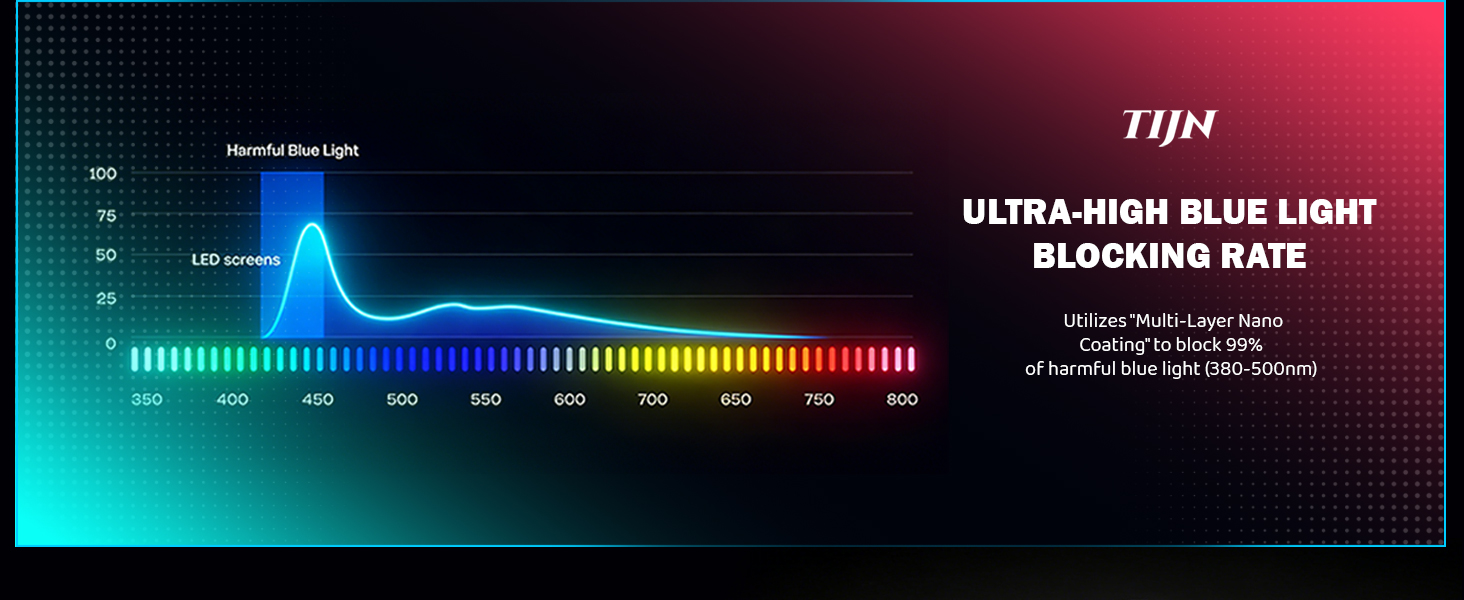
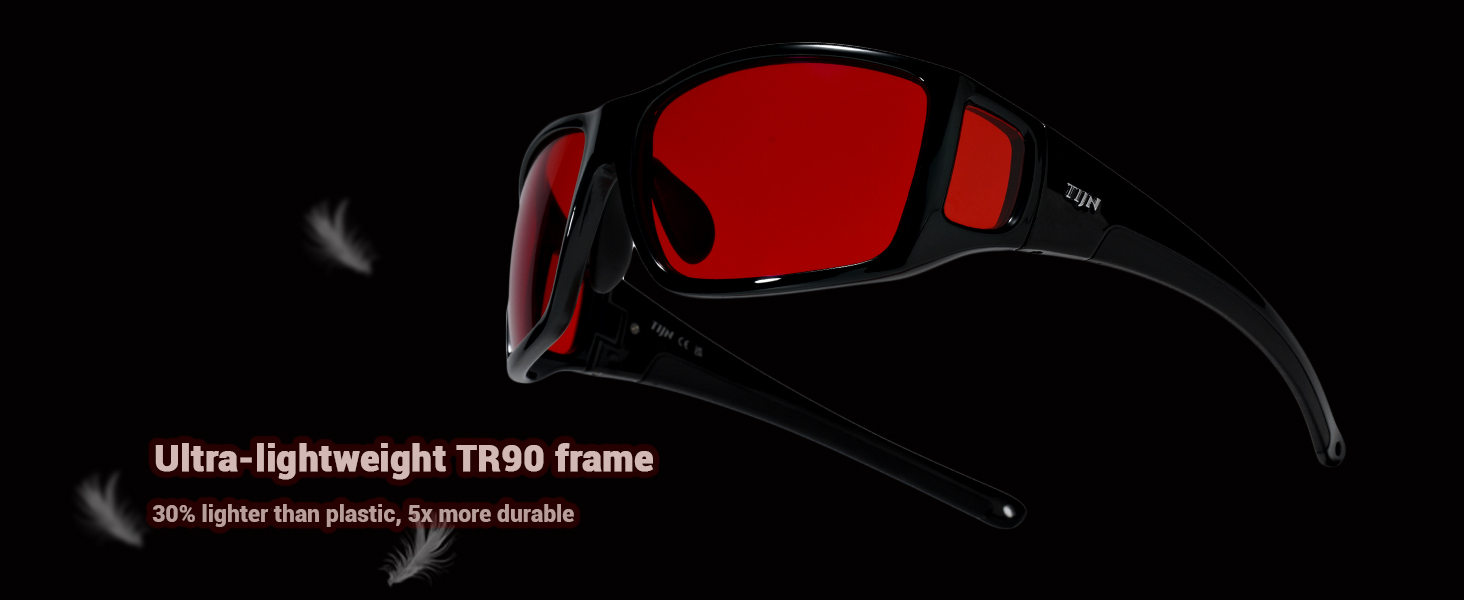
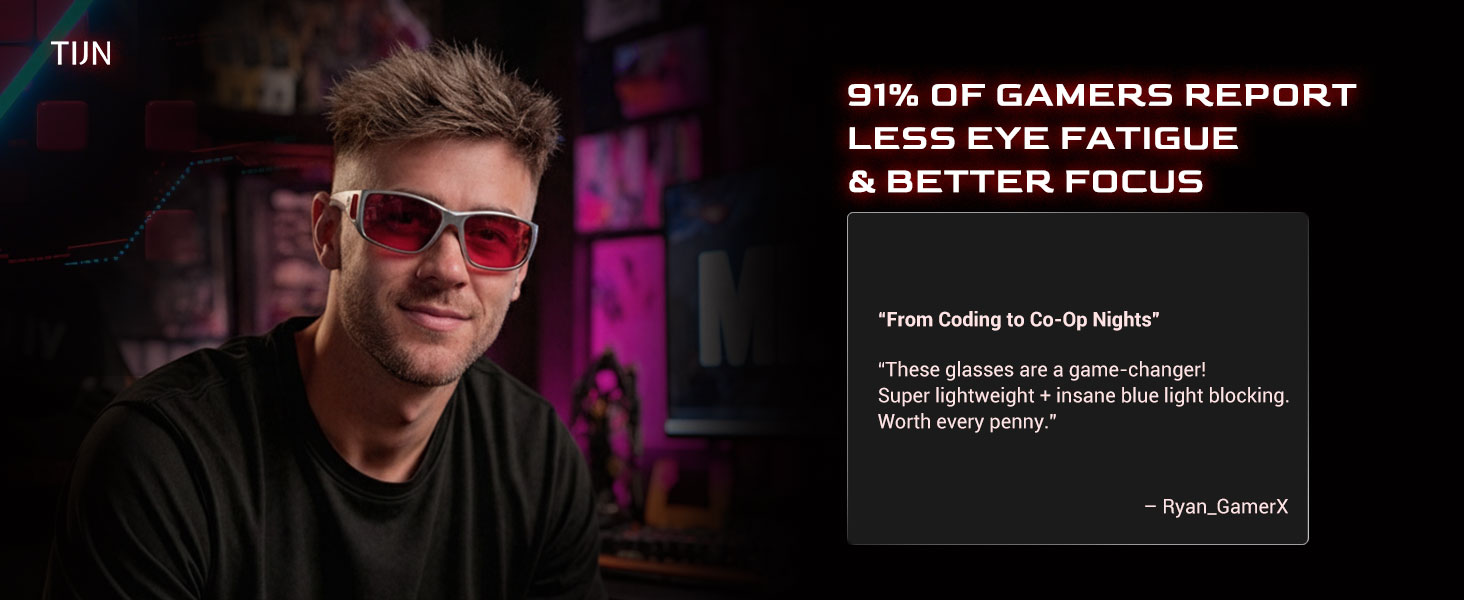
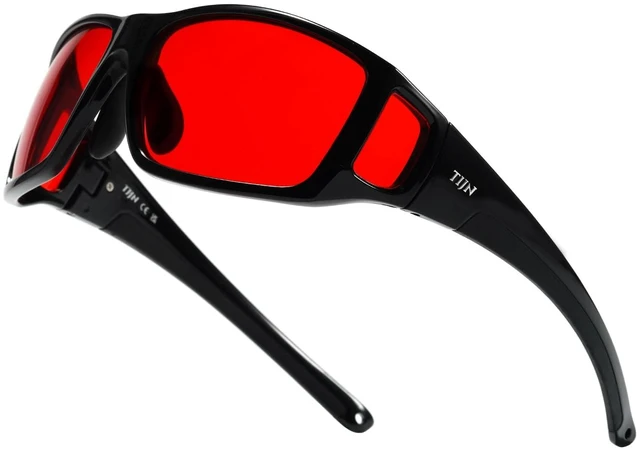
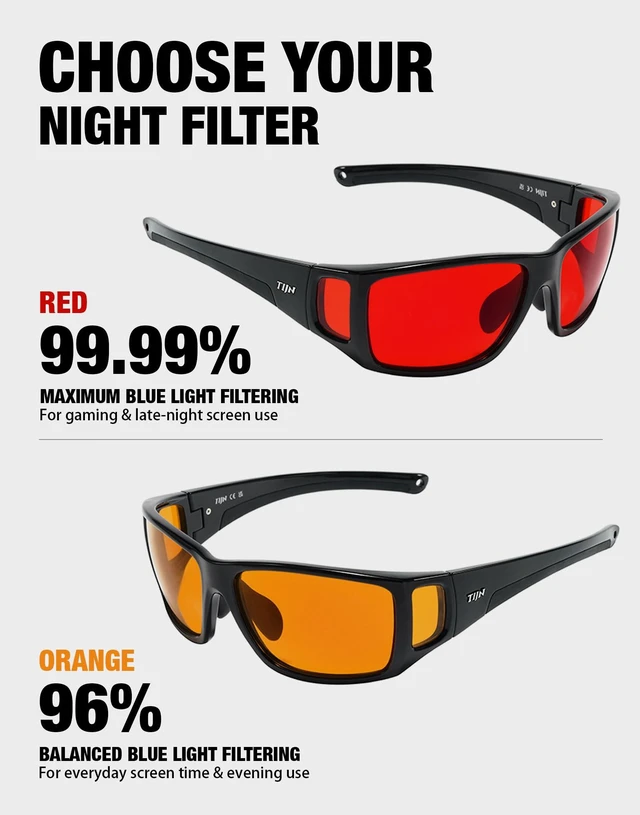
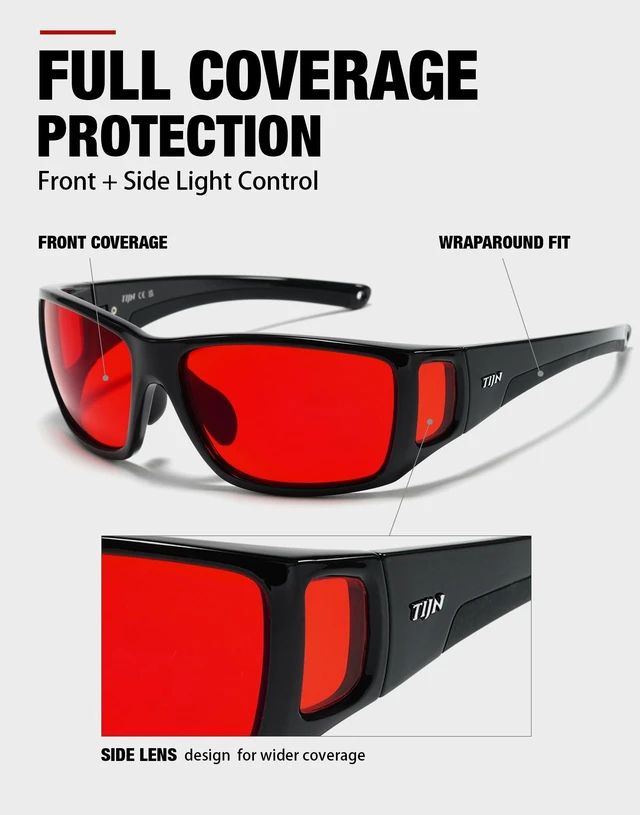
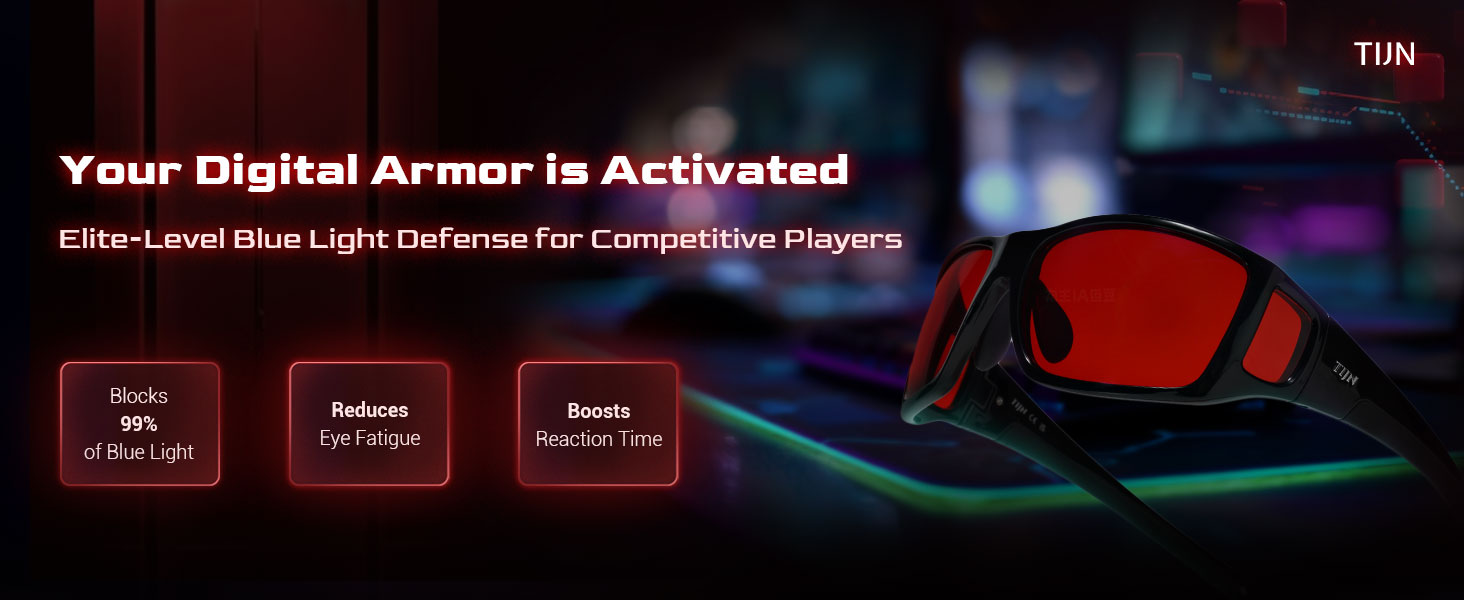
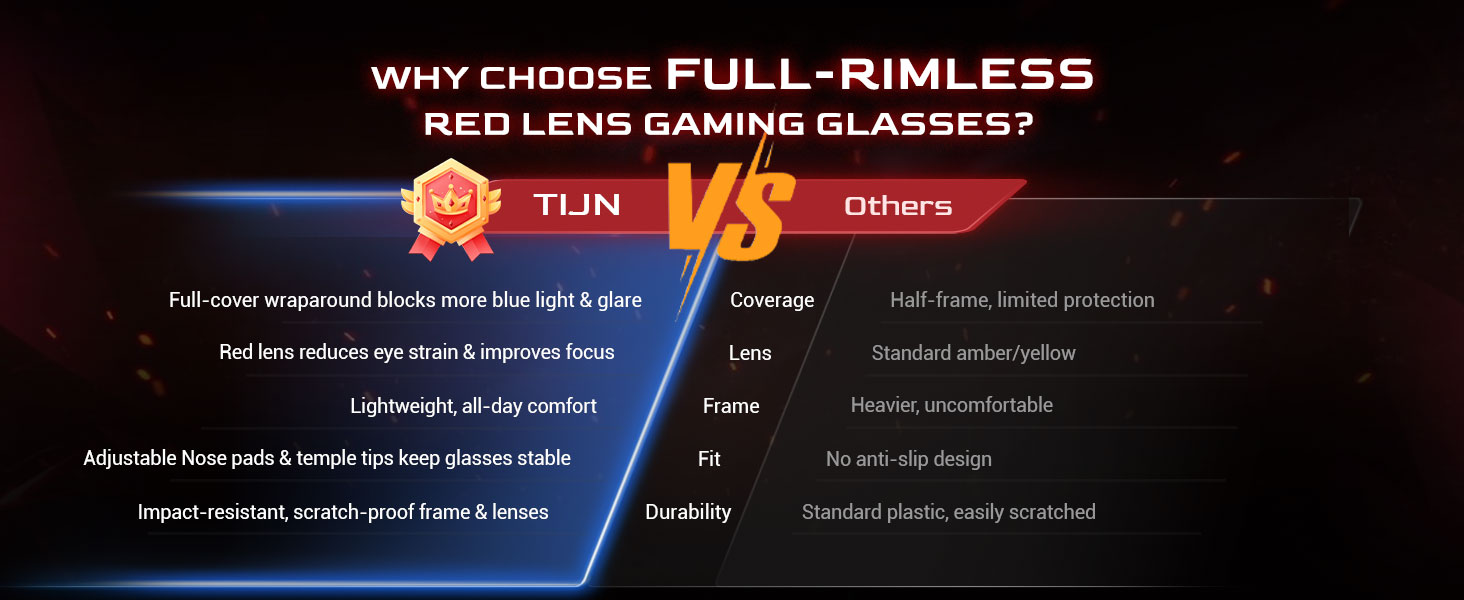
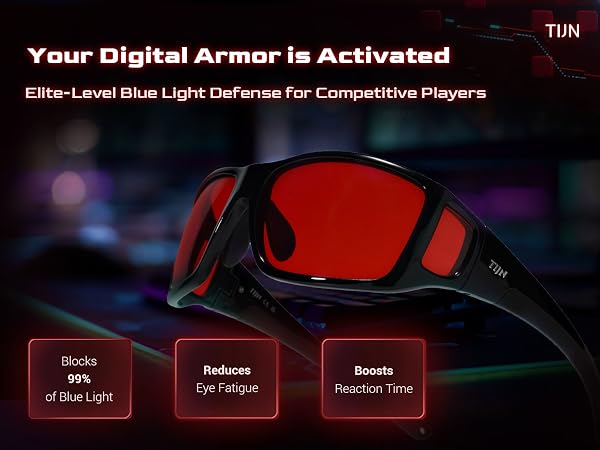
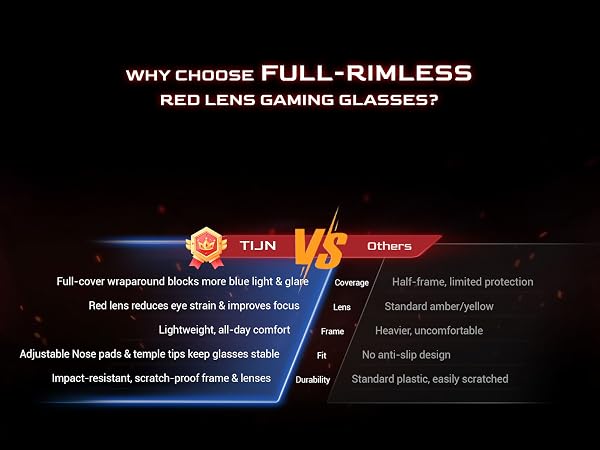
TIJN screen glasses using newest blue light blocking technology and committed to producing the best eyeglasses for you. With the help of our TIJN blue light blocking glasses, can be effectively filtered harmful blue-ray, bring you a comfortable and pleasant screen time.
We are committed to providing top quality eyeglasses for our millions of fans and care about every customers eyes health. To make this planet a better place, we put our effort on more sustainable practices, use minimalist packing for the good of our planet.
Where Does Blue Light Come From?
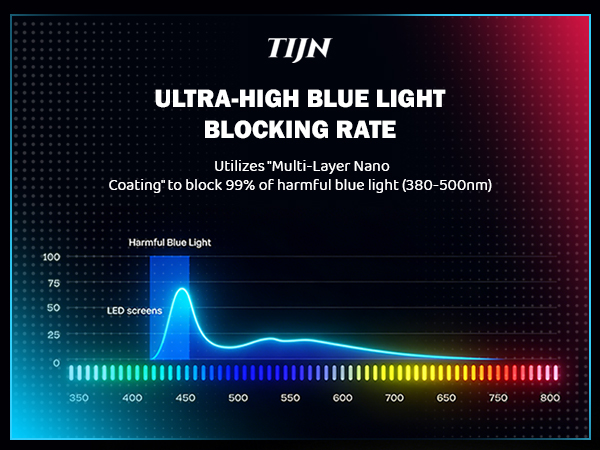
The biggest sources of blue light are the everyday devices we rely on. Our computer screens, smartphones, LED lights, TVs, and even the lights in our refrigerators all emit considerable amounts of blue light.
What is High-Energy Visible Light (HEV)?
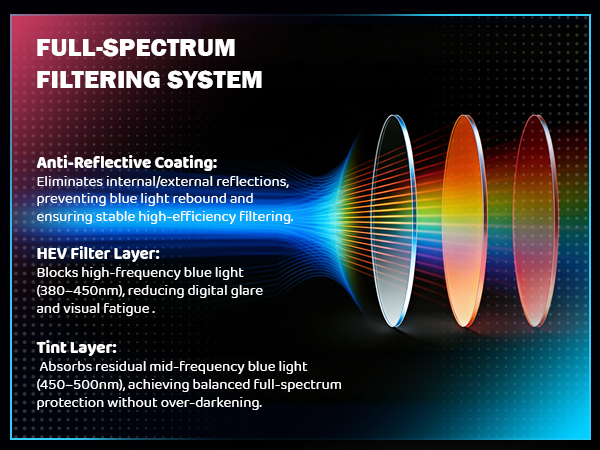
HEV stands for high-energy visible light. It consists of short wavelengths that emit the highest levels of energy. One of the primary effects of HEV light on vision is that it can lead to eye strain and dryness after extended exposure.
Can I Wear TIJN Screen Glasses All Day?
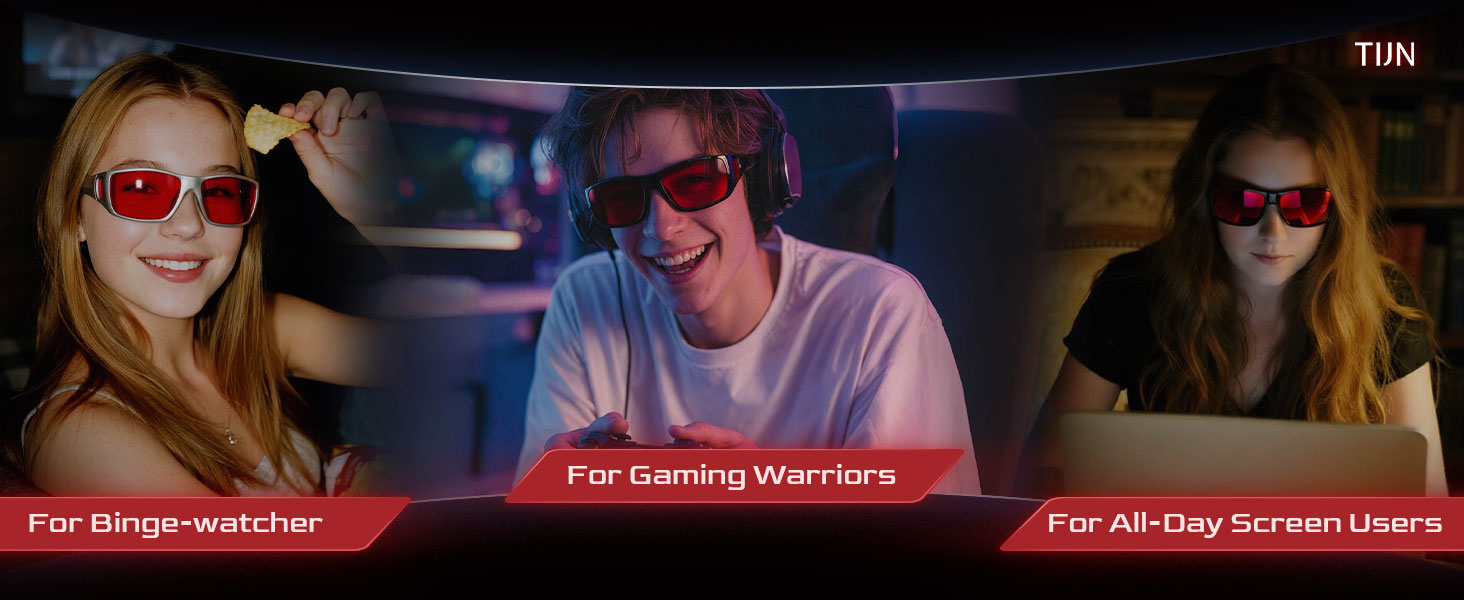
YES. You can wear TIJN screen glasses all day for the best blue light protection. With lenses designed for various activities, there's a perfect TIJN option for you, whether you're outdoors or working at your desk.
Why Use TIJN Screen Glasses at Night?
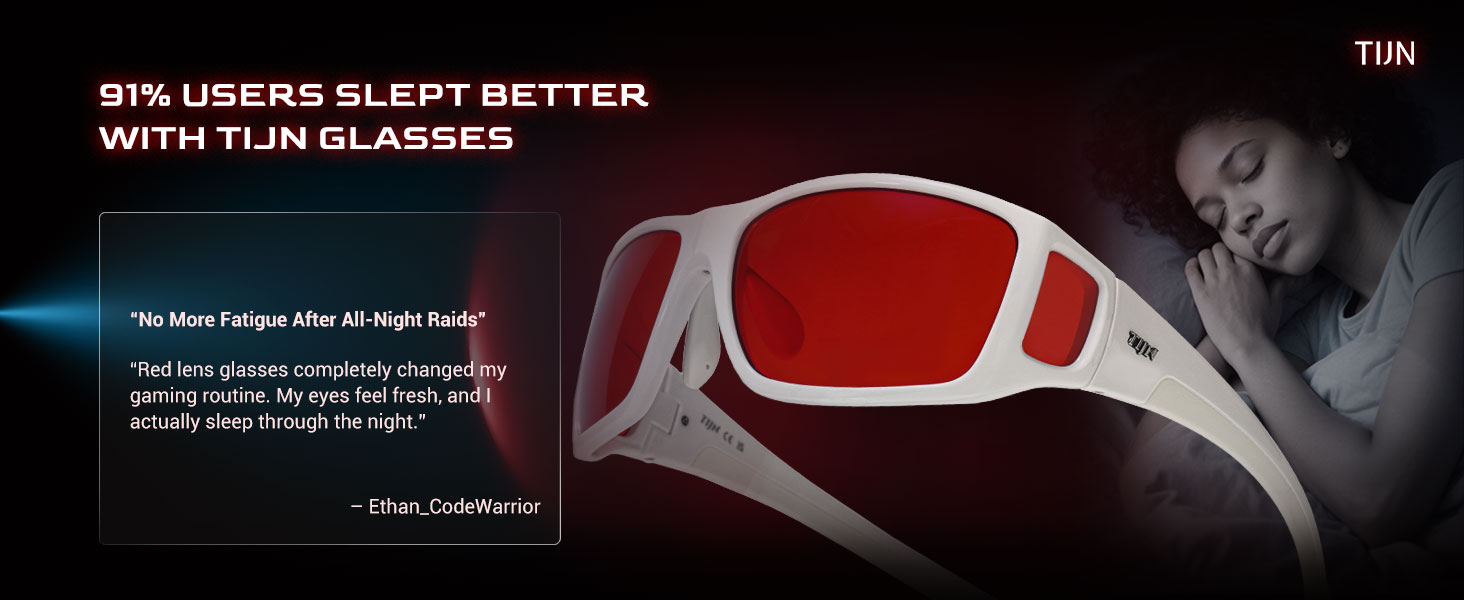
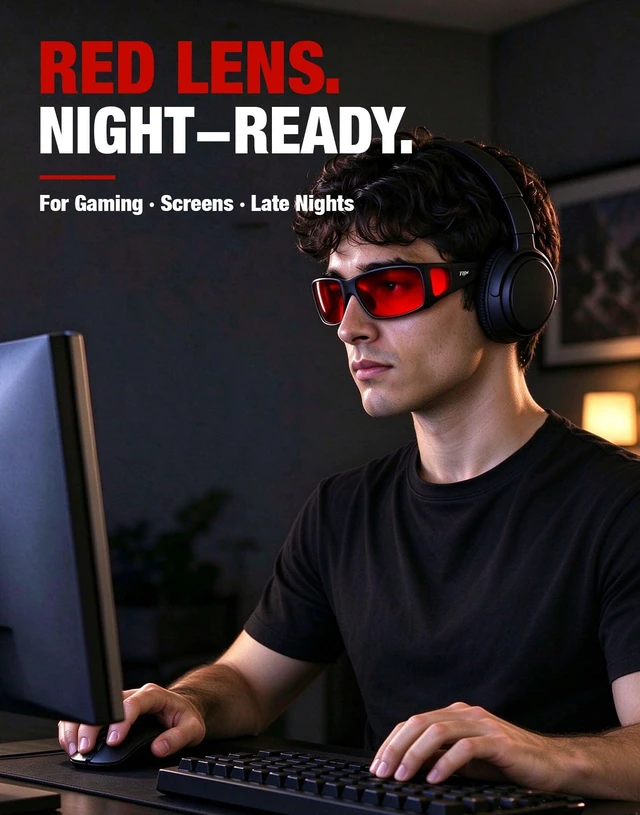
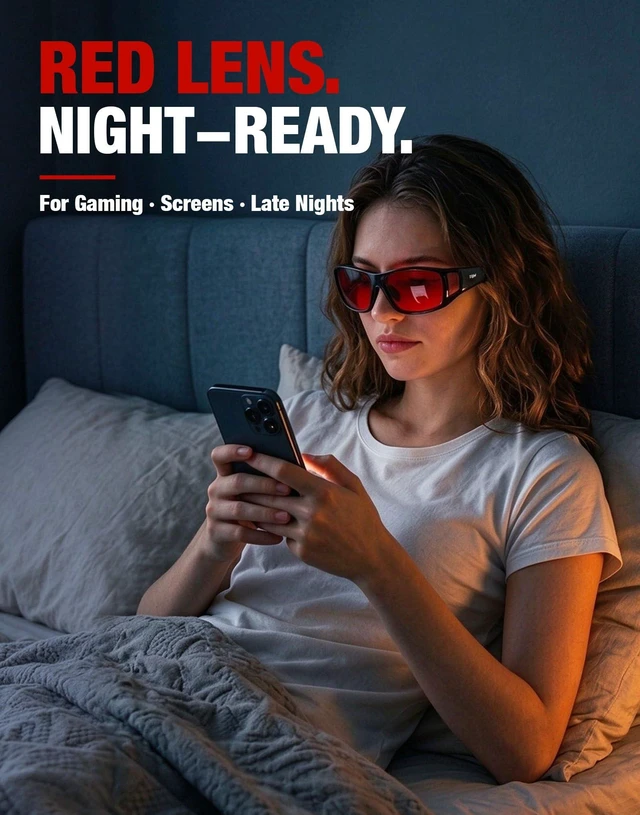
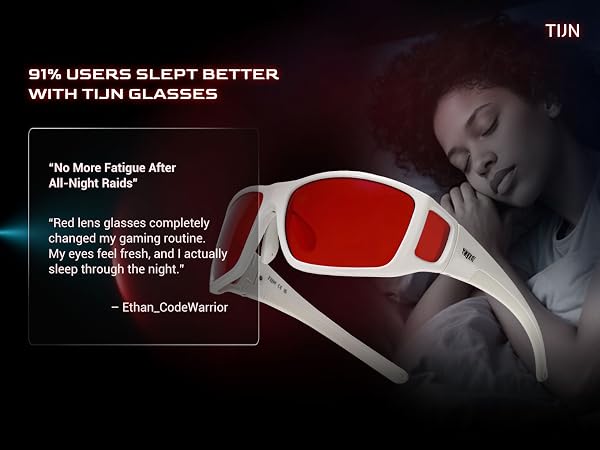
Nighttime exposure to blue light can trick the brain, suppress melatonin, raise stress levels, disrupt the circadian rhythm, and interfere with a good night's sleep.

Our shades lit up NYC's screen
TlJN featured on New York Times Square Billboard
Rooted in the creative awakening of our early associate while studying modern music in Amsterdam.
Where sound becomes shape. Where vision finds form. Where art keeps moving.
Style isn’t borrowed. It’s built.
Vision has no borders.
For movement, for meaning, for next.
TIJN screen glasses using newest blue light blocking technology and committed to producing the best eyeglasses for you. With the help of our TIJN blue light blocking glasses, can be effectively filtered harmful blue-ray, bring you a comfortable and pleasant screen time.
We are committed to providing top quality eyeglasses for our millions of fans and care about every customers eyes health. To make this planet a better place, we put our effort on more sustainable practices, use minimalist packing for the good of our planet.



Where Does Blue Light Come From?
The biggest sources of blue light are the everyday devices we rely on. Our computer screens, smartphones, LED lights, TVs, and even the lights in our refrigerators all emit considerable amounts of blue light.
What is High-Energy Visible Light (HEV)?
HEV stands for high-energy visible light. It consists of short wavelengths that emit the highest levels of energy. One of the primary effects of HEV light on vision is that it can lead to eye strain and dryness after extended exposure.
Can I Wear TIJN Screen Glasses All Day?
YES. You can wear TIJN screen glasses all day for the best blue light protection. With lenses designed for various activities, there's a perfect TIJN option for you, whether you're outdoors or working at your desk.
Why Use TIJN Screen Glasses at Night?
Nighttime exposure to blue light can trick the brain, suppress melatonin, raise stress levels, disrupt the circadian rhythm, and interfere with a good night's sleep.