

Your Browsing History

Meet Your Seller


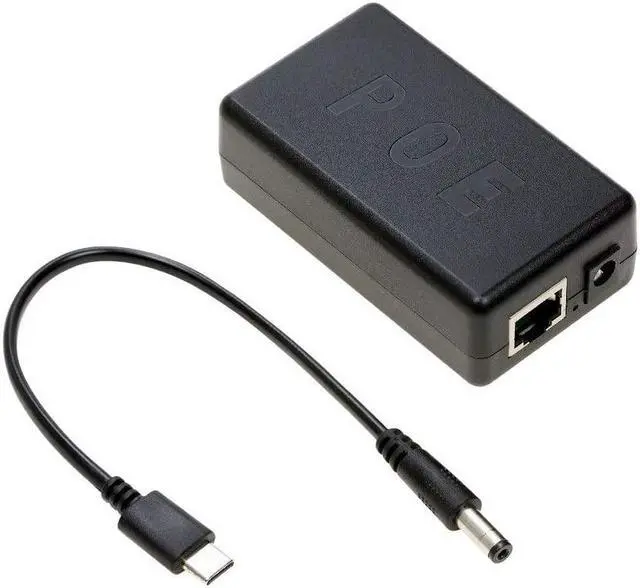
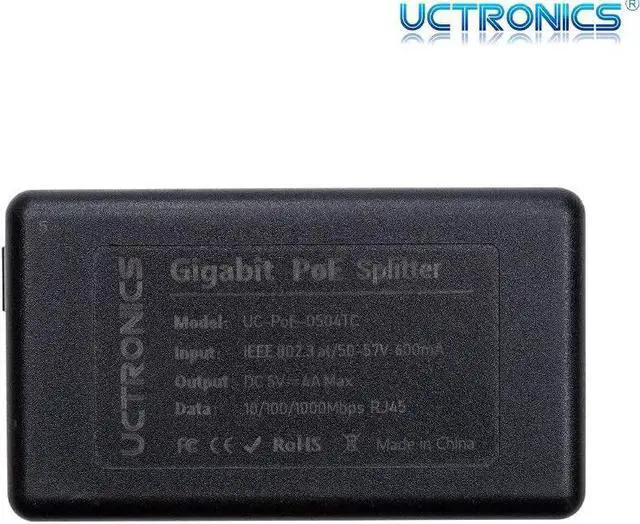
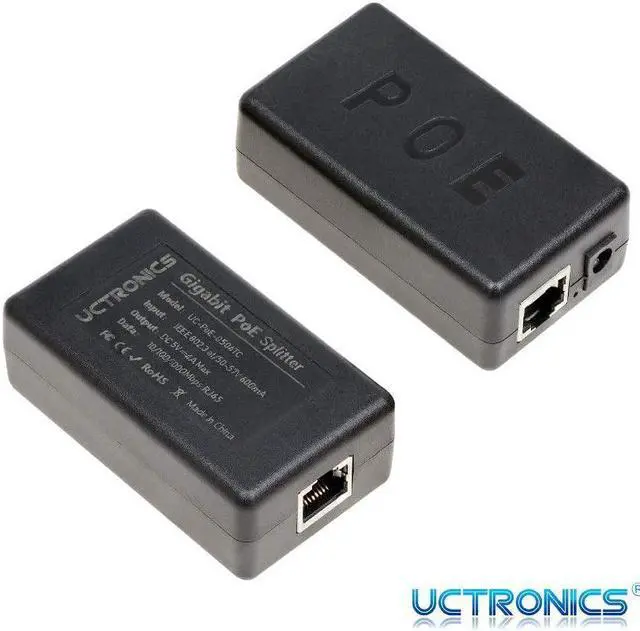


UCTRONICS USB-C PoE Splitter Gigabit, PoE to USB-C 5V/4A Power Supply for Raspberry Pi 4 and More, 802.3at Power Over Ethernet to USB Type-C Adapter
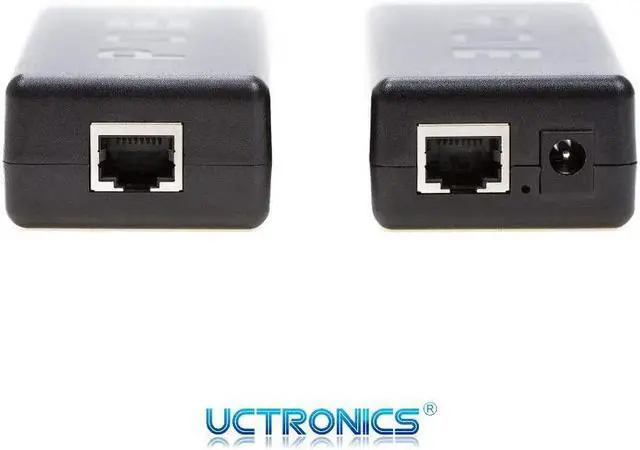
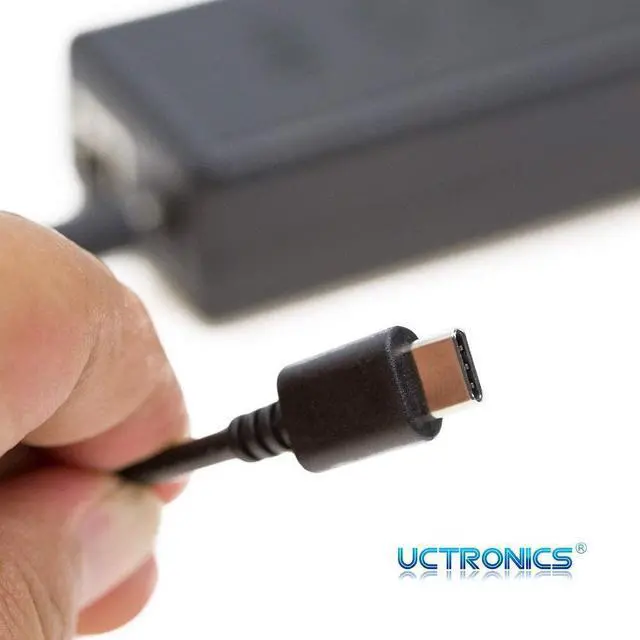
- PoE to USB-C: PoE signal adapted to USB-C power and Ethernet connection. Make full use of each port on your PoE switch. IEEE 802.3at PoE switches or injectors recommended for a larger power budget. Work with 802.3af PoE switches but will not output more than 2.5A. If you received something other than a USB C connector, please contact us.
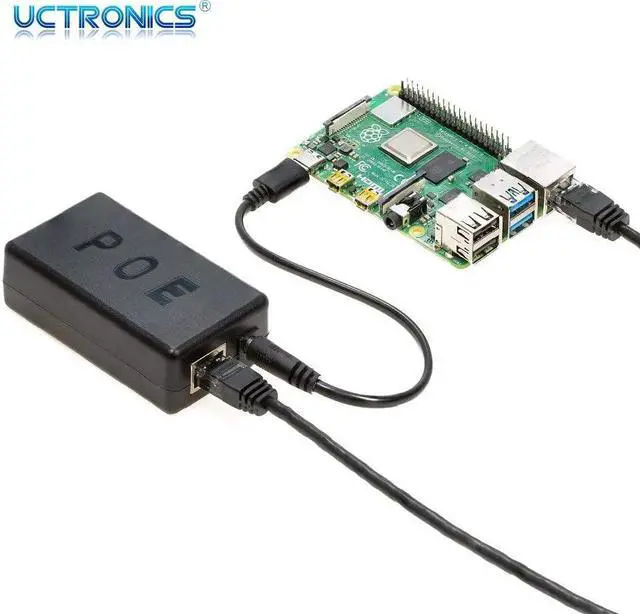
- Compatible with Raspberry Pi 4: The latest Raspberry Pi model is powered via a USB-C port, but sometimes you just dislike the wall chargers, especially when you have multiple Pis running at the same time and the adapters eat and intrude your whole power strips. You might want to check PoE switches and USB-C PoE splitters
- Enhanced PoE HAT alternative: The official Raspberry Pi PoE HAT outputs 2.5A maximum at 5V, but you might need 3A and above. How to keep the PoE setup on Pi 4 stable and steady if you are on a power-hungry application? Just go with a 5V/4A PoE splitter
- Other Type C uses: If you have a network device powered by USB-C (router, came
+
+
Overview
Specs
Reviews

Any questions? Our AI mode will help you find out quickly.
Try me now
PoE to
USB-C: PoE signal adapted to USB-C power and Ethernet connection. Make full use of each port on your PoE switch. IEEE 802.3 at PoE switches or injectors recommended for a larger power budget. Work with 802.3 af PoE switches but will not output more than 2.5A. If you received something other than a USB C connector, please contact us.
Compatible with Raspberry Pi 4: The latest Raspberry Pi model is powered via a USB-C port, but sometimes you just dislike the wall chargers, especially when you have multiple Pis running at the same time and the adapters eat and intrude your whole power strips. You might want to check PoE switches and USB-C PoE splitters
Enhanced PoE HAT alternative: The official Raspberry Pi PoE HAT outputs 2.5A maximum at 5V, but you might need 3A and above. How to keep the PoE setup on Pi 4 stable and steady if you are on a power-hungry application? Just go with a 5V/4A PoE splitter
Other Type C uses: If you have a network device powered by USB-C (router, camera, etc. ) and you want to deliver power and transfer data with a single Ethernet cable, or youve already had a PoE connection but want to use a USB-C 5V device with it, this might be helpful for you, but it does NOT support QC or PD protocols
NOTE: 1. You need a PoE switch or injector (better with 802.3 at) and 2 Ethernet cables (a longer for PoE input and a shorter patch cable optional for Ethernet). 2. The 5V USB-C power is adapted from a 5.5 x 2.1 mm barrel port, and you can adapt it to other ports if you get the right adapter
Non-Standard PoE Risk This splitter requires IEEE 802.3 af/at PoE. Non-standard (passive) PoE switches deliver power without negotiation, which can Overvolt and damage connected devices
USB-C: PoE signal adapted to USB-C power and Ethernet connection. Make full use of each port on your PoE switch. IEEE 802.3 at PoE switches or injectors recommended for a larger power budget. Work with 802.3 af PoE switches but will not output more than 2.5A. If you received something other than a USB C connector, please contact us.
Compatible with Raspberry Pi 4: The latest Raspberry Pi model is powered via a USB-C port, but sometimes you just dislike the wall chargers, especially when you have multiple Pis running at the same time and the adapters eat and intrude your whole power strips. You might want to check PoE switches and USB-C PoE splitters
Enhanced PoE HAT alternative: The official Raspberry Pi PoE HAT outputs 2.5A maximum at 5V, but you might need 3A and above. How to keep the PoE setup on Pi 4 stable and steady if you are on a power-hungry application? Just go with a 5V/4A PoE splitter
Other Type C uses: If you have a network device powered by USB-C (router, camera, etc. ) and you want to deliver power and transfer data with a single Ethernet cable, or youve already had a PoE connection but want to use a USB-C 5V device with it, this might be helpful for you, but it does NOT support QC or PD protocols
NOTE: 1. You need a PoE switch or injector (better with 802.3 at) and 2 Ethernet cables (a longer for PoE input and a shorter patch cable optional for Ethernet). 2. The 5V USB-C power is adapted from a 5.5 x 2.1 mm barrel port, and you can adapt it to other ports if you get the right adapter
Non-Standard PoE Risk This splitter requires IEEE 802.3 af/at PoE. Non-standard (passive) PoE switches deliver power without negotiation, which can Overvolt and damage connected devices
Warranty & Returns
Warranty, Returns, And Additional Information
Warranty
- Please contact the Seller directly for warranty information. Warranty information may also be found on the Manufacturer's website.
- CONTACT
Return Policies
- Return for refund within: 30 days
- Return for replacement within: 30 days
- This item is covered by DianLan Return Policy
Manufacturer Contact Info
- For a directory of all our manufacturers, please click below.
- Manufacturers Directory
LOADING...