



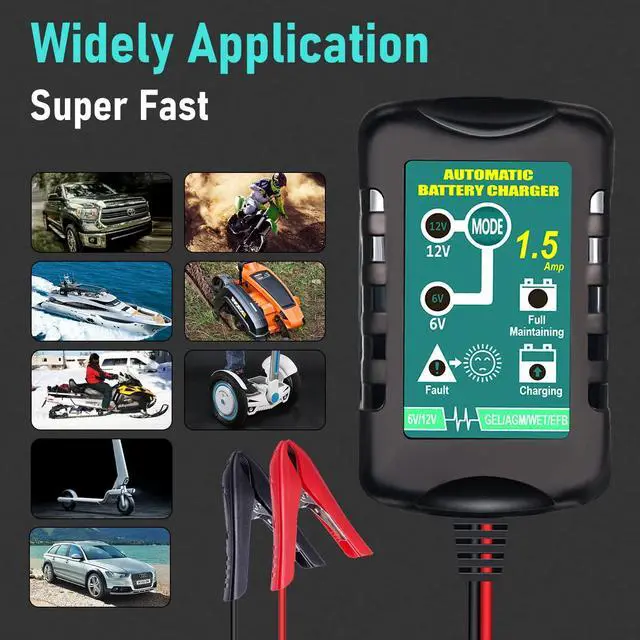
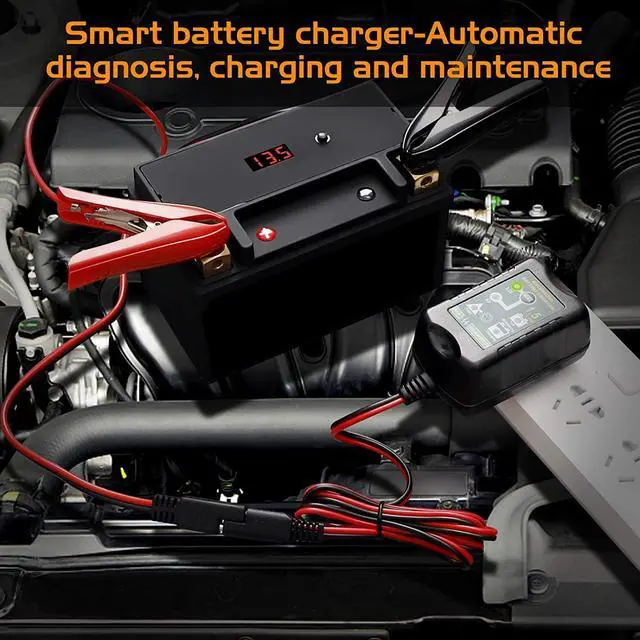


Lithium Motorcycle Battery
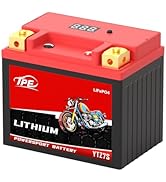

TPE
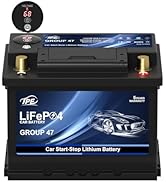
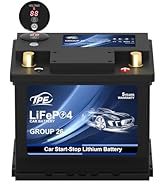
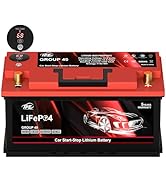

Car Battery Lithium
Why should I choose a lithium battery instead of a lead-acid battery?
Lithium batteries are up to 70% lighter, charge faster, last 3–5 times longer, and provide more consistent power. They’re also maintenance-free and more eco-friendly than lead-acid batteries
Can I use this lithium battery in place of my original lead-acid battery?
Yes. Our lithium batteries are designed as direct drop-in replacements for standard lead-acid batteries with the same group size (e.g., G48, G27). Please confirm the size and terminal orientation before ordering
What happens if I leave the lithium battery unused for a long time?
Lithium batteries have a very low self-discharge rate. If unused, we recommend disconnecting the battery or charging it every 3–6 months to keep it in optimal condition
Will this lithium battery damage my alternator or electrical system?
No. Our lithium batteries are designed to be fully compatible with standard automotive charging systems. Just make sure your alternator outputs between 13.8V–14.6V, which is normal for most vehicles
Lithium Motorcycle Battery
TPE
Car Battery Lithium
Why should I choose a lithium battery instead of a lead-acid battery?
Lithium batteries are up to 70% lighter, charge faster, last 3–5 times longer, and provide more consistent power. They’re also maintenance-free and more eco-friendly than lead-acid batteries
Can I use this lithium battery in place of my original lead-acid battery?
Yes. Our lithium batteries are designed as direct drop-in replacements for standard lead-acid batteries with the same group size (e.g., G48, G27). Please confirm the size and terminal orientation before ordering
What happens if I leave the lithium battery unused for a long time?
Lithium batteries have a very low self-discharge rate. If unused, we recommend disconnecting the battery or charging it every 3–6 months to keep it in optimal condition
Will this lithium battery damage my alternator or electrical system?
No. Our lithium batteries are designed to be fully compatible with standard automotive charging systems. Just make sure your alternator outputs between 13.8V–14.6V, which is normal for most vehicles