




 here!
here!
I’m your shopping assistant for PC builds, upgrades, and everything tech.
Got questions? Ask away!
Start a conversation
here!
I’m your shopping assistant for PC builds, upgrades, and everything tech.
Got questions? Ask away!
Start a conversation





Any questions? Ask CelesteSM will help you find out quickly.

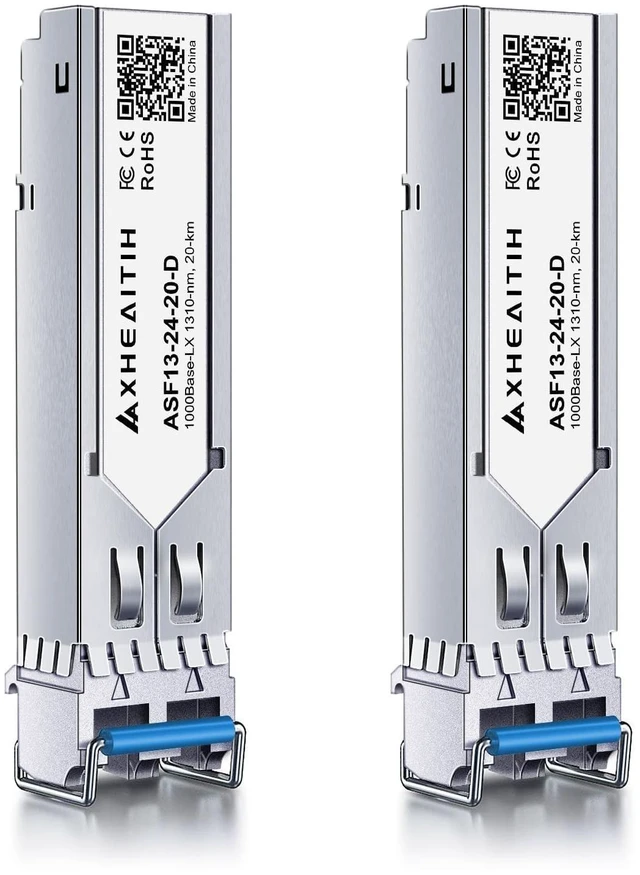
Upgrade your network with a trusted, compatible, and future-ready SFP optical module. Enjoy reliable 1.25G fibre connectivity!
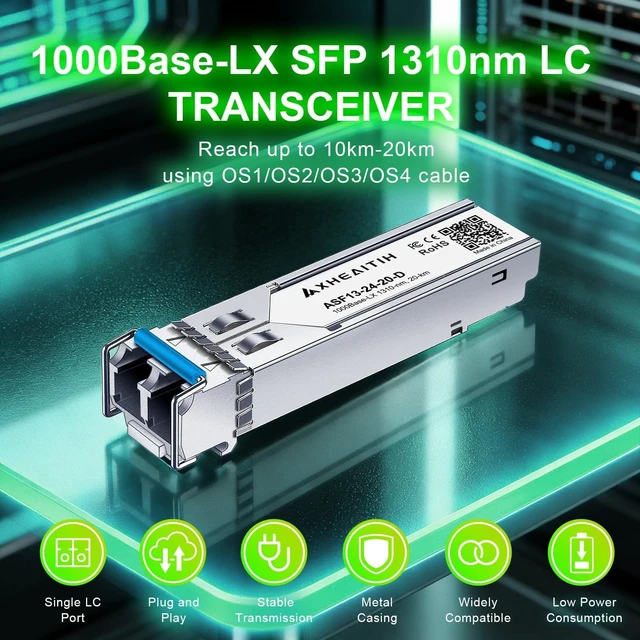
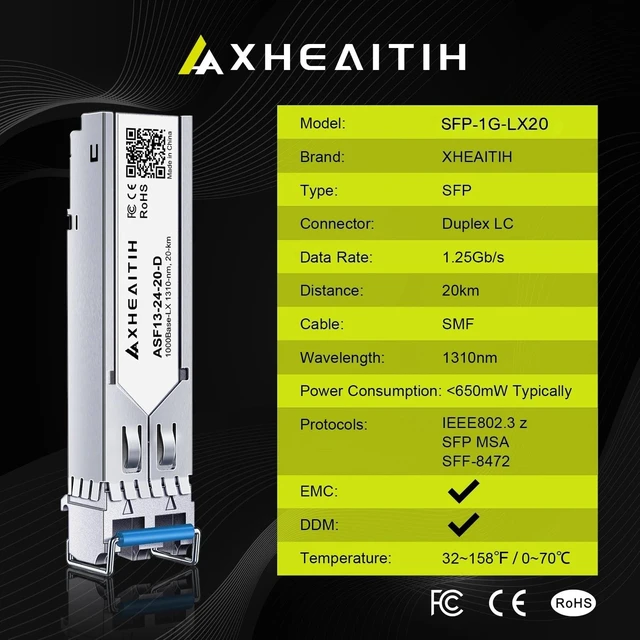
Whether you require server transceivers, network modules, or transceivers for technical upgrades/repairs—this SFP LC-1.25G-20KM-1310nm transceiver delivers professional-grade performance.

Engineered for reliable 1.25Gbps data transmission over single-mode fiber up to 20 kilometers—ideal for campus networks, data centers, and telecom infrastructure.
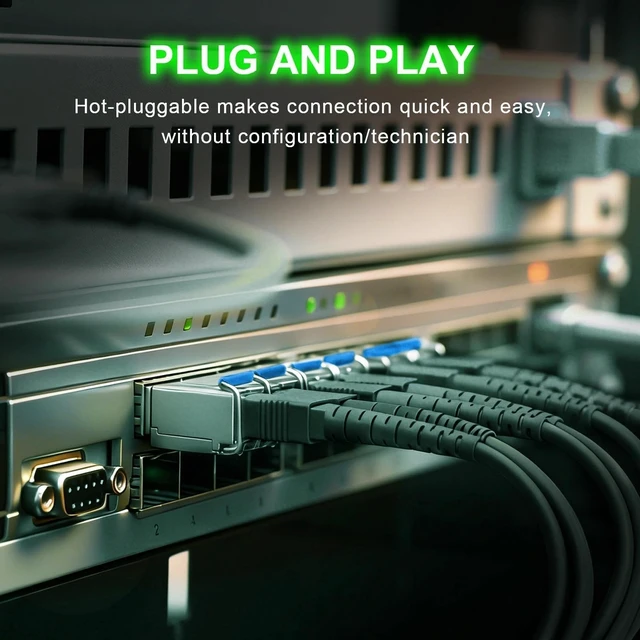
1.True Plug-and-Play Compatibility
Fully hot-pluggable SFP transceiver with seamless compatibility across major brands. No firmware updates or configuration needed—just insert and go!
2.Industry-Standard LC Interface
Features a standard LC connector for easy integration into existing fiber optic networks. Meets 1000BASE-LX Ethernet specifications for guaranteed interoperability.
Rigorous Quality & Reliability
3.Each fiber optic module undergoes 100% testing for optical performance, temperature stability, and signal integrity—ensuring enterprise-grade uptime.

To ensure optimal performance and longevity of the SFP optical transceiver, please adhere to the following guidelines:
1. Handle with care – Electrostatic discharge (ESD) protection
Avoid direct contact with electrical contacts or optical ports when handling the module to prevent ESD damage.
2. Insert into Compatible Ports Only
This single-mode LC SFP transceiver is designed exclusively for 1.25G networks. Never force insertion into copper (RJ45), multimode, or SFP+ (10G) ports – mismatched usage may cause damage.
3. Use Correct Fibre Optic Cables
Connect only to single-mode LC fibre optic patch cords. Using multi-mode or damaged cables may cause signal attenuation or failure.
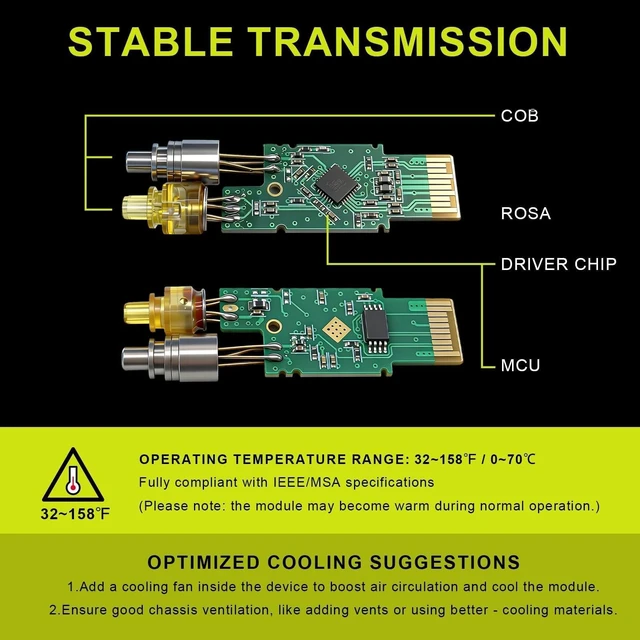
4. Temperature Rise During Normal Operation is Normal
The module surface may feel warm during normal operation—this is normal for the internal laser and electronic components. Moderate heat generation does not constitute a fault as long as the equipment remains within the ambient temperature range (0°C to 70°C) and is adequately ventilated.
5. Avoid dust and direct sunlight
When not in use, keep fibre ports clean and covered. Dust, grease, or prolonged exposure to ultraviolet light may degrade performance.

Upgrade your network with a trusted, compatible, and future-ready SFP optical module. Enjoy reliable 1.25G fibre connectivity!
Whether you require server transceivers, network modules, or transceivers for technical upgrades/repairs—this SFP LC-1.25G-20KM-1310nm transceiver delivers professional-grade performance.
Engineered for reliable 1.25Gbps data transmission over single-mode fiber up to 20 kilometers—ideal for campus networks, data centers, and telecom infrastructure.
1.True Plug-and-Play Compatibility
Fully hot-pluggable SFP transceiver with seamless compatibility across major brands. No firmware updates or configuration needed—just insert and go!
2.Industry-Standard LC Interface
Features a standard LC connector for easy integration into existing fiber optic networks. Meets 1000BASE-LX Ethernet specifications for guaranteed interoperability.
Rigorous Quality & Reliability
3.Each fiber optic module undergoes 100% testing for optical performance, temperature stability, and signal integrity—ensuring enterprise-grade uptime.
To ensure optimal performance and longevity of the SFP optical transceiver, please adhere to the following guidelines:
1. Handle with care – Electrostatic discharge (ESD) protection
Avoid direct contact with electrical contacts or optical ports when handling the module to prevent ESD damage.
2. Insert into Compatible Ports Only
This single-mode LC SFP transceiver is designed exclusively for 1.25G networks. Never force insertion into copper (RJ45), multimode, or SFP+ (10G) ports – mismatched usage may cause damage.
3. Use Correct Fibre Optic Cables
Connect only to single-mode LC fibre optic patch cords. Using multi-mode or damaged cables may cause signal attenuation or failure.
4. Temperature Rise During Normal Operation is Normal
The module surface may feel warm during normal operation—this is normal for the internal laser and electronic components. Moderate heat generation does not constitute a fault as long as the equipment remains within the ambient temperature range (0°C to 70°C) and is adequately ventilated.
5. Avoid dust and direct sunlight
When not in use, keep fibre ports clean and covered. Dust, grease, or prolonged exposure to ultraviolet light may degrade performance.