




 here!
I’m your shopping assistant for PC builds, upgrades, and everything tech.
Got questions? Ask away!
Start a conversation
here!
I’m your shopping assistant for PC builds, upgrades, and everything tech.
Got questions? Ask away!
Start a conversation

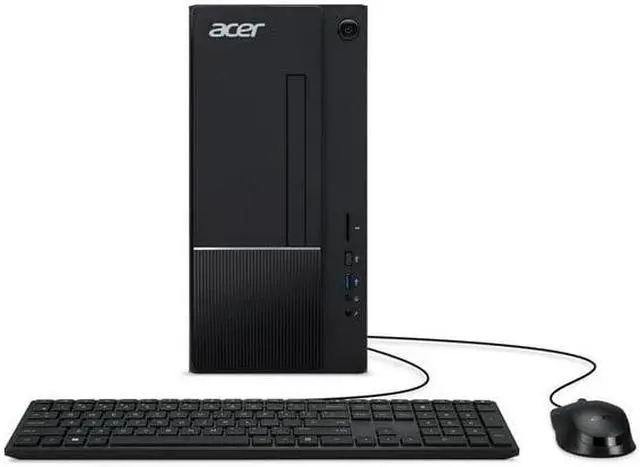
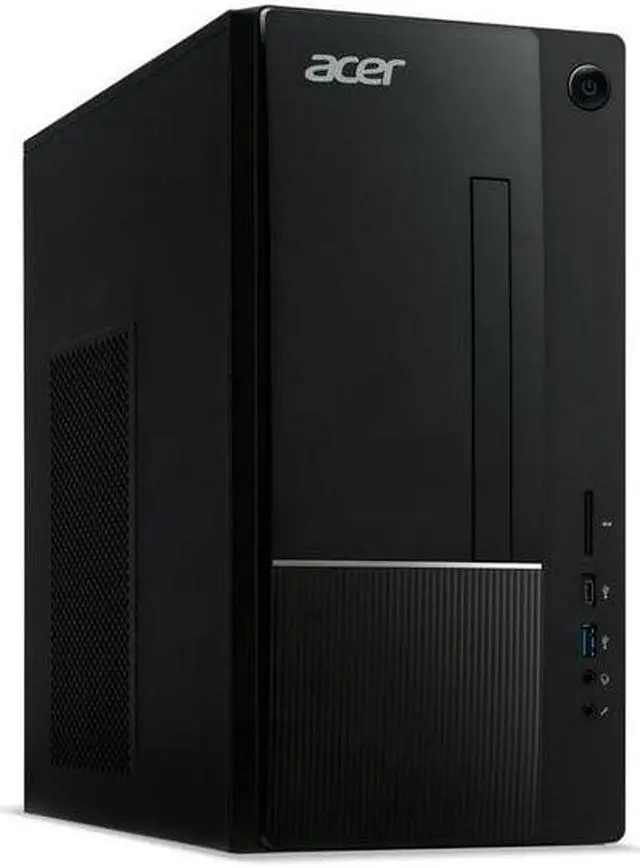
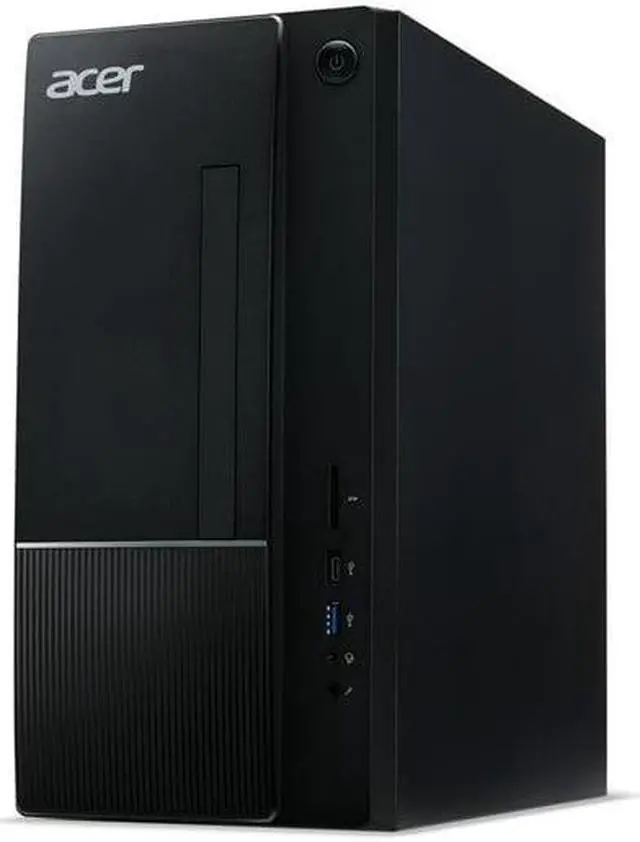
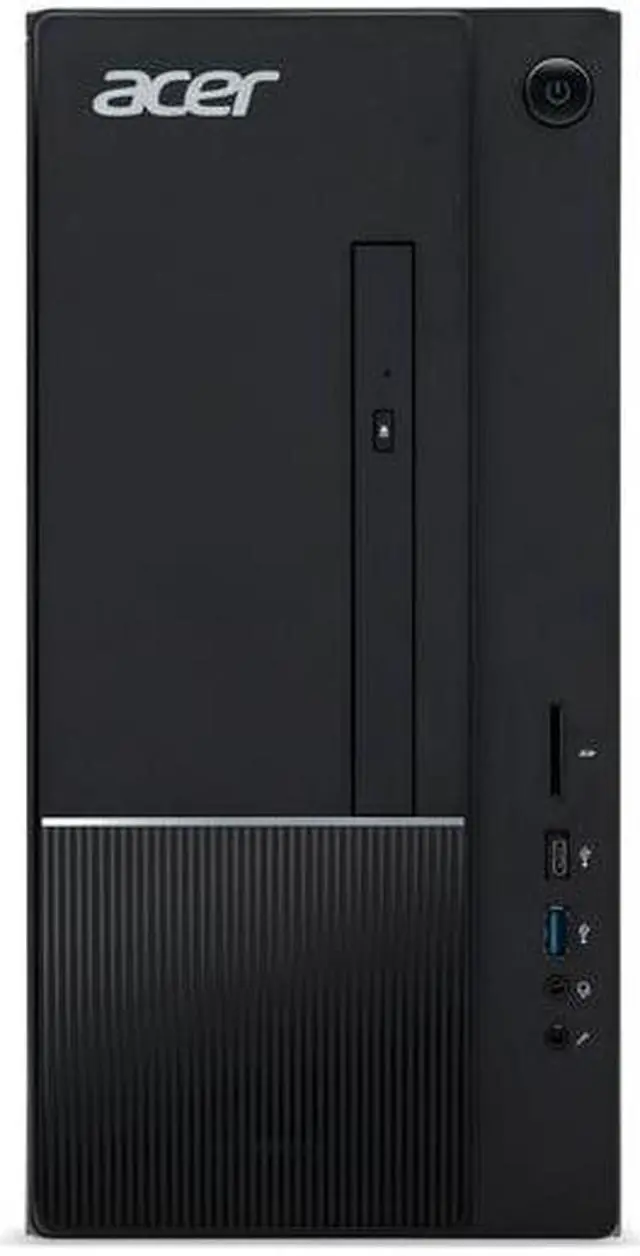
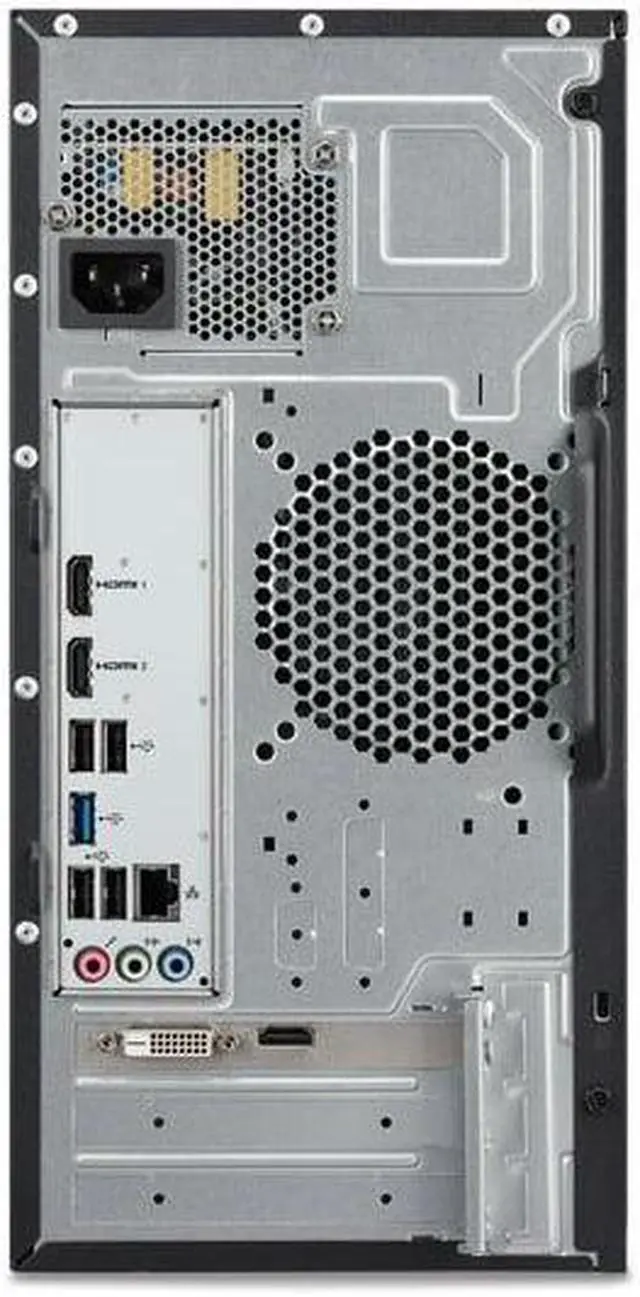
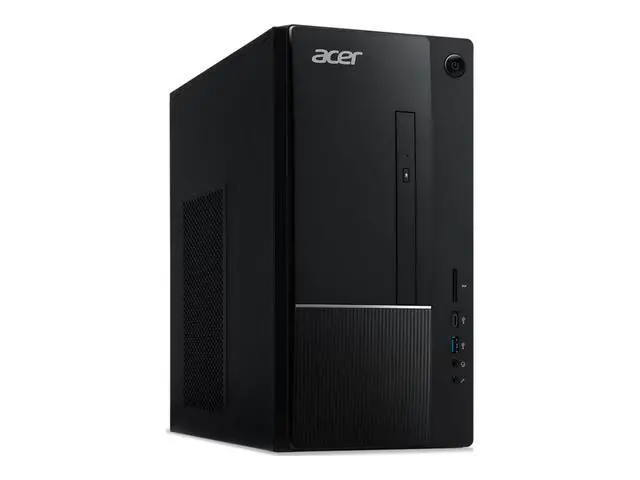



Any questions? Ask CelesteSM will help you find out quickly.
Q: Should I choose the Acer Aspire TC-1775-UR12 for light gaming, or buy a desktop with dedicated graphics?
A: Choose the TC-1775-UR12 if your priority is general computing and only occasional very light gaming, because this model relies on Intel UHD Graphics 730 rather than a dedicated GPU. Buy a desktop with dedicated graphics if gaming performance is a primary goal. This matters even more here because Acer's TC-1775 platform uses a 300W power supply and community guidance around this chassis suggests GPU upgrades are more limited than on a standard gaming tower.
Q: Is the Acer Aspire TC-1775-UR12 a good upgrade over an older 10th or 11th Gen Core i5 tower?
A: Yes, it is a sensible upgrade if your older desktop has 8GB memory, a smaller SSD, or an earlier 4- to 6-core Core i5. The TC-1775-UR12 combines a newer Core i5-14400 with 16GB DDR5 and a PCIe Gen 4 SSD, which better matches current multitasking expectations for Windows 11 home and office use. The upgrade is most worthwhile when your current system feels limited in responsiveness, memory capacity, or storage speed rather than when you only use a few light apps.
Q: Should I get this Acer Aspire desktop or move up to a Core i7 desktop?
A: Buy the Acer Aspire TC-1775-UR12 when your main use is office work, school, web browsing, streaming, and general productivity. The Core i5-14400 is already positioned as a mainstream desktop CPU with strong everyday performance, so a Core i7 system usually makes more sense only for heavier creation workloads, larger multitasking loads, or users who know they need more CPU headroom. For most non-gaming household and office buyers, the i5 configuration is the more balanced choice.
Q: Is the Acer Aspire TC-1775-UR12 a better choice than a mini PC?
A: The Acer Aspire TC-1775-UR12 is the better fit if you want a traditional desktop with more ports, easier storage expansion, and a standard tower setup for long-term home use. A mini PC is the better fit when desk space, lower power draw, and a smaller footprint matter more than expandability. Community discussions consistently treat mini PCs as strong options for light office work, but full-size towers remain the safer choice when you want simpler serviceability and more room for future upgrades.
Q: Should I buy the Acer Aspire TC-1775-UR12 or a cheaper Core i3 desktop for home and office use?
A: Choose the Acer Aspire TC-1775-UR12 if you regularly multitask across many browser tabs, Office apps, video calls, and light content work. Its Core i5-14400 has 10 cores and 16 threads, while common lower-tier options like the Core i3-14100 are 4-core chips, so the i5 model holds up better under heavier everyday workloads and should offer more headroom over time. A Core i3 desktop is still the more practical choice when the workload is limited to basic web, email, and document use and lower cost matters more than multitasking margin.


