





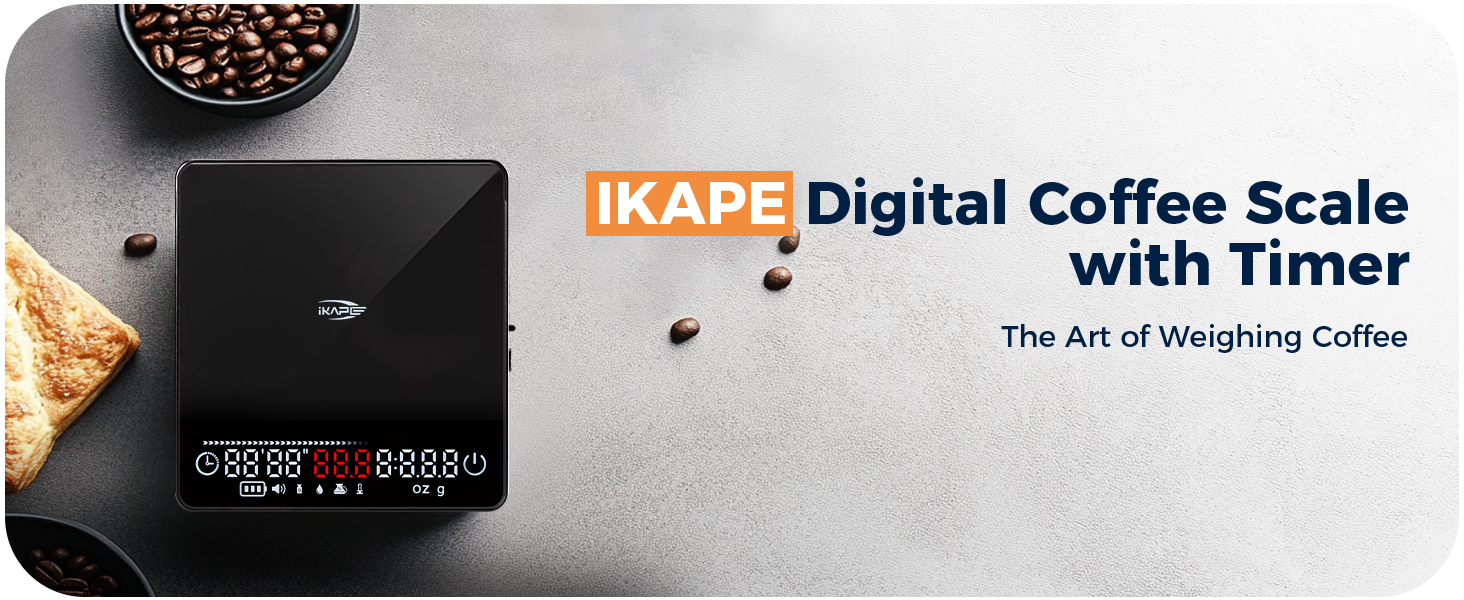
What makes an IKAPE espresso scale different from a regular kitchen scale?
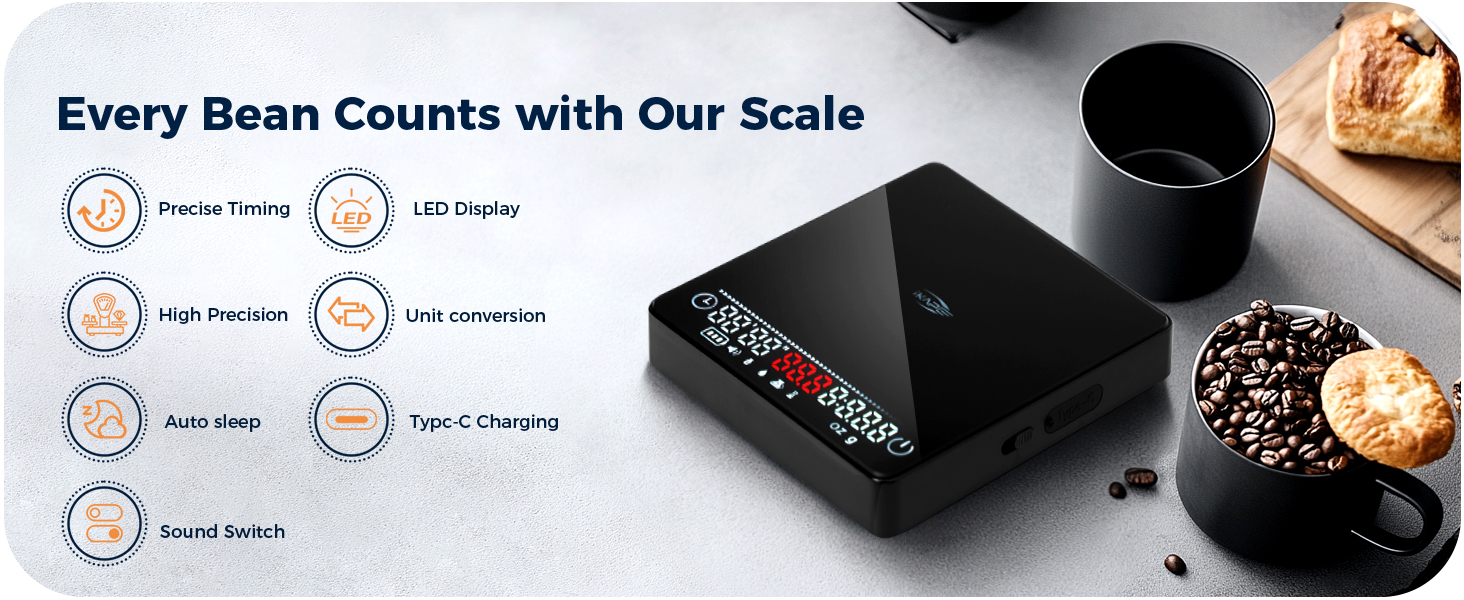
Key differences include much higher precision (typically 0.1g sensitivity vs. 1g), and dedicated features like auto-tare, auto-start timers, and brew modes that track weight and time simultaneously.
Why is 0.1-gram precision important for making espresso?
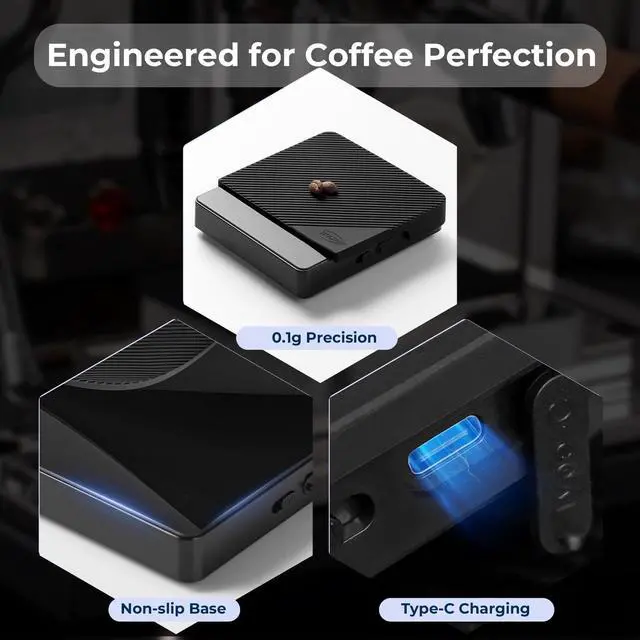
Small changes in coffee dose or yield greatly affect taste. A 1-2 gram difference can make espresso taste sour, bitter, or weak. 0.1g precision allows for unparalleled consistency.
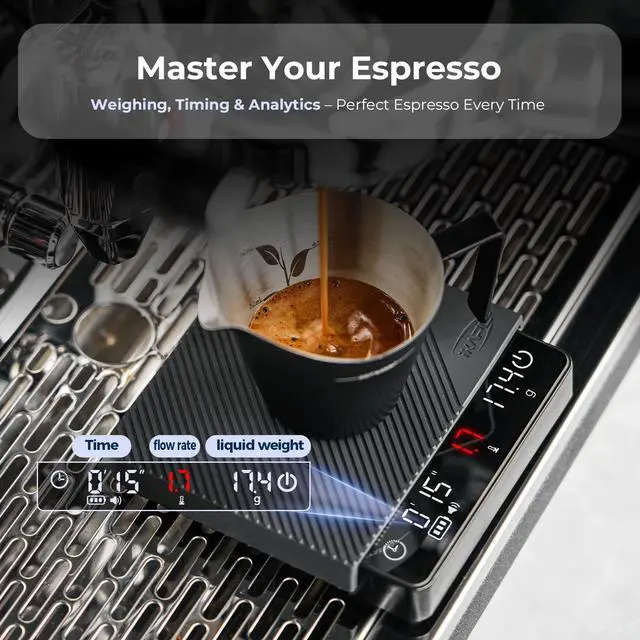
What is "auto-tare" and "auto-start timer" mode?
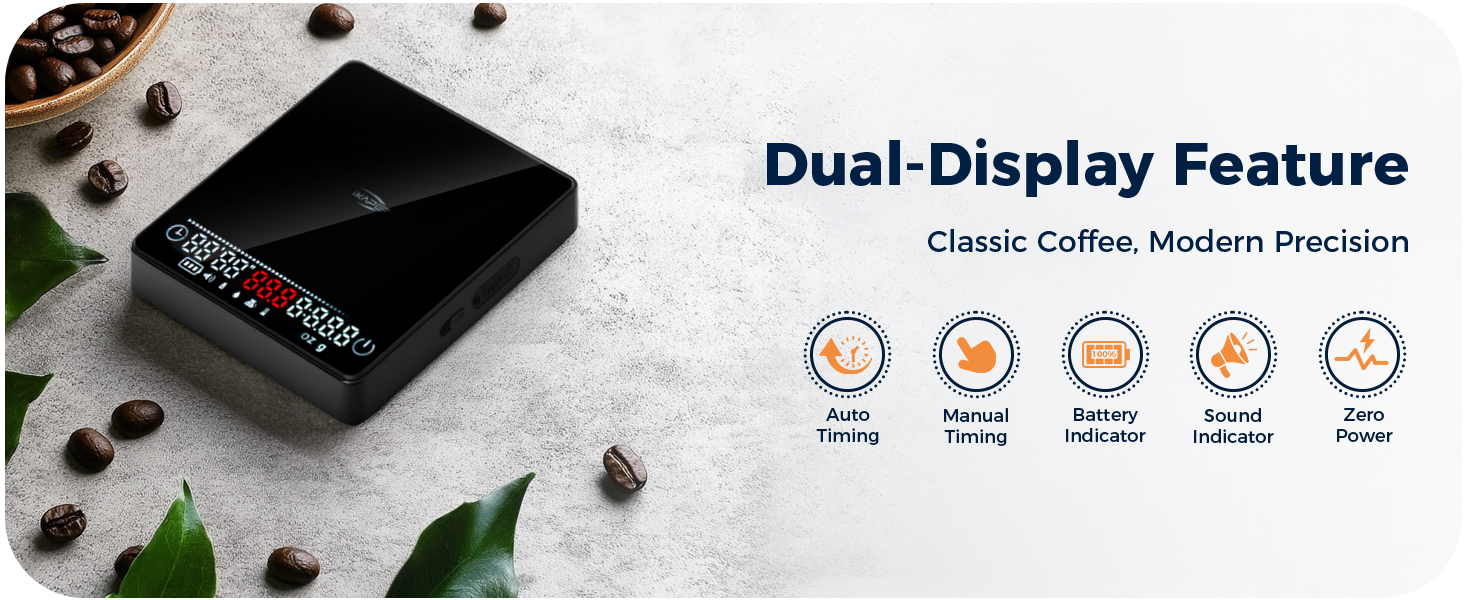
Auto-tare resets weight to zero automatically. Auto-start timer begins counting when espresso first drips, so you can focus on brewing.
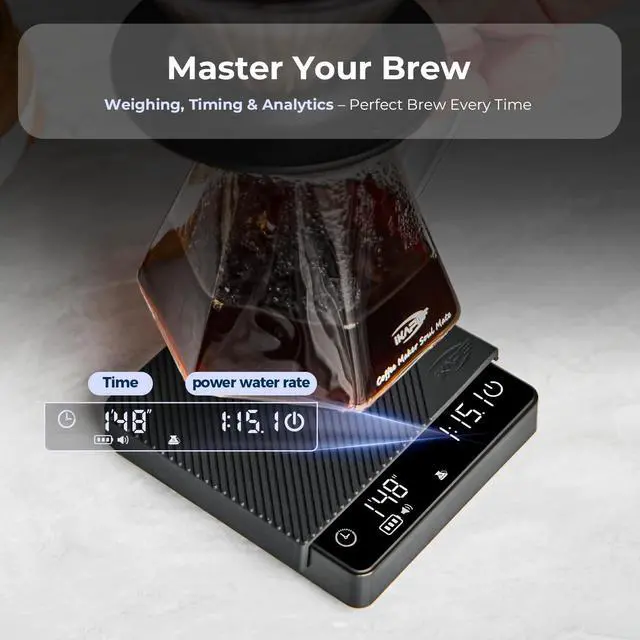
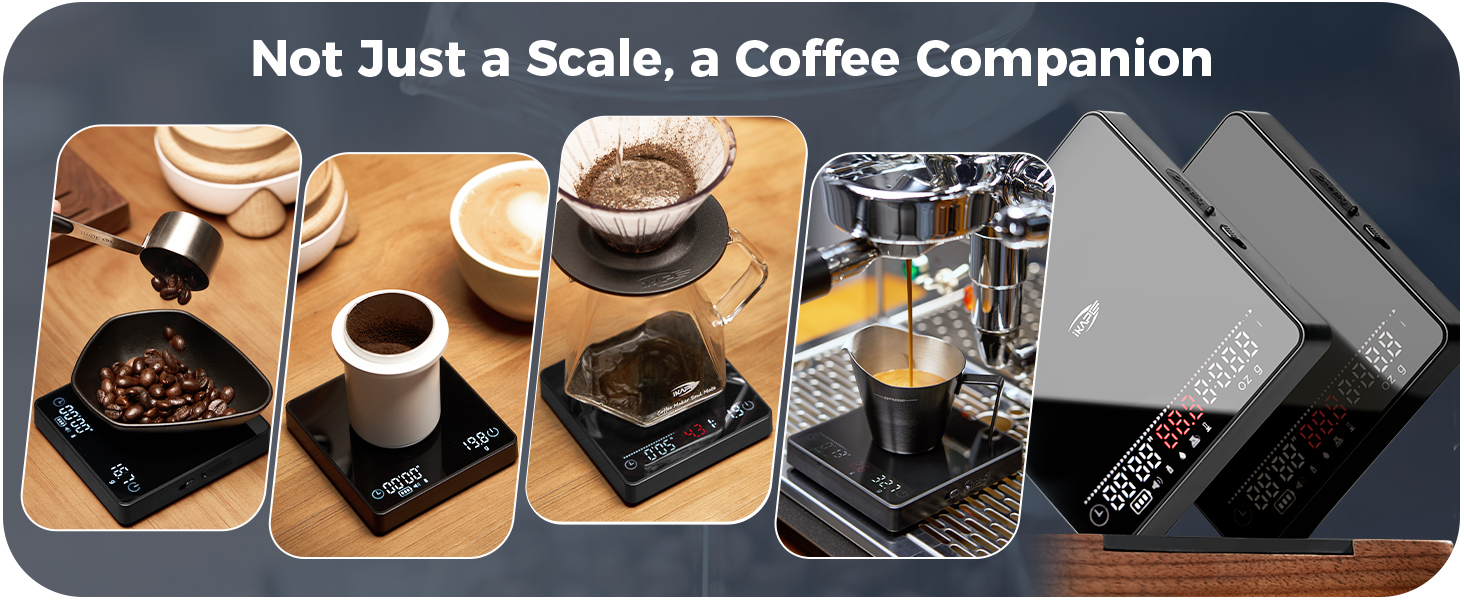
Can it be used for other brew methods like pour-over?
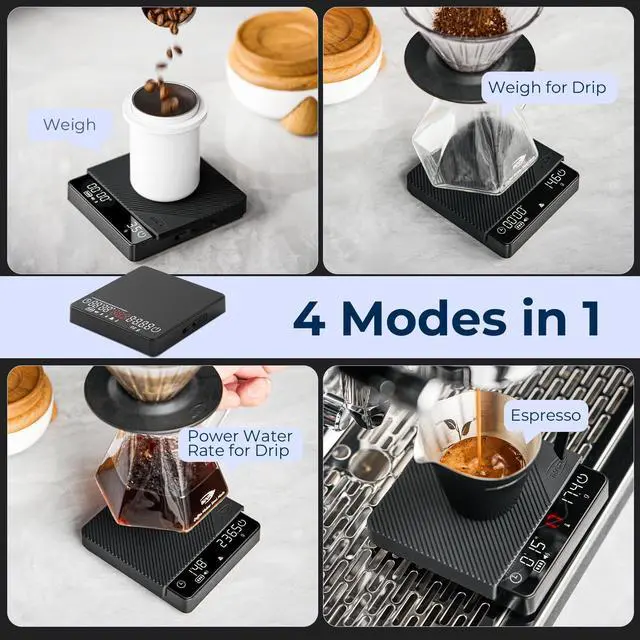
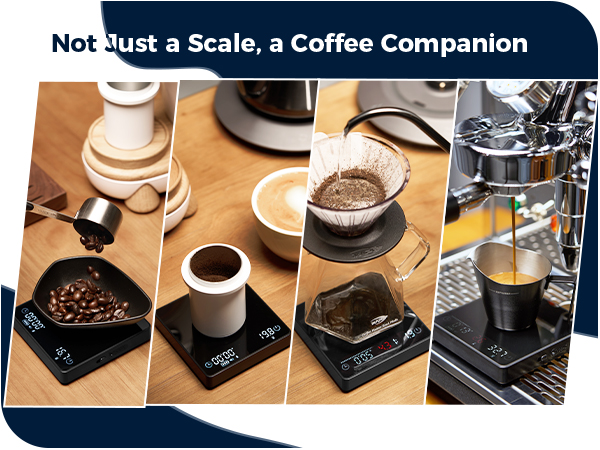
Yes, its precision and timer are great for all manual brewing methods.
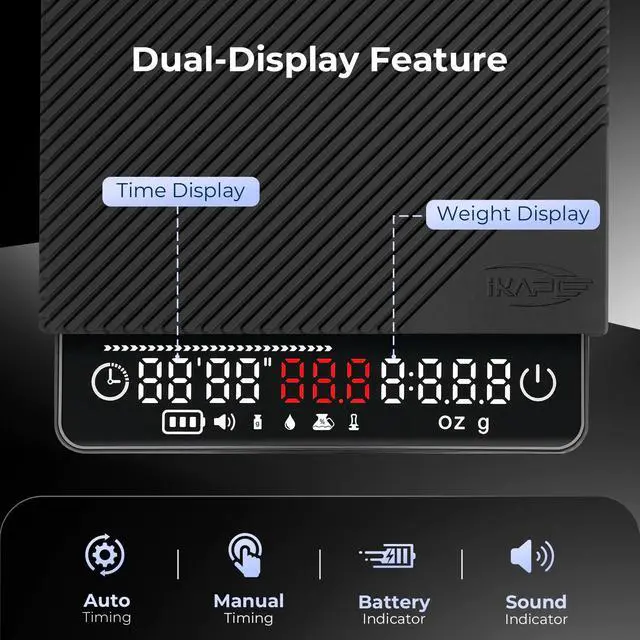
Is the display on the IKAPE Espresso Scale easy to read during actual use?
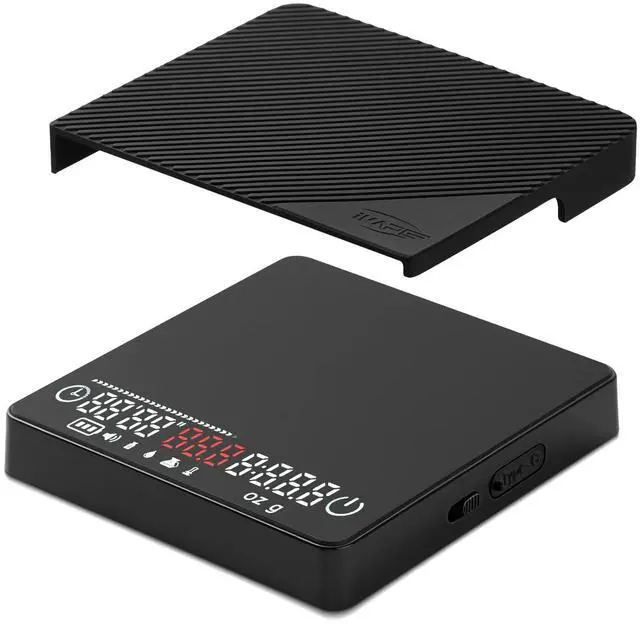
Yes. Its large, bright LED screen is clearly visible from all angles, even with cups or equipment on top.
What makes an IKAPE espresso scale different from a regular kitchen scale?
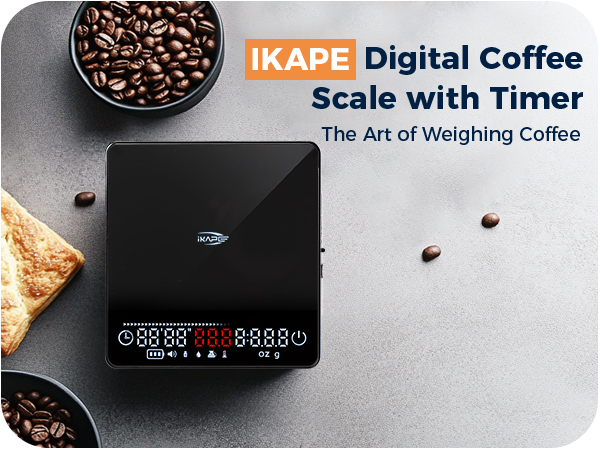
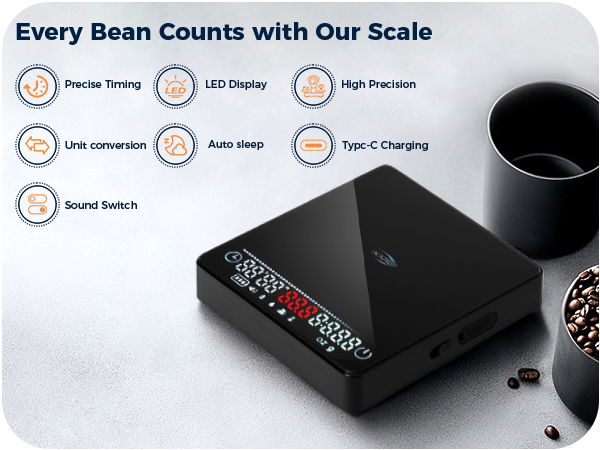
Key differences include much higher precision (typically 0.1g sensitivity vs. 1g), and dedicated features like auto-tare, auto-start timers, and brew modes that track weight and time simultaneously.
Why is 0.1-gram precision important for making espresso?
Small changes in coffee dose or yield greatly affect taste. A 1-2 gram difference can make espresso taste sour, bitter, or weak. 0.1g precision allows for unparalleled consistency.
What is "auto-tare" and "auto-start timer" mode?
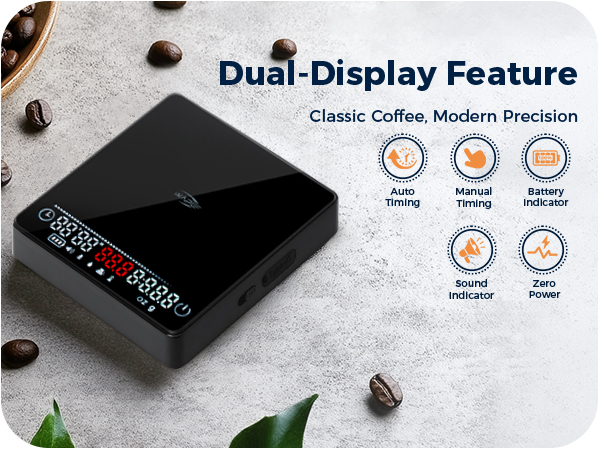
Auto-tare resets weight to zero automatically. Auto-start timer begins counting when espresso first drips, so you can focus on brewing.
Can it be used for other brew methods like pour-over?
Yes, its precision and timer are great for all manual brewing methods.
Is the display on the IKAPE Espresso Scale easy to read during actual use?
Yes. Its large, bright LED screen is clearly visible from all angles, even with cups or equipment on top.