






Welcome to ZeQi Store!
Born from a love of natural materials and purposeful design, we are dedicated to bringing you high-quality kitchen and home experiences. By carefully selecting natural materials and incorporating modern design, we aim to make every product a piece of art in your daily life.
Why Choose Us
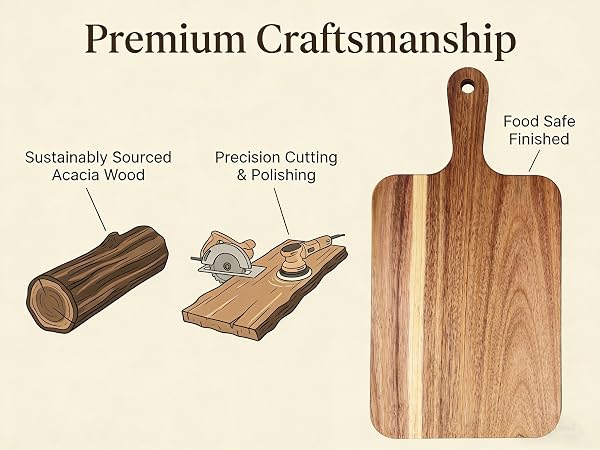
Premium Materials | Expert Craftsmanship | Intentional Design
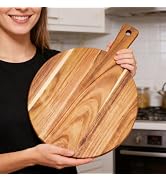
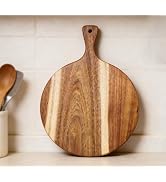
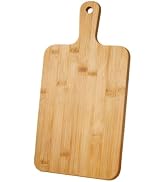
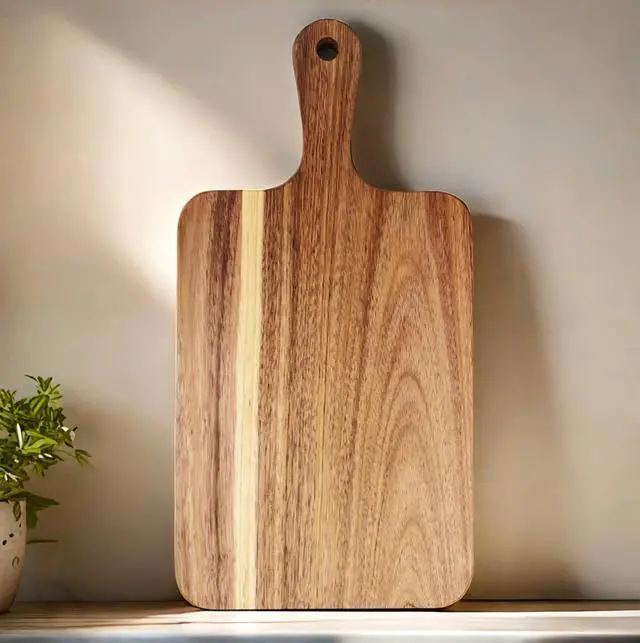
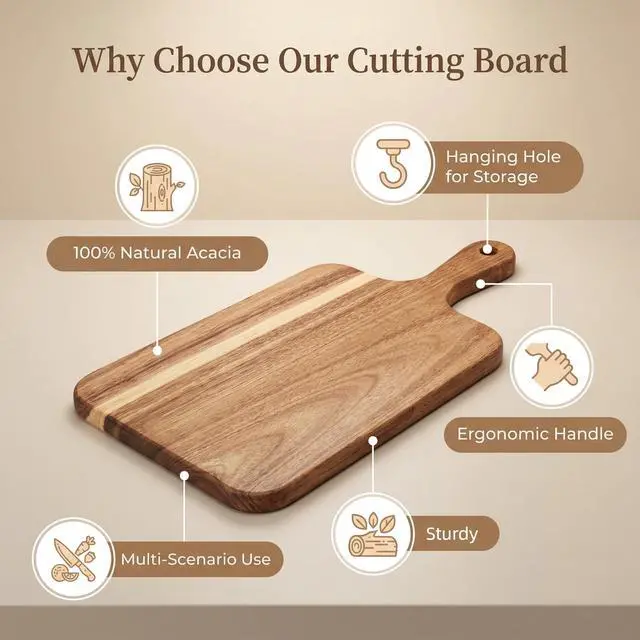
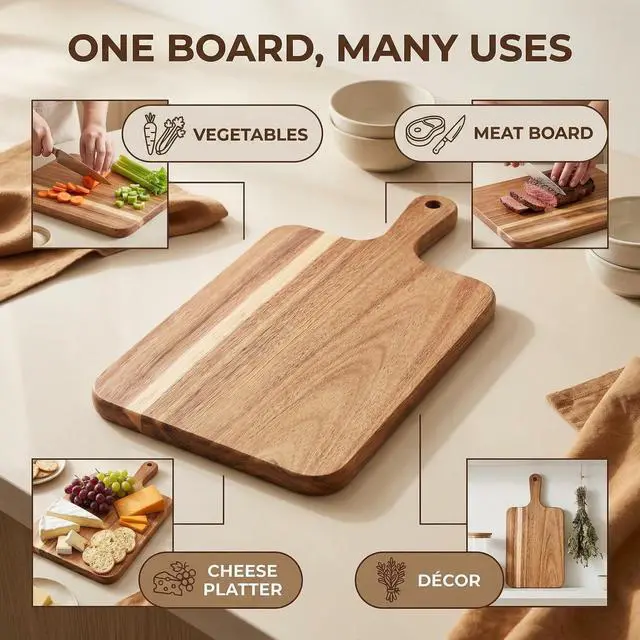
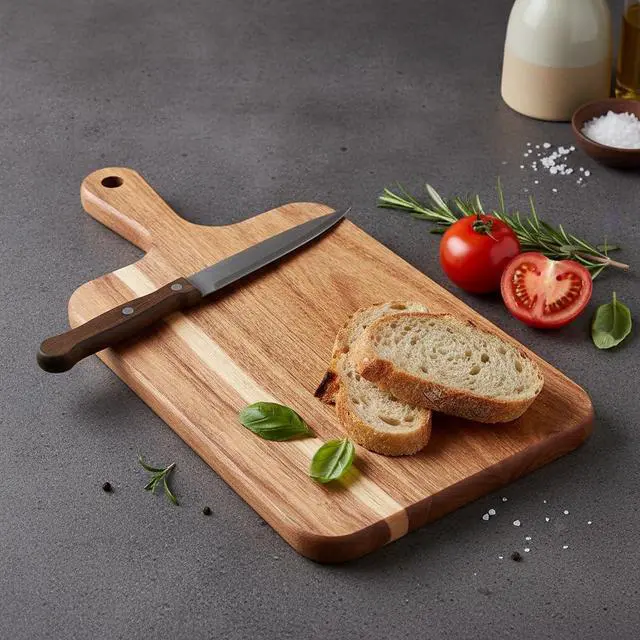
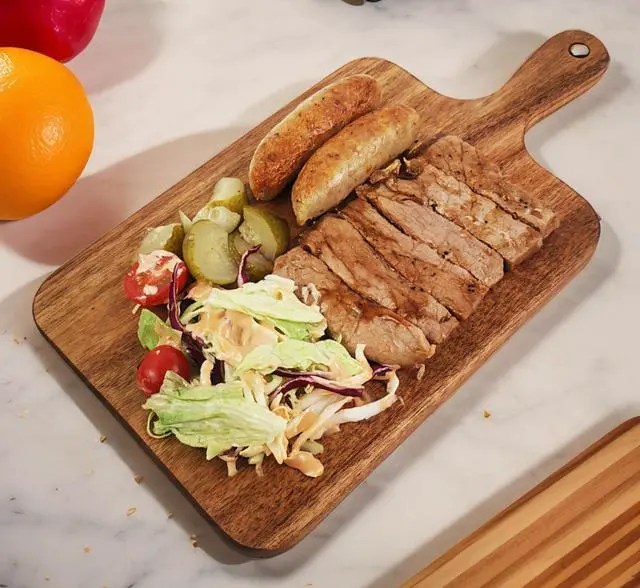
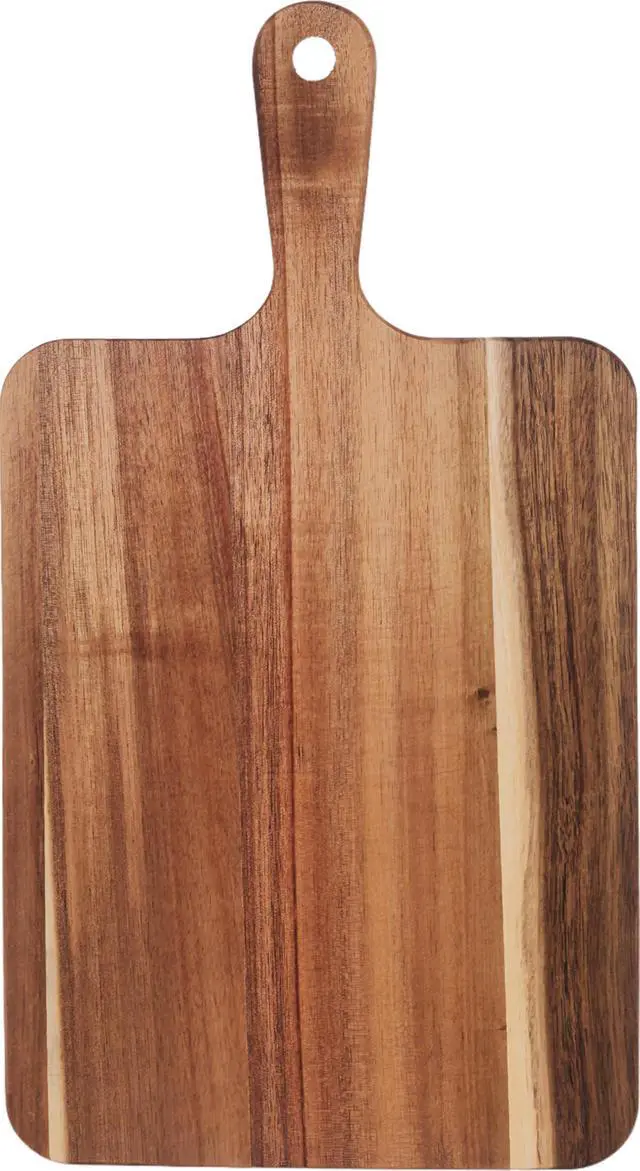
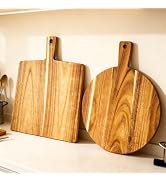
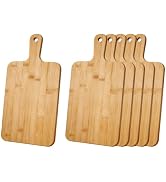
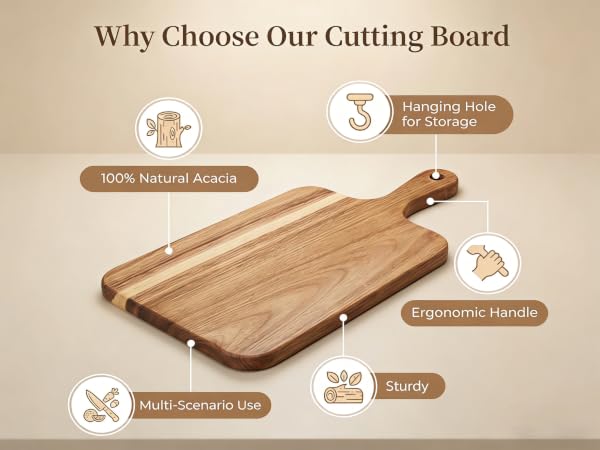
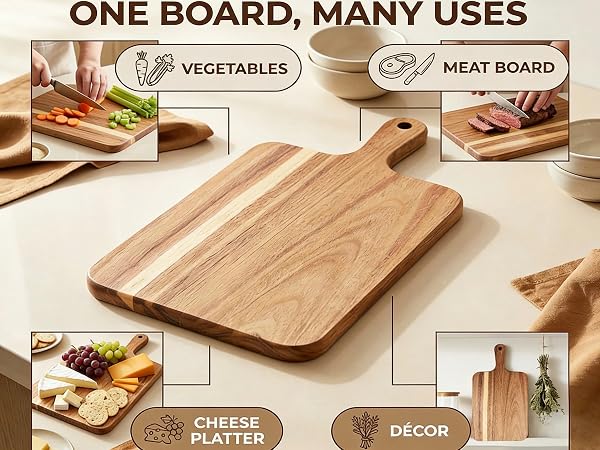
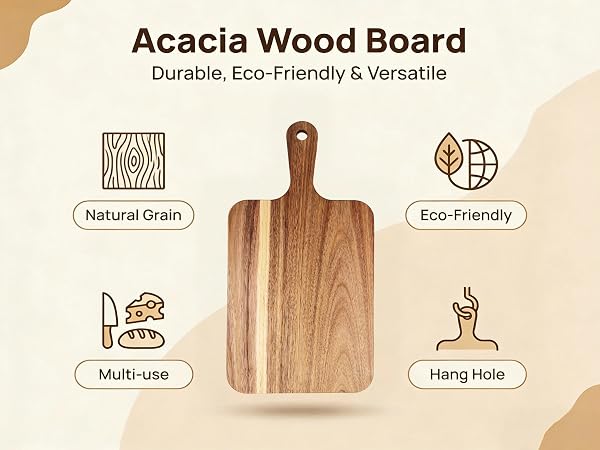
Acacia Wooden Cutting Boards
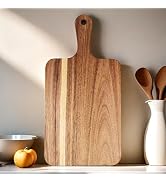
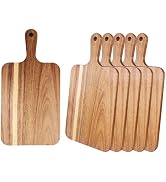
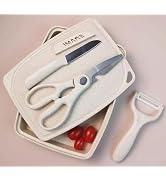
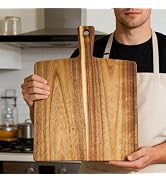
Cutting Boards
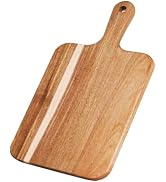
Home Essentials

Does this Cutting Board need special maintenance and how to clean it?
1. Wash by hand with mild soap and warm water
2. Wipe with a towel and let it air dry
3. Apply food-grade oil or cutting board oil every 1–2 weeks to keep it from drying out or cracking
4. Do not soak or put it in the dishwasher
Why does my cutting board get knife marks after use?
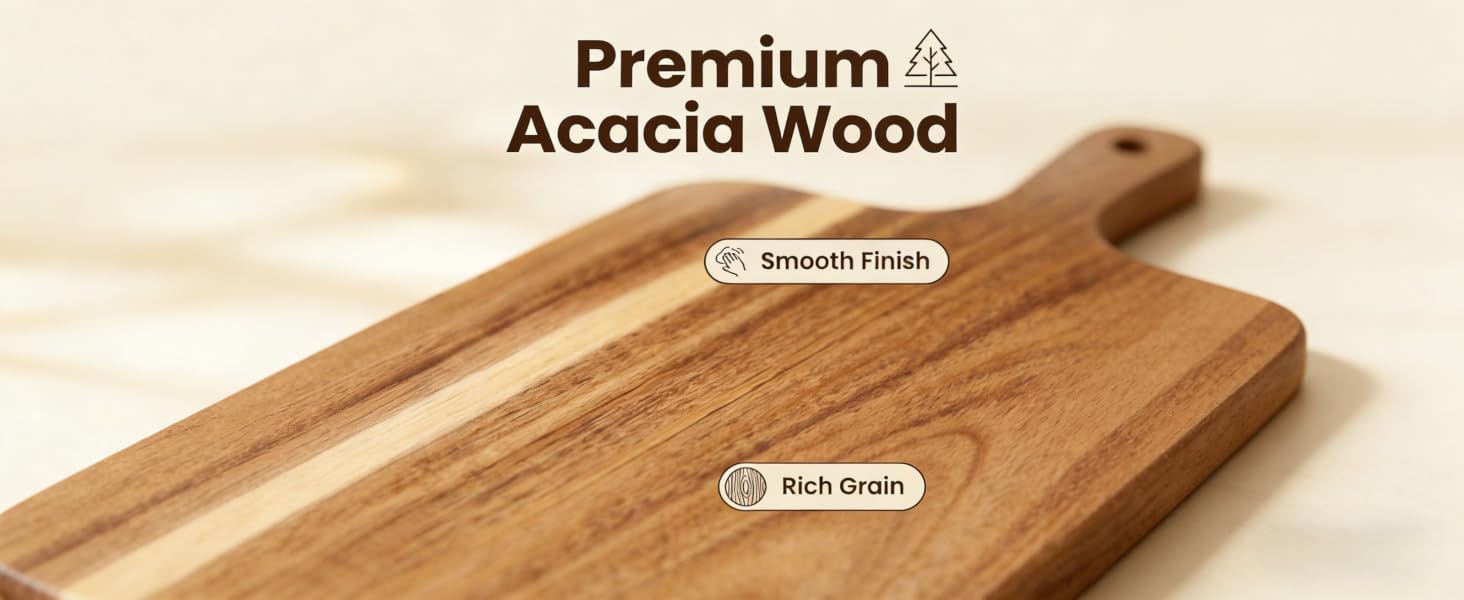
Minor knife marks are normal for natural acacia wood. They indicate the board protects your knives rather than dulling them
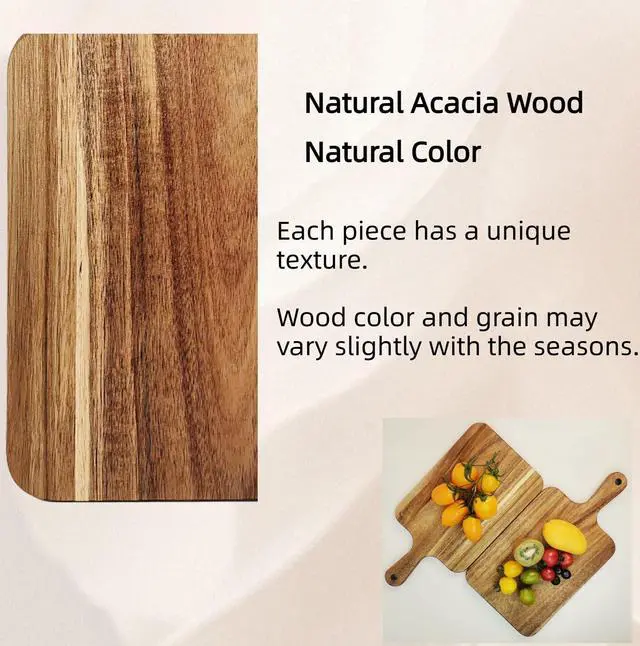
Why does the cutting board look different?
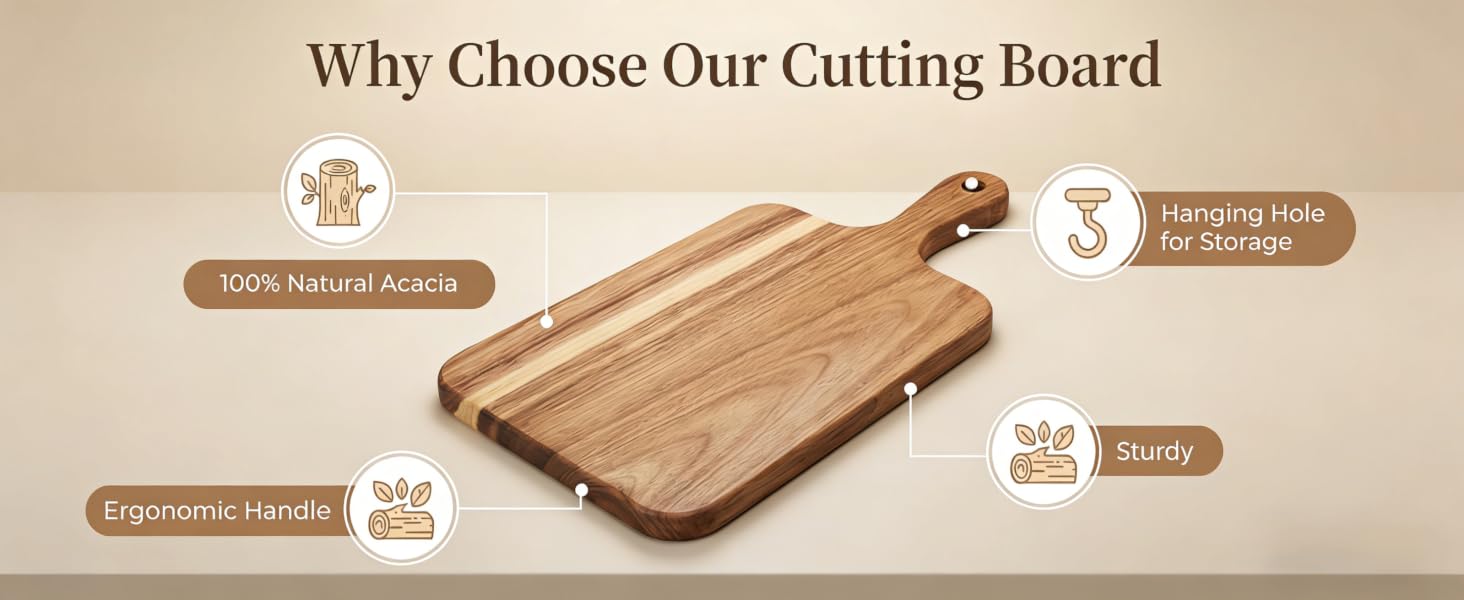
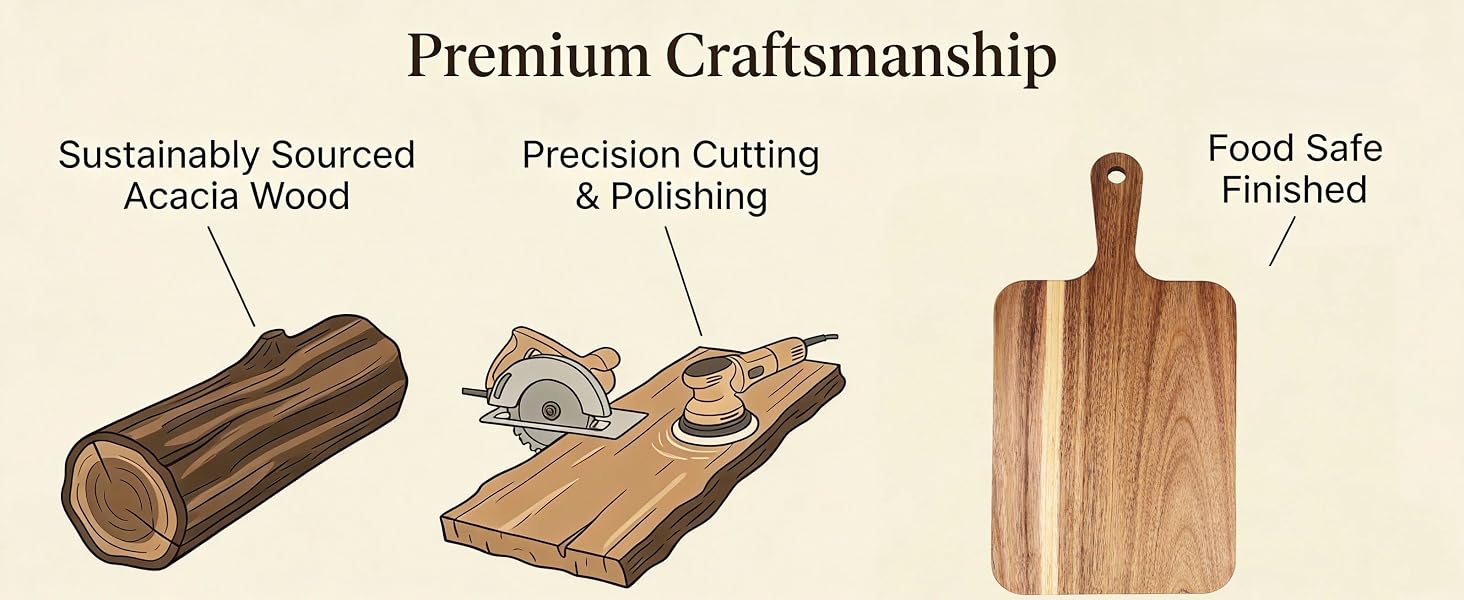
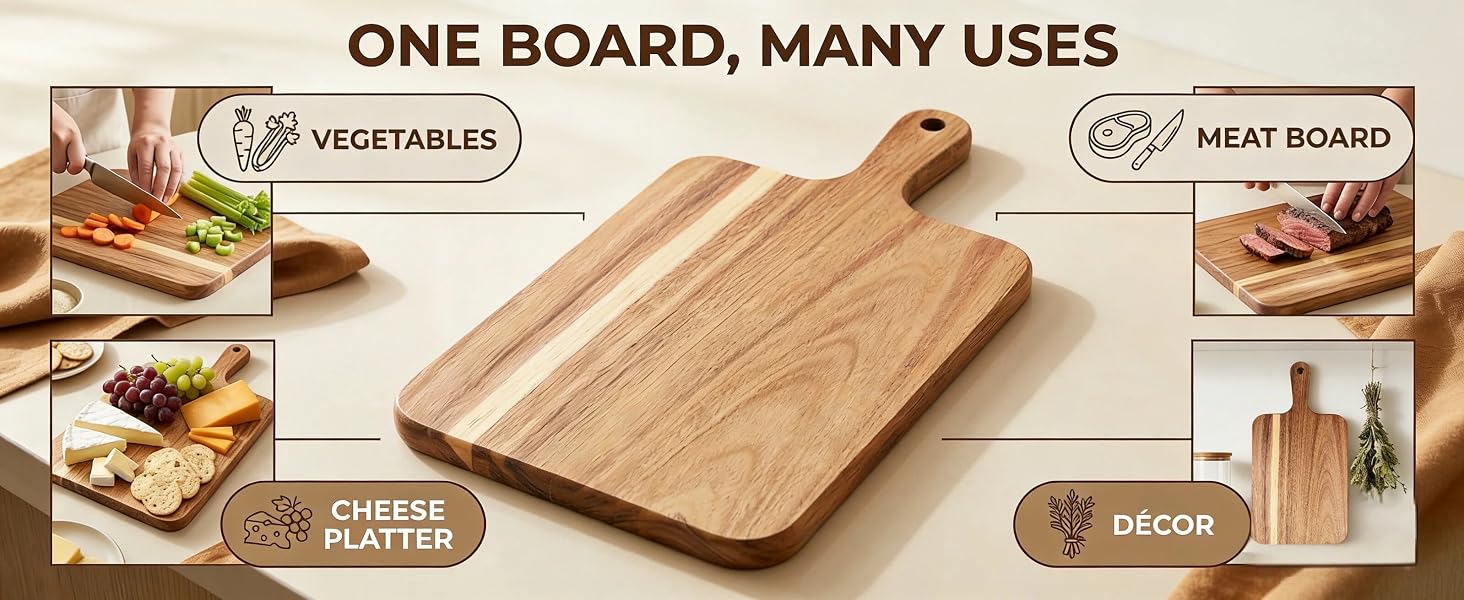
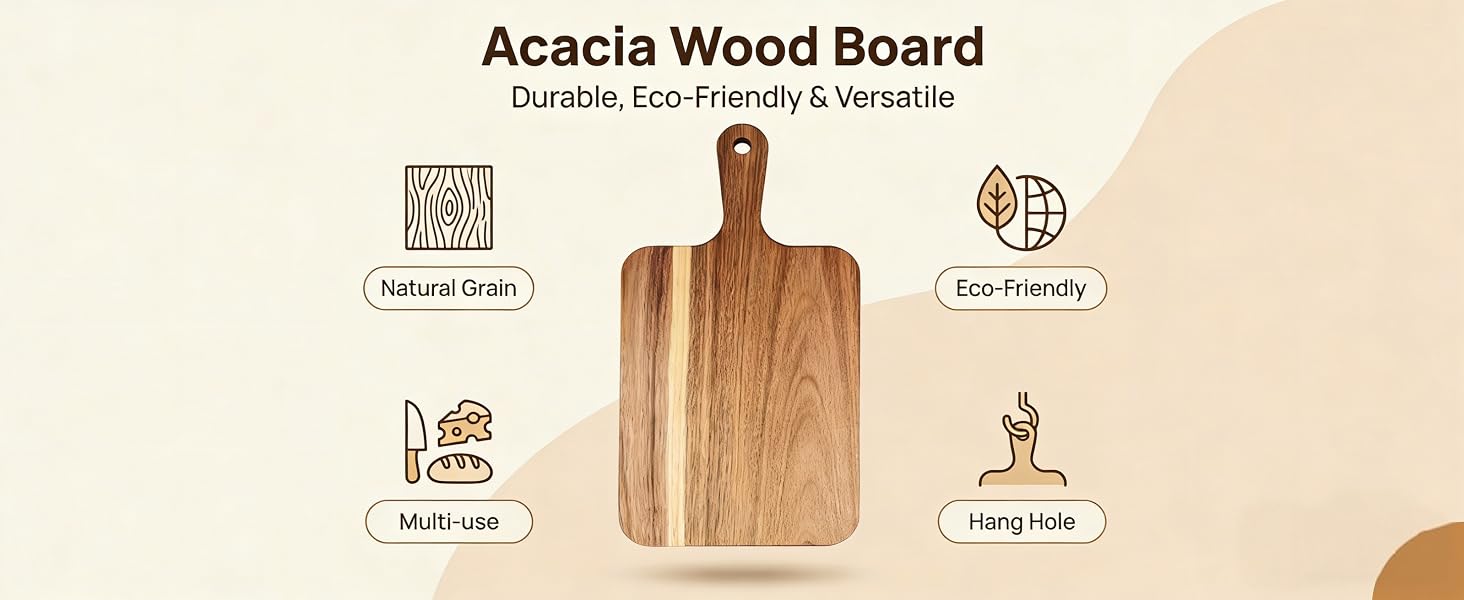
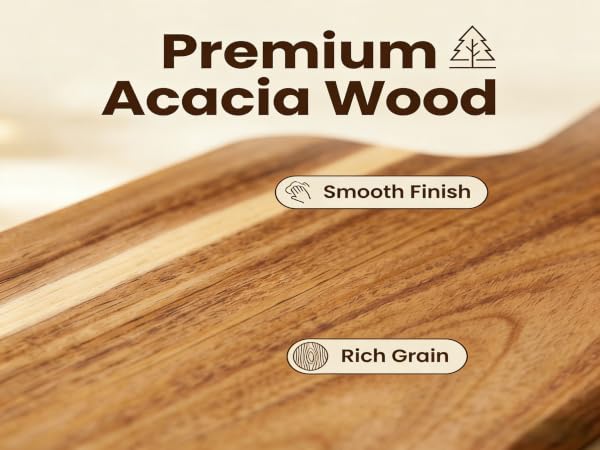
Differences in appearance are due to the natural characteristics of acacia wood. Grain patterns, color tones, and texture may vary from piece to piece, which is normal for genuine solid wood
Can I chop bones on this board? Will it splinter?
We do not recommend cutting hard bones on this board. If splinters appear from improper use, you can gently sand the board with fine sandpaper, then clean and apply food-grade oil. It will look brand new again.
Welcome to ZeQi Store!
Born from a love of natural materials and purposeful design, we are dedicated to bringing you high-quality kitchen and home experiences. By carefully selecting natural materials and incorporating modern design, we aim to make every product a piece of art in your daily life.
Why Choose Us
Premium Materials | Expert Craftsmanship | Intentional Design
Acacia Wooden Cutting Boards
Cutting Boards
Home Essentials

Does this Cutting Board need special maintenance and how to clean it?
1. Wash by hand with mild soap and warm water
2. Wipe with a towel and let it air dry
3. Apply food-grade oil or cutting board oil every 1–2 weeks to keep it from drying out or cracking
4. Do not soak or put it in the dishwasher
Why does my cutting board get knife marks after use?
Minor knife marks are normal for natural acacia wood. They indicate the board protects your knives rather than dulling them
Why does the cutting board look different?
Differences in appearance are due to the natural characteristics of acacia wood. Grain patterns, color tones, and texture may vary from piece to piece, which is normal for genuine solid wood
Can I chop bones on this board? Will it splinter?
We do not recommend cutting hard bones on this board. If splinters appear from improper use, you can gently sand the board with fine sandpaper, then clean and apply food-grade oil. It will look brand new again.