




 here!
I’m your shopping assistant for PC builds, upgrades, and everything tech.
Got questions? Ask away!
Start a conversation
here!
I’m your shopping assistant for PC builds, upgrades, and everything tech.
Got questions? Ask away!
Start a conversation




Any questions? Ask CelesteSM will help you find out quickly.
What is PETG Basic Material?
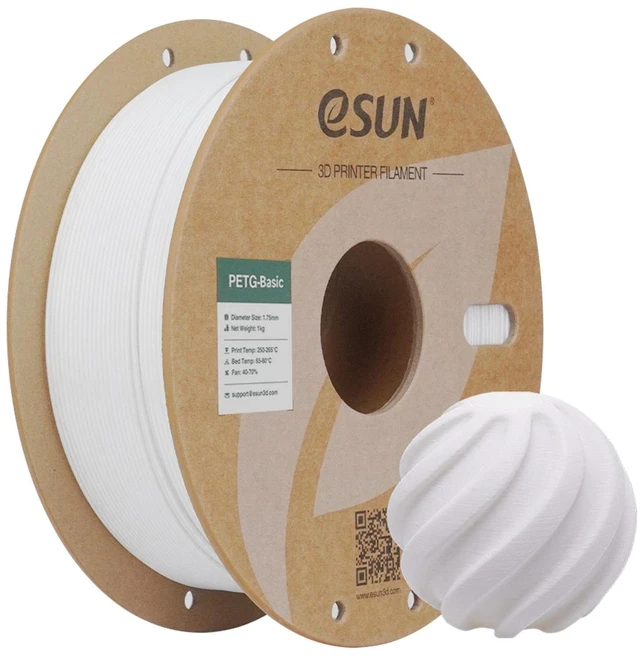
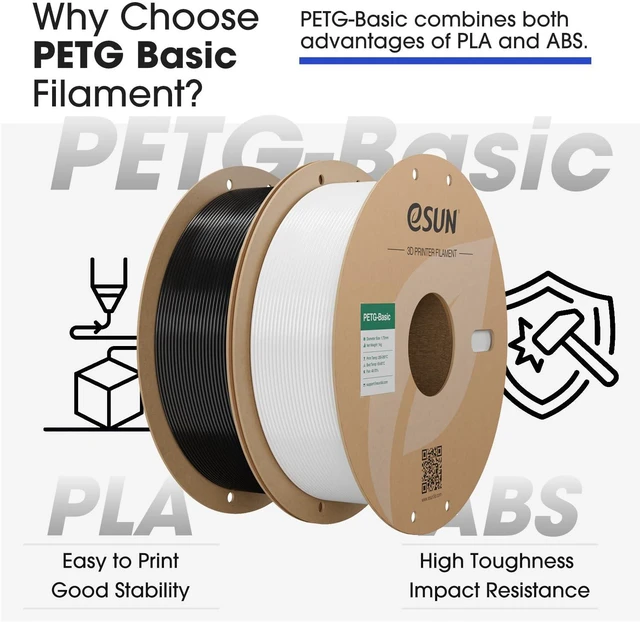
Combining the advantages of PLA and ABS, eSUN PETG Basic offering you high cost-performance while ensuring both excellent performance and wide range of applications.
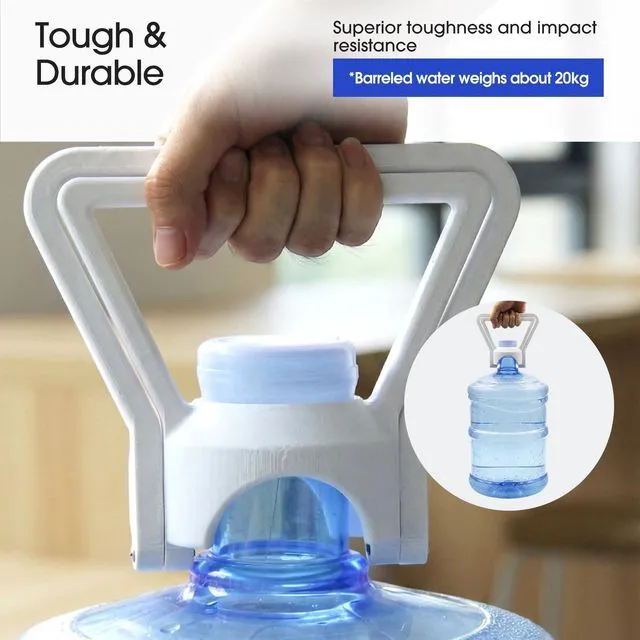
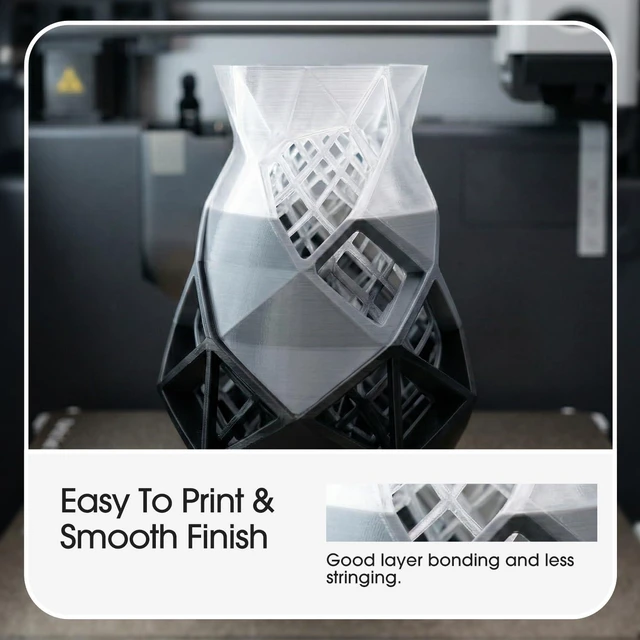
High toughness, capable of withstanding impacts and deformations, ensuring the durability and reliability of printed models. Glossy printing surface.
Available Colors:
Solid Black, Solid White, Solid Silver, Solid Grey, Translucent Blue, Translucent Natural, Red, Translucent Green, Translucent Orange, Translucent Light Green, Translucent Light Blue, Translucent Light Pink, Translucent Light Purple.
Recommended Printing Parameters:
Printing Temperature : 240-260 Bed Temperature: 75-90°C Printing Speed: <200mm/s
Fan Speed: 50%-100%
Please Notice:
The picture shown is a representation of the item, color may vary slightly due to the color setting of each individual monitor. Please double check the size and color before purchasing.
| Item Diameter Unit | millimeters |
| Item Diameter Decimal Value | 1.75 |
| Item Weight | 2 kilograms |
| Package Quantity | 1 |
| Brand Name | eSUN |
| Number of Items | 1 |
| Item Package Dimensions | 13.9954 L x 20.9042 W x 21.59 H centimeters |
| Size | PETG 1.75MM - 2KG(Total 2 Spools) |
| Color | W2-white |
| Package Weight | 2.64 kilograms |
| Manufacturer | eSUN |
| Number of Boxes | 1 |
| Additional Features | High Toughness, Glossy Surface, Dimensional Stability, Wide Range of Applications, Superior Strength Finish, Tough Mechanical Parts, Chemical UV Resistance |
| Are batteries required? | false |
| Material Type | Polyethylene Terephthalate Glycol |
| Unit Count Type | Ounce |
| Unit Count | 70.5479 |
| Batteries are Included | false |
eSUN PETG Basic is a 1.75 mm, 1 kg white 3D printer filament designed for makers and professionals who want a tough, glossy material with good dimensional stability for durable models, functional parts, and detailed projects.
| Attribute | Value |
|---|---|
| Best For | 3D printing projects that need PETG material with high toughness, a glossy surface, and dimensional stability, including durable mechanical parts |
| Material And Print Characteristics | PETG Basic filament made from Polyethylene Terephthalate Glycol, with high toughness, glossy surface, dimensional stability, and chemical and UV resistance |
| Filament Dimensions | 1.75 mm filament diameter |
| Color | W2-white |
| Weight And Quantity | 1 kg total filament weight in one package |
| Brand | eSUN |
Q: Is eSUN PETG Basic better than PLA Basic for functional 3D prints?
A: Choose eSUN PETG Basic for functional parts that need greater toughness, impact resistance, water resistance, or moderate temperature resistance. Choose PLA Basic for decorative models, prototypes, and fine-detail prints where easier printing, lower temperatures, and lower warping are the priority. PETG Basic is the more suitable option for brackets, holders, snap-fit parts, and other parts exposed to regular use.
Q: Should I buy eSUN PETG Basic or eSUN PETG+HS?
A: Choose eSUN PETG Basic for general-purpose PETG printing, glossy functional parts, and standard-speed workflows. Choose PETG+HS when reducing print time is a primary goal and your printer, hotend, and slicer profile support higher material flow. PETG+HS is the speed-focused option, while PETG Basic is the more straightforward choice for everyday printing and broad compatibility.
Q: Is eSUN PETG Basic easier to print than ABS or ASA?
A: For most open-frame printers and large parts, eSUN PETG Basic is the simpler choice because PETG generally has lower warping and is less dependent on an enclosure. Choose ABS when higher temperature resistance or acetone smoothing is important, and choose ASA for outdoor parts that need stronger UV resistance. ABS and ASA usually require more controlled ambient conditions, especially for large prints.
Q: Is eSUN PETG Basic a good alternative to Bambu PETG for everyday printing?
A: Choose eSUN PETG Basic when you want a standard 1.75 mm, 1 kg PETG spool for general functional printing across different printer brands. Choose Bambu’s PETG line when you prioritize integration with a Bambu printer workflow, including manufacturer-specific profiles and ecosystem convenience. With either option, print quality depends on drying, extrusion calibration, bed preparation, and the selected profile.
Q: Will this filament work with my 3D printer?
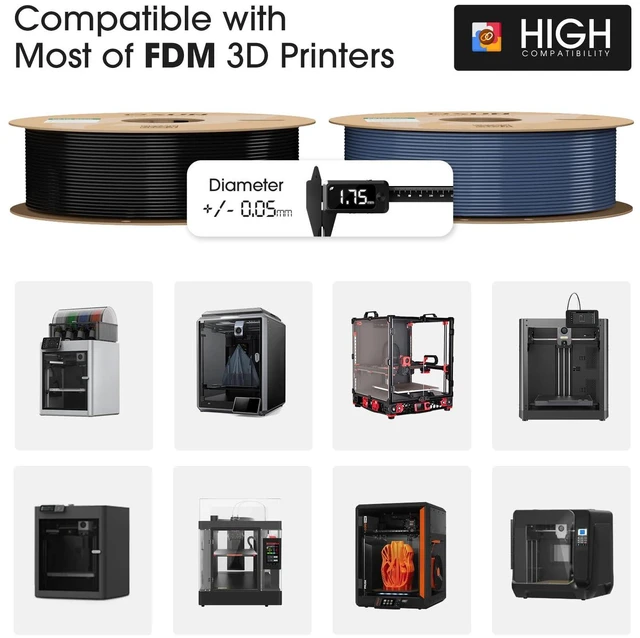
A: It is designed for 1.75 mm FDM/FFF 3D printers that support PETG. Confirm that your printer accepts 1.75 mm filament and provides the nozzle and heated-bed temperatures required for PETG; diameter alone does not guarantee compatibility.
Q: Does PETG filament need to be dried before printing?
A: Not necessarily when the spool is freshly opened and properly sealed, but PETG can absorb moisture during storage. If you notice stringing, popping sounds, rough surfaces, or inconsistent extrusion, dry the filament and store it with desiccant or in a dry container.
Q: What printer settings should I use for this PETG filament?
A: Start with your printer’s standard PETG material profile, then calibrate nozzle temperature, bed temperature, cooling, speed, and retraction for the specific printer. The provided product information does not specify an exact temperature range, so use the manufacturer’s recommended settings when available rather than copying settings for another PETG formulation.
Q: Who is this PETG filament best suited for?
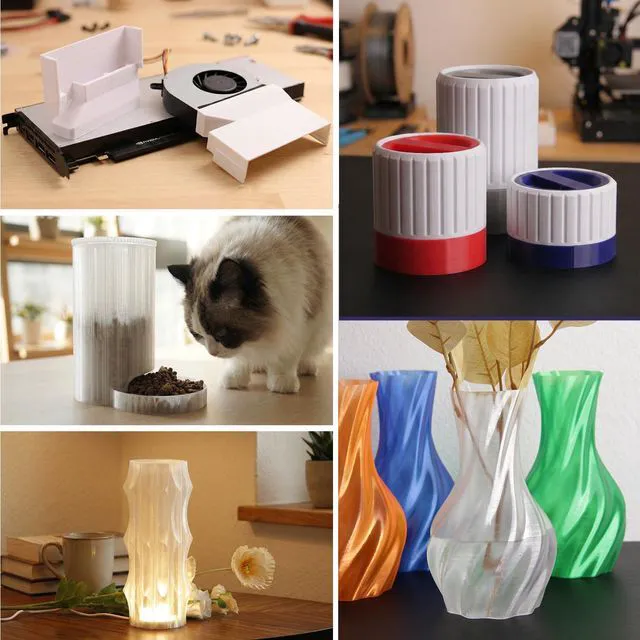
A: It is suitable for users who need tougher, more impact-resistant parts than typical basic PLA can provide, including functional prototypes, brackets, housings, fixtures, and durable decorative models. It is a practical choice when strength, toughness, dimensional stability, and a glossy surface are more important than the simplest possible printing workflow.
Q: What are the main trade-offs of using this PETG filament?
A: The main benefit is a balance of toughness, impact resistance, dimensional stability, and glossy appearance. The trade-offs are that PETG generally requires more careful temperature and bed-adhesion tuning than beginner-oriented materials, and moisture control may be needed for consistent results after the spool has been opened.
Q: Is eSUN PETG Basic worth buying for general 3D printing?
A: It can be a reasonable value choice for functional PETG parts if you are willing to dry and calibrate the filament. Community reports range from good prints and strong price-to-performance to inconsistent flow or spool-quality issues, so buying one spool first is safer than stocking up immediately.
Q: Does eSUN PETG Basic need to be dried before printing?
A: Drying is recommended, especially when prints show stringing, bubbles, rough surfaces, or poor layer quality. Reddit users report that eSUN PETG can be moisture-sensitive and that drying often improves print results, even when the spool is newly opened.
Q: Can eSUN PETG Basic be printed with generic PETG settings?
A: Generic PETG settings can be a useful starting point, but they may not be optimal. Users commonly report better results after adjusting temperature, flow, retraction, cooling, and maximum volumetric speed for their specific printer and spool.
Q: What are the main trade-offs of using eSUN PETG Basic?
A: The main benefit is PETG's combination of toughness and functional durability compared with PLA. The trade-offs are that PETG generally requires more tuning, can string when moisture is present, and may have less consistent flow or finish between spools than higher-priced options.
Q: Who is eSUN PETG Basic best suited for?
A: It is best suited to users printing functional parts, brackets, containers, fixtures, or other models that need more toughness than standard PLA. It is less suitable for beginners seeking completely plug-and-play printing or for users who do not want to dry and calibrate filament.


