




 here!
I’m your shopping assistant for PC builds, upgrades, and everything tech.
Got questions? Ask away!
Start a conversation
here!
I’m your shopping assistant for PC builds, upgrades, and everything tech.
Got questions? Ask away!
Start a conversation
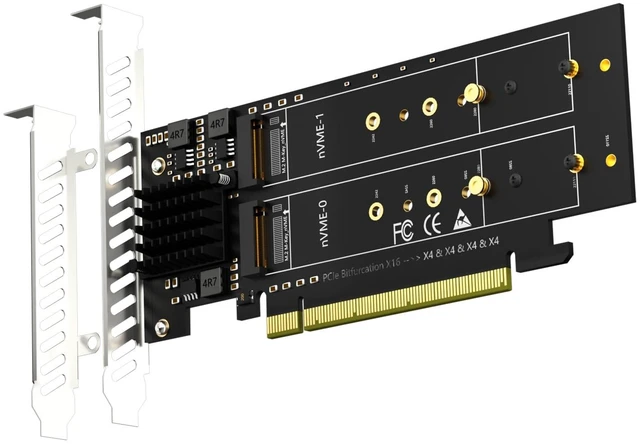
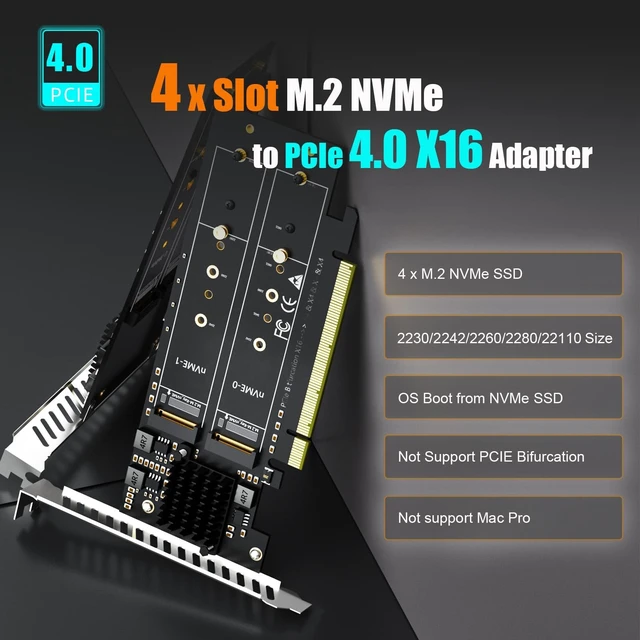
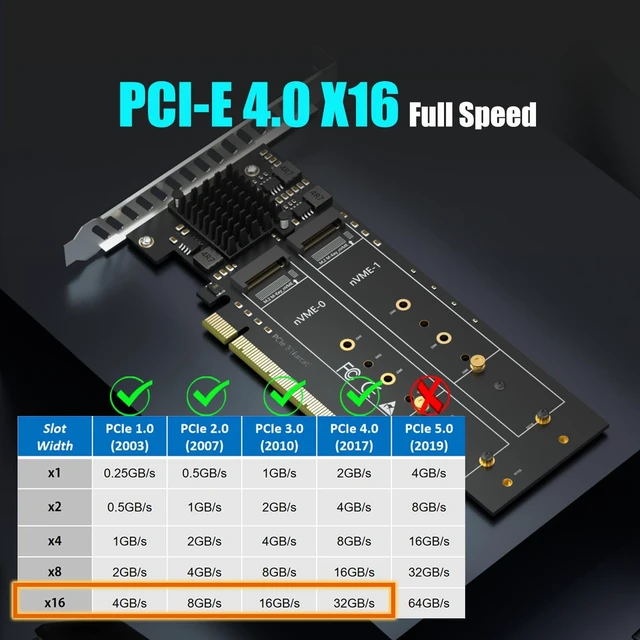
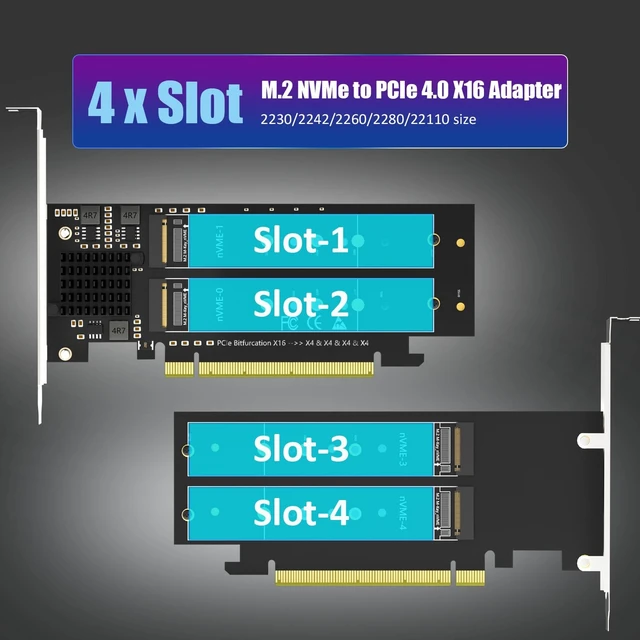



Any questions? Ask CelesteSM will help you find out quickly.


GLOTRENDS specializes in developing high-performance PCIe adapters and riser cables for computer engineers and DIY enthusiasts.
The products mainly include 2 series: PCIe adapters (M.2 SSD Adapter, SATA Card, WiFi/Ethernet Card, USB Card, etc) and PCIe 5.0/4.0/3.0 extension cables.
The goal of GLOTRENDS is to provide quality-assured and cost-effective products to customers worldwide. Customized production is welcome.
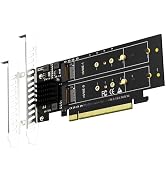
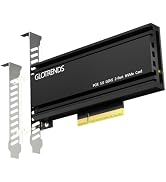
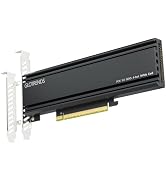
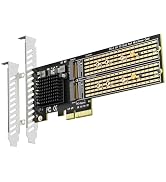

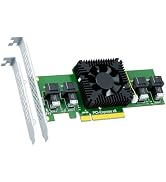
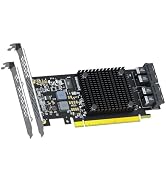
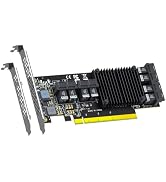


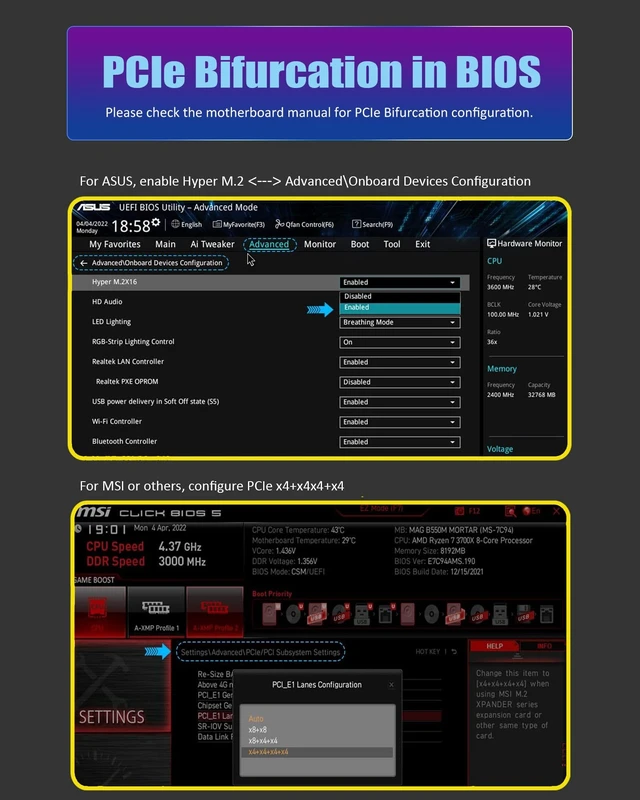
Enable Hyper M.2 <---> Advanced\Onboard Devices Configuration

Configure PCIe x4+x4x4+x4

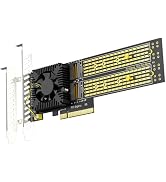
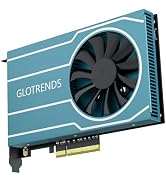
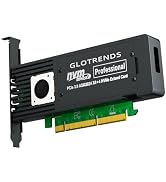
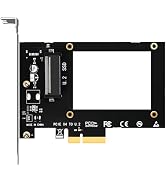
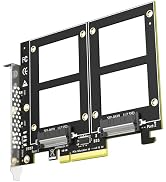
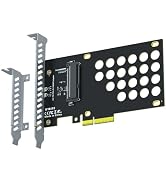
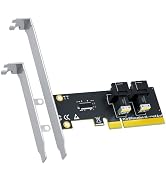
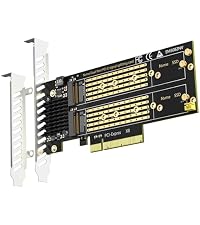 PA21 | 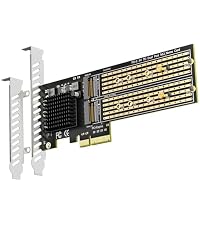 PA20 |  PA52 |  PA54 |  ST560 |  PA44 |  ST558 | |
|---|---|---|---|---|---|---|---|
Customer Reviews | — | — | — | — | — | — | — |
Price | — | — | — | — | — | — | — |
M.2 Slot | 2 | 2 | 2 | 4 | 4 | 4 | 8 |
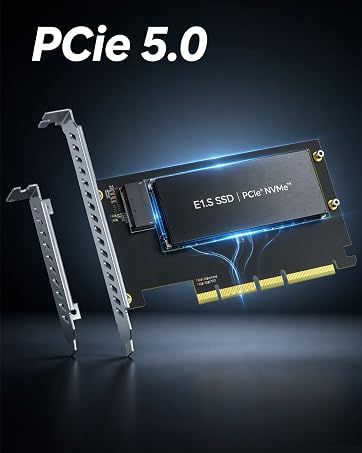
PCIE Bus | PCIe 4.0 X8 | PCIe 3.0 X4 | PCIe 5.0 X8 | PCIe 5.0 X16 | PCIe 3.0 X8 | PCIe 4.0 X8 | PCIe 4.0 X16 |
PCIe Bifurcation | No | Yes | No | No | Yes | Yes | Yes |
Software RAID | Yes | Yes | Yes | Yes | Yes | Yes | Yes |
Support Mac Pro | No | Yes | No | No | Yes | Yes | Yes |
What does "Bifurcation Required" mean for a four-drive card?
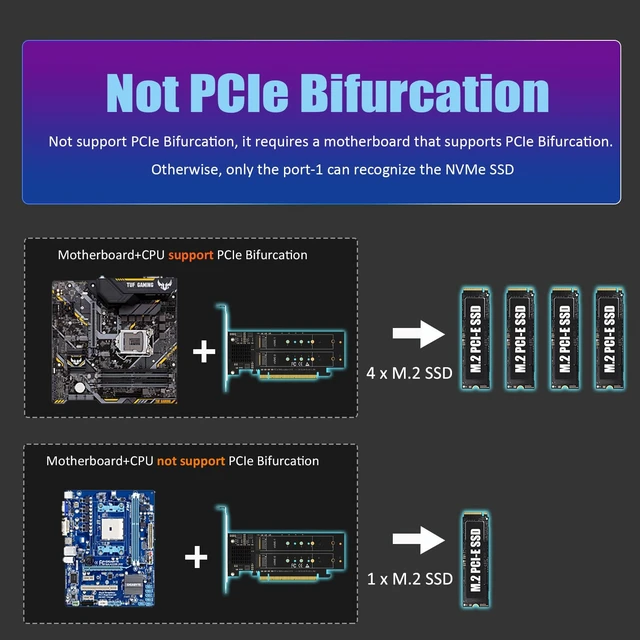
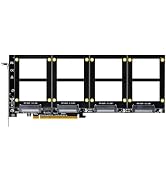
The PA41 has no chip that splits PCIe lanes by itself. Your motherboard must divide the x16 slot into four x4 links (X4X4X4X4, or Hyper M.2 X16 on ASUS) and that option must be enabled in BIOS/UEFI.
How do I check my motherboard before buying?
Open the manual's PCIe expansion slot section and look for "PCIe bifurcation", "lane splitting", "x4x4x4x4" . Then confirm the exact slot: it must be a CPU-connected x16 slot. one that shares lanes with the GPU, often drops to x8/x4/x2.
I only see one, two or three of my four SSDs. What should I do?
In order: (1) set the slot to X4X4X4X4 in BIOS, not Auto; (2) install the latest motherboard BIOS; (3) move the card to a CPU-connected x16 slot; (4) swap SSDs between sockets to rule out a drive issue; (5) initialize and format new drives.
What speed will I get on PCIe 3.0 hardware, or with PCIe 5.0 SSDs?
Full 64Gbps per drive needs a Gen4 CPU, Gen4 slot and Gen4 SSDs. PCIe 3.0/2.0 systems run at their own speeds (about 16GB/s across a PCIe 3.0 x16 link). A Gen5 SSD runs at Gen4 x4 speed at best;
| Interface to PC | PCI-Express 4.0 X16 (256GBbps at max) |
|---|---|
| Interface to SSD | 4 x Key M ( Support 2230/2242/2260/2280/22110 form factor) |
| OS Compatibility | Windows 11 / 10 / 8, Linux, macOS; not Windows 7 and Mac Pro |
| PCIe Bifurcation | Not support, so it requires a motherboard that supports PCIe Bifurcation |
| Hardware Platform | Intel and AMD motherboard with PCIe Bifurcation (Note: not support Mac Pro) |
| CPU Requirements | Intel 11th Gen or Ryzen 5000 Series and above |
| RAID Setup | Software RAID setup via Windows Disk Management or Linux mdadm Utility |
| OS Boot | UEFI boot from a drive on the card, subject to motherboard NVMe boot support; older boards = storage only |
| Drive Count Variability | Number of M.2 PCIe SSD may vary depending on different CPUs and motherboards |
| Host Slot | CPU-connected PCIe x16 slot with X4X4X4X4 bifurcation enabled in BIOS |
| PCIe Compatibility | PCIe 4.0 / 3.0 / 2.0 at respective speeds; ~16GB/s on PCIe 3.0 x16 |
| Gen4 Full-Speed Requirement | Gen4 CPU (Intel 11th Gen or newer), Gen4 slot, Gen4 SSDs |
| No Bifurcation | Only NVMe-1 socket detected |
| SSDs in Box | Not included |
| Installation | PA41 card, 4 x M.2 screws and copper standoffs, low-profile and Regular-profile bracket, bracket mounting screws, screwdriver |


Enable Hyper M.2 <---> Advanced\Onboard Devices Configuration
Configure PCIe x4+x4x4+x4
Software RAID for M.2 NVMe SSD
PA21 | PA20 | PA52 | PA54 | ST560 | PA44 | ST558 |
|---|---|---|---|---|---|---|
| Customer Reviews | ||||||
| — | — | — | — | — | — | — |
| Price | ||||||
| — | — | — | — | — | — | — |
| M.2 Slot | ||||||
| 2 | 2 | 2 | 4 | 4 | 4 | 8 |
| PCIE Bus | ||||||
| PCIe 4.0 X8 | PCIe 3.0 X4 | PCIe 5.0 X8 | PCIe 5.0 X16 | PCIe 3.0 X8 | PCIe 4.0 X8 | PCIe 4.0 X16 |
| PCIe Bifurcation | ||||||
| No | Yes | No | No | Yes | Yes | Yes |
| Software RAID | ||||||
| Yes | Yes | Yes | Yes | Yes | Yes | Yes |
| Support Mac Pro | ||||||
| No | Yes | No | No | Yes | Yes | Yes |
What does "Bifurcation Required" mean for a four-drive card?
The PA41 has no chip that splits PCIe lanes by itself. Your motherboard must divide the x16 slot into four x4 links (X4X4X4X4, or Hyper M.2 X16 on ASUS) and that option must be enabled in BIOS/UEFI.
How do I check my motherboard before buying?
Open the manual's PCIe expansion slot section and look for "PCIe bifurcation", "lane splitting", "x4x4x4x4" . Then confirm the exact slot: it must be a CPU-connected x16 slot. one that shares lanes with the GPU, often drops to x8/x4/x2.
I only see one, two or three of my four SSDs. What should I do?
In order: (1) set the slot to X4X4X4X4 in BIOS, not Auto; (2) install the latest motherboard BIOS; (3) move the card to a CPU-connected x16 slot; (4) swap SSDs between sockets to rule out a drive issue; (5) initialize and format new drives.
What speed will I get on PCIe 3.0 hardware, or with PCIe 5.0 SSDs?
Full 64Gbps per drive needs a Gen4 CPU, Gen4 slot and Gen4 SSDs. PCIe 3.0/2.0 systems run at their own speeds (about 16GB/s across a PCIe 3.0 x16 link). A Gen5 SSD runs at Gen4 x4 speed at best;
GLOTRENDS specializes in developing high-performance PCIe adapters and riser cables for computer engineers and DIY enthusiasts.
The products mainly include 2 series: PCIe adapters (M.2 SSD Adapter, SATA Card, WiFi/Ethernet Card, USB Card, etc) and PCIe 5.0/4.0/3.0 extension cables.
The goal of GLOTRENDS is to provide quality-assured and cost-effective products to customers worldwide. Customized production is welcome.
| Brand | GLOTRENDS |
| Hardware Interface | PCI Express x16 |
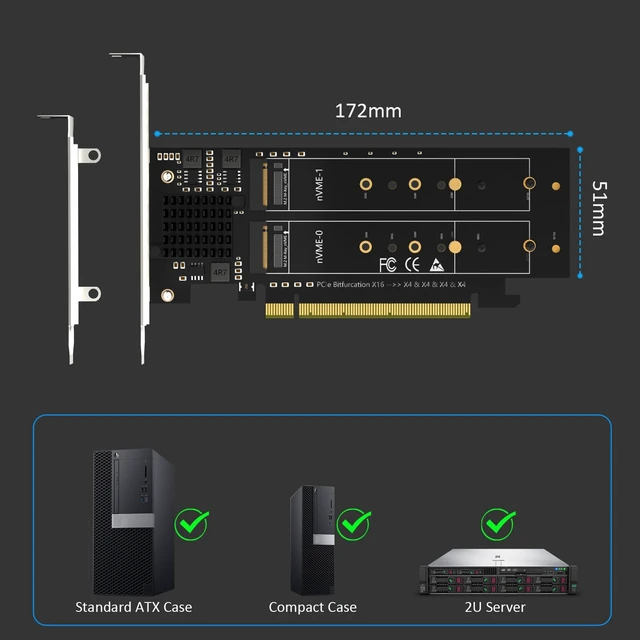
| Product Dimensions | 6.77"L x 2"W x 4.7"H |
| Style | Quad M.2 NVMe to PCIe 4.0 X16 Adapter without PCIe Bifurcation Function |
| Item Weight | 0.14 kg |
| Model Number | PA41 |
| Number of Items | 1 |
| Manufacturer | glotrends |
| Item Highlight | Four NVMe SSDs on One X16 Slot, Up to 64Gbps per Drive, 2230-22110, Soft RAID via OS, CHECK: Bifurcation Required |
| Item Type Name | Quad M.2 PCIe Host Adapter |
| Mfr Part Number | PA41 |
| Warranty Description | 30 Day Warranty Against Manufacturer Defects |
| Compatible Devices | PC/Server (PCIe Slot support PCIe Bifurcation: X4X4 or Hyper M.2 X16 mode), Not support Mac Pro |
| Operating System | Linux, Windows, Mac OS (Not support Windows 7/ Mac Pro 5.1) |
| Item Dimensions L x W x H | 6.77"L x 2"W x 4.7"H |
| Style Name | Quad M.2 NVMe to PCIe 4.0 X16 Adapter without PCIe Bifurcation Function |


