

Your Browsing History




Any questions? Our AI beta will help you find out quickly.
iWARP RDMA
PCI-Express host interface specification v3.0 with 8GT/s Bus width
PCI-Express interface: x8
Support 10GBASE-SR, 10GBASE-LR and SFP+ Direct Attach copper physical media
2x10G SFP+ supported
Support for most network operating systems
Time SYNC (IEEE1588, 802.1as) supported
Intel Ethernet Flow director
Multiple Queues:1536 TX and RX queues per device
Supports Tx/Rx IP, SCTP, TCP, and UDP checksum offloading (IPv4, IPv6) capabilities
Next-generation VMDQ up to 256 maximum VMDQ VMs supported
PCI-SIG SR-IOV implementation 128 per device
Virtual machine load balancing
Advanced packet filtering
VLAN support with VLAN tag insertion, stripping and packet filtering for up to 4096 VLAN tags
Drivers support for FreeBSD, Linux , VMWare ESXi, Win10/Win11/Win-server208/ Win-server202/Win-server2016/Win-server2019/Win-server2022
Features table
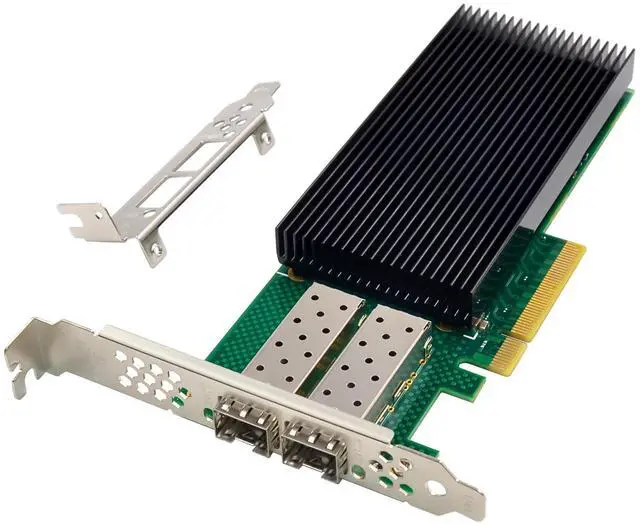
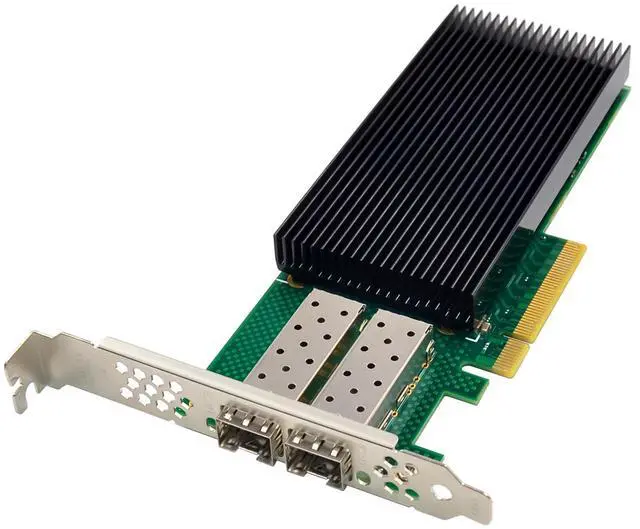
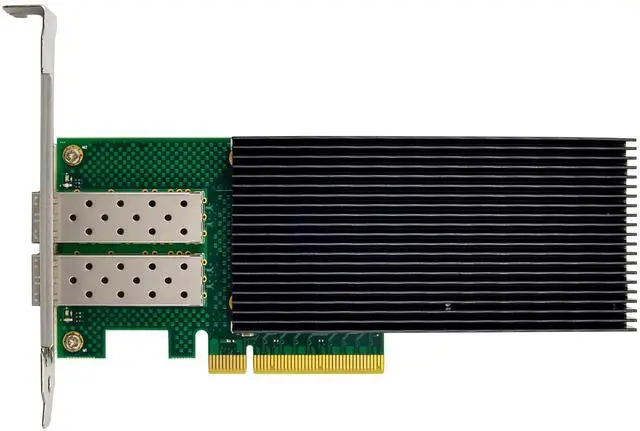
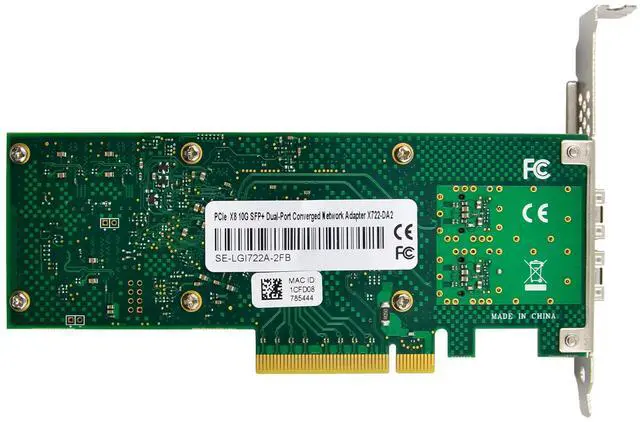
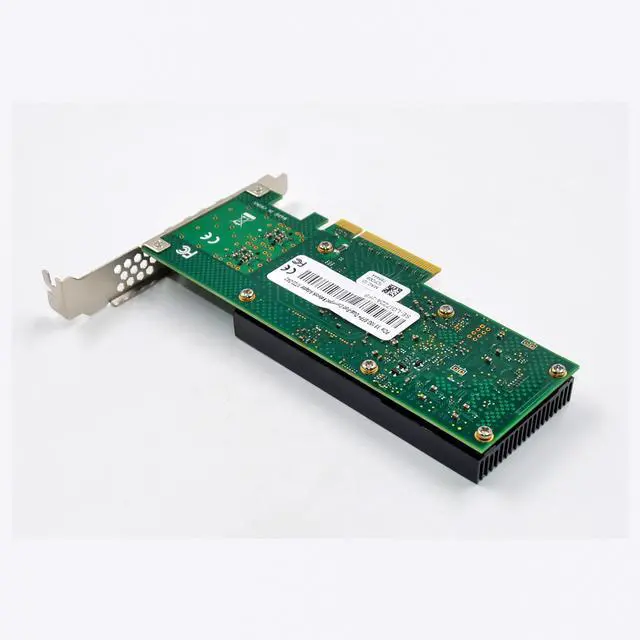
Model Name PCIe x8 Intel Ethernet Adapter X722-DA2
Bus interface PCIe3.0 x8 lane
Interrupt Levels INTA, MSI, MSI-X
Transmission Media SFP+
Link speeds of per port 10GbE/1GbE
Port number 2 ports
Operating Temperature 0 °C to 55 °C (32 °F to 131 °F)
Airflow Dual Port,
325LFM@55°C for Optics
300LFM@55°C for DAC
Storage Temperature -40 °C to 70 °C (-40 °F to 158 °F)
Storage Humidity Maximum: 90% non-condensing relative
humidity at 35 °C
LED Indicators LINK (solid) and ACTIVITY (blinking)
LED Color(green=10Gbps)
Virtualization features VMDQ, PCI-SIG, SR-IOV, Virtual machine load balancing advanced packet filtering, VLAN, VxLAN, GENEVE, NVGRE, MPLS, VxLAN -GPE, NSH
Manageability PXE, UEFI, SNMP,
Power consumption max 13.6W
Remote Direct Memory Access (RDMA) iWARP: based on TCP/IP, routable and scalable, ideal for software defined storage solutions
Physical Dimensions 167mm*69mm
Package content
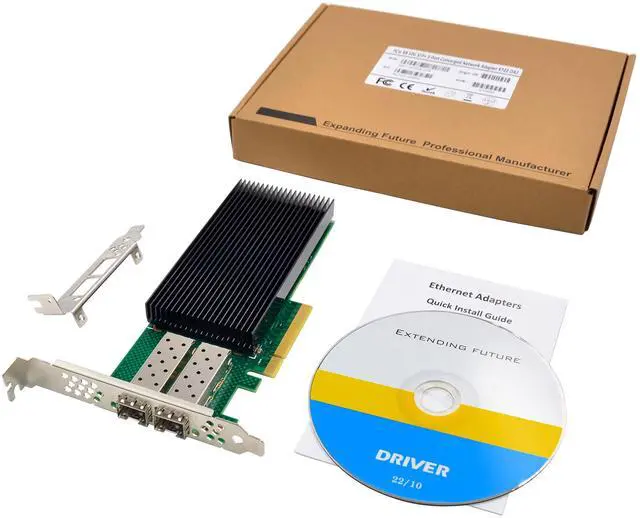
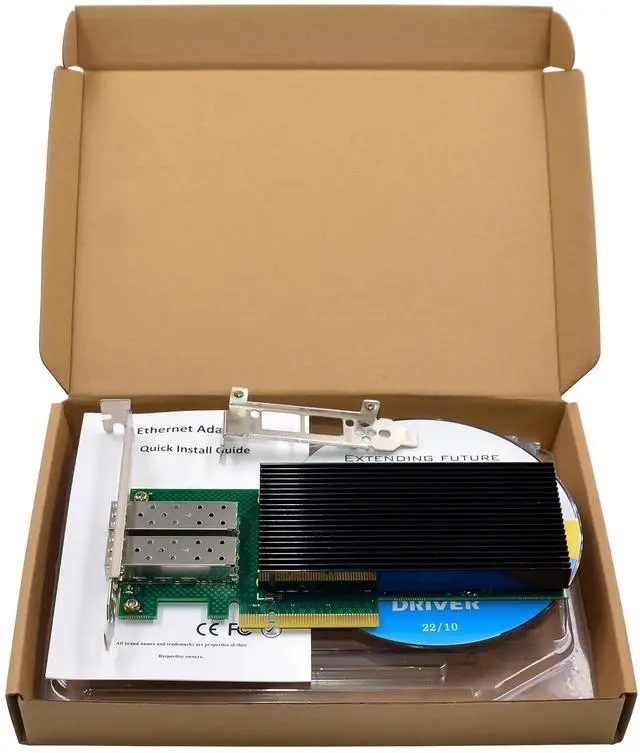
1 x PCIe x8 Intel Ethernet Adapter X722-DA2
1 x Users Manual
1 x CD Driver
1 x Low profile bracket
Accessories
System Requirements
Microsoft Windows: Win10/Win11/Win-server2008/ Win-server2012/Win-server2016/ Win-server2019/ Win-server2022
Linux:RHEL7.9/8.4/8.5,SLES12SP5,SLES15SP3,Ubuntu18.04LTS/ 20.04LTS,FreeBSD 12.2/13
An available PCI Express x8/x16 slot
Hardware installation
1.Turn off the computer and unplug the power cord
2.Remove the computer cover and the adapter slot cover from the slot that matches your adapter
3.Insert the adapter edge connector into the slot and secure the bracket to the chassis
4.Replace the computer cover ,then plug in the power cord
5.Power on the computer
Note: select the correct slot, some systems have physical X8 PCI Express slots those actually only support lower speeds. Please check your system manual to identify the slot
Install Drivers and software
Windows Operating Systems
You must have administrative rights to the operating system to install the drivers.
1.insert the CD driver bound with Intel network driver into your CD-ROM drive(also you can download the latest drivers from support website):
2.if the Found New Hardware Wizard screen is displayed, click Cancel
3.start the autorun located in the software package, the autorun may automatically start after you have extracted files.
4.Click install Drivers and Software
5.Follow the instructions in the install wizard to finish it
Installing Linux Drivers from Source Code
1.Download and expand the base driver tar file.
2.Compile the driver module
3.Install the module using the modprobe command
4.Assign an IP address using the ifconfig command
Support
More information and settings, please refer to the Intel Adapter User Guides or you can contact us.