





T5 UVB Reptile Light(5.0/10.0)
UV light is critical for reptiles and amphibians to synthesize Vitamin D3 which is critical for the metabolism of calcium.

Daylight, UV, Heat, Rainfall, Humidity. These are the keys to successful reptile keeping.
Ycxydr equipment and guidance is envisioned by reptile lovers, for reptile lovers and considers the needs of the animal first. This is not only important for your animal’s health; it is the cornerstone of responsible animal care.
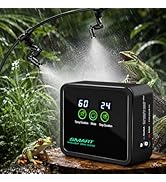
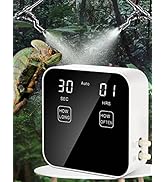
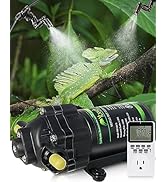
Automatic Misting System
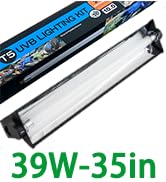
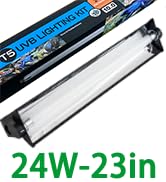
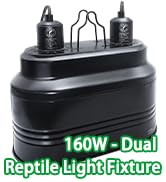
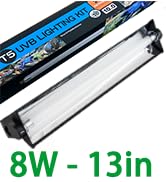
Reptile Light Fixture

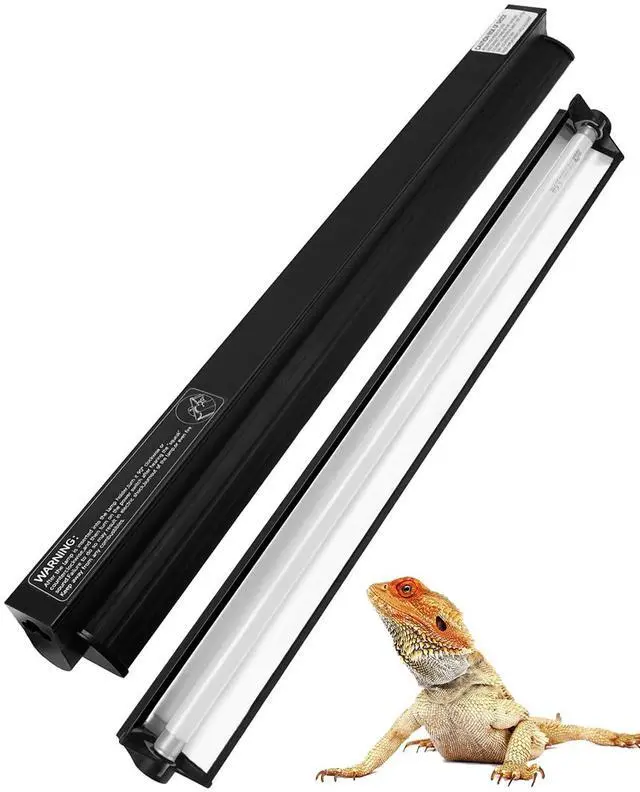
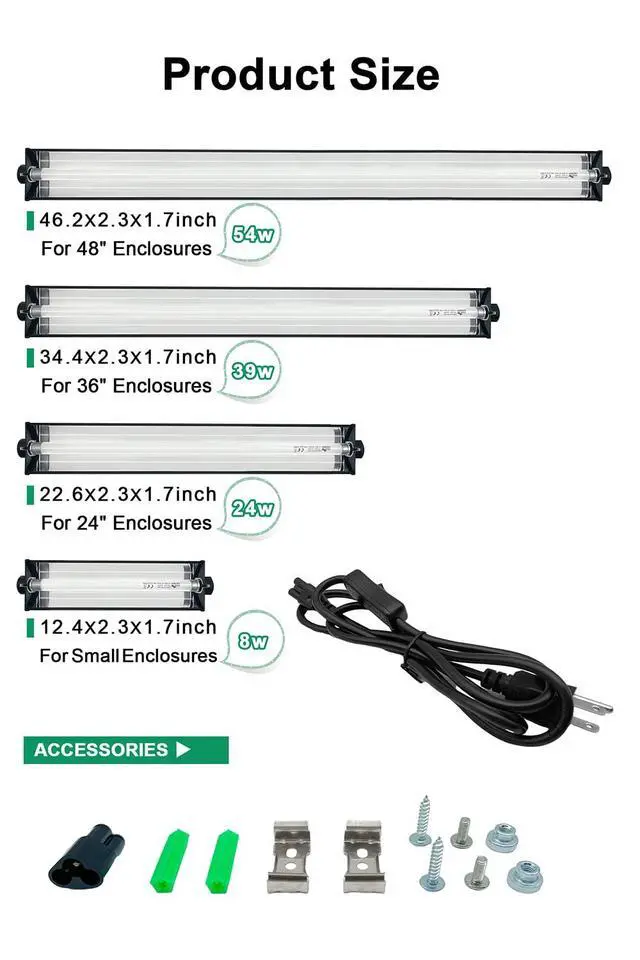
T5 HO UVB Lighting Combo Kit, Reptile Light Fixture with UVB 5.0/10.0 Fluorescent Tube Ideal
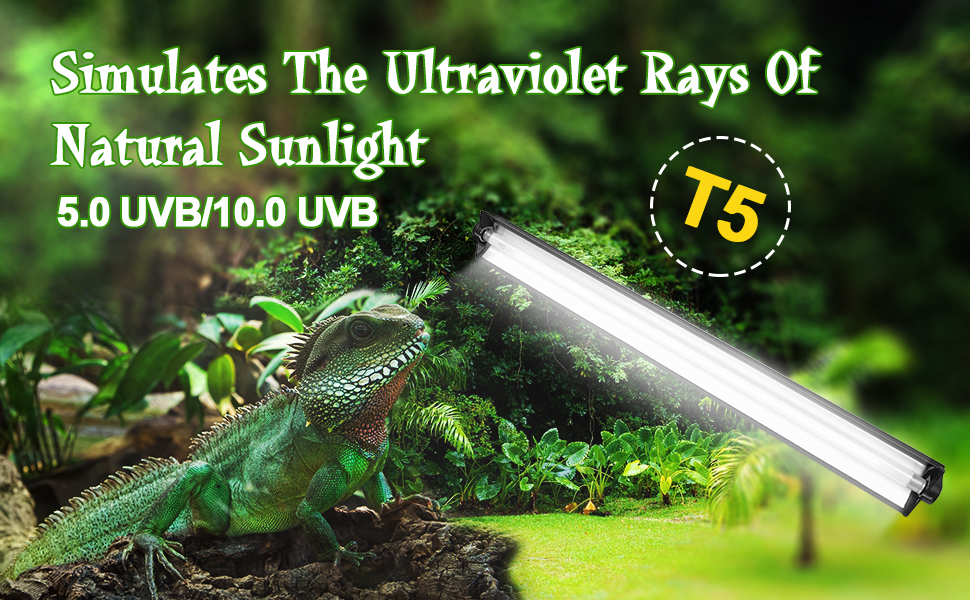
Why is UVB Reptile light Important for Reptiles?
UVB lighting is important for reptiles because it allows them to synthesize vitamin D3 and absorb calcium. Without the ability to absorb calcium reptiles can develop metabolic bone disease (commonly seen in captive bearded dragons). This leaves their bones brittle and prone to fractures. This can also cause deformities in the bones (commonly the spine), and in extreme cases can lead to death. UVB is also known to stimulate appetite, and increase your reptile’s activity levels.
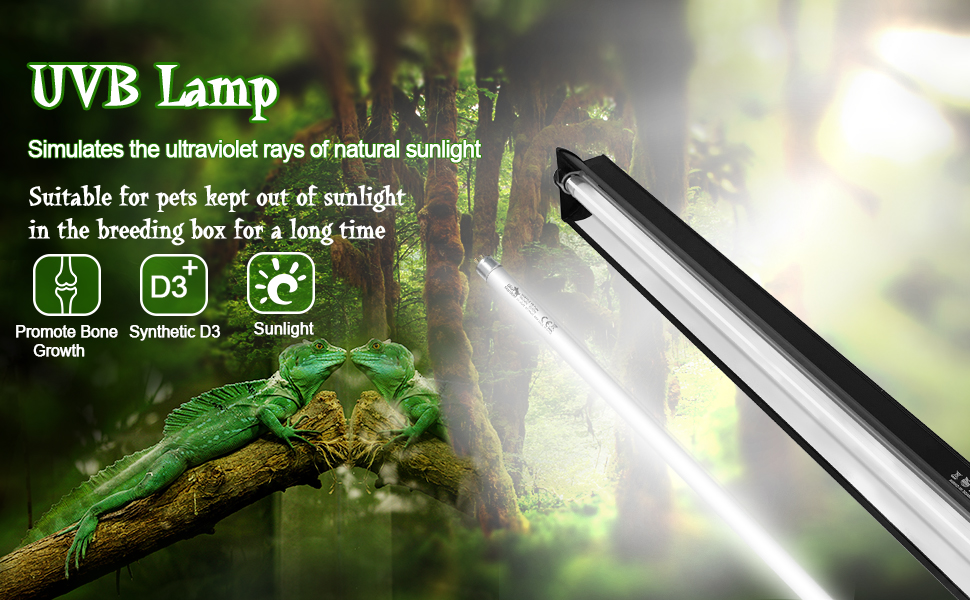
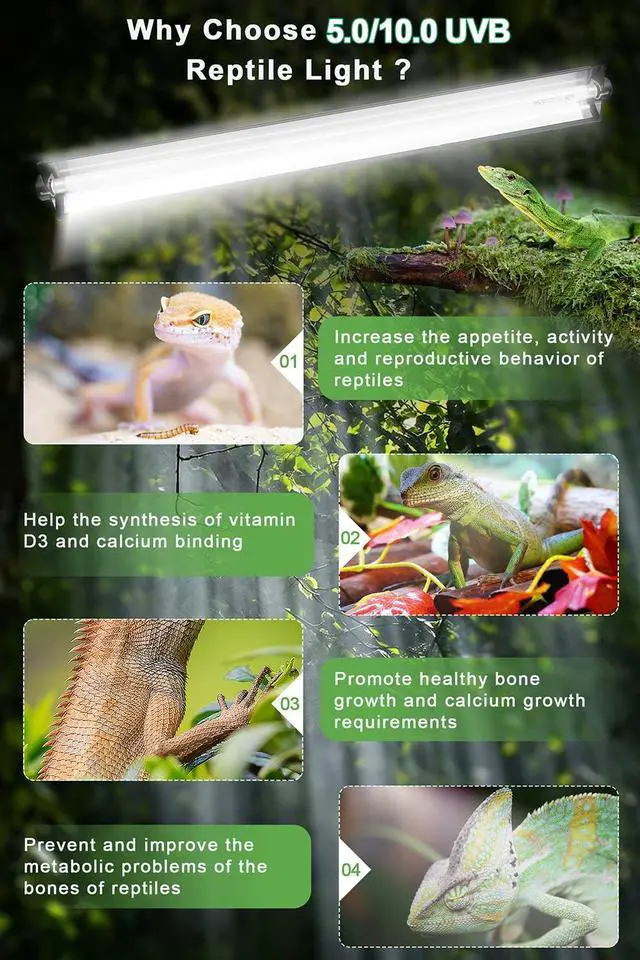
Why Choose UVB Reptile Light?
- High output UVA and UVB, no harmful UVC.
- Help reptile pet to generate vitamin D3 and calcium to prevent bone disease.
- Promote reptiles' eating , mating and other natural physiological behaviors.
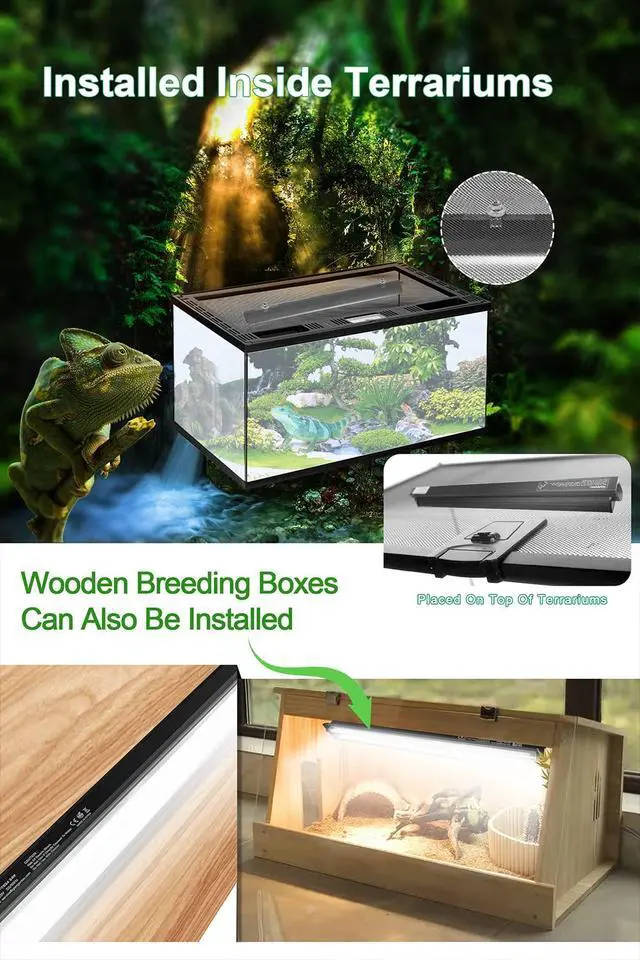
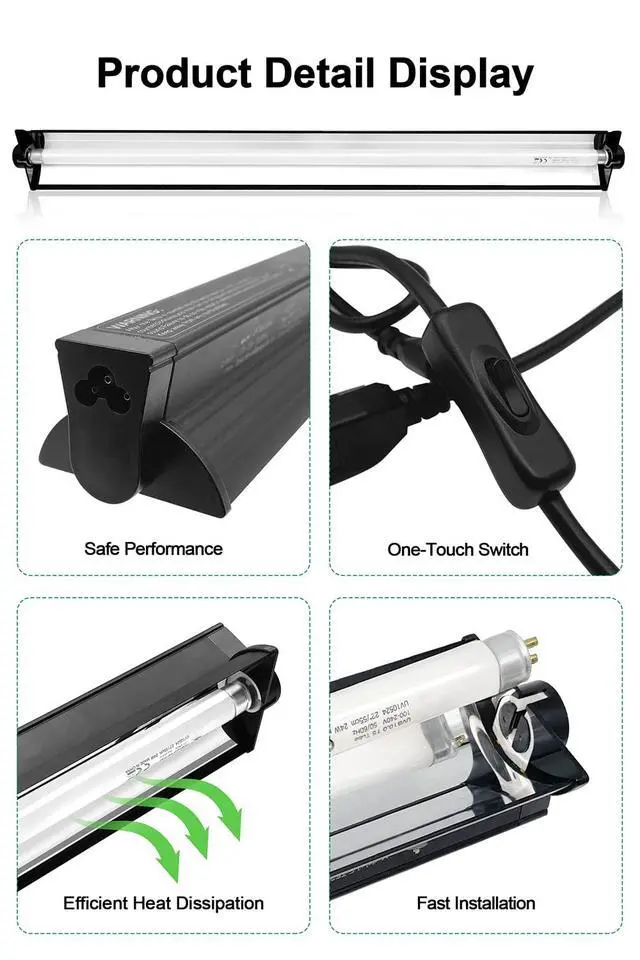
- Easy to use, can be easily hang on the mesh or wall by the screw.
- Fit for all tropical and subtropical reptiles with moderate UV requirements.
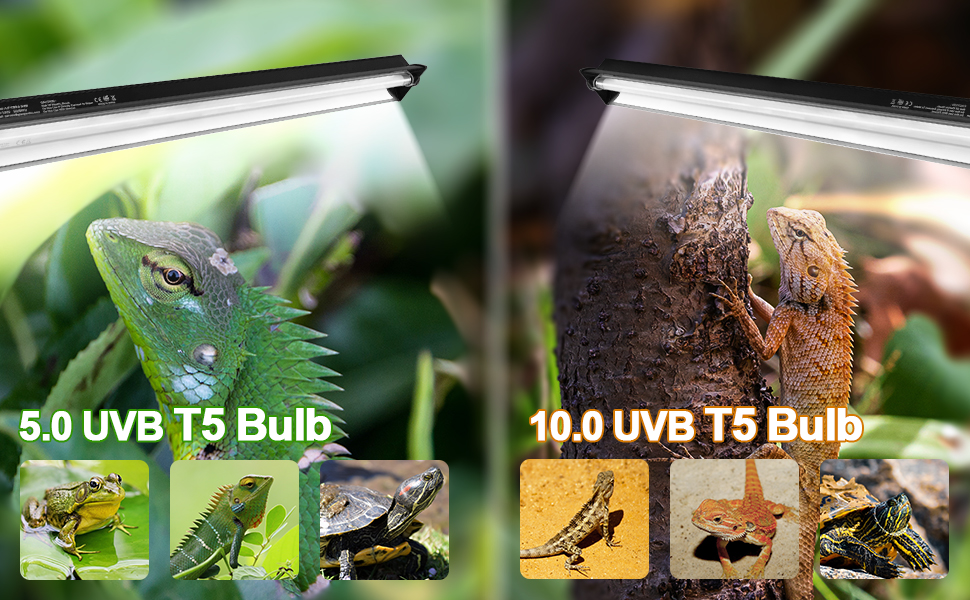
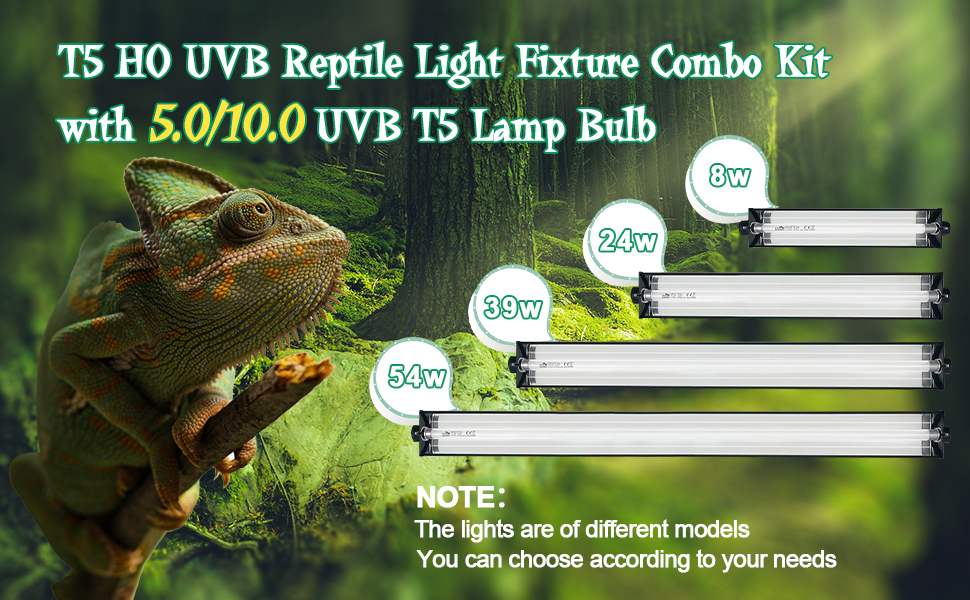
T5 HO UVB Reptile Light Fixture Combo Kit, Reptile Habitat Lighting 5.0/10.0 UVB T5 Lamp Bulb
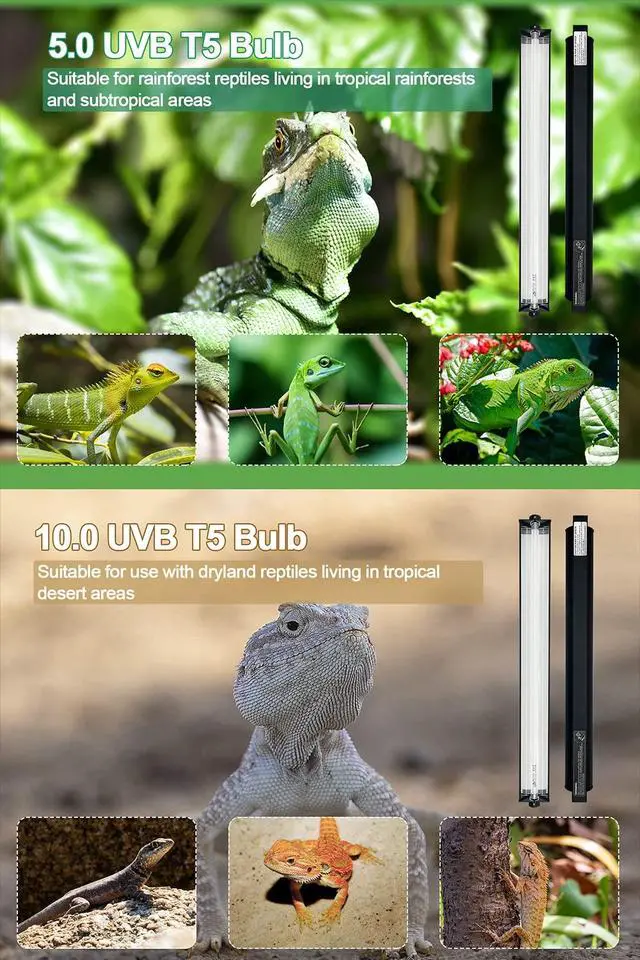
Use the low-intensity bulb to replicate the partial shade that forest-dwelling creatures are accustomed to. The 5.0 bulb is ideal for water dragons, certain species of chameleons, caiman lizards, and blue-tongue skinks, as well as some tortoises. These reptiles don’t like a lot of light.
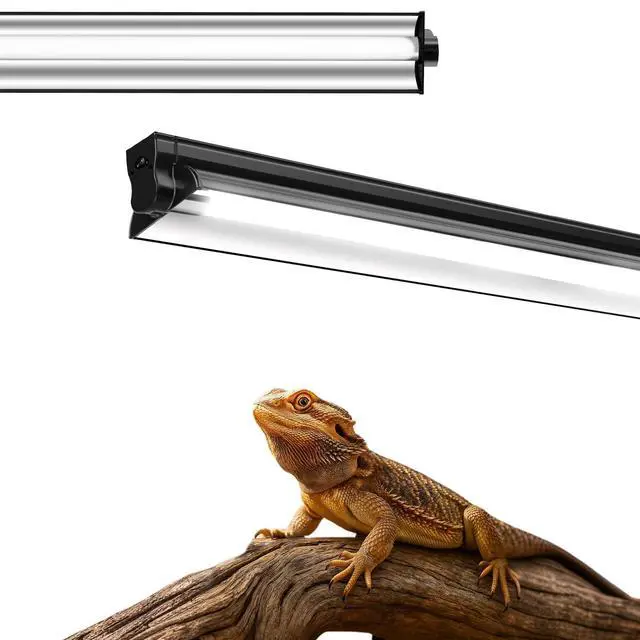
This medium to high-intensity bulb is perfect for use when housing species that are normally found in grasslands and low tree cover areas. Use it with reptiles like bearded dragons, certain types of chameleons, tegus, savannah monitors, and iguanas.
How to Use UVB Bulbs & Lamps Properly
- Turn the UVB bulb on and off to emulate a night and day cycle. A general time frame is to alternate every 12 hours. Note, your reptile pet will still need a heat source even when this UVB bulb is off for light-providing purposes.
- Ultraviolet waves are powerful but easily blocked by materials. These include clothing, chemical barriers, glass, and even plastic. To ensure that your pet gets enough of these helpful rays, UVB bulbs should have direct exposure to your pet’s enclosure. Use a mesh or screen cover and place the bulb 12 to 18 inches away from the animal.
- UVB bulbs lose their intensity over time. Replace them every 6-8 months. Even if the bulb still turns on without issue, the strength may not be enough to fulfill your reptiles’ vitamin D needs.
T5 HO UVB Lighting Combo Kit, Reptile Light Fixture with UVB 5.0/10.0 Fluorescent Tube Ideal
Why is UVB Reptile light Important for Reptiles?
UVB lighting is important for reptiles because it allows them to synthesize vitamin D3 and absorb calcium. Without the ability to absorb calcium reptiles can develop metabolic bone disease (commonly seen in captive bearded dragons). This leaves their bones brittle and prone to fractures. This can also cause deformities in the bones (commonly the spine), and in extreme cases can lead to death. UVB is also known to stimulate appetite, and increase your reptile’s activity levels.
Why Choose UVB Reptile Light?
- High output UVA and UVB, no harmful UVC.
- Help reptile pet to generate vitamin D3 and calcium to prevent bone disease.
- Promote reptiles' eating , mating and other natural physiological behaviors.
- Easy to use, can be easily hang on the mesh or wall by the screw.
- Fit for all tropical and subtropical reptiles with moderate UV requirements.
T5 HO UVB Reptile Light Fixture Combo Kit, Reptile Habitat Lighting 5.0/10.0 UVB T5 Lamp Bulb
Use the low-intensity bulb to replicate the partial shade that forest-dwelling creatures are accustomed to. The 5.0 bulb is ideal for water dragons, certain species of chameleons, caiman lizards, and blue-tongue skinks, as well as some tortoises. These reptiles don’t like a lot of light.
This medium to high-intensity bulb is perfect for use when housing species that are normally found in grasslands and low tree cover areas. Use it with reptiles like bearded dragons, certain types of chameleons, tegus, savannah monitors, and iguanas.
How to Use UVB Bulbs & Lamps Properly
- Turn the UVB bulb on and off to emulate a night and day cycle. A general time frame is to alternate every 12 hours. Note, your reptile pet will still need a heat source even when this UVB bulb is off for light-providing purposes.
- Ultraviolet waves are powerful but easily blocked by materials. These include clothing, chemical barriers, glass, and even plastic. To ensure that your pet gets enough of these helpful rays, UVB bulbs should have direct exposure to your pet’s enclosure. Use a mesh or screen cover and place the bulb 12 to 18 inches away from the animal.
- UVB bulbs lose their intensity over time. Replace them every 6-8 months. Even if the bulb still turns on without issue, the strength may not be enough to fulfill your reptiles’ vitamin D needs.
T5 UVB Reptile Light(5.0/10.0)
UV light is critical for reptiles and amphibians to synthesize Vitamin D3 which is critical for the metabolism of calcium.
Daylight, UV, Heat, Rainfall, Humidity. These are the keys to successful reptile keeping.
Ycxydr equipment and guidance is envisioned by reptile lovers, for reptile lovers and considers the needs of the animal first. This is not only important for your animal’s health; it is the cornerstone of responsible animal care.
Automatic Misting System
Reptile Light Fixture