





Can the light strip be shortened if it's too long?
Yes, you can cut it. Look for the copper pads with a scissor icon — that's where you cut. Use regular scissors and cut along the line. Just make sure to measure your TV size first, because the cut-off piece cannot be reused.
How should I handle the corners?
Very easy — Our strip has a flexible circuit board that can be bent at 90 degrees like the detail page picture. You don't need any extra connectors or cutting. Simply stick it along the TV edge, and it will keep lighting evenly around the corner.
What if the back adhesive doesn't stick?
Our tape is strong and durable. Before sticking, wipe the back of your TV with isopropyl alcohol or 70% rubbing alcohol to remove dust and oil. Then press the strip firmly for about 30 seconds — it will stay in place.
Can it be seen clearly in the daytime?
It works best in darker rooms. Like most bias lighting, the effect is much weaker in bright daylight — that's normal. It's designed to reduce eye strain and improve contrast when you're watching TV in low light or at night.


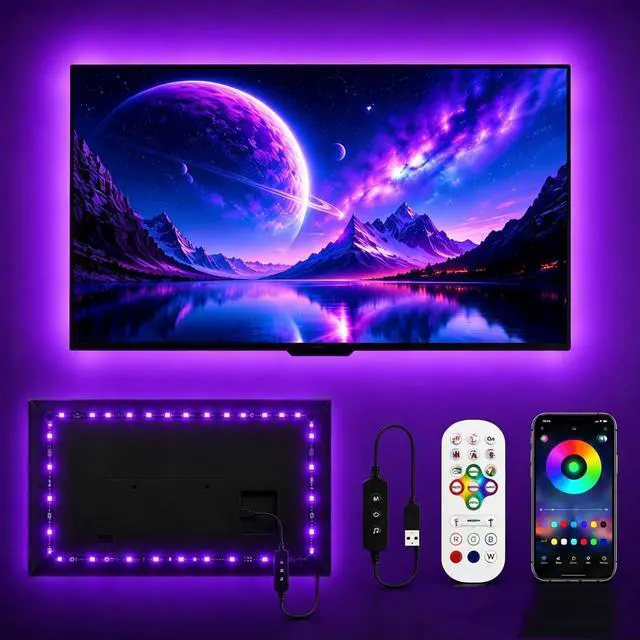
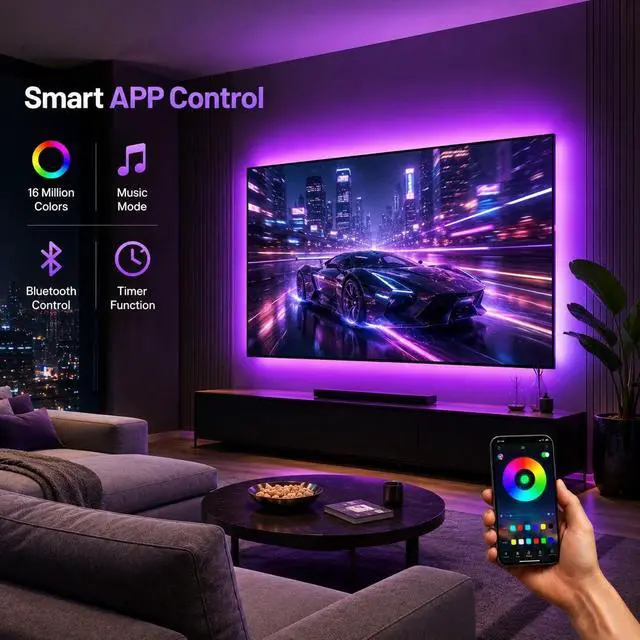
MORIACC led strip lights has high brightness LED beads and upgraded IC technology, which can provide 16 million colors and multiple dynamic led lighting effects, adding wonderful visual atmosphere to your family leisure time.
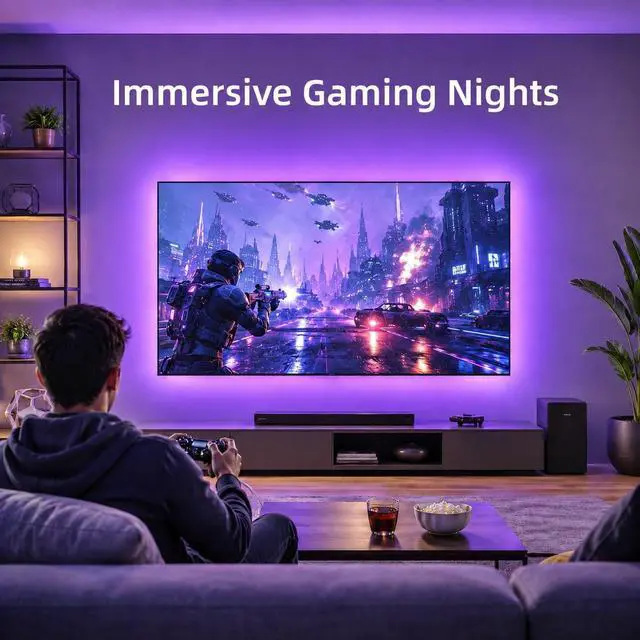
MORIACC LED Lights Strip is smart APP control LED lights, and can be used not only for TV, but also as led lights for bedroom, cabinet, desk, bookcase, stair, gaming,monitor, adding comfort led lightning for room decor!
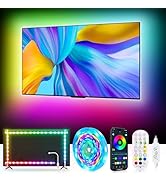
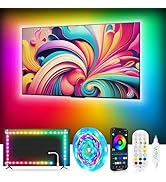
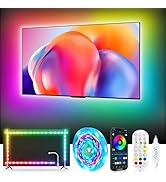
ICRGB TV LED Backlight
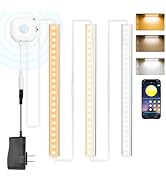
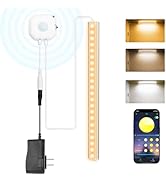
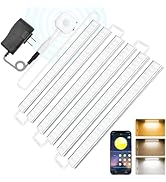
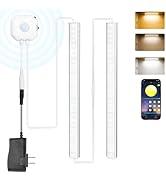
Motion Sensor LED Light Bar
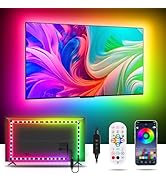
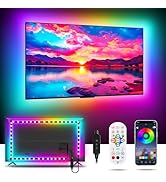
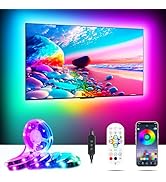
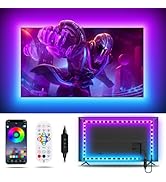
RGB TV Lights Behind
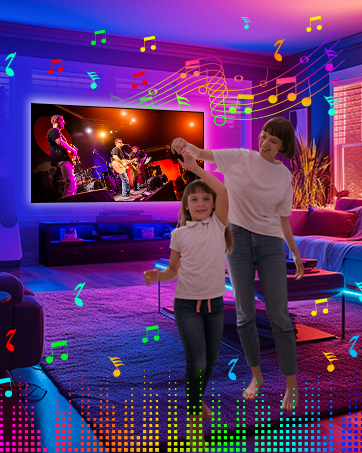
MUSIC SYNC TV LED LIGHTS


Can the light strip be shortened if it's too long?
Yes, you can cut it. Look for the copper pads with a scissor icon — that's where you cut. Use regular scissors and cut along the line. Just make sure to measure your TV size first, because the cut-off piece cannot be reused.
How should I handle the corners?
Very easy — Our strip has a flexible circuit board that can be bent at 90 degrees like the detail page picture. You don't need any extra connectors or cutting. Simply stick it along the TV edge, and it will keep lighting evenly around the corner.
What if the back adhesive doesn't stick?
Our tape is strong and durable. Before sticking, wipe the back of your TV with isopropyl alcohol or 70% rubbing alcohol to remove dust and oil. Then press the strip firmly for about 30 seconds — it will stay in place.
Can it be seen clearly in the daytime?
It works best in darker rooms. Like most bias lighting, the effect is much weaker in bright daylight — that's normal. It's designed to reduce eye strain and improve contrast when you're watching TV in low light or at night.
MORIACC led strip lights has high brightness LED beads and upgraded IC technology, which can provide 16 million colors and multiple dynamic led lighting effects, adding wonderful visual atmosphere to your family leisure time.
MORIACC LED Lights Strip is smart APP control LED lights, and can be used not only for TV, but also as led lights for bedroom, cabinet, desk, bookcase, stair, gaming,monitor, adding comfort led lightning for room decor!
ICRGB TV LED Backlight
Motion Sensor LED Light Bar
RGB TV Lights Behind
MUSIC SYNC TV LED LIGHTS