

Your Browsing History
- Free 30-day Returns
$214.99

Meet Your Seller

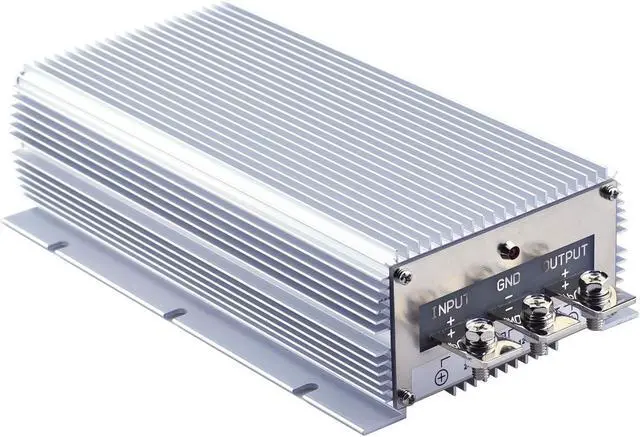
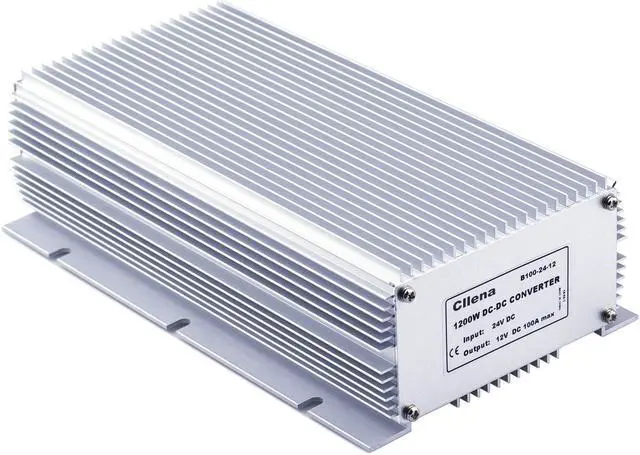
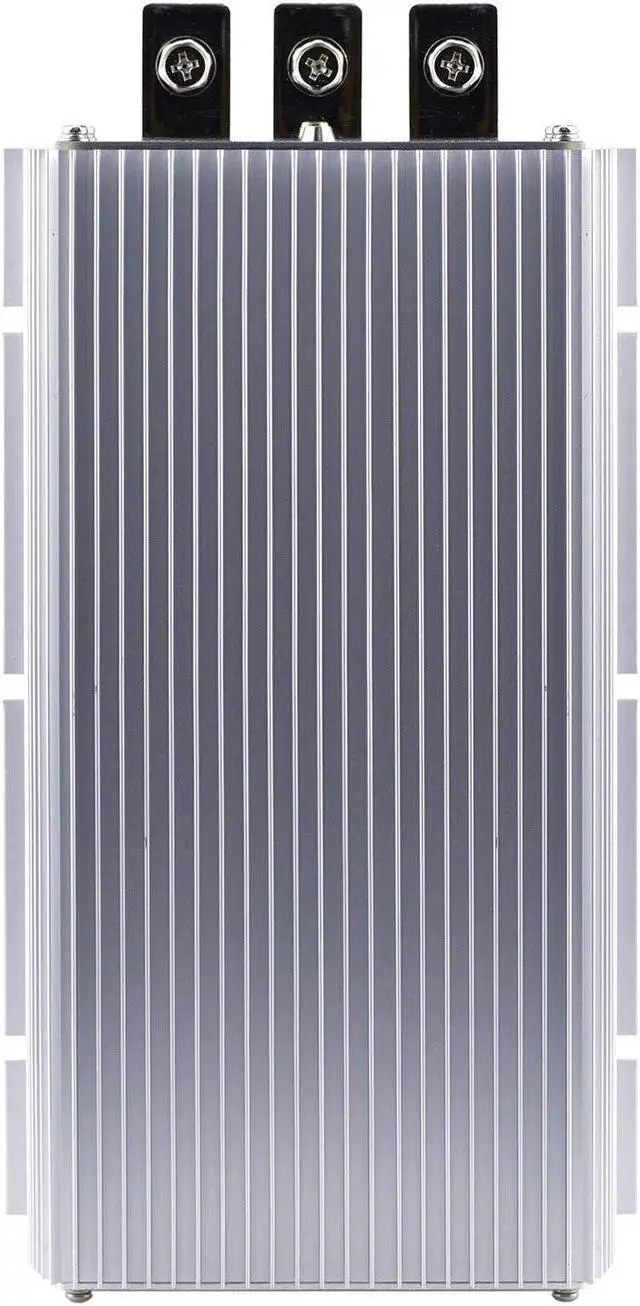
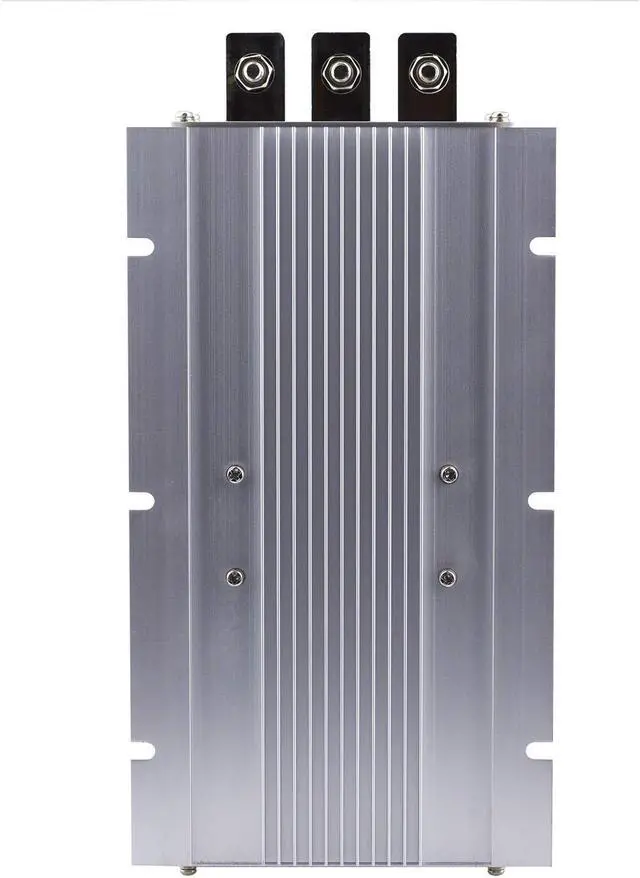
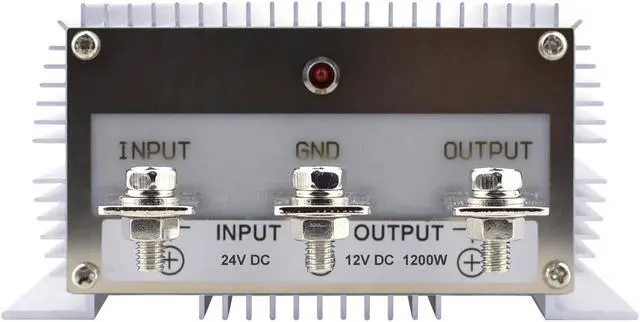


Cllena DC 24V Step Down to 12V 100A 1200W DC/DC Voltage Converter Regulator Waterproof Buck Transformer Power Supply
- Input voltage range: DC 18-35V; Output voltage: DC 12V(non-adjustable); Output current: 100A; Output power 1200W.
- High conversion efficiency: Synchronization rectification technology-multiple intelligent protection function with high conversion efficiency and stability. The conversion efficiency may reach 95%.
- Protections: Over-load, Over-current, Over-temperature, Short-circuit, Over-voltage.
- Aluminum shell and silicone sealed design: Waterproof, Anti-shock, Anti-humidity and Dust-proof, more durable.
- Wide application: Large trucks, taxi radio, emu, car audio, LCD TV, advertising screen, LED strip lights, monitoring system, motor, electronic systems and DIY etc.
+
+
Overview
Specs
Reviews

Any questions? Our AI mode will help you find out quickly.
Try me now
Wiring: OUTPUT+ to LOAD+, OUTPUT- to LOAD-; INPUT+ to BAT+, INPUT- to BAT-
Note:
* Never connect to solar panel, PWM/MPPT charge controller, inverter or wind turbine.
* Never charge the battery. Keep good air convection.
* Never reverse the polarity.
* Use the enough big cable to avoid the voltage drop.
Application:
24V DC battery as input power to 12V DC appliances as output load.
Input Rated Voltage: 24V DC
Input Voltage Range: 18-35V DC
Output voltage: DC12V 100A
Output Rated Power: 1200W
Efficiency: 97% (half load); 95% (full load)
No-load current: <0.1V
Ripple: 200mVp
Line Regulation: ± 0.2 %
Load Regulation: ± 0.2 %
Voltage Accuracy: ± 1.5 %
Enclosures: IP68
Case Operating Temperature: -40~85°C
Weight: 2200g
Features:
1. 100% full power and stable current output, non-isolated module.
2. Industry grade DC 24V to DC 12V step-down converter, efficiency up to 95%.
3. Die-cast aluminum shell, epoxy potting, cooling by free air convection; Waterproof level IP68 and anti-shock protection.
4.
Protections: Over-current, Over-voltage, Over-temperature, Over-load and Short-circuit, auto-recovery when device is back to normal operating.
5.
Certificates: CE/RoHS, 1 year warranty, lifetime up to 100, 000 hours.
Package included:
1 x DC 24-12V 100A Voltage Converter
Questions:
How to choose the correct current for loads?
For example, if the max current of your load device is 10A, then choose 10A/ 0.8 = 12.5A at least for resistive loads according to international standard.
If the load device is motor or compressor, then you may choose 10A/ 0.5 =20A according to real testing result since the motor and compressor starting current may be 2-3 times than nominal current.
Note:
* Never connect to solar panel, PWM/MPPT charge controller, inverter or wind turbine.
* Never charge the battery. Keep good air convection.
* Never reverse the polarity.
* Use the enough big cable to avoid the voltage drop.
Application:
24V DC battery as input power to 12V DC appliances as output load.
Specifications
:Input Rated Voltage: 24V DC
Input Voltage Range: 18-35V DC
Output voltage: DC12V 100A
Output Rated Power: 1200W
Efficiency: 97% (half load); 95% (full load)
No-load current: <0.1V
Ripple: 200mVp
Line Regulation: ± 0.2 %
Load Regulation: ± 0.2 %
Voltage Accuracy: ± 1.5 %
Enclosures: IP68
Case Operating Temperature: -40~85°C
Weight: 2200g
Features:
1. 100% full power and stable current output, non-isolated module.
2. Industry grade DC 24V to DC 12V step-down converter, efficiency up to 95%.
3. Die-cast aluminum shell, epoxy potting, cooling by free air convection; Waterproof level IP68 and anti-shock protection.
4.
Protections: Over-current, Over-voltage, Over-temperature, Over-load and Short-circuit, auto-recovery when device is back to normal operating.
5.
Certificates: CE/RoHS, 1 year warranty, lifetime up to 100, 000 hours.
Package included:
1 x DC 24-12V 100A Voltage Converter
Questions:
How to choose the correct current for loads?
For example, if the max current of your load device is 10A, then choose 10A/ 0.8 = 12.5A at least for resistive loads according to international standard.
If the load device is motor or compressor, then you may choose 10A/ 0.5 =20A according to real testing result since the motor and compressor starting current may be 2-3 times than nominal current.
Warranty & Returns
Warranty, Returns, And Additional Information
Warranty
- Please contact the Seller directly for warranty information. Warranty information may also be found on the Manufacturer's website.
- CONTACT
Return Policies
- Return for refund within: 30 days
- Return for replacement within: 30 days
- This item is covered by Riveira Store Return Policy
Manufacturer Contact Info
- For a directory of all our manufacturers, please click below.
- Manufacturers Directory
LOADING...