here!
I’m your shopping assistant for PC builds, upgrades, and everything tech.
Got questions? Ask away!
Start a conversation
here!
I’m your shopping assistant for PC builds, upgrades, and everything tech.
Got questions? Ask away!
Start a conversation

Any questions? Ask CelesteSM will help you find out quickly.


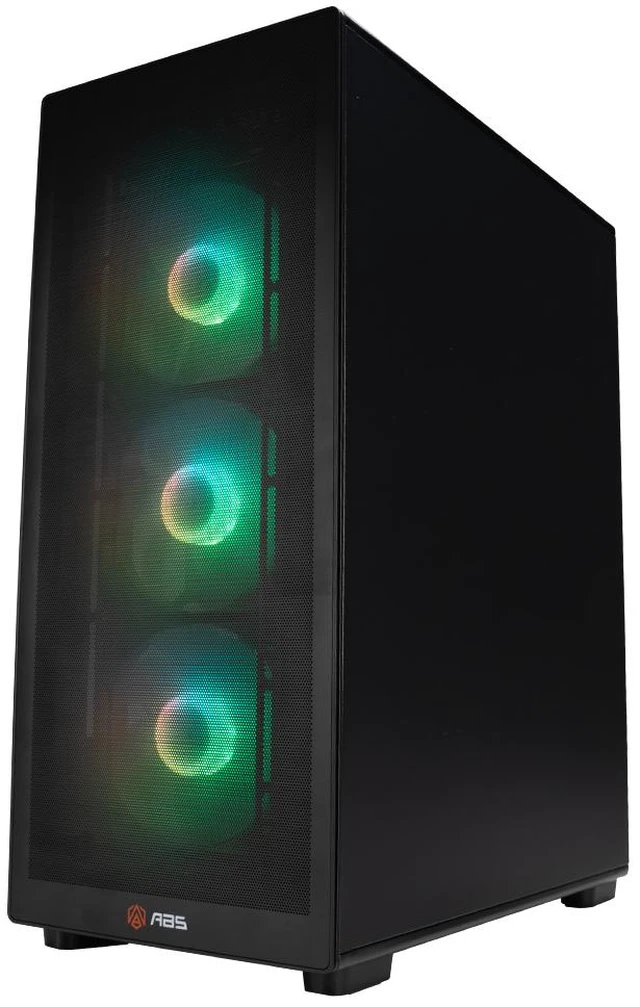
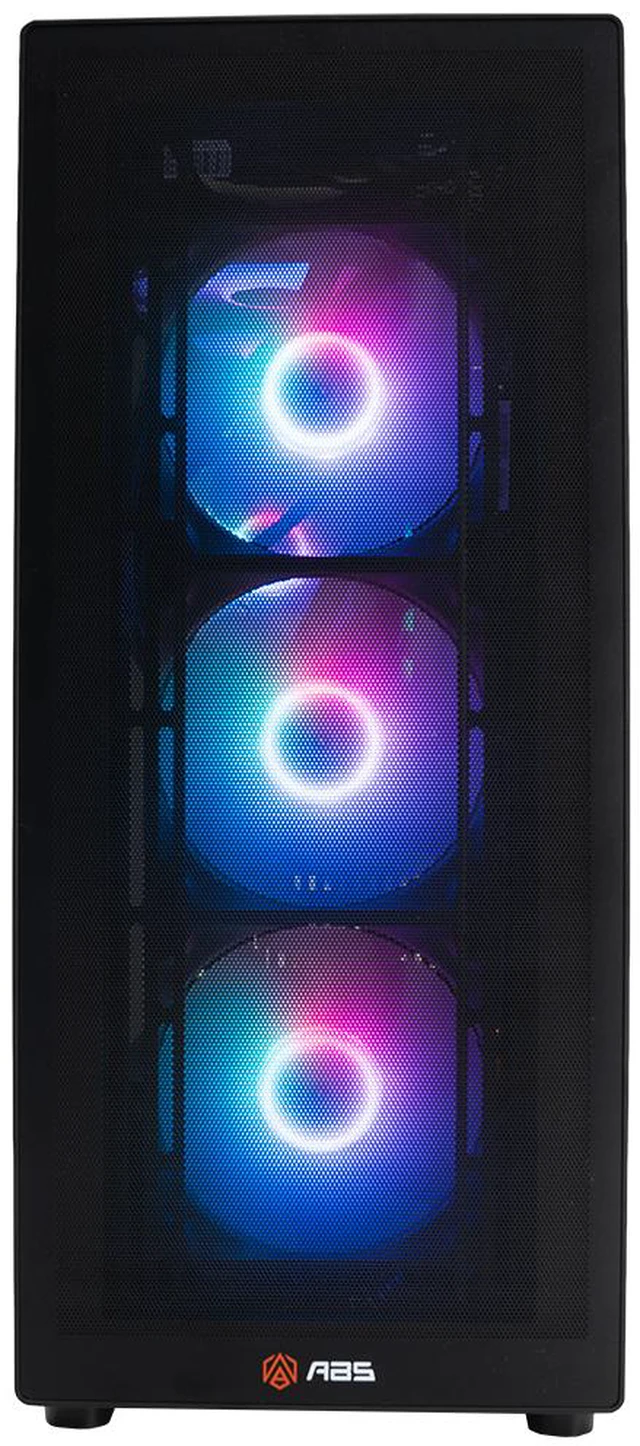
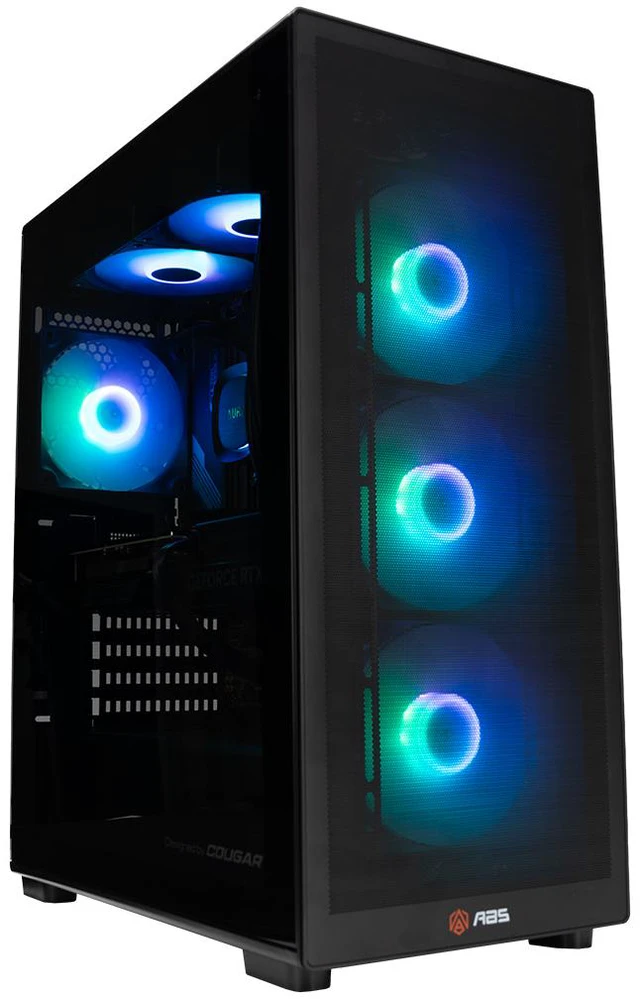
The ABS Stratos II Ruby is a high-performance gaming desktop with an AMD Ryzen 7 9800X3D, Radeon RX 9070 XT 16GB graphics, 32GB DDR5-6000 memory, and a 2TB NVMe SSD, making it suitable for demanding PC gaming, VR, streaming, and enthusiast-level multitasking.
Q: Is the ABS Stratos II Ruby better than an RTX 5070 Ti gaming PC?
A: Choose the ABS Stratos II Ruby when you prioritize conventional rasterized gaming, 16GB of graphics memory, and the Ryzen 7 9800X3D’s high gaming performance. Reviews generally place the RX 9070 XT and RTX 5070 Ti close overall, with results varying by game. An RTX 5070 Ti system is the better fit when you specifically want stronger ray tracing behavior, DLSS features, or Nvidia-focused creator and AI software support.
Q: Should I buy this PC with a Ryzen 7 9800X3D or save money with a Ryzen 7 7800X3D system?
A: Choose the ABS Stratos II Ruby when you want the newer AM5 gaming platform and higher CPU performance in CPU-limited games. Testing commonly shows the Ryzen 7 9800X3D ahead of the 7800X3D by roughly 8% on average, with larger gains in some CPU-heavy titles. A 7800X3D system remains the more sensible choice when it is substantially less expensive and the games you play are primarily GPU-limited at 1440p or 4K.
Q: Is the Ryzen 9 9950X3D worth upgrading to over the 9800X3D in this gaming PC?
A: Choose the ABS Stratos II Ruby with the Ryzen 7 9800X3D when gaming is the main workload. The Ryzen 9 9950X3D adds substantially more processing capacity with 16 cores and 32 threads, making it more suitable for heavy rendering, video production, compiling, and simultaneous gaming and productivity tasks. For primarily gaming-focused use, professional testing indicates that the 9950X3D’s advantage over the 9800X3D is generally modest compared with its higher platform cost.
Q: Should I choose this desktop or a gaming laptop for portability?
A: Choose the ABS Stratos II Ruby when performance, sustained gaming power, component upgrades, and a large desktop display are more important than mobility. Its Ryzen 7 9800X3D, desktop RX 9070 XT, 32GB of DDR5 memory, and 850W power supply are designed for plugged-in desktop use. Choose a gaming laptop when you need one self-contained device for travel, classes, or frequent relocation; the trade-off is reduced upgrade flexibility and typically lower sustained performance at similar component labels.
Q: Who is this gaming desktop suitable for?
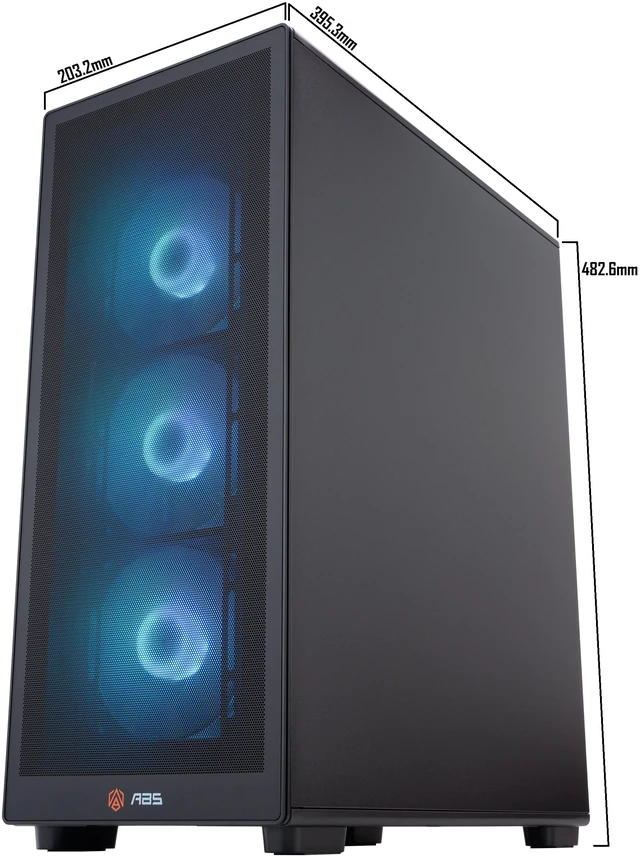
A: This desktop is suitable for users who want a high-performance Windows 11 gaming PC for demanding games, high-refresh-rate gaming, VR, streaming, and general desktop use. It is less suitable for users who need a portable computer because it is a 15.5-inch-tall mid-tower desktop that requires external power, a monitor, and separate peripherals.
Q: Is this PC good for high-refresh-rate gaming and VR?
A: Yes. The Ryzen 7 9800X3D, Radeon RX 9070 XT with 16GB of graphics memory, and 32GB of DDR5-6000 memory make this configuration appropriate for high-refresh-rate gaming and VR. Actual frame rates depend on the game, resolution, graphics settings, drivers, and display hardware.
Q: Can the memory and storage be upgraded later?
A: Yes. The system has four total memory slots, with two available, and supports up to 256GB of DDR5 memory according to the listed specifications. It also includes two 3.5-inch drive bays and four 2.5-inch drive bays for additional storage options. Confirm motherboard, drive, and power requirements before purchasing upgrade parts.
Q: Does the liquid cooler require regular refilling or maintenance?
A: The listed GAMDIAS AURA GL240 V2 is an all-in-one liquid CPU cooler, so it is intended to operate as a sealed cooling system rather than a custom loop that users routinely drain and refill. Basic maintenance still includes keeping the radiator, fans, and case vents clear of dust.
Q: Does it include Wi-Fi and Bluetooth, and is it ready to use out of the box?
A: It includes Wi-Fi 6 and Bluetooth 5.3, so it can connect wirelessly to compatible networks and peripherals. Windows 11 Home is installed, but the listed specifications do not state that a monitor, keyboard, or mouse is included; buyers should plan to provide those accessories unless the seller explicitly confirms otherwise.
Q: Is the ABS Stratos II Ruby worth buying at its price?
A: It is worth considering when priced competitively, but Reddit discussions suggest comparing it with other RX 9070 XT or RTX 5070 Ti prebuilts before buying. The main value comes from its Ryzen 7 9800X3D, RX 9070 XT, 32GB of DDR5, and 2TB SSD; a substantially higher price may reduce its value versus competing systems.
Q: Is the Ryzen 7 9800X3D overkill for the RX 9070 XT in this PC?
A: For many 1440p and 4K gaming setups, the Ryzen 7 9800X3D is more CPU capacity than necessary, while the RX 9070 XT is likely to have a greater effect on graphics performance. The processor is more justifiable for 1080p high-refresh gaming, CPU-intensive games, or buyers who want additional CPU headroom.
Q: Is this PC better suited for 1080p or 1440p gaming?
A: The ABS Stratos II Ruby is better suited to 1440p gaming, especially at high settings or high refresh rates. It can also run 1080p games, but the RX 9070 XT may be underused at standard 1080p settings unless the display has a very high refresh rate or the game is especially demanding.
Q: What are the main trade-offs of buying this ABS prebuilt instead of building a PC yourself?
A: The prebuilt reduces assembly effort and provides a complete Windows 11 system, but buyers have less control over component selection and may want to verify the power supply, liquid cooler, motherboard, and exact part models. This system includes an 850W Gold-rated PSU, a 240mm liquid cooler, two unused memory slots, and additional drive bays for future expansion.
Q: Are 32GB of RAM and a 2TB SSD enough for this gaming PC?
A: Yes, 32GB of DDR5-6000 is a suitable starting capacity for modern gaming, and the 2TB NVMe SSD provides more usable space than the 1TB configurations discussed in related Reddit threads. Users with large game libraries or extensive media files may eventually add another SSD; the system has two available memory slots and additional drive bays.