





Can I use mouthwash instead of water in the reservoir?
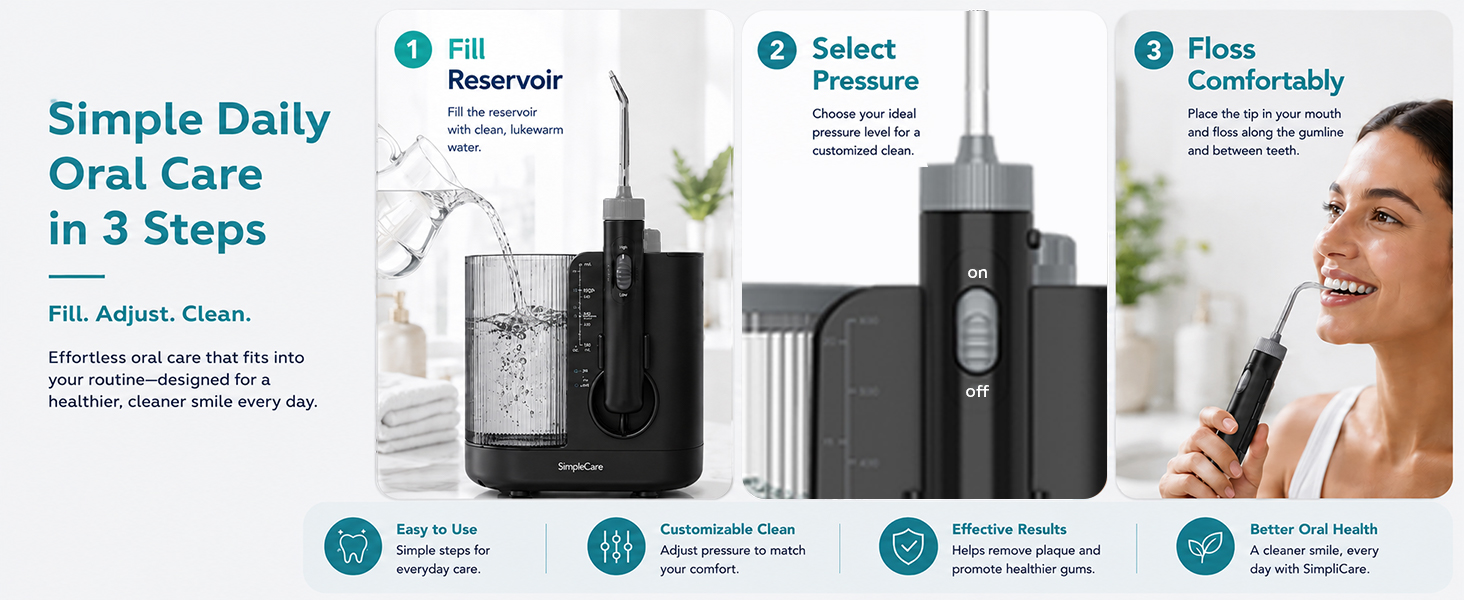
For best performance, use clean lukewarm water. If using mouthwash, follow the dilution instructions provided by the mouthwash manufacturer and rinse the unit thoroughly after use.
How often should I replace the nozzle tips?
Tip replacement frequency depends on usage and wear. Inspect tips regularly and replace them if they become damaged, loose, or show signs of deterioration.
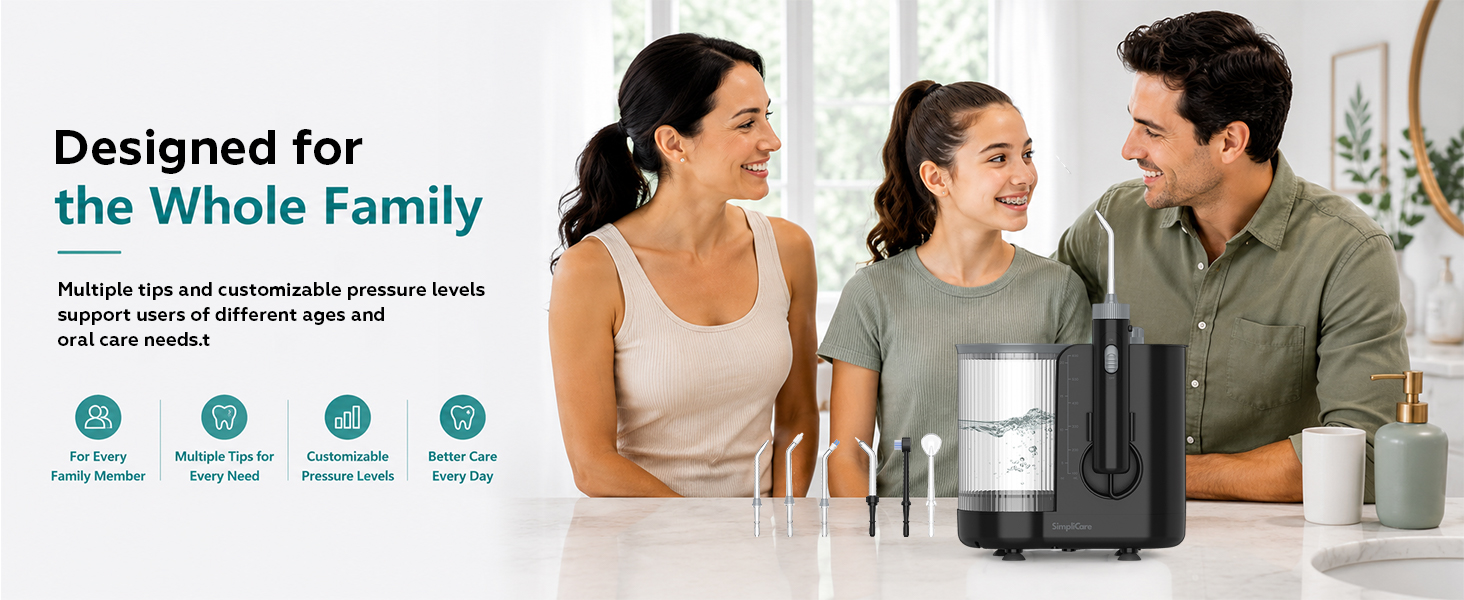
Can multiple family members share the same water flosser?
Yes. Each user can use their own dedicated nozzle tip to maintain personal hygiene while sharing the main unit.
What should I do if water flow seems weaker than usual?
Check that the reservoir is properly seated, the nozzle is securely attached, and the water pathway is free from buildup. Regular cleaning helps maintain optimal performance.
How should I store the water flosser after use?
Empty any remaining water, allow components to air dry, and store the unit in a clean, dry place when not in use.
Find the Right SimpliCare Dental Flosser for Your Routine
 SimpliCare (FC1761B) | 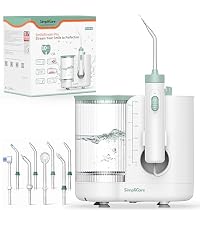 SimpliCare (FC1761W) | 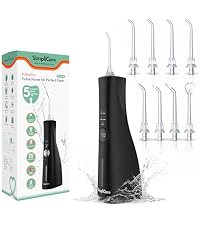 SimpliCare (F5039B) | 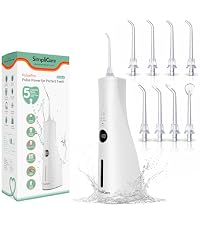 SimpliCare (F5039W) | 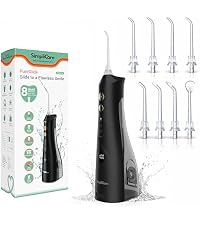 SimpliCare (F5052B) | 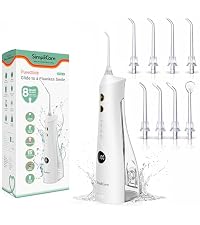 SimpliCare (F5052W) | 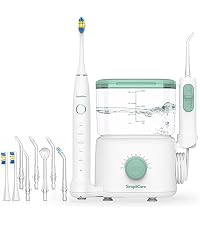 SimpliCare (FC181) | |
|---|---|---|---|---|---|---|---|
Customer Reviews | — | — | — | — | — | — | — |
Price | — | — | — | — | — | — | — |
Product type | Countertop flosser | Countertop flosser | Cordless flosser | Cordless flosser | Compact cordless | Compact cordless | Countertop flosser |
Best use | Family countertop | Family countertop | Power travel use | Power travel use | Compact travel | Compact travel | Family countertop |
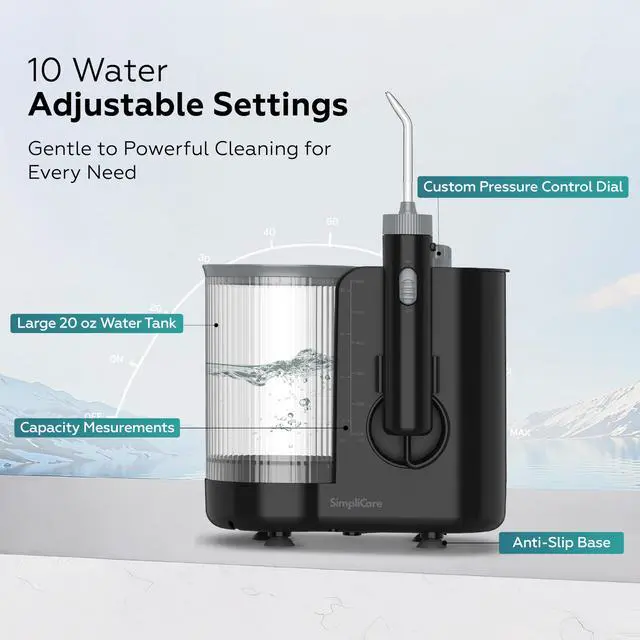
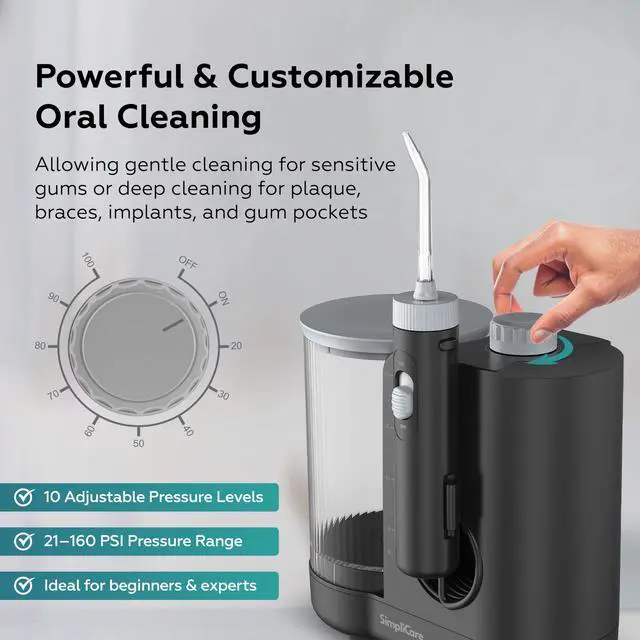
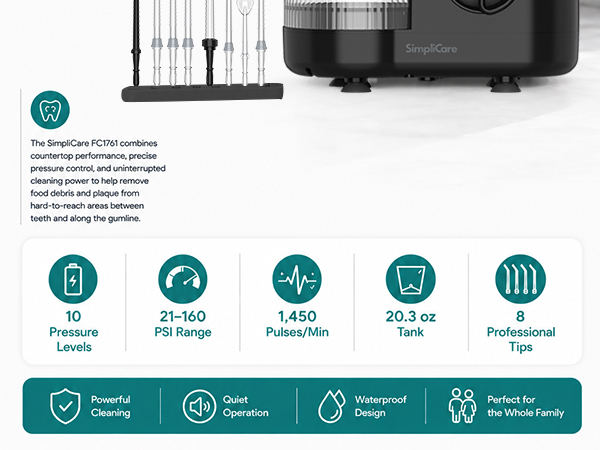
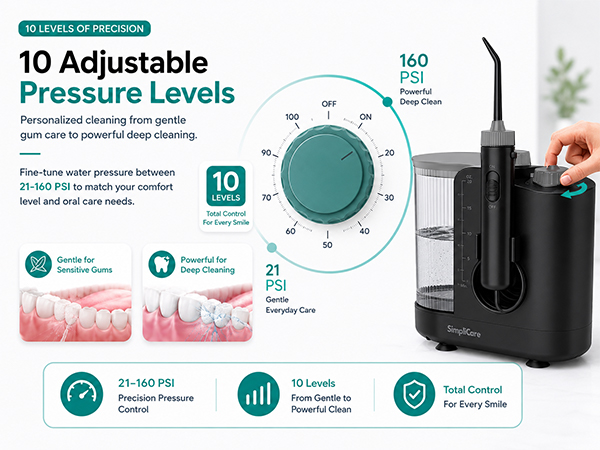
Pressure | 21–160 PSI | 21–160 PSI | 10–150 PSI | 10–150 PSI | 10–150 PSI | 10–150 PSI | 21–160 PSI |
Modes/levels | 10 levels | 10 levels | 5 modes | 5 modes | 4 modes | 4 modes | 10 levels |
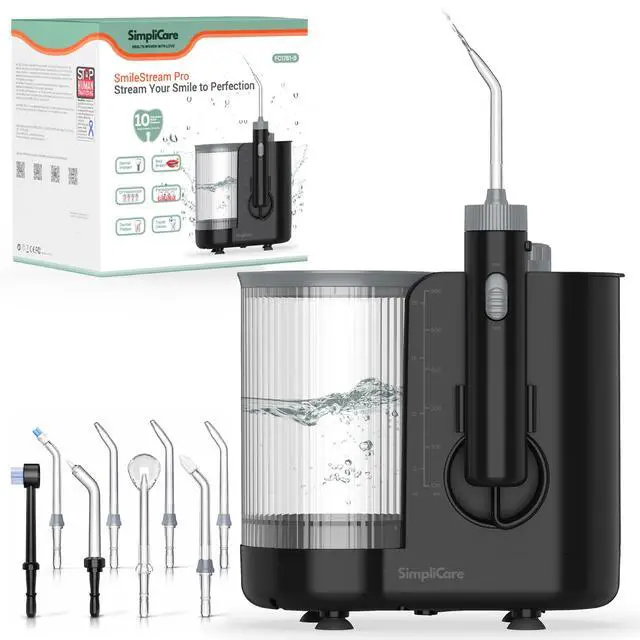
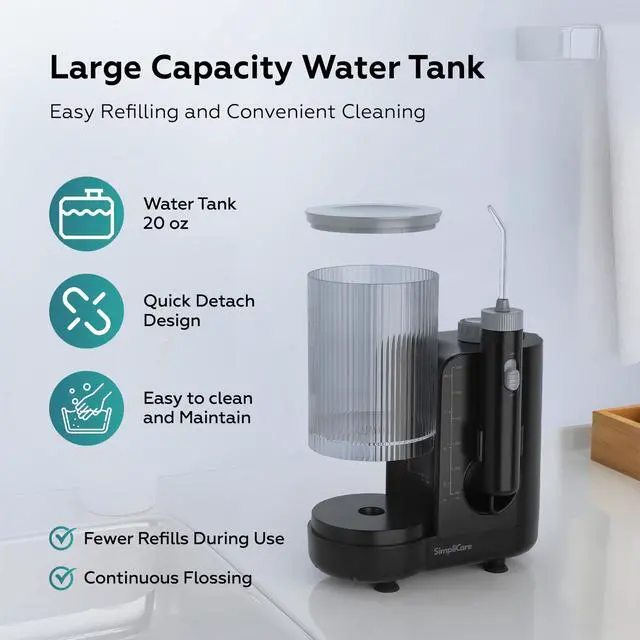
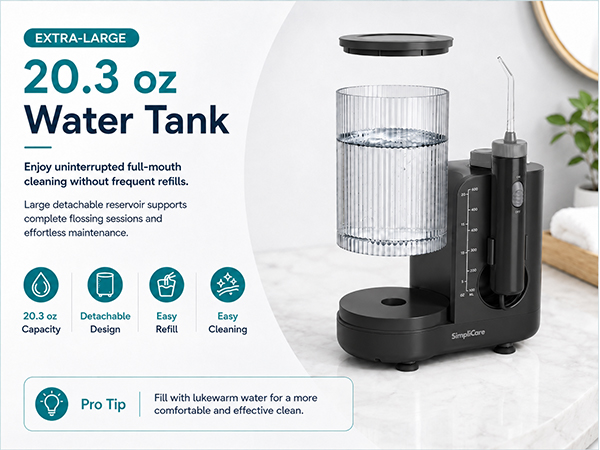
Tank capacity | 20.3 oz / 600 ml | 20.3 oz / 600 ml | 10 oz / 300 ml | 10 oz / 300 ml | 9 oz / 270 ml | 9 oz / 270 ml | 20.3 oz / 600 ml |
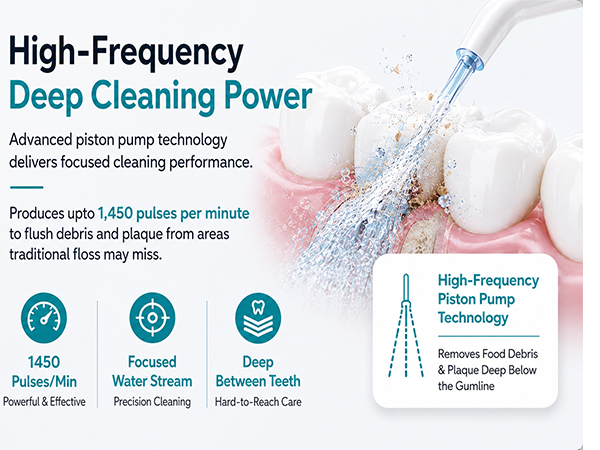
Pulse rate | 1,450/min | 1,450/min | 1,200–1,800/min | 1,200–1,800/min | 1,200–1,800/min | 1,200–1,800/min | 1,450/min |
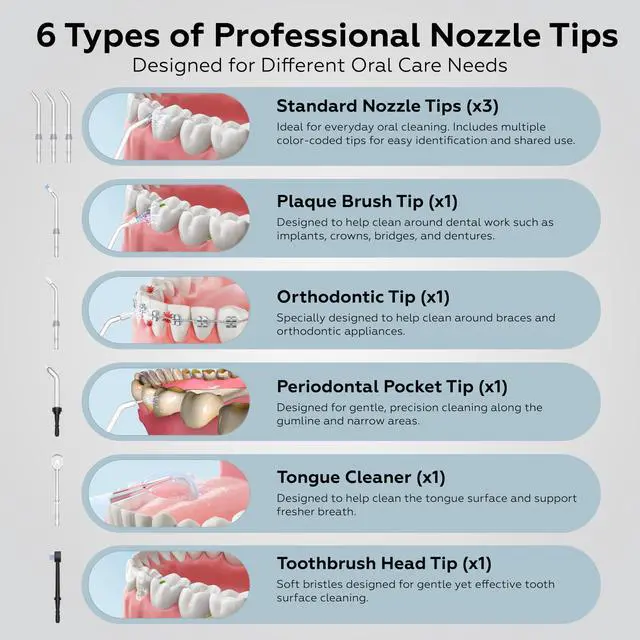
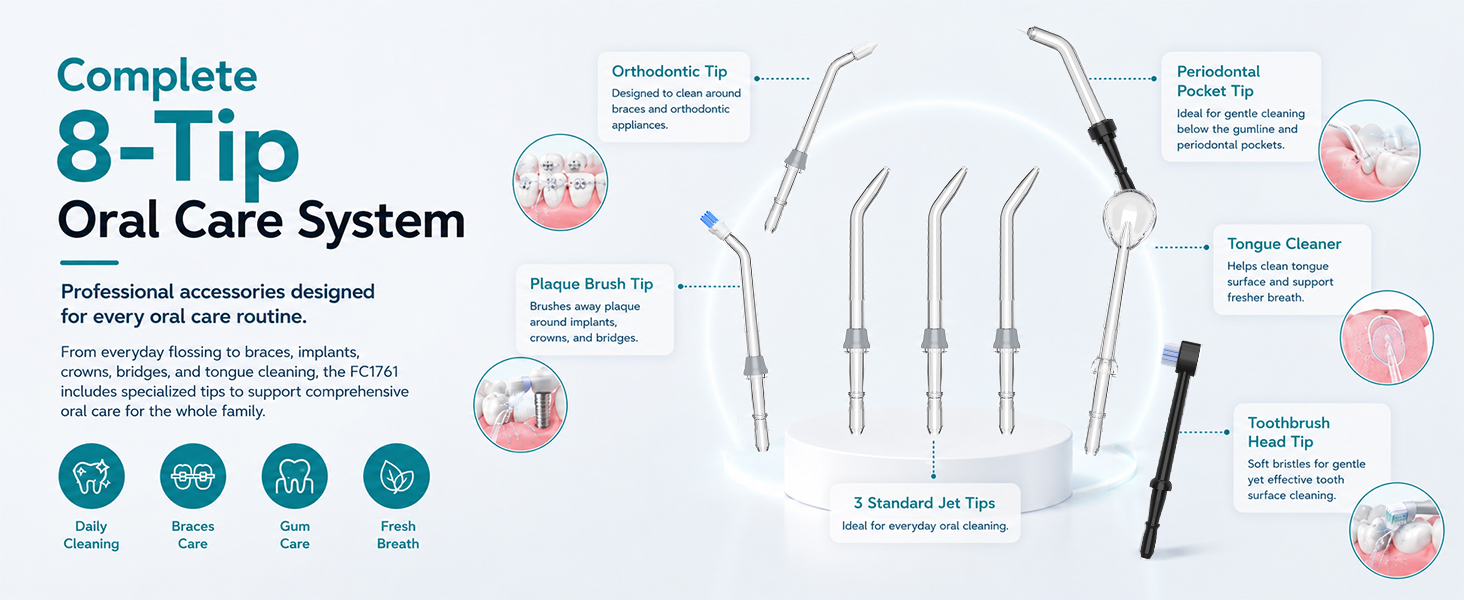
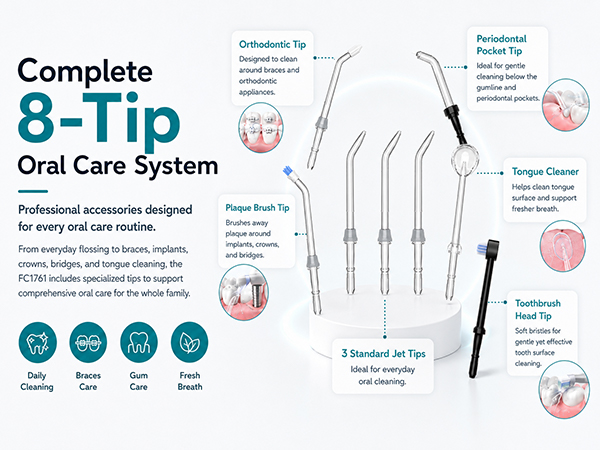
Tip count | 8 tips | 8 tips | 8 tips | 8 tips | 8 tips | 8 tips | 8 tips |
Tip set | 3 std + 5 care | 3 std + 5 care | 5 std + 3 care | 5 std + 3 care | 5 std + 3 care | 5 std + 3 care | 3 std + 5 care |
Power source | Plug-in power | Plug-in power | USB-C, 2500mAh | USB-C, 2500mAh | USB, 1400mAh | USB, 1400mAh | Plug-in power |
Water rating | IPX4 splash | IPX4 splash | IPX7 waterproof | IPX7 waterproof | IPX7 waterproof | IPX7 waterproof | IPX4 splash |
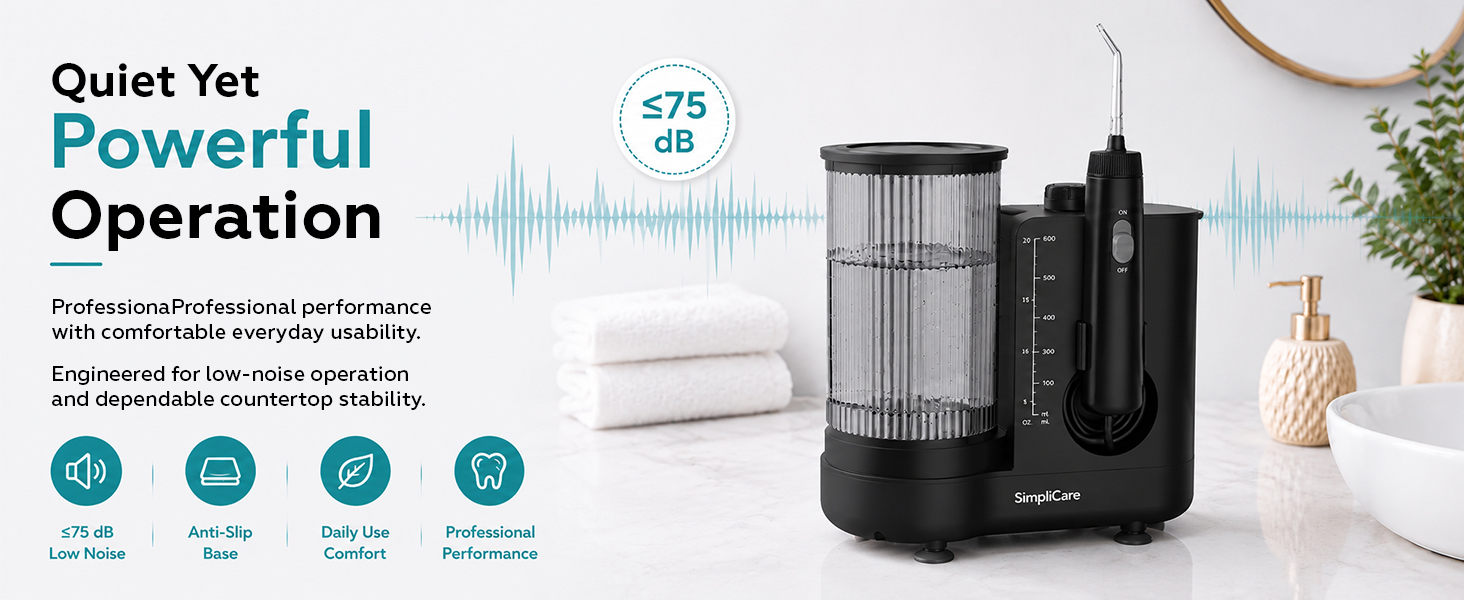
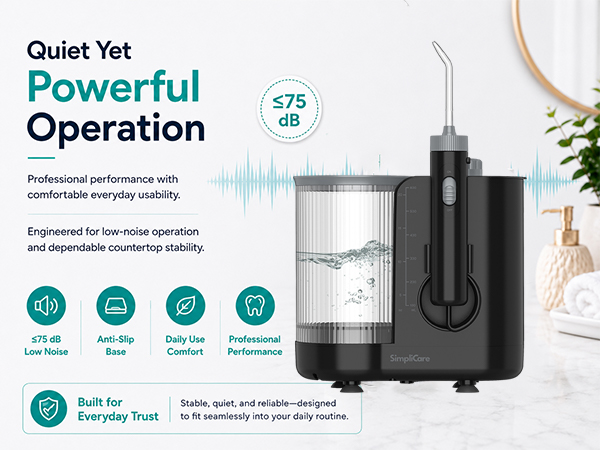
Noise level | =75 dB | =75 dB | =70 dB | =70 dB | =70 dB | =70 dB | =75 dB |
Brush function | Brush tip only | Brush tip only | No | No | No | No | Electric brush |


About Us
At SimpliCare, we believe taking control of your health shouldn’t be complicated.
From FDA 510(k) cleared Blood Pressure Monitors and Thermometers to precision pulse oximeters, oral care solutions, and carefully formulated dietary supplements, every product serves one purpose: to help individuals and families monitor, maintain, and support their health with confidence.
SimpliCare — Simple Health. Smarter Living.
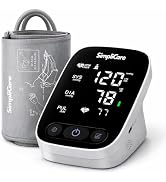
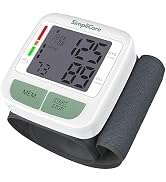
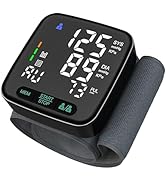
Blood Pressure Monitors
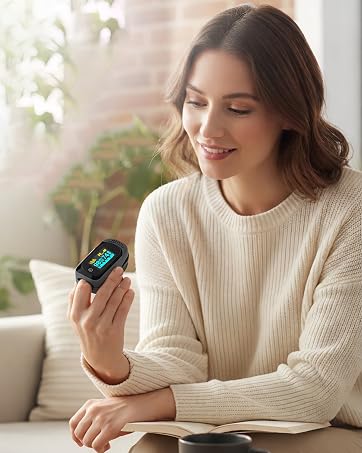
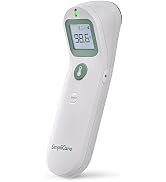
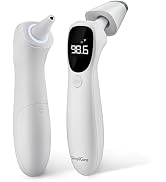
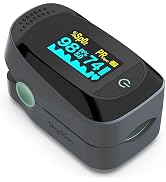
Thermometer & Pulse Oximeter
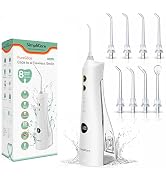
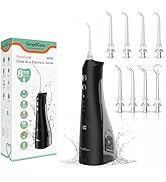
Oral Irrigator & Flosser
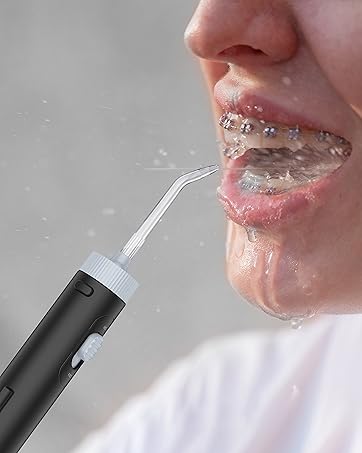
Complete Oral Care Solution
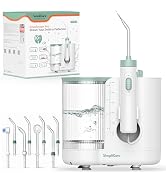
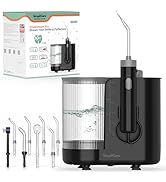
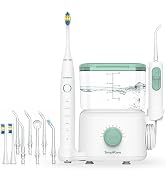
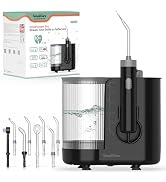
Countertop Water Flossers
About Us
At SimpliCare, we believe taking control of your health shouldn’t be complicated.
From FDA 510(k) cleared Blood Pressure Monitors and Thermometers to precision pulse oximeters, oral care solutions, and carefully formulated dietary supplements, every product serves one purpose: to help individuals and families monitor, maintain, and support their health with confidence.
SimpliCare — Simple Health. Smarter Living.
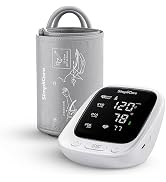
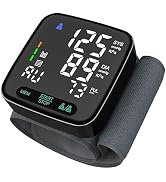
Blood Pressure Monitors
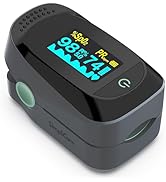
Thermometer & Pulse Oximeter
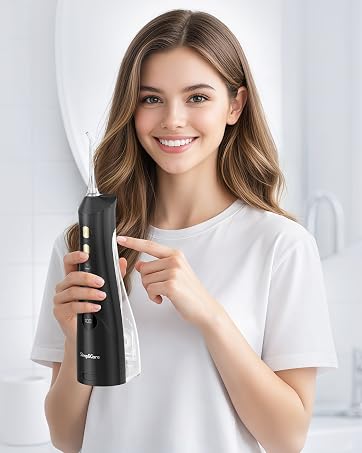
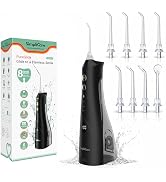
Oral Irrigator & Flosser
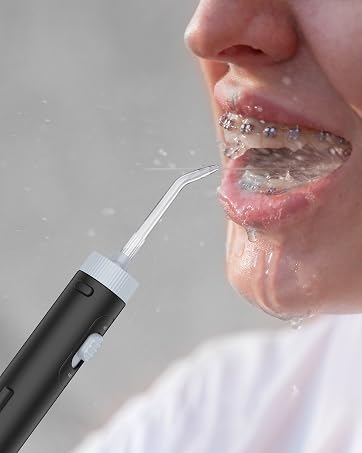
Complete Oral Care Solution
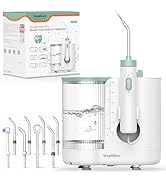
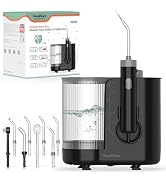
Countertop Water Flossers
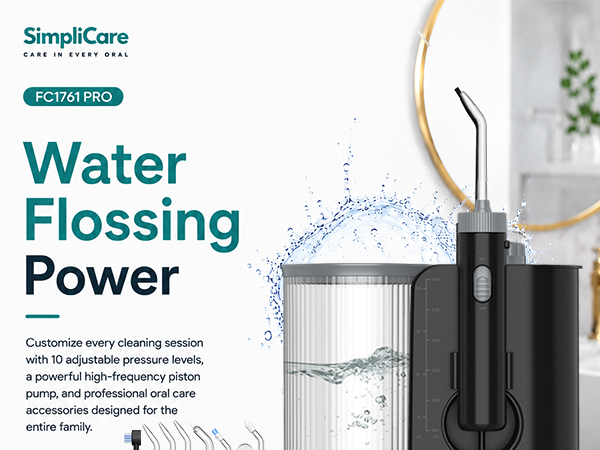

Can I use mouthwash instead of water in the reservoir?
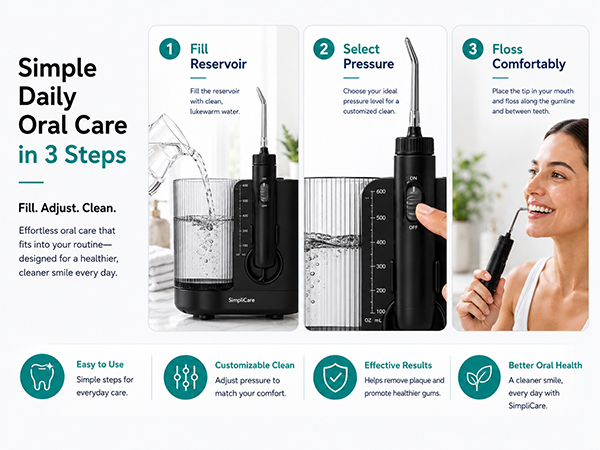
For best performance, use clean lukewarm water. If using mouthwash, follow the dilution instructions provided by the mouthwash manufacturer and rinse the unit thoroughly after use.
How often should I replace the nozzle tips?
Tip replacement frequency depends on usage and wear. Inspect tips regularly and replace them if they become damaged, loose, or show signs of deterioration.
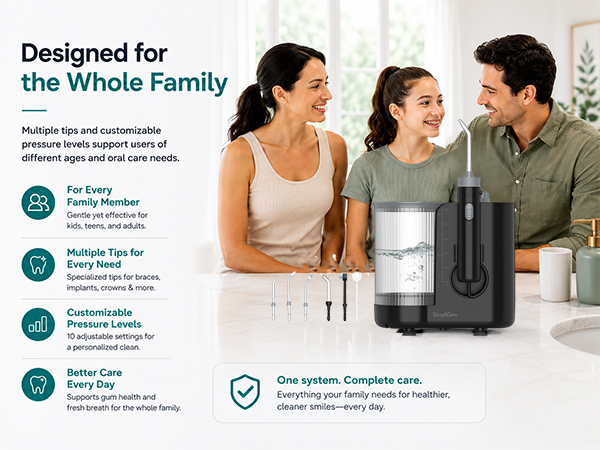
Can multiple family members share the same water flosser?
Yes. Each user can use their own dedicated nozzle tip to maintain personal hygiene while sharing the main unit.
What should I do if water flow seems weaker than usual?
Check that the reservoir is properly seated, the nozzle is securely attached, and the water pathway is free from buildup. Regular cleaning helps maintain optimal performance.
How should I store the water flosser after use?
Empty any remaining water, allow components to air dry, and store the unit in a clean, dry place when not in use.
Find the Right SimpliCare Dental Flosser for Your Routine
SimpliCare (FC1761B) |  SimpliCare (FC1761W) | 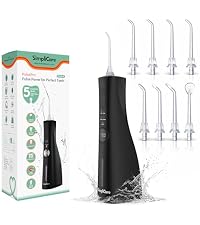 SimpliCare (F5039B) | 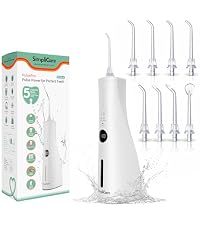 SimpliCare (F5039W) | SimpliCare (F5052B) | SimpliCare (F5052W) | SimpliCare (FC181) |
|---|---|---|---|---|---|---|
| Customer Reviews | ||||||
| — | — | — | — | — | — | — |
| Price | ||||||
| — | — | — | — | — | — | — |
| Product type | ||||||
| Countertop flosser | Countertop flosser | Cordless flosser | Cordless flosser | Compact cordless | Compact cordless | Countertop flosser |
| Best use | ||||||
| Family countertop | Family countertop | Power travel use | Power travel use | Compact travel | Compact travel | Family countertop |
| Pressure | ||||||
| 21–160 PSI | 21–160 PSI | 10–150 PSI | 10–150 PSI | 10–150 PSI | 10–150 PSI | 21–160 PSI |
| Modes/levels | ||||||
| 10 levels | 10 levels | 5 modes | 5 modes | 4 modes | 4 modes | 10 levels |
| Tank capacity | ||||||
| 20.3 oz / 600 ml | 20.3 oz / 600 ml | 10 oz / 300 ml | 10 oz / 300 ml | 9 oz / 270 ml | 9 oz / 270 ml | 20.3 oz / 600 ml |
| Pulse rate | ||||||
| 1,450/min | 1,450/min | 1,200–1,800/min | 1,200–1,800/min | 1,200–1,800/min | 1,200–1,800/min | 1,450/min |
| Tip count | ||||||
| 8 tips | 8 tips | 8 tips | 8 tips | 8 tips | 8 tips | 8 tips |
| Tip set | ||||||
| 3 std + 5 care | 3 std + 5 care | 5 std + 3 care | 5 std + 3 care | 5 std + 3 care | 5 std + 3 care | 3 std + 5 care |
| Power source | ||||||
| Plug-in power | Plug-in power | USB-C, 2500mAh | USB-C, 2500mAh | USB, 1400mAh | USB, 1400mAh | Plug-in power |
| Water rating | ||||||
| IPX4 splash | IPX4 splash | IPX7 waterproof | IPX7 waterproof | IPX7 waterproof | IPX7 waterproof | IPX4 splash |
| Noise level | ||||||
| =75 dB | =75 dB | =70 dB | =70 dB | =70 dB | =70 dB | =75 dB |
| Brush function | ||||||
| Brush tip only | Brush tip only | No | No | No | No | Electric brush |