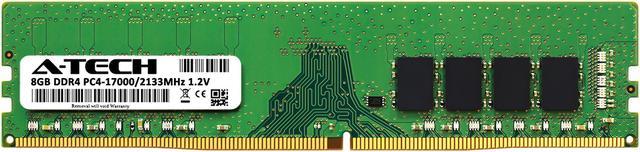
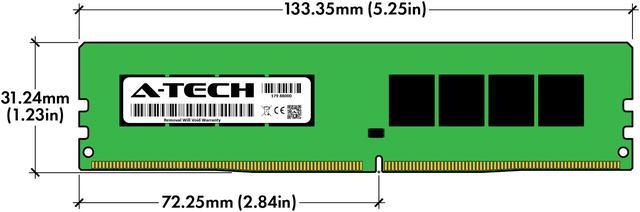
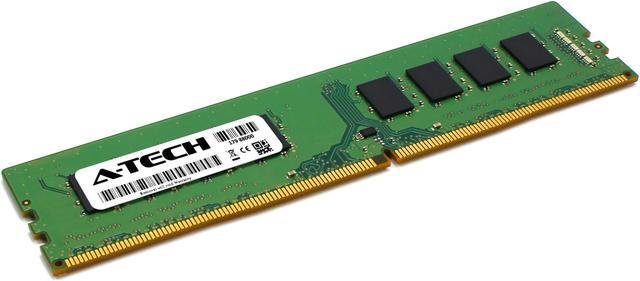
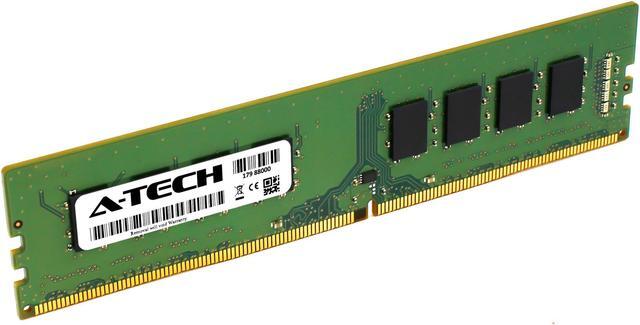
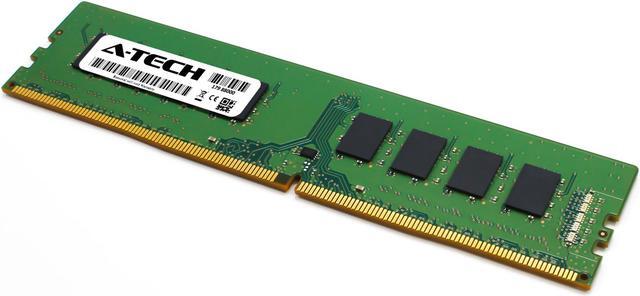
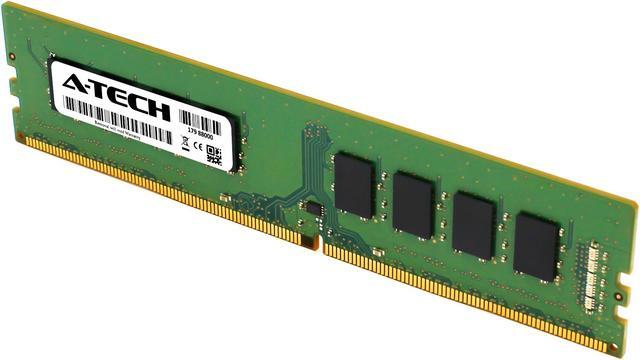
The A-Tech 8GB DDR4 2133MHz desktop memory module is a single 288-pin, non-ECC unbuffered DIMM for desktop PCs that support DDR4-2133 memory. It suits users upgrading a compatible system with one 8GB RAM module.
Recommended For
- Owners of an older desktop that specifically supports DDR4-2133 UDIMM can use this single 8GB module to replace a failed stick or make a compatible memory upgrade; check the system’s supported capacity and configuration before buying.
- People maintaining a basic-use desktop for documents, email, and light browsing may find an 8GB module useful when their compatible system needs that capacity; it is a single 8GB stick, not an 8GB kit.
- Users whose compatible desktop currently has 8GB may consider this module to expand capacity, provided the motherboard supports the added module and resulting configuration; verify compatibility rather than assuming any DDR4 stick will work.
- Repair and refurbishment users working on older desktop PCs can consider it when the system calls for an 8GB, 288-pin, non-ECC DDR4-2133 UDIMM.
Real-World Use Scenarios
- When a compatible DDR4 desktop has less than 8GB and feels constrained during everyday tasks, use this module as an upgrade or replacement; the extra memory can help keep basic browsing, email, and document work running more smoothly, though it will not fix CPU or storage bottlenecks.
- For an older desktop that already has 8GB, add this module only if the system supports the added capacity; reaching 16GB can give browser tabs, office apps, and background programs more room to stay open together.
- When refurbishing a compatible DDR4 desktop for email, web browsing, and light productivity, this module can provide 8GB of installed memory in a single stick; check the motherboard’s supported capacity and memory type before installing it.
- If a compatible desktop’s existing memory module has failed, use this as a replacement to restore the system’s memory capacity; confirm the PC supports DDR4 desktop UDIMM memory and the module’s capacity and speed.
- For a secondary desktop used mainly for documents, email, and occasional video streaming, an 8GB configuration can suit a light workload; many simultaneous tabs or demanding applications may still benefit from more memory.




 here!