


- Home
- Server & Components
- Server Components
- Server CPU Processor
Server CPU Processor
- In Stock
- Sold by Newegg
- AI Ready
- New
- Brands
- Show More
- Price
- Show More
- Series
- Show More
- CPU Socket Type
- CPU Code Name
- # of Cores
- Show More
- Operating Frequency
- FSB
- Hyper Transports
- L2 Cache
- Show More
- Sold by
- L3 Cache
- Show More
- Manufacturing Tech
- Show More
- 64-Bit Support
- Virtualization Technology Support
- Thermal Design Power
- Show More
- Cooling Device
- Hyper-Threading Support
- All Top Brands
- Availability
- Condition
- Current Promotion
- Discount
- Useful Links
- Show More
- Customer Ratings
- & up
SHOP BY CPU Socket Type

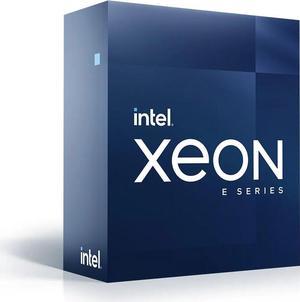
- Brand: Intel
- Name: Xeon E-2414
- CPU Code Name: Raptor Lake
- Operating Frequency: 2.6 GHz
- Model #: BX80715E2414
- $279.99 –
- More options from $279.99 - $307.46
- Free Shipping

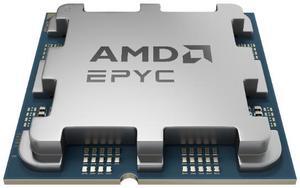
- Brand: AMD
- Name: EPYC 4345P
- CPU Socket Type: Socket AM5
- Thermal Design Power: 65W
- Model #: 100-000001556
- $350.99 –
- More options from $350.99 - $986.10
- Free Shipping

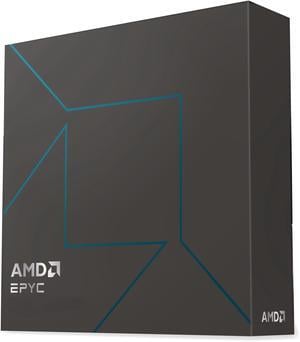
- Brand: AMD
- Name: EPYC 4585PX
- CPU Socket Type: Socket AM5
- Thermal Design Power: 170W
- Model #: 100-100001561WOF
- $709.99 –
- More options from $709.99 - $823.56
- Free Shipping

Limited time offer, ends 10/10

- Brand: AMD
- Name: EPYC 9115
- Operating Frequency: 2.6 GHz
- CPU Socket Type: Socket SP5
- Model #: 100-000001552
- $1,159.99
- $1,069.99 –
- Save: 7%
- More options from $999.99 - $2,999.80
- Free Shipping

- Type: Accessories
- Color: Black
- Weight: 0.0200
- Model #: CM8071505024520

Limited time offer, ends 10/10
- Brand: AMD
- Name: EPYC 9124
- Operating Frequency: 3.0 GHz
- CPU Socket Type: Socket SP5
- Model #: 100-000000802
- $1,019.99
- $976.99 –
- More options from $964.99 - $1,399.00
- Free Shipping

- Brand: AMD
- Name: EPYC 4465P
- CPU Socket Type: Socket AM5
- Thermal Design Power: 65W
- Model #: 100-100001558WOF
- $427.99 –
- More options from $427.99 - $482.12
- Free Shipping

OUT OF STOCK
- Model #: PSE-GRA4565P-1559
- $489.99 –
- Free Shipping

Limited time offer, ends 10/10
- Brand: AMD
- Name: EPYC 9334
- Operating Frequency: 2.7 GHz
- CPU Socket Type: Socket SP5
- Model #: 100-000000800
- $2,176.99 –
- More options from $1,699.99 - $2,999.10
- Free Shipping

- Brand: Intel
- Name: Xeon 6520P
- CPU Code Name: Granite Rapids
- Operating Frequency: 2.4 GHz
- Model #: PK8072006347500

- Brand: AMD
- Name: EPYC 9575F
- Operating Frequency: 3.3 GHz
- CPU Socket Type: Socket SP5
- Model #: 100-000001554
- $8,500.00
- $4,950.00 –
- Save: 41%
- More options from $4,950.00 - $9,558.00
- Free Shipping

- Brand: AMD
- Name: EPYC 9455P
- Operating Frequency: 3.15 GHz
- CPU Socket Type: Socket SP5
- Model #: 100-000001563
- $5,650.10 –
- More options from $2,781.99 - $5,950.10
- Free Shipping

- Brand: AMD
- Name: EPYC 4585PX
- CPU Socket Type: Socket AM5
- Thermal Design Power: 170W
- Model #: 100-000001561
- $729.00 –
- More options from $729.00 - $1,239.00
- Free Shipping

- Brand: AMD
- Name: EPYC 4545P
- CPU Socket Type: Socket AM5
- Thermal Design Power: 65W
- Model #: 100-100001764WOF
- $709.99 –
- More options from $582.81 - $709.99
- Free Shipping

- Brand: AMD
- Name: EPYC 4545P
- Operating Frequency: 3.0 GHz
- CPU Socket Type: Socket AM5
- Model #: 100-000001764
- $519.99 –
- More options from $519.99 - $1,182.10
- Free Shipping

Limited time offer, ends 10/10
- Brand: AMD
- Name: Ryzen 9 9950X
- Operating Frequency: 4.3 GHz
- # of Cores: 16-Core
- Model #: 25PCA-864430-A0R
- $619.99 –
- More options from $519.99 - $698.99
- Free Shipping

- Brand: AMD
- Name: EPYC 4565P
- CPU Socket Type: Socket AM5
- Thermal Design Power: 170W
- Model #: 100-000001559
- $619.99 –
- More options from $619.99 - $662.78
- Free Shipping

- Brand: AMD
- Name: EPYC 7282
- Operating Frequency: 2.8 GHz
- CPU Socket Type: Socket SP3
- Model #: 100-000000078
- $351.00 –
- More options from $103.79 - $798.90
- Free Shipping

- Series: AMD EPYC 7003
- Model #: B-AMD EPYC 7713
- $1,539.98
- $1,429.58 –
- Save: 7%
- More options from $1,429.58 - $2,966.00
- Free Shipping

- Model #: PSE-GRA4465P-1558
- $489.99 –
- More options from $489.99 - $898.00
- Free Shipping

- Brand: AMD
- Name: EPYC 7302
- Operating Frequency: 3.0 GHz
- CPU Socket Type: Socket SP3
- Model #: 100-000000043
- $725.00
- $371.01 –
- Save: 48%
- More options from $169.99 - $1,757.45
- Free Shipping

Limited time offer, ends 10/10
- Brand: AMD
- Name: EPYC 9015
- Operating Frequency: 3.6 GHz
- CPU Socket Type: Socket SP5
- Model #: 100-000001553
- $1,277.99 –
- More options from $632.04 - $1,490.10
- Free Shipping

- Brand: AMD
- Name: EPYC 9224
- Operating Frequency: 2.5 GHz
- CPU Socket Type: Socket SP5
- Model #: 100-000000939
- $1,240.78 –
- More options from $1,240.78 - $1,928.00
- Free Shipping

- Type: Processor
- Parts: 30 Days
- Labor: 30 Days
- Model #: SR2N7-REF
- $20.00 –
- More options from $20.00 - $30.00
- Free Shipping

- Brand: Intel
- Name: Xeon E5-2630 V4
- CPU Code Name: Broadwell-EP
- Operating Frequency: 2.2 GHz
- Model #: BX80660E52630V4
- $241.10 –
- More options from $23.99 - $506.58
- Free Shipping

- Brand: AMD
- Name: EPYC 9135
- Operating Frequency: 3.65 GHz
- CPU Socket Type: Socket SP5
- Model #: 100-000001150
- $1,546.06 –
- More options from $1,500.00 - $2,209.98
- Free Shipping

- Brand: AMD
- Name: EPYC 9754
- Operating Frequency: 2.25 GHz
- CPU Socket Type: Socket SP5
- Model #: 100-000001234
- $4,939.99
- $4,582.99 –
- Save: 7%
- More options from $4,582.99 - $6,972.99
- Free Shipping

- Brand: AMD
- Name: EPYC 4244P
- Operating Frequency: 3.8 GHz
- CPU Socket Type: Socket AM5
- Model #: 100-000001480
- $1,150.00 –
- More options from $236.78 - $1,150.00
- Free Shipping

- Brand: Intel
- Name: Xeon Gold 6526Y
- CPU Code Name: Emerald Rapids
- Operating Frequency: 2.8 GHz
- Model #: PK8072205559500

- Brand: Intel
- Processors Type: Server
- Model #: BX807134410Y
- $1,524.45 –
- More options from $619.30 - $1,524.45

- Brand: AMD
- Name: EPYC 9354P
- Operating Frequency: 3.25 GHz
- CPU Socket Type: Socket SP5
- Model #: 100-000000805
- $2,535.99 –
- More options from $2,205.05 - $3,598.05
- Free Shipping

- Brand: AMD
- Name: EPYC 9354
- Operating Frequency: 3.25 GHz
- CPU Socket Type: Socket SP5
- Model #: 100-000000798
- $2,819.95
- $2,749.10 –
- More options from $2,273.41 - $3,259.00
- Free Shipping

- Brand: AMD
- Name: EPYC 4245P
- CPU Socket Type: Socket AM5
- Thermal Design Power: 65W
- Model #: 100-000001555
- $319.00 –
- Free Shipping

- Brand: Intel
- Name: Xeon 6530P
- CPU Code Name: Granite Rapids
- Operating Frequency: 2.3 GHz
- Model #: PK8072006347400
- $3,033.92 –
- More options from $2,802.47 - $4,499.99
- Free Shipping

- Brand: Intel
- Name: Xeon Gold 6338
- CPU Code Name: Ice Lake
- Operating Frequency: 2.0 GHz
- Model #: CD8068904572501
- $1,650.50 –
- More options from $1,650.50 - $1,999.45
- Free Shipping

- Brand: AMD
- Name: EPYC 9554
- Operating Frequency: 3.1 GHz
- CPU Socket Type: Socket SP5
- Model #: 100-000000790
- $3,550.00
- $2,744.99 –
- Save: 22%
- More options from $2,744.99 - $5,211.99
- Free Shipping
Server Processors – Reliable CPUs for Data Centers and Enterprise Use
Explore a range of server CPUs designed for high performance, energy efficiency, and scalability. This page helps IT professionals and businesses find Intel and AMD server-grade processors suitable for various workloads and server configurations.
How to Choose Server CPU Processor
Key Features and Technologies to Consider When Choosing a Server CPU Processor
- Core Count and Threads: Higher core counts and multi-threading capabilities boost parallelism for enterprise applications, virtual machines, and heavy multitasking.
- Clock Speed: Base and turbo clock frequencies affect single-threaded workloads; balance speed with thermal limits and power consumption.
- Cache Size: Larger caches reduce latency by storing frequently accessed data close to the CPU cores, which accelerates data processing.
- Socket Compatibility: Crucial for motherboard and CPU pairing; different sockets support varying generations and architectures, affecting upgrade paths.
- Memory Support: Types and max capacity of RAM, including DDR4 vs DDR5, should match your server needs for speed and scalability.
- PCIe Version and Lanes: Determines expandability for GPUs, NVMe storage, or network cards; newer PCIe versions offer higher bandwidth for intensive data transfers.
- Energy Efficiency: Look for CPUs with advanced power management to reduce data center energy costs while maintaining performance.
- Security Features: Hardware-level encryption and protections against vulnerabilities are critical in server environments handling sensitive information.
Why Socket Compatibility Is the Most Critical Factor
Among all server CPU specs, socket compatibility is paramount because it directly dictates the processor's physical and electrical interface with the motherboard. Choosing the correct socket ensures the server CPU can be securely installed and communicate efficiently with the system's RAM and peripherals. For instance, FCLGA 4710 supports top-tier Intel Xeon processors with enhanced memory and PCIe performance crucial for modern AI and analytics needs, while AMD’s AMD Socket platform emphasizes multi-threading and core density tailored for scalable cloud infrastructure.
Failing to match the CPU and socket can lead to costly hardware incompatibility or performance bottlenecks. Also, socket choice influences future upgrade paths and supported technologies like memory type and PCIe generations, which directly affect long-term server infrastructure planning.
Advanced Server CPU Use for Developers and IT Professionals
For professionals managing high-demand IT environments, selecting a server CPU with the appropriate architecture and features can optimize workload efficiency and system reliability. Architectures supporting virtualization, container orchestration, and high-performance computing environments are key. Leveraging sockets like Socket SP5 allows developers to tap into massive core counts and rapid data throughput essential for hyperscale cloud tasks, while Intel's LGA 4677 supports cutting-edge AI compute workloads with the latest DDR5 memory and PCIe 5.0 interfaces.
Experts should also consider firmware and firmware update support, compatibility with server operating systems, and hardware-based security extensions such as Intel SGX or AMD SEV, which protect workload isolation vital for multi-tenant environments.
Performance and Setup Tips
- Verify motherboard socket compatibility before purchasing your server CPU processor to avoid hardware mismatches.
- Install sufficient high-quality DDR4 or DDR5 RAM matching your CPU’s supported memory specification to maximize performance.
- Configure BIOS/UEFI settings for optimal power management and thermal control to prolong CPU lifespan under heavy server loads.
- Leverage multi-processor support if your server platform permits it, doubling or tripling performance for parallel workloads.
- Monitor CPU temperatures continuously with dedicated software and ensure proper cooling with efficient airflow and quality heatsinks.
- Update firmware and drivers regularly to take advantage of the latest security patches and performance enhancements.
- Utilize hardware virtualization extensions and security features offered by your server CPU to improve virtualization density and workload isolation.
- Plan for future scalability by choosing CPUs and sockets that support the latest PCIe versions and memory standards.
Newegg shopping tip: When choosing a server CPU, focus on core count and multi-threading capabilities to match your workload demands, especially for virtualization or database performance. Don’t overlook compatibility with your server’s motherboard and memory requirements, as these affect both stability and scalability.
Explore Server CPU Processor & Related Categories
FCLGA 4710 supports Intel’s latest Sapphire Rapids Xeon CPUs, offering PCIe 5.0 and DDR5 memory for cutting-edge server workloads focused on AI and analytics.
Intel Socket designs like LGA and FCLGA ensure robust contact and power delivery across generations, critical for compatibility and sustained server performance.
AMD Sockets like SP3 and AM4 match Ryzen and EPYC processors, optimized for multi-threaded server tasks and high core counts with PCIe 4.0 or 5.0 support.
Choosing Your First Server Processor
If you’re new to buying server CPUs, it helps to start with the basics: focus on core count, clock speed, and compatibility with your existing server motherboard. Server processors differ significantly from desktop chips—they’re built to handle heavy multitasking, 24/7 operation, and demanding workloads reliably. Make sure to check the socket type your server supports, since this affects CPU compatibility. For example, Intel Socket designs like LGA and FCLGA ensure robust contact and power delivery across generations, critical for compatibility and sustained server performance. Starting with a well-supported socket and a reputable brand such as Intel or AMD is your safest bet to get stable, long-lasting performance.
Server CPUs for Virtualization and Cloud Hosting
For IT professionals running virtual machines or cloud services, a server processor with a high number of cores and strong multi-threading is essential. AMD’s EPYC processors with Socket SP5 fit this niche perfectly, offering up to 96 cores alongside support for DDR5 and PCIe 5.0, ideal for scaling virtualized environments. Intel’s options like the FCLGA 4710 socket also provide cutting-edge performance for analytics and artificial intelligence workloads, with PCIe 5.0 and DDR5 memory support that helps streamline heavy data center tasks. Reliability, resource management, and energy efficiency matter most here, so choose a CPU designed specifically for these types of demanding server operations.
High-Performance Computing (HPC) and Data-Intensive Applications
When powering HPC clusters or handling massive database operations, server CPUs must excel in raw processing capability and memory bandwidth. Intel’s LGA 2011-3 and LGA 2011 sockets support Xeon processors tailored for these uses, featuring improved memory bandwidth and multiple PCIe lanes for fast data transfer across complex server arrays. Similarly, AMD’s high core-count EPYC processors address these data-heavy workloads with ample cache and threading options. Selecting the right socket, whether Intel’s or AMD’s, ensures your server can maintain peak performance with demanding applications around the clock without bottlenecks.
Before You Buy
- Confirm the socket type your server motherboard requires: options include Intel Socket, AMD Socket, or Ampere Socket.
- Evaluate core counts and clock speeds based on your workload—more cores benefit virtualization, while higher clock speeds may help certain database or compute-heavy tasks.
- Check the generation and support for newer technologies like DDR5 RAM and PCIe 5.0 to future-proof your server setup.
- Consider power consumption and thermal design power (TDP) for efficient energy use and cooling in your data center.
- Read user reviews and performance benchmarks for processors within your budget to narrow down the best CPU for your server environment.
Research more: When choosing a server CPU, focus on factors like core count, power efficiency, and compatibility with your existing hardware to match your workload needs. For a deeper dive into specifications and use-case recommendations, check out the Newegg Insider buying guides.
Last Updated: October 2026 | Newegg Server CPU Processor Buying Guide
Server CPU Processor FAQs:
How do Intel Xeon and AMD EPYC server CPUs differ in performance for data centers?
AMD EPYC processors typically offer more cores and threads at a lower cost, making them efficient for highly parallel workloads, while Intel Xeon CPUs often excel in single-threaded performance and have broader software optimization in some enterprise environments.
When choosing a server CPU, does higher clock speed or more cores matter more?
It really depends on your workload; applications like database management or virtualization benefit from more cores, whereas tasks requiring quick, single-threaded processing see better results with higher clock speeds.
What’s the difference between server CPUs and regular desktop processors?
Server CPUs are designed to handle heavy multitasking, higher workloads, and run 24/7 reliably, often featuring more cores, larger caches, and support for advanced technologies like ECC memory that desktop processors don’t typically have.
How important is core count when choosing a server CPU?
Core count is crucial because servers run multiple processes and virtual machines simultaneously; more cores generally mean better ability to handle many tasks at once, improving overall server performance.
What should I prioritize when choosing a server CPU processor for a small business server?
Focus on cores and threads to handle multiple tasks smoothly, and make sure the processor supports your server’s motherboard and required features like virtualization.
Is it worth spending more on a high-end server CPU if my workload is mainly basic file storage and printing?
Not really, a mid-range processor will usually meet those needs without the higher price tag—save the budget for other hardware that impacts performance more directly.
How reliable are server CPUs over long periods of heavy use?
Server CPUs are designed to handle continuous, demanding workloads and generally maintain stability for years if properly cooled and maintained. However, performance can degrade if they're pushed beyond their specs or exposed to poor operating conditions.
When reading reviews, what common issues should I watch out for with server processors?
Pay attention to reports about overheating under load, compatibility problems with motherboards, and any recurring hardware failures. Also, check if users mention firmware or BIOS update requirements to keep the CPU running smoothly.
How do I make sure my server motherboard is compatible with the CPU processor I want to buy?
Check the motherboard's CPU socket type and supported processor list to ensure it matches the server CPU. Also, verify BIOS version compatibility, since sometimes a firmware update is needed for newer processors.
What’s the best way to optimize performance after installing a new server CPU?
After installation, update your server’s BIOS and chipset drivers, then configure your server’s power management settings to maximize performance. Ensuring proper cooling and thermal paste application also helps maintain stable operation.
Bestselling Server CPU Processor Reviews:
“ Overall very recommended for small efficient home servers. ”
Intel Xeon E Quad-core (4 Core) E-2414 - 2.6 GHz- 4 threads - 12 MB cache - FCLGA1700 Socket - Retail Box - BX80715E2414“ Get it if you want the best CPU for both gaming and productivity. ”
AMD EPYC 4005 (5th Gen) 4585PX Hexadeca-core (16 Core) 128MB L3 Cache Socket AM5 170W Processor power affordable, turn-key, easy-to-use, manageable server solutions - 3D-V-Cache Technology Processor - Retail Box. 100-100001561WOF“ Currently at a price/performance sweet spot for server CPUs. ”
Intel Xeon Silver 4300 (3rd Gen) 4314 Hexadeca-core (16 Core) 2.40 GHz Processor - 24 MB L3 Cache - 64-bit Processing - 3.40 GHz Overclocking Speed - 10 nm - Socket LGA-4189 - 135 W -BX806894314“ Glad the CPU was still available and I know the Xeon brand will do well in my server for years to come. ”
Intel Xeon E3-1225 V5 3.3 GHz LGA 1151 80W BX80662E31225V5 Server Processor