


- Home
- AI Workstation
- Servers & Workstations
- Server System
Server System
- In Stock
- Sold by Newegg
- AI Ready
- Make an Offer
- New
- Brands
- Show More
- Price
- Show More
- Series
- Type
- Show More
- Rack Height
- Show More
- CPU Type
- Show More
- Operating System
- Workload
- MAX Processors
- Installed Memory Size
- Show More
- Sold by
- # of Processors Installed
- Max Memory Capacity
- Show More
- Number of Memory Slots
- Show More
- Hard Drive (Installed)
- Show More
- HDD Interface
- SSD (Installed)
- Raid Level
- Show More
- Max HDD Capacity
- Show More
- All Top Brands
- Availability
- Condition
- Discount
- Useful Links
- Show More
- Customer Ratings
- & up
Shop by Servers
The commonest traditional mode combined with versatile performance
Scalable infrastructure with high density 1, 2 or 4 socket of CPU processors Availible for both Intel and AMD processors Ideal for common business applications,virtualization and cloud-native workloads.Designed for continuous operation in extreme environments
Compact, ruggedized, customized depth rugged OEM-ready server with reverse mounting capabilities.Built for telecom, retail, marine and government applications.Compact and quiet construction designed for small businesses and remote offices
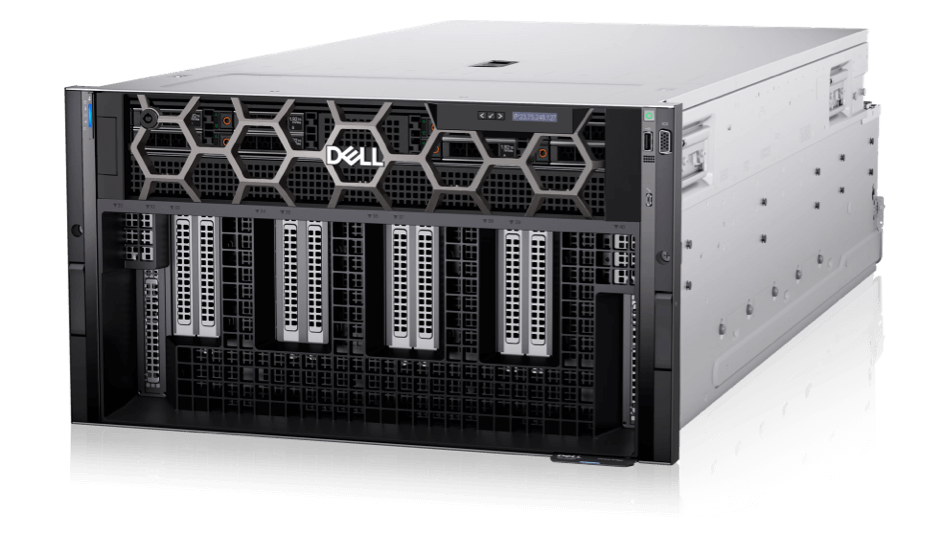
Availible 1 or 2 socket CPU options to meet different needs like 3D rendering, CAD, and video editing, providing robust computing power and advanced graphics capabilities.Specialized servers equipped with AI-optimized CPUs or GPUs, and designed for extensive AI model training and inference tasks.
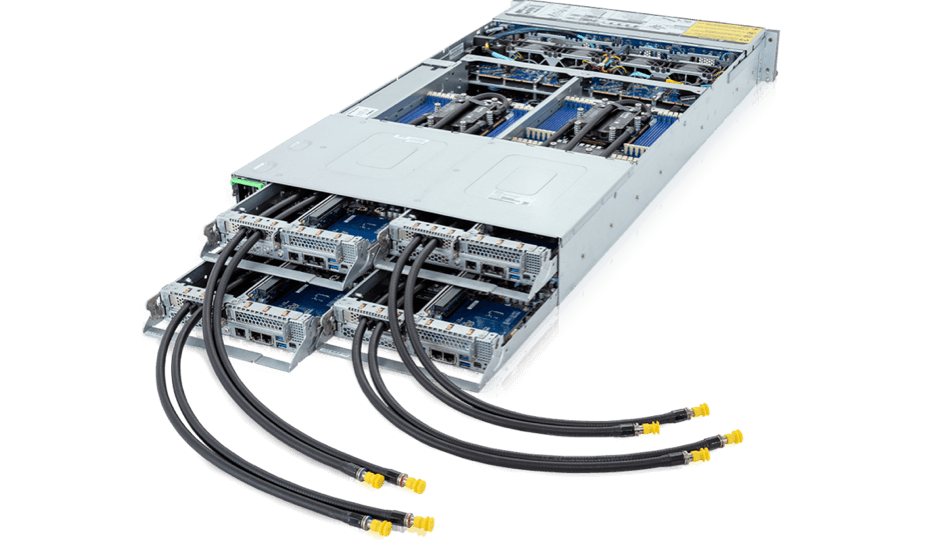
Rapidly develop, train and deploy large machine learning models with high-performance application servers designed for HPC supercomputing and the largest data sets for AI.Compact servers designed for maximize performance in limited space.
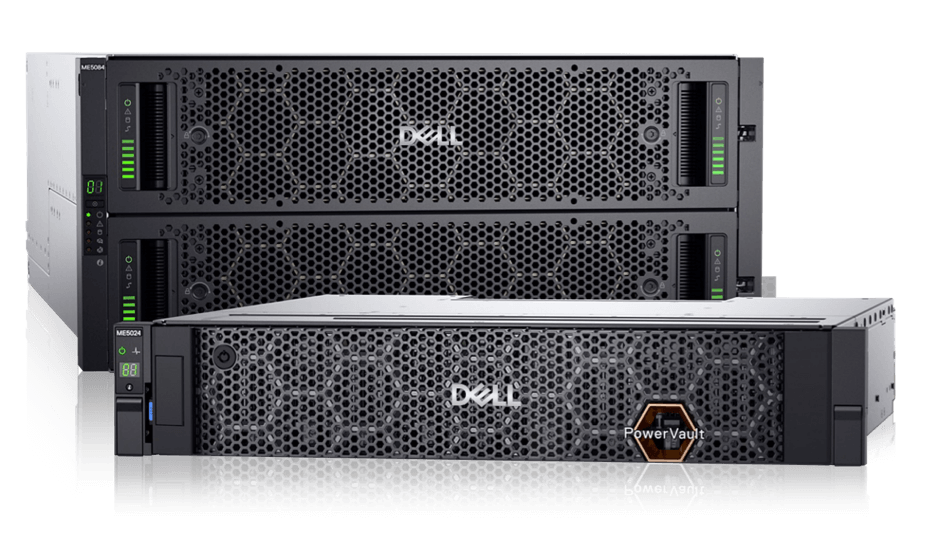
They offer high compute power in a small footprint, suitable for data centers with space and power constraints.Servers specifically designed to store and manage data as affordable entry block storages.
Support large amounts of disks like SSD and NVME Best for small and medium sized businesses
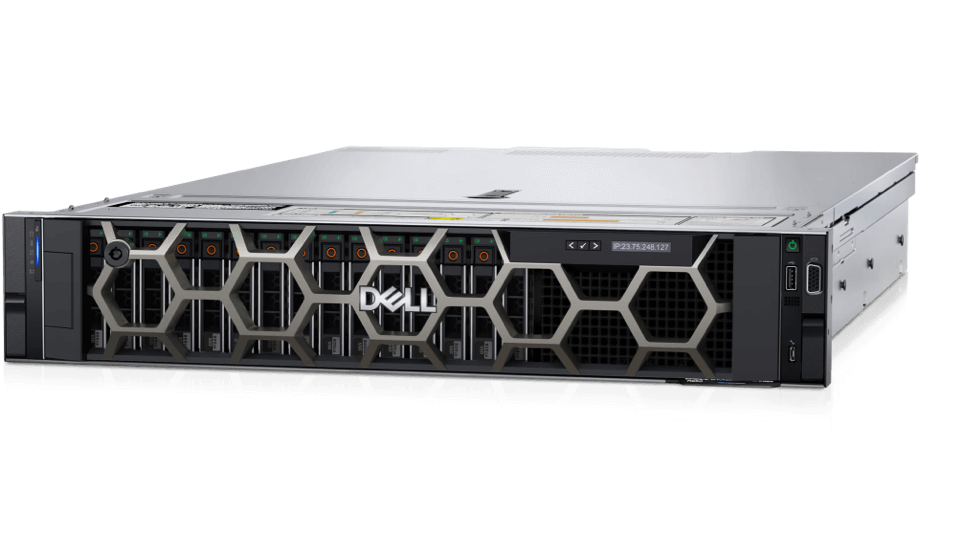
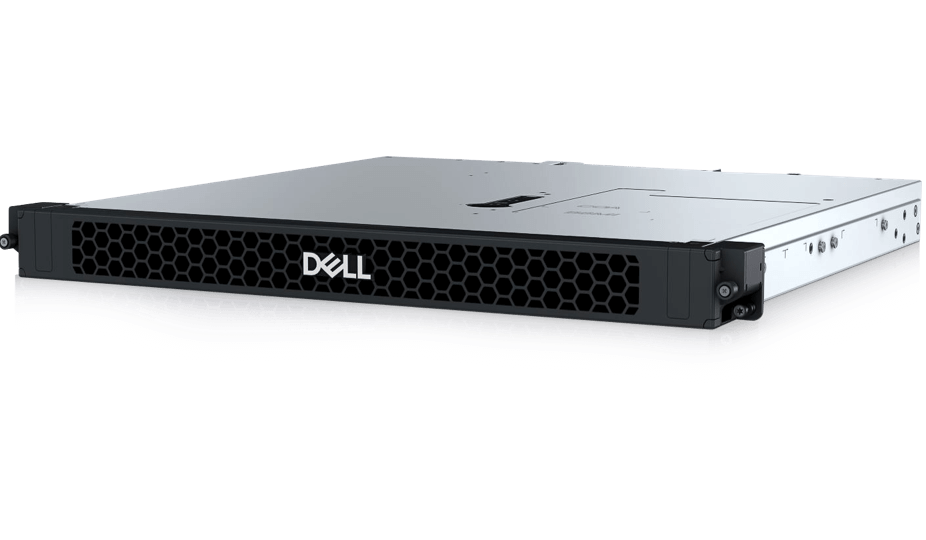
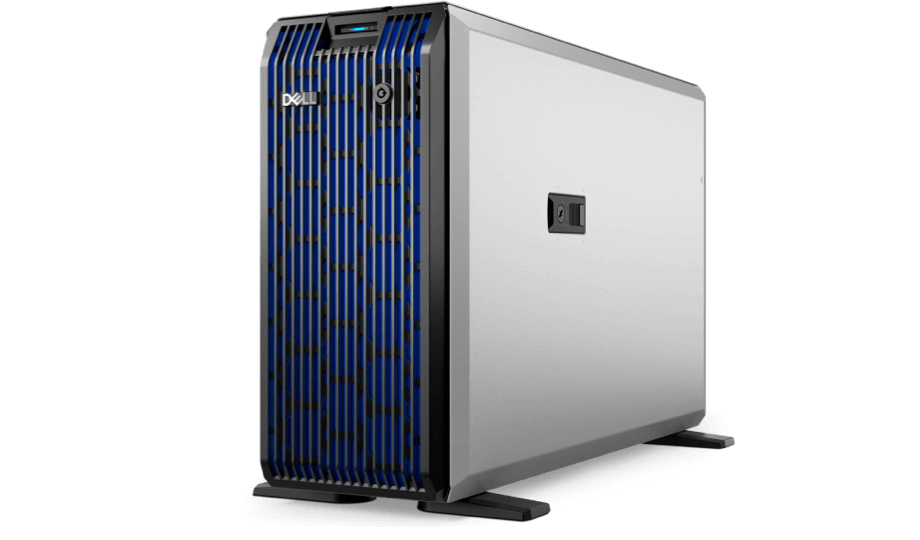
- Brand: DELL
- Series: PowerEdge
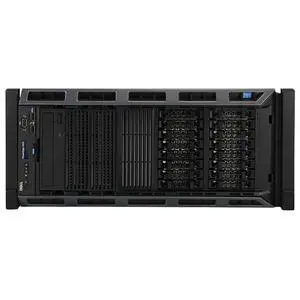
- Type: Rack
- Rack Height: 2U
- Model #: MKT-PE-R740XD2-26B-LFF-V6
- $2,568.00 –
- Free Shipping

- Brand: DELL
- Series: PowerEdge
- Type: Rack
- Rack Height: 5U
- Model #: PE-T440-16B-RM-SFF-V279
- $2,537.00 –
- Free Shipping

- Brand: DELL
- Series: PowerEdge
- Type: Rack
- Rack Height: 5U
- Model #: PE-T430-16B-RM-SFF-V74
- $2,639.00 –
- Free Shipping

- Brand: DELL
- Series: PowerEdge R740xd
- Type: Rack
- Rack Height: 2U
- Model #: PE-R740XD-12B-LFF-V49
- $2,589.00 –
- More options from $2,589.00 - $2,701.00
- Free Shipping

- Brand: DELL
- Series: PowerEdge
- Type: Rack
- Rack Height: 5U
- Model #: PE-T430-16B-RM-SFF-V214
- $2,644.00 –
- Free Shipping

- Brand: DELL
- Series: PowerEdge
- Type: Rack
- Rack Height: 5U
- Model #: PE-T430-16B-RM-SFF-V50
- $2,644.00 –
- Free Shipping

- Brand: DELL
- Series: PowerEdge
- Type: Rack
- Rack Height: 5U
- Model #: PE-T430-16B-RM-SFF-V149
- $2,651.00 –
- Free Shipping

- Brand: DELL
- Series: PowerEdge R740xd
- Type: Rack
- Rack Height: 2U
- Model #: PE-R740XD-12B-LFF-V29
- $2,599.00 –
- More options from $2,599.00 - $2,701.00
- Free Shipping

- Brand: DELL
- Series: PowerEdge
- Type: Rack
- Rack Height: 5U
- Model #: PE-T440-16B-RM-SFF-V209
- $2,557.00 –
- Free Shipping

- Brand: DELL
- Series: PowerEdge
- Type: Rack
- Rack Height: 5U
- Model #: PE-T430-16B-RM-SFF-V125
- $2,656.00 –
- Free Shipping

- Brand: DELL
- Series: PowerEdge
- Type: Rack
- Rack Height: 5U
- Model #: PE-T430-16B-RM-SFF-V219
- $2,657.00 –
- Free Shipping

- Brand: DELL
- Series: PowerEdge
- Type: Rack
- Rack Height: 2U
- Model #: MKT-PE-R740XD2-26B-LFF-V181
- $2,603.00 –
- Free Shipping

- Brand: DELL
- Series: PowerEdge
- Type: Rack
- Rack Height: 5U
- Model #: PE-T430-16B-RM-SFF-V289
- $2,660.00 –
- Free Shipping

- Brand: DELL
- Series: PowerEdge
- Type: Rack
- Rack Height: 5U
- Model #: PE-T430-16B-RM-SFF-V130
- $2,669.00 –
- Free Shipping

- Brand: DELL
- Series: PowerEdge
- Type: Rack
- Rack Height: 2U
- Model #: MKT-PE-R740XD2-26B-LFF-V91
- $2,617.00 –
- Free Shipping

- Brand: DELL
- Series: PowerEdge
- Type: Rack
- Rack Height: 5U
- Model #: PE-T430-16B-RM-SFF-V294
- $2,673.00 –
- Free Shipping

- Brand: DELL
- Series: PowerEdge
- Type: Rack
- Rack Height: 5U
- Model #: PE-T440-16B-RM-SFF-V504
- $2,575.00 –
- Free Shipping

- Brand: DELL
- Series: PowerEdge
- Type: Rack
- Rack Height: 2U
- Model #: MKT-PE-R740XD2-26B-LFF-V186
- $2,624.00 –
- Free Shipping

- Brand: DELL
- Series: PowerEdge
- Type: Rack
- Rack Height: 2U
- Model #: MKT-PE-R740XD2-26B-LFF-V276
- $2,624.00 –
- Free Shipping

- Brand: DELL
- Series: PowerEdge M640
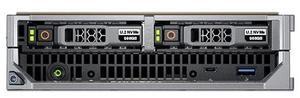
- Type: Blade
- Rack Height: Blade
- Model #: PE-M640-2B-SFF-V20
- $2,627.00 –
- Free Shipping

- Brand: DELL
- Series: PowerEdge
- Type: Rack
- Rack Height: 2U
- Model #: MKT-PE-R740XD2-26B-LFF-V96
- $2,638.00 –
- Free Shipping

- Brand: DELL
- Series: PowerEdge
- Type: Rack
- Rack Height: 5U
- Model #: PE-T430-16B-RM-SFF-V200
- $2,696.00 –
- Free Shipping

- Brand: DELL
- Series: PowerEdge T430
- Redundant Hot-swap Power: Yes
- CPU Type: Intel Xeon
- Model #: DELL-PE-T430-8B-LFF-V176
- $2,702.00 –
- Free Shipping

- Brand: DELL
- Series: PowerEdge
- Type: Rack
- Rack Height: 5U
- Model #: PE-T430-16B-RM-SFF-V135
- $2,703.00 –
- Free Shipping

- Brand: DELL
- Series: PowerEdge
- Type: Rack
- Rack Height: 5U
- Model #: PE-T430-16B-RM-SFF-V205
- $2,709.00 –
- Free Shipping

- Brand: DELL
- Series: PowerEdge
- Type: Rack
- Rack Height: 2U
- Model #: MKT-PE-R740XD2-26B-LFF-V16
- $2,655.00 –
- Free Shipping

- Brand: DELL
- Series: PowerEdge
- Type: Rack
- Rack Height: 2U
- Model #: MKT-PE-R740XD2-26B-LFF-V11
- $2,655.00 –
- Free Shipping

- Brand: DELL
- Series: PowerEdge
- Type: Rack
- Rack Height: 5U
- Model #: PE-T430-16B-RM-SFF-V275
- $2,712.00 –
- Free Shipping

- MAX Processors: 2
- Max Memory Capacity: 512GB
- Model #: 840104399880
- $26,727.85 –
- More options from $26,727.85 - $45,649.00
- Free Shipping

- MAX Processors: 2
- Max Memory Capacity: 256GB
- Model #: 840104399729
- $18,577.85 –
- More options from $18,577.85 - $30,589.00
- Free Shipping

- MAX Processors: 2
- Max Memory Capacity: 512GB
- Model #: 840104324806
- $23,198.90 –
- More options from $23,198.90 - $45,419.00
- Free Shipping

- MAX Processors: 2
- Max Memory Capacity: 1TB
- Model #: 840104324516
- $23,627.30 –
- More options from $23,627.30 - $59,769.00
- Free Shipping

- MAX Processors: 2
- Max Memory Capacity: 1TB
- Model #: 840104325414
- $21,145.30 –
- More options from $21,145.30 - $57,649.00
- Free Shipping

- MAX Processors: 2
- Max Memory Capacity: 512GB
- Model #: 840104399361
- $21,953.00 –
- More options from $21,953.00 - $36,949.00
- Free Shipping

- MAX Processors: 2
- Max Memory Capacity: 512GB
- Model #: 840104324363
- $19,557.85 –
- More options from $19,557.85 - $39,059.00
- Free Shipping

- MAX Processors: 2
- Max Memory Capacity: 1TB
- Model #: 840104325117
- $22,202.90 –
- More options from $22,202.90 - $59,539.00
- Free Shipping
High-Performance Server & Workstation Systems
Explore a range of customizable prebuilt and desktop server computers designed for business, IT professionals, and tech enthusiasts. Find server PCs and workstations that deliver reliable performance for data management, virtualization, and development needs.
How to Choose Server System
Key Features and Technologies to Consider in Server Systems
- Processor Type and Core Count: Choose between powerful CPUs like Intel Xeon Scalable or AMD EPYC 4th Gen, designed for heavy multitasking and enterprise workloads.
- Memory Capacity and ECC Support: Server systems often require error-correcting code (ECC) memory to maintain data integrity during critical operations.
- Storage Options and Expandability: Look for multiple drive bays, support for SSDs and HDDs, and hot-swappable features depending on your redundancy and speed needs.
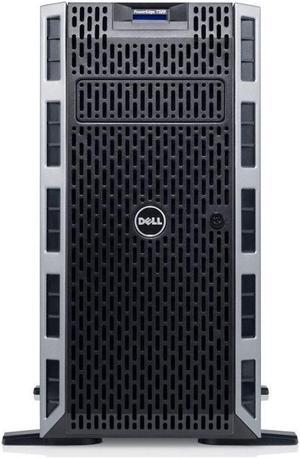
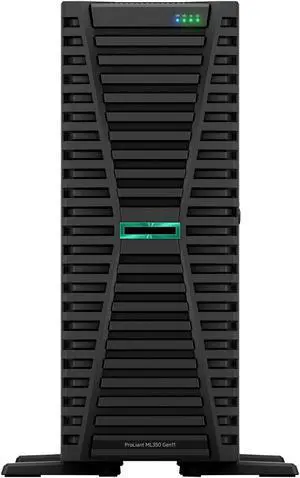
- Form Factor: Consider if a Tower, Rack, Blade, Small Form Factor, or MicroServer suits your physical space and scalability requirements.
- Networking Capabilities: High-speed Ethernet ports, fiber channel options, and adaptable network cards can be vital for data center and virtualization tasks.
- Power Efficiency and Cooling: Efficient power supplies and cooling systems reduce operational costs and ensure reliability during sustained workloads.
Why the CPU Architecture Is Crucial for Server Performance
The central processing unit (CPU) forms the backbone of server systems, influencing everything from speed and multitasking to virtualization and data handling capabilities. The choice between Intel Xeon Scalable and AMD EPYC 4th Gen processors is especially pivotal, as these architectures provide cutting-edge multi-core performance tailored to enterprise-grade workloads.
The AMD EPYC series is praised for its higher core counts and memory bandwidth, making it excellent for dense virtualized environments and multi-threaded applications. Intel’s Xeon Scalable lineup offers advanced security features and robust single-thread performance, ideal for workloads sensitive to latency or legacy software compatibility. In servers, CPU cache size, thread count, and support for virtualization extensions can dramatically impact responsiveness and throughput under load.
Beyond raw power, these CPUs also support technologies like DDR5 memory and PCIe 5.0, ensuring future-proof scalability and rapid data transfer—crucial for modern data centers and mission-critical applications.
Advanced Server Use Cases for Developers and IT Professionals
Professional users often demand specialized server configurations to optimize software development, testing, or large-scale virtualization environments. For instance, Desktop servers provide a compelling blend of workstation power and server-grade reliability, suitable for home labs or edge deployments requiring rapid iteration and testing cycles.
Meanwhile, dense Blade servers enable modular expansion and high availability, a favored choice in enterprise data centers that need flexible compute resources on demand.
Developers and IT infrastructure managers also benefit from systems that support expanding RAM and multiple GPUs, helping to accelerate machine learning workflows or complex simulations. Leveraging these class-leading components ensures a robust foundation for demanding, mission-critical environments.
Performance and Setup Tips
- Ensure proper cooling solutions are in place to maintain optimal operating temperatures and avoid thermal throttling.
- Configure RAID arrays on your storage devices to balance speed, data redundancy, and fault tolerance according to your needs.
- Update the server firmware and drivers to the latest versions to maximize compatibility and security.
- Allocate ECC memory to minimize data integrity errors in critical applications.
- Use virtualization-aware processors and enable hardware virtualization features in BIOS to optimize VM performance.
- Network your server with high-speed Ethernet or fiber connections to reduce latency and improve data throughput.
- Regularly monitor server workload and resource usage with management tools to preemptively address bottlenecks.
- Plan for scalability by selecting servers with expandable RAM slots and additional PCIe lanes for future upgrades.
Newegg shopping tip: Before choosing a server system, focus on comparing processor capabilities, memory capacity, and storage options to ensure they meet your workload demands. Also, consider expandability and compatibility with your existing network infrastructure to avoid costly upgrades later.
Explore Server System & Related Categories
Ideal for edge computing or lightweight virtualization, these desktops balance power and affordability with Intel Xeon or AMD EPYC CPU options.
Browse our full lineup featuring the latest Intel Xeon Scalable and AMD EPYC 4th Gen servers designed for scalable enterprise workloads.
High-density chassis packed with hot-swappable blades, perfect for data centers needing modular compute and shared networking infrastructure.
Getting Started with Server Systems
If you’re new to the world of server computers, it helps to think about what you need from your system before diving in. Servers differ from typical PCs by offering enhanced reliability, uptime, and scalability to handle multiple users, applications, or large datasets simultaneously. Whether you're setting up a Desktop server for your small office or exploring more specialized form factors, start by defining your workload and space constraints. From there, you can choose components that offer enough processing power and storage while remaining manageable.
Server Systems for Small and Medium Businesses
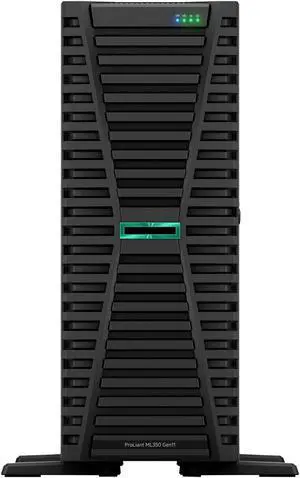
Small and medium-sized businesses (SMBs) often require reliable local storage and solid processing performance without the complexity of large data center equipment. Tower servers are a perfect fit here, offering room to grow with multiple drives, add-in cards, and strong CPUs like the latest Intel Xeon Scalable or AMD EPYC options. These systems can support file sharing, databases, and business software, giving you a balance of performance, expandability, and straightforward maintenance.
Enterprise-Grade Servers for Scalable Workloads
For enterprises running large-scale applications such as virtualization, cloud services, or extensive databases, servers engineered for dense compute power and scalability are essential. Shop all products to find rack-mounted or blade server systems that maximize computing density and network integration. These platforms allow for hot-swappable components and advanced management tools, letting IT teams scale operations efficiently while minimizing downtime and data loss risks.
Before You Buy
- Confirm your primary use case and workload requirements to determine the best server form factor and specs.
- Check CPU models—Intel Xeon Scalable and AMD EPYC 4th Gen processors deliver enterprise-grade performance and reliability.
- Assess memory needs; ECC RAM is critical for preventing data corruption in server environments.
- Consider expandability options like drive bays, PCIe slots, and network interface cards for future growth.
- Verify physical space and power availability, especially for rack-mounted versus tower configurations.
- Decide if you need hot-swappable components or remote management capabilities for minimized downtime.
- Look into form factors—whether a compact MicroServer or a large Rack server best fits your environment.
Research more: When choosing a server system, consider your workload needs—whether that's storage capacity, processing power, or network speed. For a deeper dive into configurations and what suits different environments, check out Newegg Insider’s buying guides to make a more informed decision.
Last Updated: October 2026 | Newegg Server System Buying Guide
Server System FAQs:
How do enterprise-grade servers compare to tower servers in terms of performance and use case?
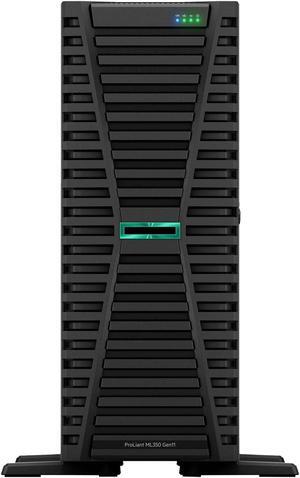
Enterprise-grade servers generally offer higher performance, scalability, and reliability for data centers, while tower servers are more cost-effective and suitable for small businesses or remote offices. Your choice depends on workload demands and budget.
Is it better to buy a server with pre-installed hardware components or build a custom configuration?
Pre-installed servers simplify setup and ensure component compatibility, which is great for quicker deployment. Custom builds let you tailor specifications precisely but require more technical knowledge and time to assemble.
What kind of processors do server systems typically use?
Server systems usually run on multi-core processors like Intel Xeon or AMD EPYC, designed for handling heavy workloads and multitasking efficiently.
How much RAM can a server system support?
The RAM capacity varies by model but servers often support anywhere from 32GB to several terabytes, depending on the motherboard and processor architecture.
How do I decide what processor power I need in a server system?
Think about the type of workloads you'll run—simple file storage won’t need as much CPU muscle as virtual machines or heavy databases. Start with a baseline processor and scale up based on whether your tasks require multitasking, virtualization, or high compute performance.
Is it better to invest more upfront in a server system or upgrade components later?
It usually pays off to buy a solid system that meets your needs now, especially in enterprise setups, since compatibility and downtime can become issues with later upgrades. However, if your budget is tight, pick a scalable server that lets you add RAM or storage as your demands grow.
How reliable are server systems for continuous 24/7 operation?
Most server systems are built to run nonstop and handle high workloads, but their reliability depends on quality components and proper cooling. Checking user reviews for reports on uptime and hardware failures can give you a clear picture of what to expect.
What common problems should I watch out for when reading server system reviews?
Look for mentions of overheating, noisy fans, and hard drive failures, as these are frequent concerns. Also, see if reviewers mention support and firmware updates, since those can make a big difference in long-term stability.
How do I start setting up my new server system for the first time?
Begin by connecting all necessary cables and peripherals, then power it on and access the BIOS or UEFI settings to configure your basic hardware preferences before installing your operating system.
What’s the best way to optimize a server system for continuous 24/7 operation?
Keep your firmware and software updated, ensure proper cooling and ventilation, and use reliable power sources like a UPS to prevent downtime or hardware damage.