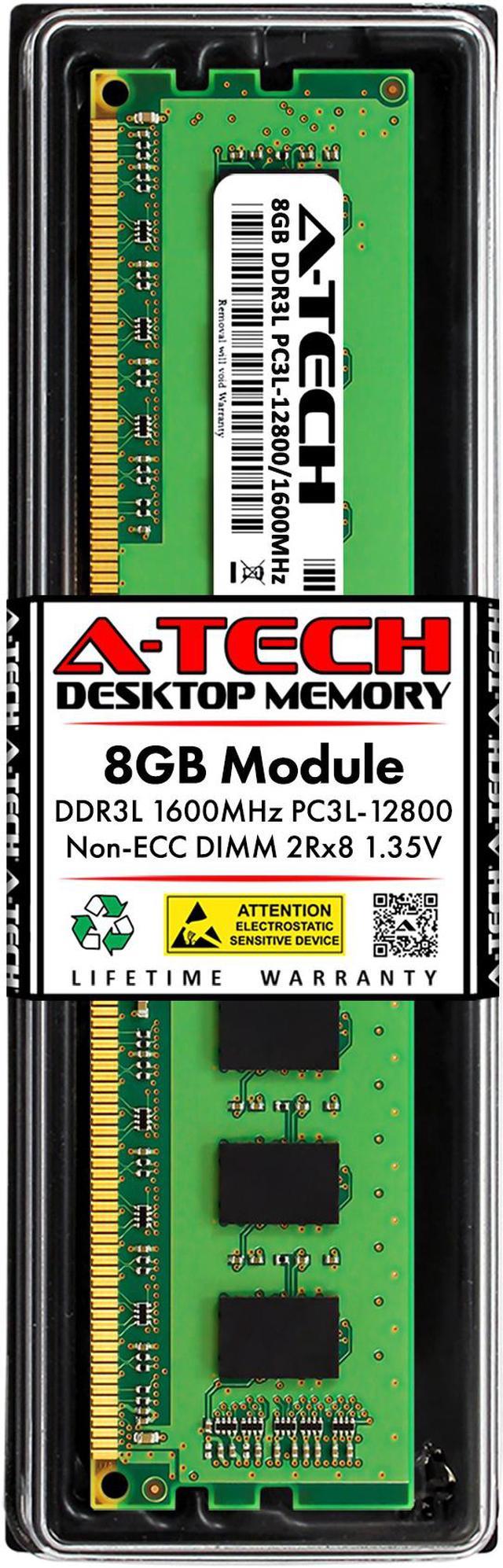
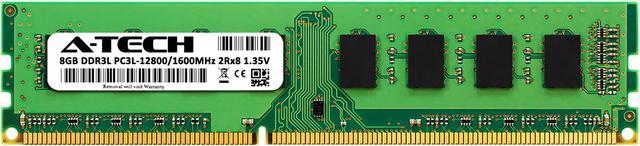
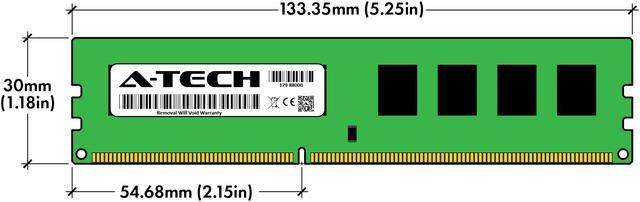
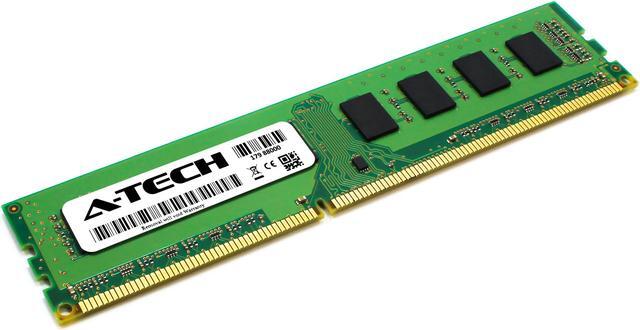
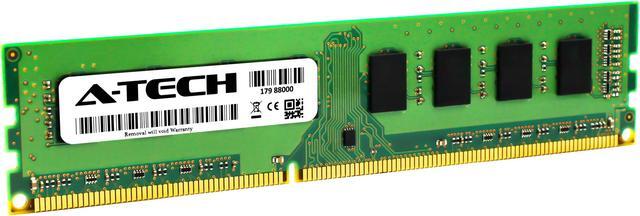
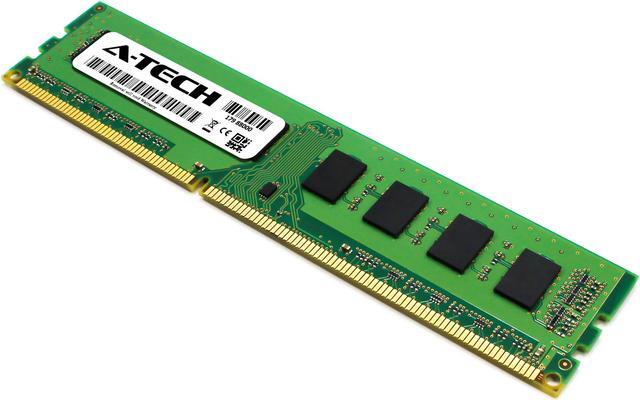
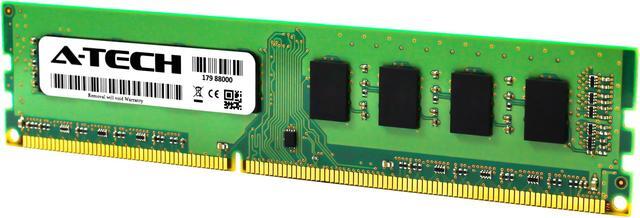
The A-Tech 8GB DDR3L-1600 desktop memory module is a single 240-pin, non-ECC, unbuffered DIMM for upgrading compatible DDR3 desktop PCs that support 8GB modules and 1600MHz memory.
Recommended For
- Owners of a compatible DDR3 desktop who need one replacement DIMM or an additional 8GB module to keep an older PC in service.
- People maintaining an older desktop for basic office documents, email, web browsing, or media playback, provided the computer supports this 240-pin DDR3 DIMM and its capacity.
- DIY upgraders whose DDR3 desktop has an open slot and who have checked the motherboard’s supported memory type, module capacity, and speed before buying.
- Users refreshing a legacy desktop for older or entry-level games who want compatible DDR3-1600 memory, rather than an upgrade to graphics or processor performance.
Real-World Use Scenarios
- If this module brings a memory-limited compatible desktop to 8GB total, it can suit everyday tasks such as web browsing, email, documents, and spreadsheets, with fewer slowdowns caused by running short of memory.
- For someone keeping several browser tabs open while switching between email, documents, or other light apps, added memory can reduce sluggishness when the previous capacity was the bottleneck; it will not necessarily speed up a system limited by its processor or storage drive.
- When upgrading an older DDR3 desktop that has little memory and an available slot, this stick can be a practical way to expand capacity without replacing the whole computer; check the motherboard’s supported memory type, capacity, and configuration first.
- For light school or home-office use on a compatible legacy PC—such as writing papers, browsing, and basic spreadsheets—this module may help if it raises total memory to around 8GB, but it is not a substitute for more memory in demanding creative workloads.
- For gaming, treat this as a capacity upgrade rather than a frame-rate upgrade: it may help if the desktop was running out of RAM, but a single added module will not by itself overcome limits from the graphics card, processor, or game requirements.




 here!