

 here!
here!
I’m your shopping assistant for PC builds, upgrades, and everything tech.
Got questions? Ask away!
Start a conversation
here!
I’m your shopping assistant for PC builds, upgrades, and everything tech.
Got questions? Ask away!
Start a conversation




Any questions? Ask CelesteSM will help you find out quickly.


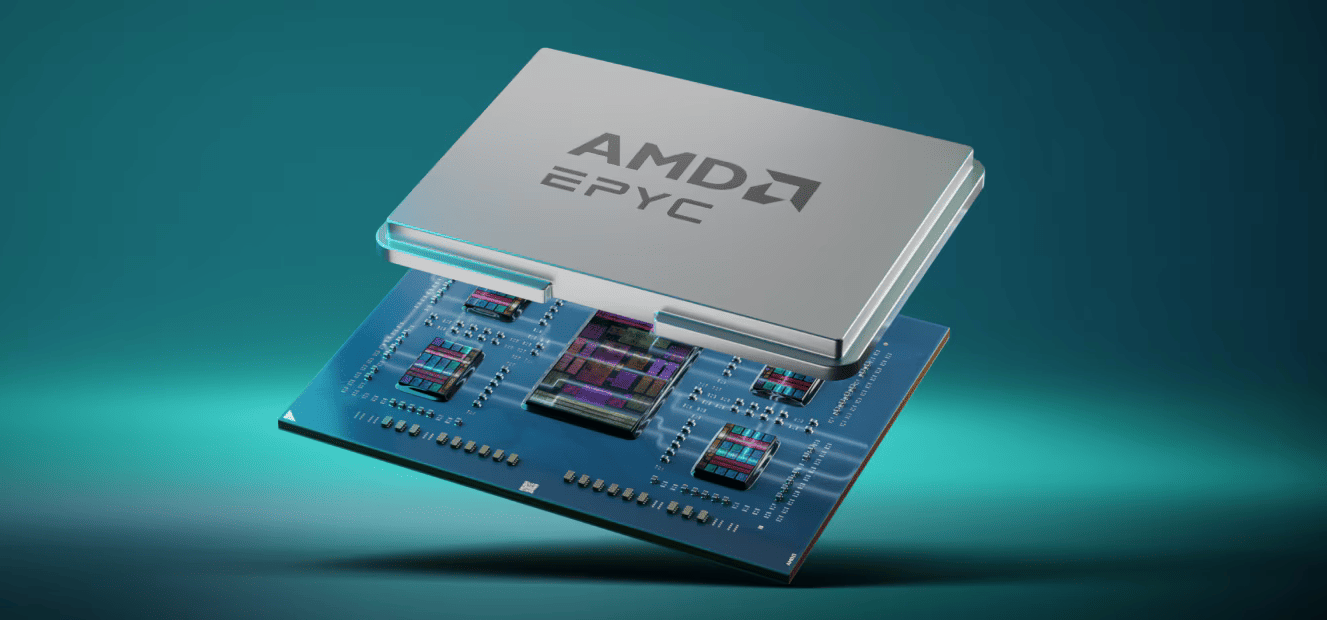
No matter what the workload demands are, the 4th Gen AMD EPYC™ processor portfolio offers a solution to advance your business. From general purpose to edge computing, there is a processor to meet every data center need.


AMD EPYC™ Processors power optimized high-performance x86 servers for the most demanding general purpose and AI-enabled data center workloads.


AMD EPYC™ processors power the most energy-efficient x86 servers, helping you reduce energy costs and meet corporate sustainability goals.1


Data security threats are increasing and evolving, requiring vigilance and reliable support from platform providers. AMD EPYC™ processors include a comprehensive suite of security features, AMD Infinity Guard, that help keep your data safe in the expanding landscape of AI and cloud adoption.2
AMD EPYC™ Family of Processors as of 5/02/2024 see amd.com/worldrecords for the full list.
The 4th Generation AMD EPYC™ processor family includes a broad portfolio of offerings for AI, general purpose, and workload-optimized solutions.
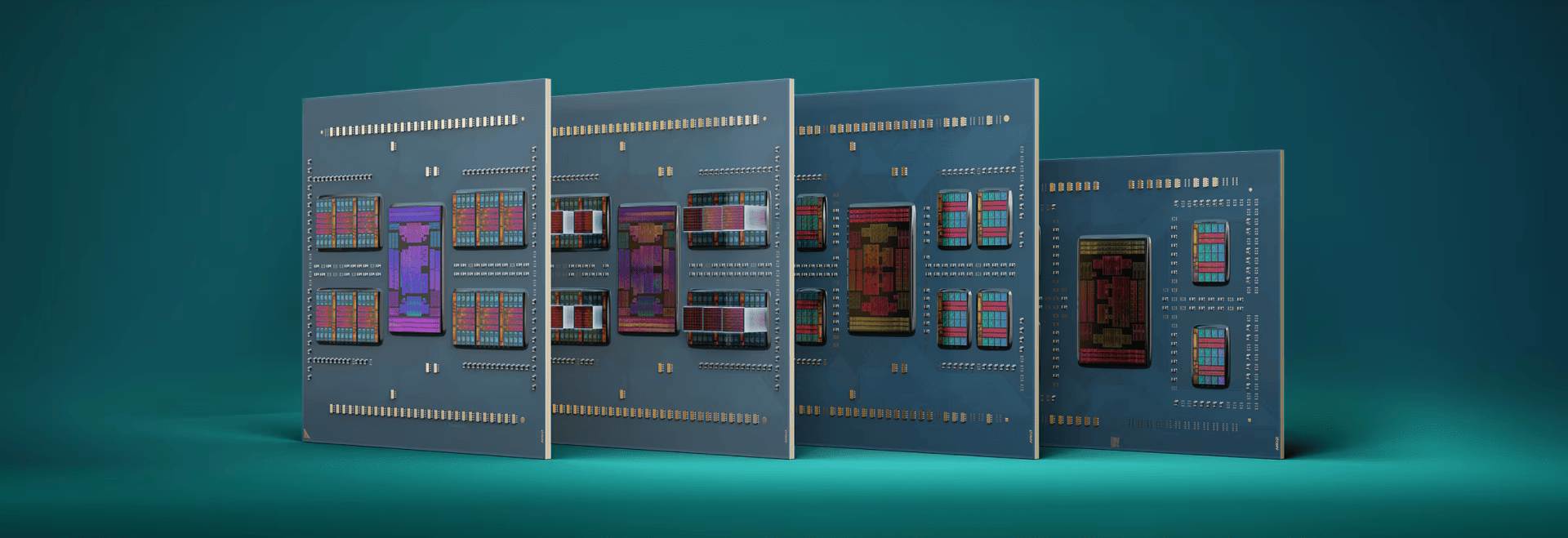
These processors include up to 128 “Zen 4” or “Zen 4c” cores with exceptional memory bandwidth and capacity. The innovative AMD chiplet architecture enables high performance, energy-efficient solutions optimized for your different computing needs.

EPYC™ 9004 Series Processors
Drive exceptional time-to-results for your business-critical applications with AMD EPYC™ 9004 processors. Formerly codenamed “Genoa”, this CPU series features exceptional performance and is optimized for a wide range of workloads spanning from the enterprise to the cloud.

EPYC™ 9004 Series Processors with AMD 3D V-Cache™ Technology
Reach new heights to help solve some of today’s most complex design and simulation challenges with AMD EPYC™ 9004 Series Processors with 3D V-Cache™ Technology, formerly codenamed “Genoa-X”.

EPYC™ 97x4 Series Processors
4th Gen AMD EPYC™ 97x4 processors, formerly codenamed “Bergamo”, offer the performance, density, and energy efficiency to provide no-compromise computing for growing cloud native environments.

EPYC™ 8004 Series Processors
AMD EPYC™ 8004 Processors, formerly codenamed “Siena”, designed to be a highly energy efficient CPU for single-socket platforms. With up to 64 “Zen 4c” cores and 6 channels of DDR5 memory in a small footprint, these processors are ideal for space and power-constrained deployments.
AMD works with a variety of partners to design and develop optimized solutions featuring 4th Gen AMD EPYC™.


Name |
# of CPU Cores |
# of Threads |
Max. Boost Clock7 |
Base Clock |
L3 Cache |
Default TDP |
| AMD EPYC™ 9754S | 128 | 128 | Up to 3.1 GHz | 2.25 GHz | 256 MB | 360W |
| AMD EPYC™ 9754 | 128 | 256 | Up to 3.1 GHz | 2.25 GHz | 256 MB | 360W |
| AMD EPYC™ 9734 | 112 | 224 | Up to 3 GHz | 2.2 GHz | 256 MB | 340W |
| AMD EPYC™ 9684X | 96 | 192 | Up to 3.7 GHz | 2.55 GHz | 1152 MB | 400W |
| AMD EPYC™ 9654P | 96 | 192 | Up to 3.7 GHz | 2.4 GHz | 384 MB | 360W |
| AMD EPYC™ 9654 | 96 | 192 | Up to 3.7 GHz | 2.4 GHz | 384 MB | 360W |
| AMD EPYC™ 9634 | 84 | 168 | Up to 3.7 GHz | 2.25 GHz | 384 MB | 290W |
| AMD EPYC™ 9554P | 64 | 128 | Up to 3.75 GHz | 3.1 GHz | 256 MB | 360W |
| AMD EPYC™ 9554 | 64 | 128 | Up to 3.75 GHz | 3.1 GHz | 256 MB | 360W |
| AMD EPYC™ 9534 | 64 | 128 | Up to 3.7 GHz | 2.45 GHz | 256 MB | 280W |
| AMD EPYC™ 9474F | 48 | 96 | Up to 4.1 GHz | 3.6 GHz | 256 MB | 360W |
| AMD EPYC™ 9454P | 48 | 96 | Up to 3.8 GHz | 2.75 GHz | 256 MB | 290W |
| AMD EPYC™ 9454 | 48 | 96 | Up to 3.8 GHz | 2.75 GHz | 256 MB | 290W |
| AMD EPYC™ 9384X | 32 | 64 | Up to 3.9 GHz | 3.1 GHz | 768 MB | 320W |
| AMD EPYC™ 9374F | 32 | 64 | Up to 4.3 GHz | 3.85 GHz | 256 MB | 320W |
| AMD EPYC™ 9354P | 32 | 64 | Up to 3.8 GHz | 3.25 GHz | 256 MB | 280W |
| AMD EPYC™ 9354 | 32 | 64 | Up to 3.8 GHz | 3.25 GHz | 256 MB | 280W |
| AMD EPYC™ 9334 | 32 | 64 | Up to 3.9 GHz | 2.7 GHz | 128 MB | 210W |
| AMD EPYC™ 9274F | 24 | 48 | Up to 4.3 GHz | 4.05 GHz | 256 MB | 320W |
| AMD EPYC™ 9254 | 24 | 48 | Up to 4.15 GHz | 2.9 GHz | 128 MB | 200W |
| AMD EPYC™ 9224 | 24 | 48 | Up to 3.7 GHz | 2.5 GHz | 64 MB | 200W |
| AMD EPYC™ 9184X | 16 | 32 | Up to 4.2 GHz | 3.55 GHz | 768 MB | 320W |
| AMD EPYC™ 9174F | 16 | 32 | Up to 4.4 GHz | 4.1 GHz | 256 MB | 320W |
| AMD EPYC™ 9124 | 16 | 32 | Up to 3.7 GHz | 3 GHz | 64 MB | 200W |
Name |
# of CPU Cores |
# of Threads |
Max. Boost Clock7 |
Base Clock |
L3 Cache |
Default TDP8 |
| AMD EPYC™ 9684X | 96 | 192 | Up to 3.7 GHz | 2.55 GHz | 1152 MB | 400W |
| AMD EPYC™ 9384X | 32 | 64 | Up to 3.9 GHz | 3.1 GHz | 768 MB | 320W |
| AMD EPYC™ 9184X | 16 | 32 | Up to 4.2 GHz | 3.55 GHz | 768 MB | 320W |
Name |
# of CPU Cores |
# of Threads |
Max. Boost Clock7 |
Base Clock |
L3 Cache |
Default TDP8 |
| AMD EPYC™ 9754S | 128 | 128 | Up to 3.1 GHz | 2.25 GHz | 256 MB | 360W |
| AMD EPYC™ 9754 | 128 | 256 | Up to 3.1 GHz | 2.25 GHz | 256 MB | 360W |
| AMD EPYC™ 9734 | 112 | 224 | Up to 3 GHz | 2.2 GHz | 256 MB | 340W |
Name |
# of CPU Cores |
# of Threads |
Max. Boost Clock7 |
Base Clock |
L3 Cache |
Default TDP |
| AMD EPYC™ 8534PN | 64 | 128 | Up to 3.1 GHz | 2 GHz | 128 MB | 175W |
| AMD EPYC™ 8534P | 64 | 128 | Up to 3.1 GHz | 2.3 GHz | 128 MB | 200W |
| AMD EPYC™ 8434PN | 48 | 96 | Up to 3 GHz | 2 GHz | 128 MB | 155W |
| AMD EPYC™ 8434P | 48 | 96 | Up to 3.1 GHz | 2.5 GHz | 128 MB | 200W |
| AMD EPYC™ 8324PN | 32 | 64 | Up to 3 GHz | 2.05 GHz | 128 MB | 130W |
| AMD EPYC™ 8324P | 32 | 64 | Up to 3 GHz | 2.65 GHz | 128 MB | 180W |
| AMD EPYC™ 8224PN | 24 | 48 | Up to 3 GHz | 2 GHz | 64 MB | 120W |
| AMD EPYC™ 8224P | 24 | 48 | Up to 3 GHz | 2.55 GHz | 64 MB | 160W |
| AMD EPYC™ 8124PN | 16 | 32 | Up to 3 GHz | 2 GHz | 64 MB | 100W |
| AMD EPYC™ 8124P | 16 | 32 | Up to 3 GHz | 2.45 GHz | 64 MB | 125W |
| AMD EPYC™ 8024PN | 8 | 16 | Up to 3 GHz | 2.05 GHz | 32 MB | 80W |
| AMD EPYC™ 8024P | 8 | 16 | Up to 3 GHz | 2.4 GHz | 32 MB | 90W |
1. EPYC-028D: SPECpower_ssj® 2008, SPECrate®2017_int_energy_base, and SPECrate®2017_fp_energy_base based on results published on SPEC’s website as of 2/21/24. VMmark® server power-performance / server and storage power-performance (PPKW) based results published at https://www.vmware.com/products/vmmark/results3x.1.html?sort=score. The first 105 ranked SPECpower_ssj®2008 publications with the highest overall efficiency overall ssj_ops/W results were all powered by AMD EPYC processors. For SPECrate®2017 Integer (Energy Base), AMD EPYC CPUs power the first 8 top SPECrate®2017_int_energy_base performance/system W scores. For SPECrate®2017 Floating Point (Energy Base), AMD EPYC CPUs power the first 12 SPECrate®2017_fp_energy_base performance/system W scores. For VMmark® server power-performance (PPKW), have the top 5 results for 2- and 4-socket matched pair results outperforming all other socket results and for VMmark® server and storage power-performance (PPKW), have the top overall score. See https://www.amd.com/en/claims/epyc4#faq-EPYC-028D for the full list. For additional information on AMD sustainability goals see: https://www.amd.com/en/corporate/corporate-responsibility/data-center-sustainability.html. More information about SPEC® is available at //www.spec.org. SPEC, SPECrate, and SPECpower are registered trademarks of the Standard Performance Evaluation Corporation. VMmark is a registered trademark of VMware in the US or other countries.
2. GD-183A: AMD Infinity Guard features vary by EPYC™ Processor generations and/or series. Infinity Guard security features must be enabled by server OEMs and/or Cloud Service Providers to operate. Check with your OEM or provider to confirm support of these features. Learn more about Infinity Guard at https://www.amd.com/en/products/processors/server/epyc/infinity-guard.html.
3. SP5-104B: SPECjbb® 2015-MultiJVM Critical-jOPS based on published scores from www.spec.org as of 1/4/2024. Configurations: 2P AMD EPYC 9684X (679,119 SPECjbb®2015 MultiJVM critical-jOPS, 783,622 SPECjbb®2015 MultiJVM max-jOPS, 192 Total Cores, https://spec.org/jbb2015/results/res2023q3/jbb2015-20230906-01166.html ) is 1.61x the critical-jOPS performance published 2P 64C Intel Xeon Platinum 8592+ (421,207 SPECjbb®2015 MultiJVM critical-jOPS, 480,007 SPECjbb®2015 MultiJVM max-jOPS, 128 Total Cores, https://spec.org/jbb2015/results/res2024q1/jbb2015-20231224-01210.html ). SPEC® and SPECjbb® are registered trademarks of the Standard Performance Evaluation Corporation. See www.spec.org for more information.
4. Results may vary due to factors including system configurations, software versions and BIOS settings. See https://www.amd.com/system/files/documents/amd-epyc-9004x-pb-ansys-fluent.pdf . NOTE: 2022R2 test cases include ice_2m, landing_gear_15m, pump_2m, fluidized_bed_2m, f1_racecar_140m, aircraft_14m, aircraft_2m, open_racecar_280m, sedan_4m, combustor_12m, combustor_71m, lm6000_16m, rotor_3m, exhaust_system_33m, oil_rig_7m.
5. Results may vary due to factors including system configurations, software versions and BIOS settings. See https://www.amd.com/system/files/documents/amd-epyc-9754-pb-spec-power.pdf
6. SP5-051A: TPCx-AI SF30 derivative workload comparison based on AMD internal testing running multiple VM instances as of 4/13/2024. The aggregate end-to-end AI throughput test is derived from the TPCx-AI benchmark and as such is not comparable to published TPCx-AI results, as the end-to-end AI throughput test results do not comply with the TPCx-AI Specification. AMD system configuration: Processors: 2 x AMD EPYC 9654; Frequencies: 2.4 GHz | 3.7 GHz; Cores: 96 cores per socket (1 NUMA domain per socket); L3 Cache: 384MB/socket (768MB total); Memory: 1.5TB (24) Dual-Rank DDR5-5600 64GB DIMMs, 1DPC (Platform supports up to 4800MHz); NIC: 2 x 100 GbE Mellanox CX-5 (MT28800); Storage: 3.2 TB Samsung MO003200KYDNC U.3 NVMe; BIOS: 1.56; BIOS Settings: SMT=ON, Determinism=Power, NPS=1, PPL=400W, Turbo Boost=Enabled; OS: Ubuntu® 22.04.3 LTS; Test config: 6 instances, 64 vCPUs/instance, 2663 aggregate AI use cases/min vs. Intel system configuration: Processors: 2 x Intel® Xeon® Platinum 8592+; Frequencies: 1.9 GHz | 3.9 GHz; Cores: 64 cores per socket (1 NUMA domain per socket); L3 Cache: 320MB/socket (640MB total); Memory: 1TB (16) Dual-Rank DDR5-5600 64GB DIMMs, 1DPC; NIC: 4 x 1GbE Broadcom NetXtreme BCM5719 Gigabit Ethernet PCIe; Storage: 3.84TB KIOXIA KCMYXRUG3T84 NVMe; BIOS: ESE124B-3.11; BIOS Settings: Hyperthreading=Enabled, Turbo boost=Enabled, SNC=Disabled; OS: Ubuntu® 22.04.3 LTS; Test config: 4 instances, 64 vCPUs/instance, 1607 aggregate AI use cases/min. Results may vary due to factors including system configurations, software versions and BIOS settings. TPC, TPC Benchmark and TPC-C are trademarks of the Transaction Processing Performance Council.
7. Max boost for AMD EPYC processors is the maximum frequency achievable by any single core on the processor under normal operating conditions for server systems. EPYC-18.
8. 2nd Gen AMD EPYC™ processors used on motherboards designed for the 1st Gen AMD EPYC processor require a BIOS update from your server manufacturer. The EPYC 7742, 7642 and 7542 are 225w parts and require additional updates, contact your server manufacturer for support. For PCIe® 4 and DDR4-3200 memory support, please contact your server manufacturer. A motherboard designed for 2nd Gen EPYC processors is required to enable all available functionality. ROM-06a