




 here!
I’m your shopping assistant for PC builds, upgrades, and everything tech.
Got questions? Ask away!
Start a conversation
here!
I’m your shopping assistant for PC builds, upgrades, and everything tech.
Got questions? Ask away!
Start a conversation
Make informed decisions with expert advice. Learn More





Any questions? Ask CelesteSM will help you find out quickly.


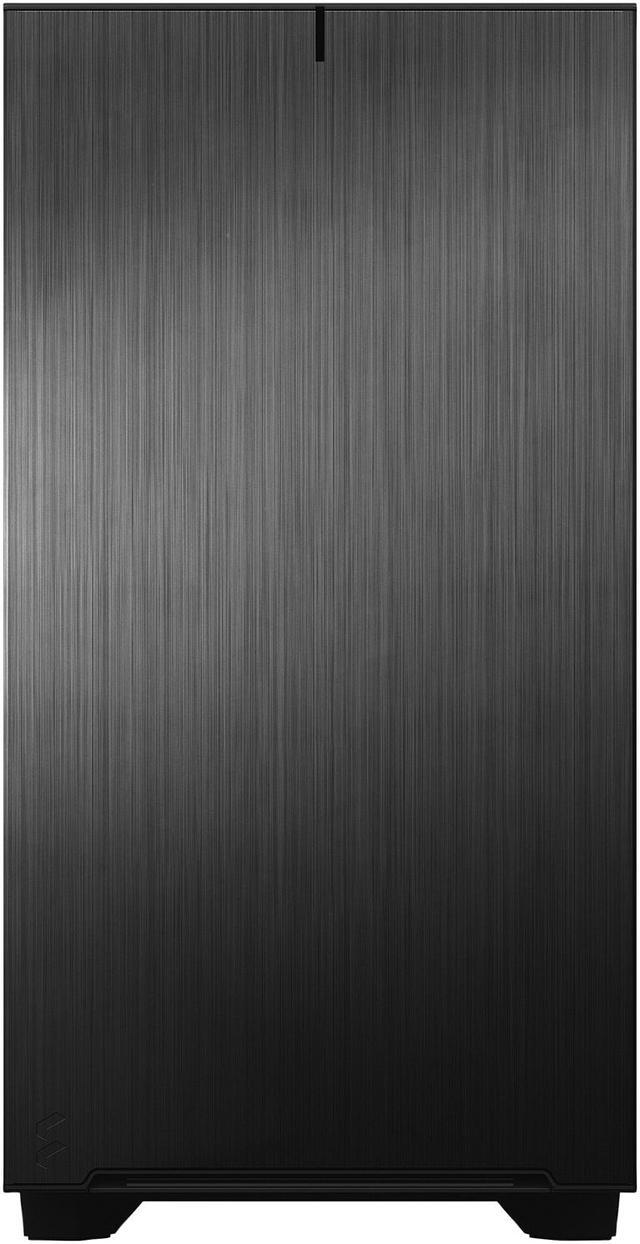
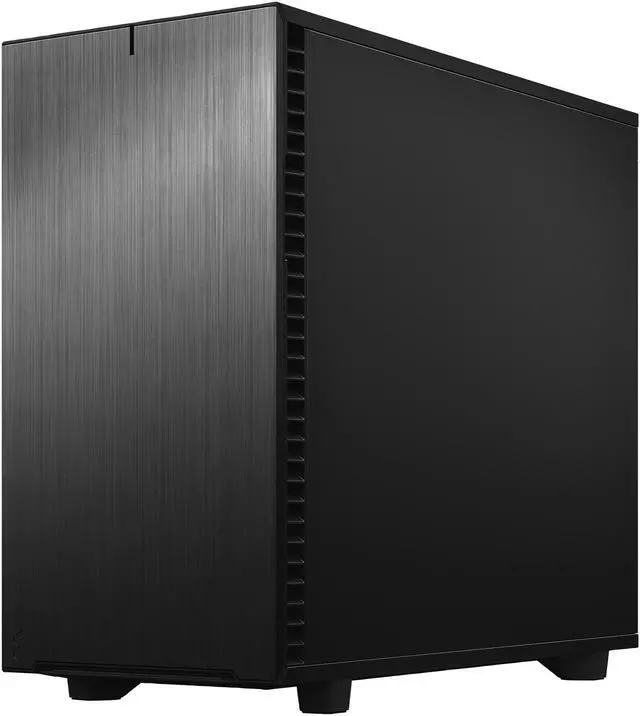
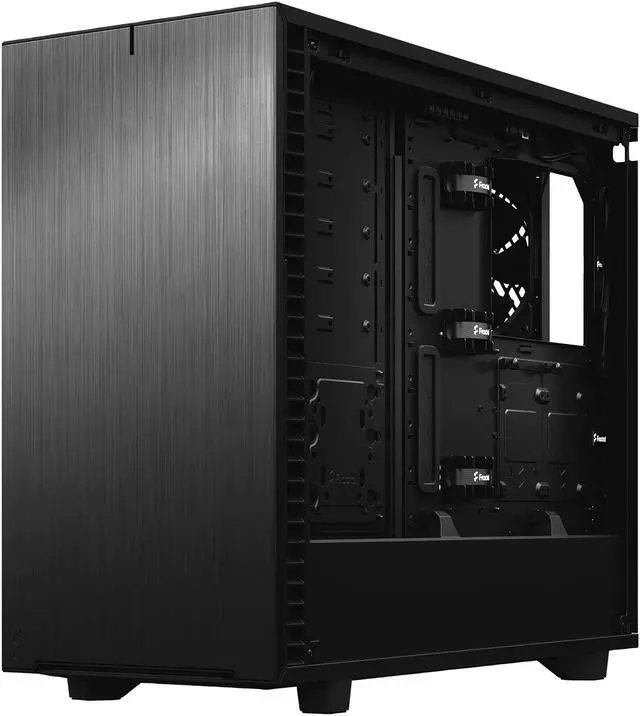
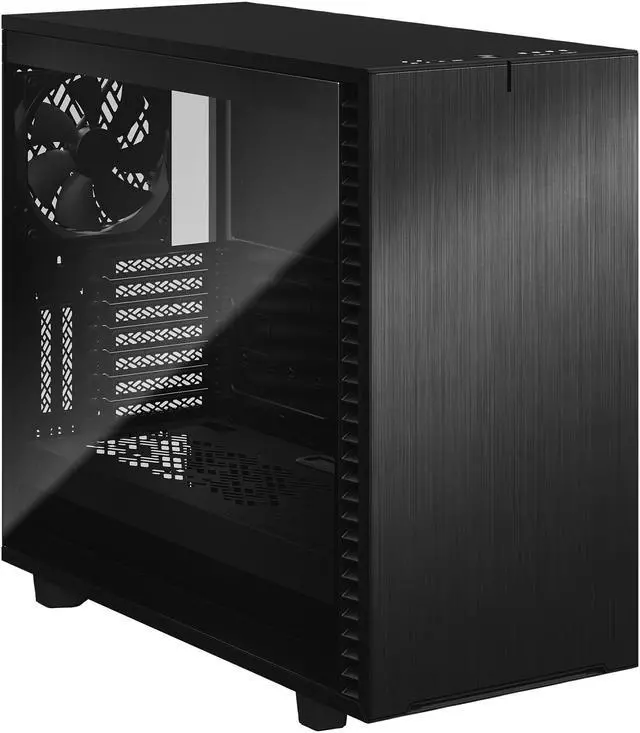
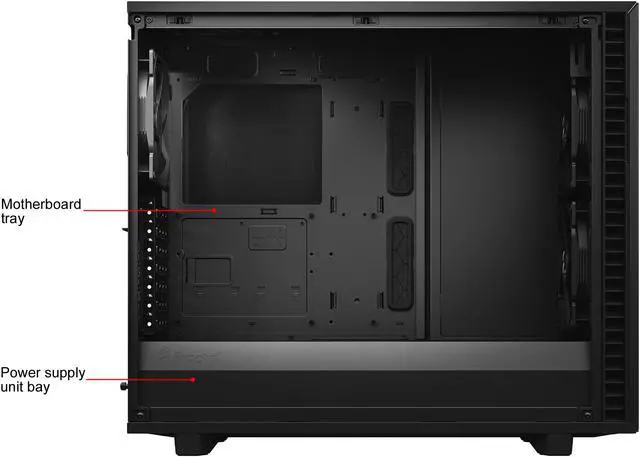
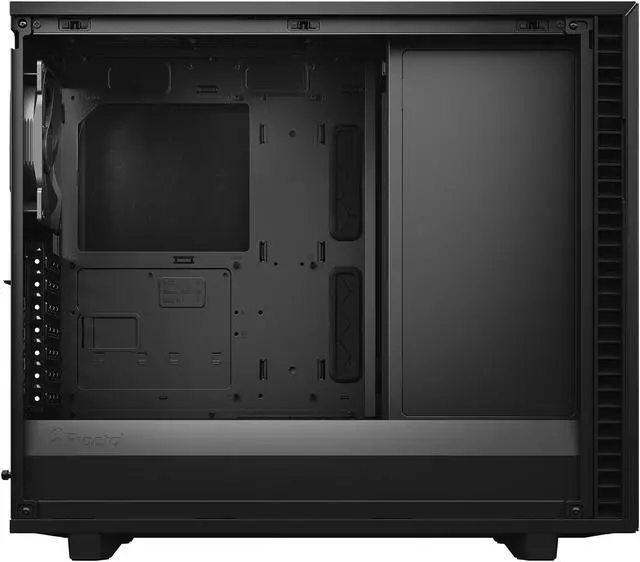
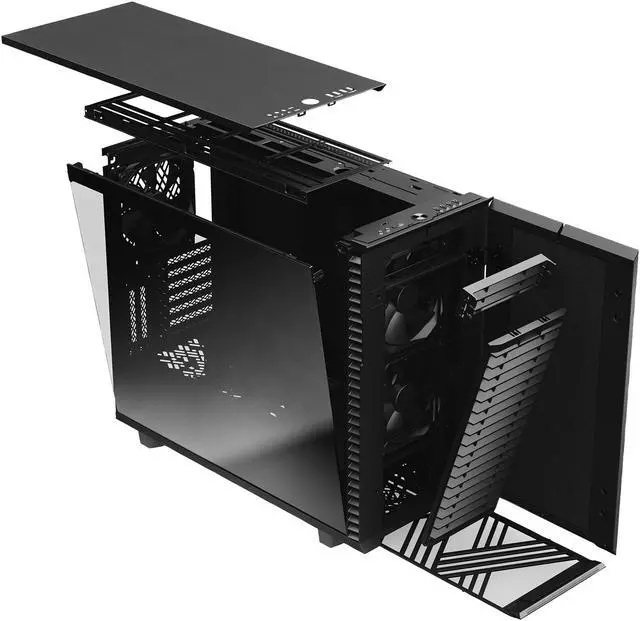
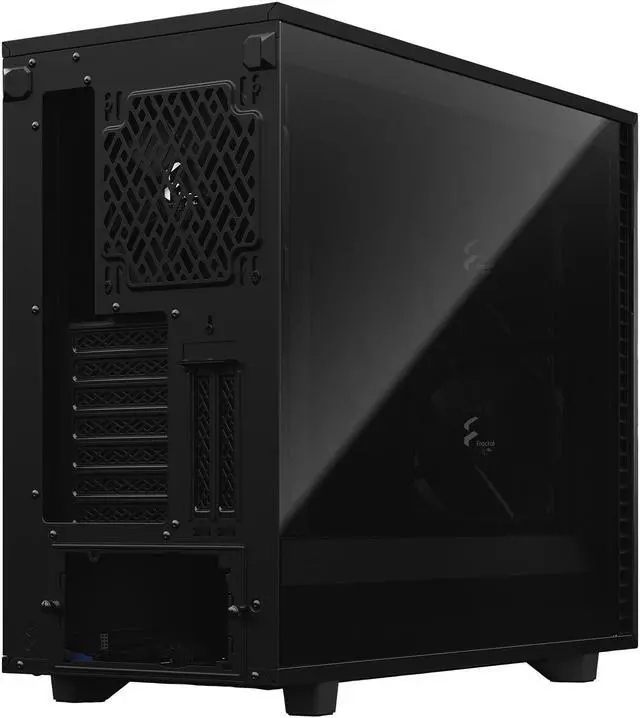
The Define 7 is the latest pinnacle of the renowned Define series, setting a new standard for what you should expect from a mid-tower case when it comes to modularity, flexibility and ease of use. The dual-layout interior, industrial sound damping, and classic styling make it an easy choice for any design-conscious PC builder in need of a versatile and dependable case that accommodates ambitious builds and leaves you room to grow.


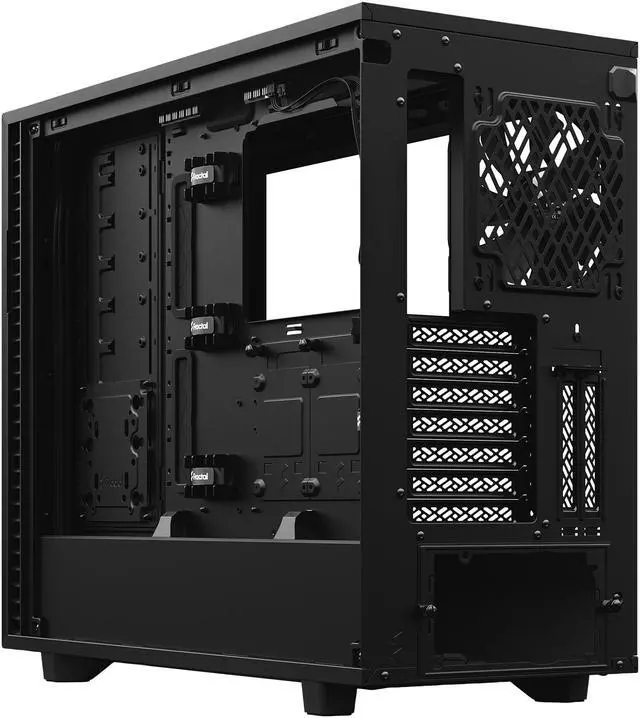
Define 7’s roomy internal layout easily accommodates large motherboards up to and including 285 mm E-ATX.
You’ll find more than enough space for your custom water loop with large reservoirs and radiators up to 420 mm in the default Open Layout.

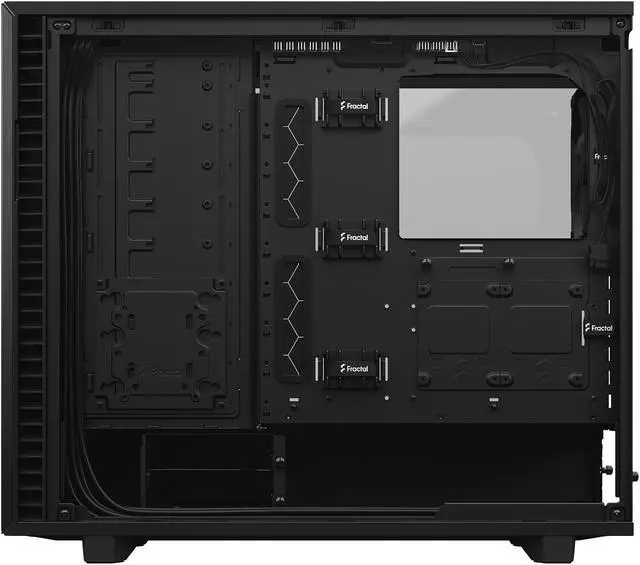
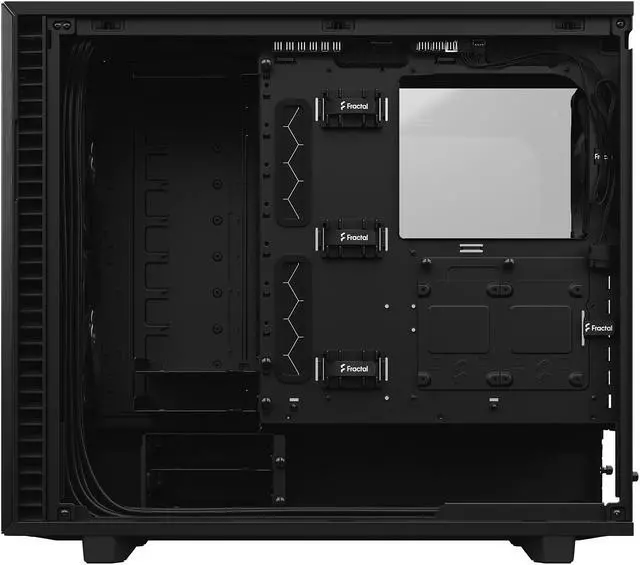
Convert to Storage Layout and install up to 14 HDDs alongside four dedicated SSDs mounts.
(6 HDD/SSD trays + 2 SSD brackets + 1 multi-brackets included)


Solid construction with industrial high-density sound damping helps maintain whisper silent operation.

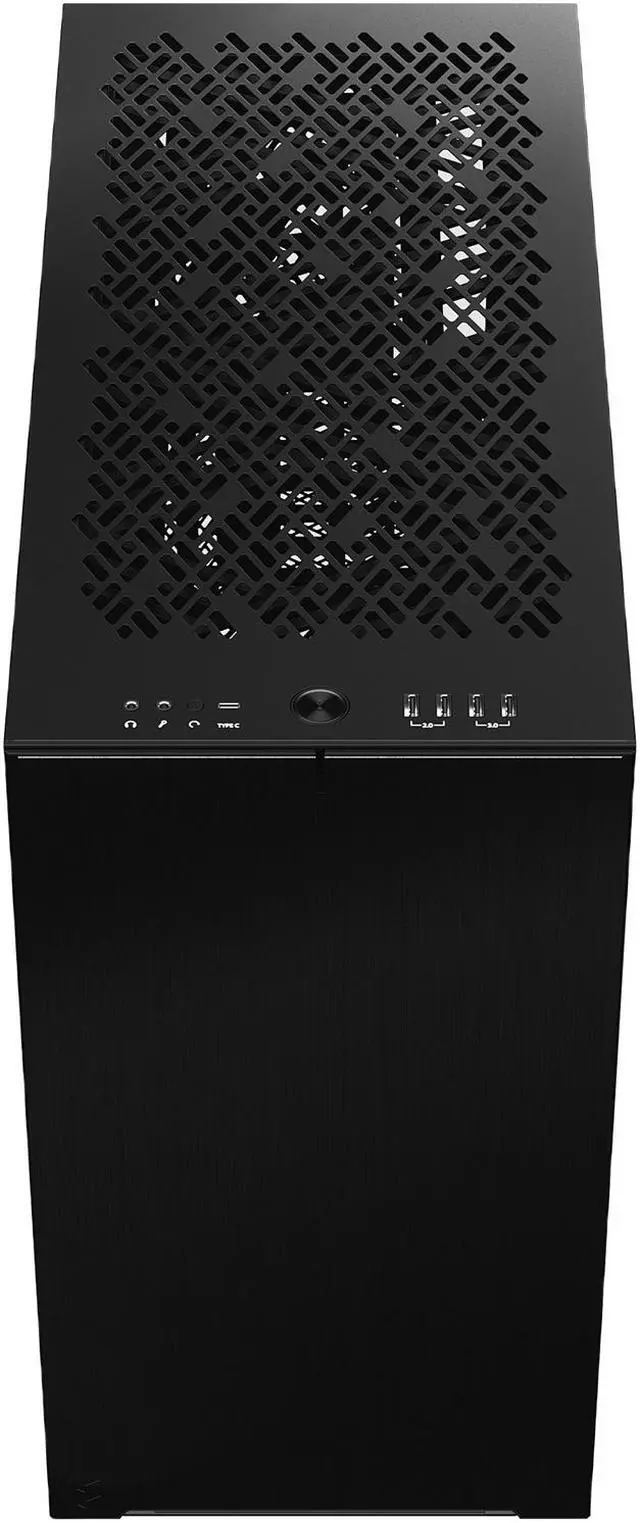
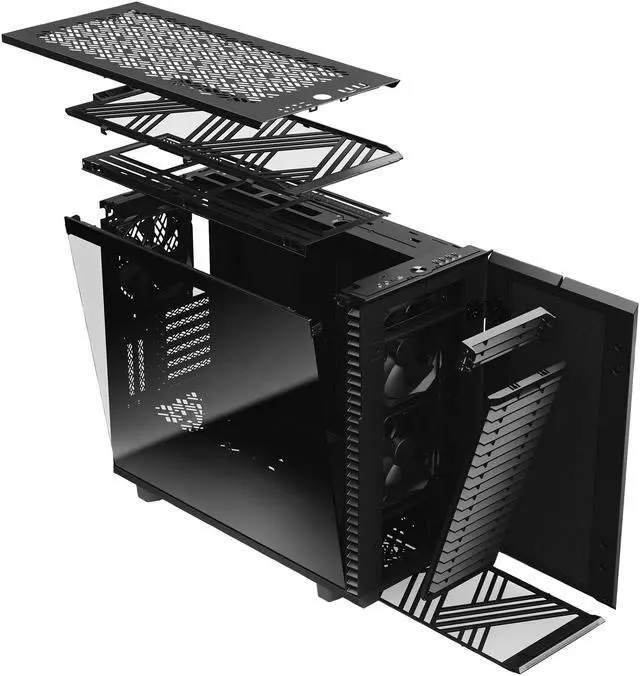
Remove the entire top to build and route with zero hindrance. Swap in the ventilated panel to add three filtered fan positions.


Brushed aluminum encases a refined front door design with reversible dual-handed hinges and magnetic latching.
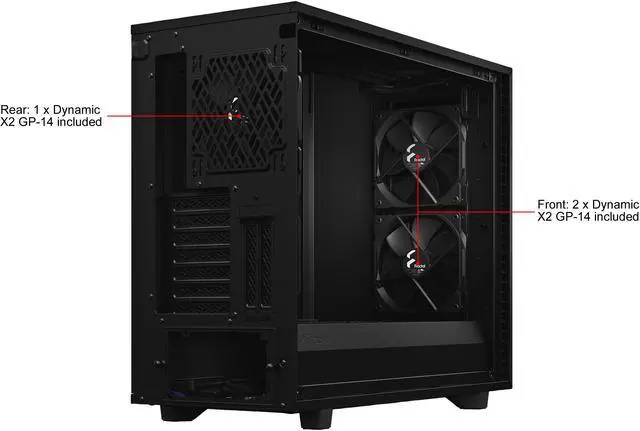
Three Dynamic X2 GP-14 fans come preinstalled with room to expand up to a total of nine fans.


The included multi-bracket lets you convert any unused fan position or one of several dedicated mounting locations.
The sturdy build and vibration damped trays means secure fastening and silent operation for all your storage devices.


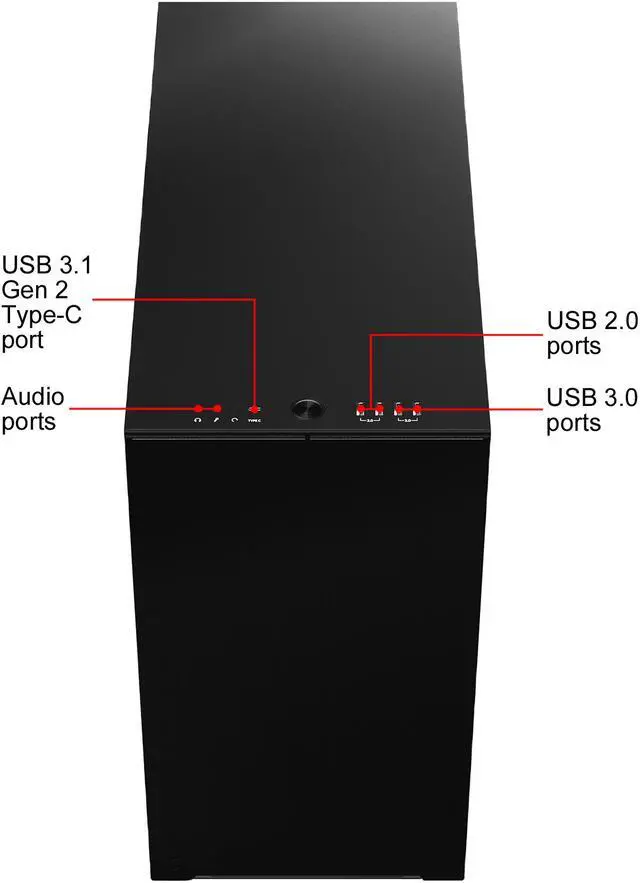
USB 3.2 Gen 2x2 Type-C front I/O offers quick access to fast charging and speeds up to 20Gbps.


The Fractal Design Define 7 is a quiet-focused mid-tower PC case for builders who want premium materials, flexible airflow, and room for large E-ATX systems, long GPUs, and serious water cooling, while also supporting high-capacity storage-heavy builds.
| Attribute | Value |
|---|---|
| Best For | Silent, modular mid-tower builds that require support for large motherboards (up to 285 mm E-ATX), extensive storage or a storage-converted layout (up to 14x 3.5" HDD positions and 4x 2.5" SSD positions), and robust water-cooling (radiator support up to 420 mm); also suited for long GPUs up to 491 mm and multi-fan air cooling |
| Model Identifiers | Fractal Design Define 7 (FD-C-DEF7A-03) — model and manufacturer identifiers for the Define 7 series |
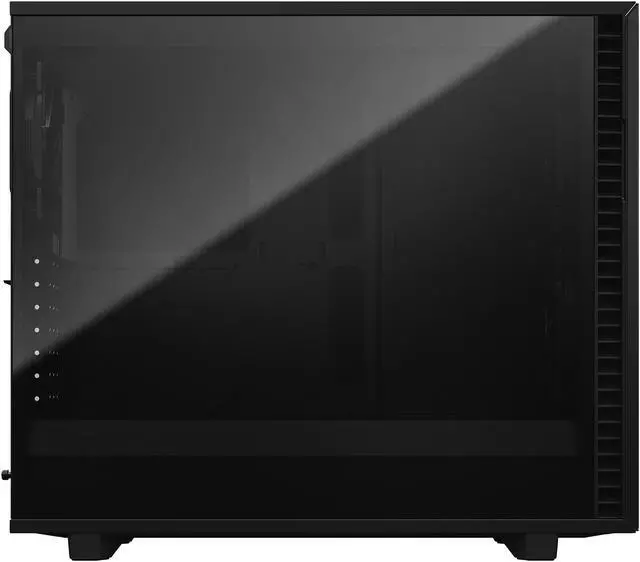
| Case And Materials | Steel chassis with an anodized aluminum front panel, black finish and a dark-tinted tempered glass side panel |
| Motherboard Compatibility | Supports ATX, E-ATX (up to 285 mm), Micro ATX and Mini ITX motherboards |
| Drive Bays & Storage | One external 5.25" bay; 6 included 3.5" drive trays with 14 total 3.5" positions in Storage Layout; 2 included 2.5" mounts with 4 total 2.5" positions; convertible Storage Layout supports up to 14x 3.5" HDDs and 4x 2.5" SSDs |
| Cooling And Fans | Up to nine 120/140 mm fan mounts (front, top, rear, bottom); three Dynamic X2 GP-14 fans preinstalled (2 front 140 mm, 1 rear 140 mm) and the case includes a slim fan hub for multiple PWM/3‑pin fans |
| Radiator Support | Radiator support across multiple layouts: top up to 420 mm, front up to 360 mm (also lists 280 mm), rear 120 mm, bottom up to 280 mm (bottom also lists 240 mm); top 420 mm support available in the default Open Layout |
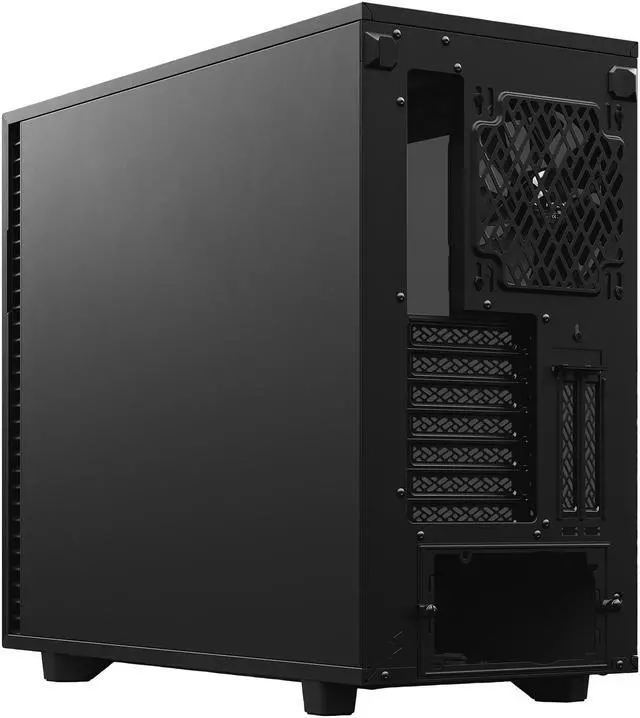
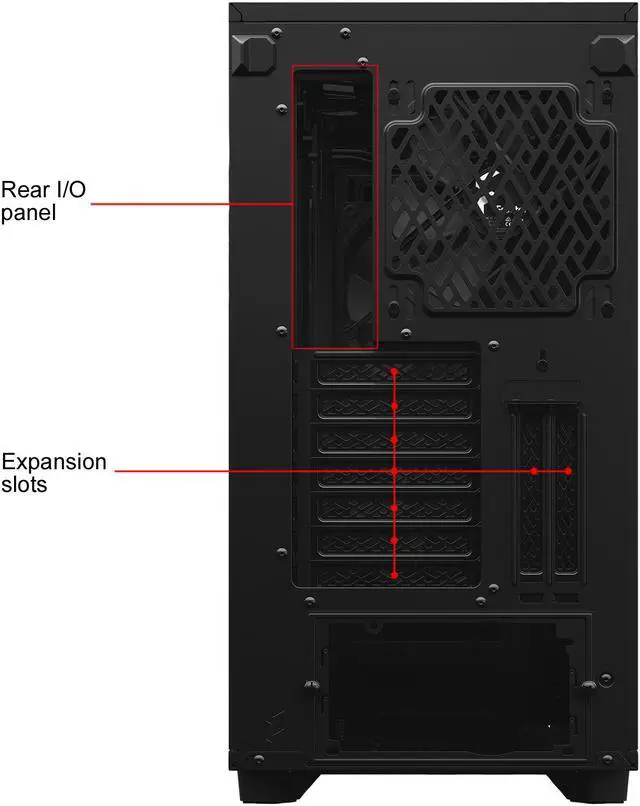
| Expansion & PCI | Seven standard expansion slots plus two vertical slots (for use with a separate PCIe riser); bridgeless expansion slots to avoid connection obstructions |
| Front I/O & Ports | Front/top I/O includes 1x USB 3.2 Gen 2x2 Type-C, 2x USB 3.0, 2x USB 2.0 and 2x audio connectors (five front USB ports total) |
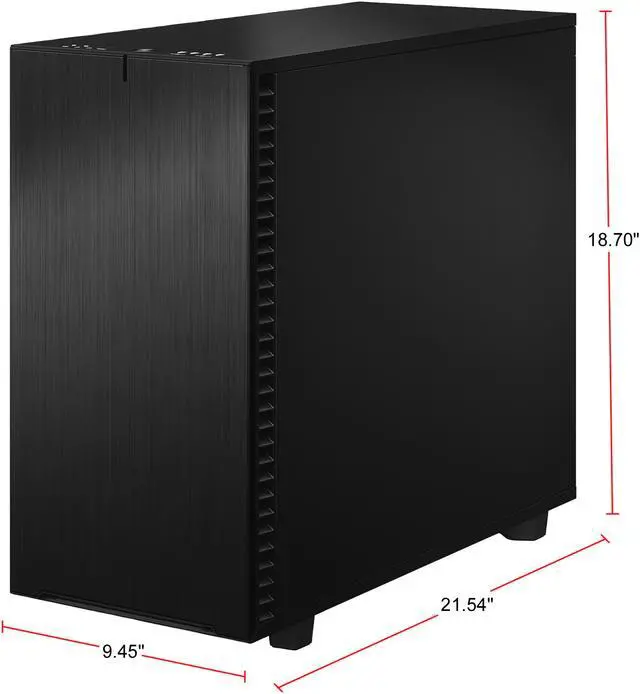
| Dimensions & Weight | External dimensions 21.54" x 9.45" x 18.70" and product weight 29.65 lbs (item weight 13.45 kg) |
| PSU & Power | No power supply included; supports ATX power supplies mounted at the bottom; maximum PSU length 250 mm with the HDD cage installed |
| Filters And Noise | Silence-optimized construction with industrial sound-damping on front, top and side panels; top panel swaps between sound-damped solid steel and filtered ventilation; easy-to-clean nylon dust filters on front, top and base |
| Features & Convenience | Dual-layout chassis opens to expose the interior on three sides for easier installation and cable routing; reversible front-panel hinges with magnetic latching, tool-less top-latching panels, ventilated PSU shroud, and multi-brackets that convert unused fan positions to HDD/SSD or pump mounts |
| Package Content | Includes Define 7 case, accessory box, user manual, ventilated top panel, and 4x HDD/SSD trays (for a total of 6 trays) |
Q: Should I buy the Fractal Design Define 7 or the Fractal Meshify 2?
A: Choose the Fractal Design Define 7 if you want a quieter, more closed-panel case with strong storage flexibility and the option to switch between a solid top and a ventilated top. Choose the Meshify 2 if your priority is higher out-of-the-box airflow for hotter CPUs or sustained heavy loads. Official Fractal materials show the two cases share a very similar internal layout and radiator support, while review coverage consistently treats the main difference as silence-focused panels on the Define 7 versus a mesh airflow front on the Meshify 2.
Q: Is the Define 7 a better choice than the Define 7 Compact?
A: Buy the full-size Define 7 if you want more expansion room for long GPUs, larger radiators, E-ATX support, or a higher-drive storage build. Buy the Define 7 Compact if you want the same general Define-series design in a smaller footprint and your parts fit within its tighter limits. The main trade-off is space: the Compact keeps the quiet, modular Define approach, but the standard Define 7 is the safer choice for larger cooling setups and future upgrades.
Q: Should I upgrade from a Fractal Define R6 to the Define 7?
A: Upgrade to the Define 7 if you want the newer chassis with easier access panels, a more open installation experience, updated front I/O that includes USB-C on this configuration, and the flexible top-panel swap between silence and ventilation. Keep the Define R6 if your current build already fits well and you do not need the newer access and layout refinements. Reviews and community discussion generally frame the Define 7 as an evolution of the R6 rather than a completely different class of case.
Q: How does the Define 7 compare with the be quiet! Silent Base 802?
A: Choose the Define 7 if you prefer Fractal's modular dual-layout design, very high drive capacity, and a silence-first case that can be opened up with its ventilated top when needed. Choose the Silent Base 802 if you want a competing quiet-case concept built around interchangeable airflow and silence panels. Both target builders who want quiet operation without giving up full-size hardware support, so the practical decision usually comes down to whether you value the Define 7's storage-oriented flexibility or the 802's panel-swapping approach.
Q: Is the Define 7 better for quiet workstation use or high-airflow gaming builds?
A: The Define 7 is the better fit for quiet workstation, creator, and storage-heavy builds where low noise, dust filtering, and flexible internal layout matter as much as raw airflow. For performance-first gaming builds with very hot components, mesh-front alternatives are usually the easier choice because they move more air without opening panels or changing configuration. Real-world reviews show the Define 7 can work well, but its strongest use case is a quiet, modular full-size system rather than a pure airflow-first build.
Q: Is the Fractal Design Define 7 a good choice for a quiet, high-end workstation or creator PC?
A: Yes. The Define 7 is better suited to quiet workstation, creator, and general high-end builds than to airflow-first gaming builds. Its main strengths are sound-damped panels, large internal clearance for E-ATX boards and long GPUs, strong cable-routing access, and flexible support for storage or liquid cooling. The trade-off is that a silence-focused case like this usually prioritizes lower noise and cleaner looks over maximum unrestricted front airflow.
Q: Will this case fit a large GPU, tall air cooler, and E-ATX motherboard?
A: For most builds, yes. The Define 7 supports ATX, microATX, Mini-ITX, and E-ATX motherboards up to 285 mm wide, GPU length up to 491 mm, and CPU cooler height up to 185 mm. That makes it a strong fit for oversized graphics cards and large tower coolers. Buyers should still double-check final clearance if they plan to install front radiators, extra drive cages, or unusual cable adapters, because those parts can reduce usable space.
Q: Is the Define 7 better than a mesh-front airflow case for gaming temperatures?
A: Usually no, if your top priority is the lowest possible gaming temperature. A mesh-front airflow case typically has more open intake and can cool hot gaming hardware more aggressively. The Define 7 is the better pick if you want a quieter system, cleaner exterior, modular storage options, and the ability to switch the top between closed and ventilated modes. In short: choose Define 7 for silence and flexibility, and choose a mesh case for maximum airflow.
Q: Is this case a good option for a storage-heavy build or home server-style PC?
A: Yes, if you need unusually high drive capacity in a consumer tower. In its Storage Layout, the Define 7 supports up to 14 hard drives plus 4 SSDs, which is far above what most mainstream mid-tower cases offer. That makes it suitable for NAS-like, archive, media, or backup-oriented PC builds. The trade-off is that a drive-dense layout can be heavier, more complex to cable, and less airflow-optimized than a simpler gaming-focused setup.
Q: Is the Define 7 a good case for custom water cooling or a large AIO build?
A: Yes. The Define 7 is a strong option for larger liquid-cooling setups because it supports up to a 420 mm top radiator, up to 360 mm in the front, and additional bottom radiator support depending on layout. It is especially suitable for builders who want both cooling flexibility and a quieter chassis. The main trade-off versus more open airflow cases is that radiator performance may depend more on fan choice and panel configuration.
Q: Who is the Fractal Design Define 7 best suited for?
A: The Define 7 is best for buyers who want a quiet, clean-looking case with strong dust filtering, flexible internal layout, and high storage capacity. It makes the most sense for workstation, NAS, or mixed-use builds where silence and drive support matter more than maximum airflow.
Q: Is the Define 7 a good buy if I care most about low noise?
A: Yes, if low noise is the priority. The case is built around sound damping and closed panels, and Reddit discussions repeatedly frame it as a silence-first design. The trade-off is that quiet operation depends heavily on the parts and fan setup inside it, not just the case itself.
Q: What are the main trade-offs of choosing the Define 7 over a mesh-front case?
A: The main trade-off is silence and storage flexibility versus airflow efficiency. Compared with mesh-front alternatives, the Define 7 is typically seen as quieter and better for dust control and multi-drive builds, but less ideal for getting the lowest possible CPU and GPU temperatures in high-power gaming systems.
Q: Is the Define 7 a good choice for a high-end gaming PC?
A: It can work for a high-end gaming PC, but it is not the best fit if your top goal is peak airflow. Community discussion around the Define 7 often centers on acceptable but not class-leading thermals, with many users treating it as a better fit for quiet gaming or tuned builds than for maximum-performance airflow setups.
Q: Is the Define 7 still worth buying if I need lots of drives and upgrade room?
A: Yes. This is one of the strongest reasons to choose it. The Define 7 supports up to 14 total 3.5-inch drive positions in Storage Layout, an optical bay, large coolers, long GPUs, and flexible radiator placement, so it remains a practical option for storage-heavy or long-life builds even if newer airflow-focused cases cool better.


