

Your Browsing History


Joseph M.
Joined on 11/17/02
0
0
product reviews
- 3
Solid as a rock
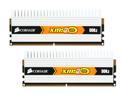
CORSAIR XMS2 2GB (2 x 1GB) DDR2 800 (PC2 6400) Dual Channel Kit Desktop Memory Model TWIN2X2048-6400C4DHX
Pros: Very solid - no errors or install problems at all. Ran Vista memtest - zero errors on 4 GB (two sets of twins).
Cons: SPD is set to the lower specs of the 6400C5DHX (according to Corsair product page). You may want to manually adjust your bios to the 6400C4DHX specs.
Overall Review: Running Vista Ultimate, Intel Core 2 Quad, MSI P6N Diamond MOBO, EVGA 8800GTX in an Antec 900 case w/OCZ 1010W PSU. Vista experience reads 5.9 for everything except this memory. Memory is 5.3. No overclocking - everything is default value. If you have a problem with Vista, install only 2GB first, and then go to 4GB after Vista is configured. Worked for me.
8/18/2007See more detail
Tight case - but big enough
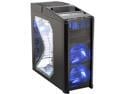
Antec Nine Hundred Black Steel ATX Mid Tower Computer Case with Upgraded USB 3.0
Pros: Excellent case - well laid out. All the accessory cables you will likely need. I thought the fans were fairly quiet.
Cons: The short wire three position fan switches are difficult to get to, and get in your way when installing the HD bays. Also - you will likely need to position the HD bays somewhat forward (out of the front of the case) if you use a big graphics card, such as the 8800 GTX. The back of the hard drives almost jam up against the back edge of the graphics card. Power & data cables will get scrunched otherwise. Run the cables outside of the mobo tray side.
Overall Review: Pretty good manual, except for installing the floppy in the 3.5" adapter. That may take a few minutes of studying and trying different positioning arrangements. The adapter is an unlabeled black plastic tray that initially doesn't look like an adapter.
8/8/2007See more detail
OCZ 1010W purity
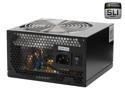
OCZ GameXStream OCZ1010GXSSLI 1010 W ATX12V / EPS12V SLI Ready Active PFC Power Supply
Pros: All the power you will need, plus connectors for two SLI graphics cards.
Cons: Check the manufacturer's web site for the specs. You will find this 1010W unit has twice the amount of ripple as the lower wattage units. May not be a factor, but the output of this PSU is not as pure as the lesser power ones.
Overall Review: If you only need 700 watts, you might consider getting the next lower powerful unit. Find your biggest power hogs - graphics cards, disk drives, CPU, etc., and add up how much power you really need, plus future growth. (Not because of the cost difference, but to get cleaner power.)
8/8/2007See more detail