




 here!
I’m your shopping assistant for PC builds, upgrades, and everything tech.
Got questions? Ask away!
Start a conversation
here!
I’m your shopping assistant for PC builds, upgrades, and everything tech.
Got questions? Ask away!
Start a conversationShipped by Newegg
 Hot Seller


Make informed decisions with expert advice. Learn More





Any questions? Ask CelesteSM will help you find out quickly.
/11-352-183/clogo.jpg)
/11-352-183/ch1.jpg)
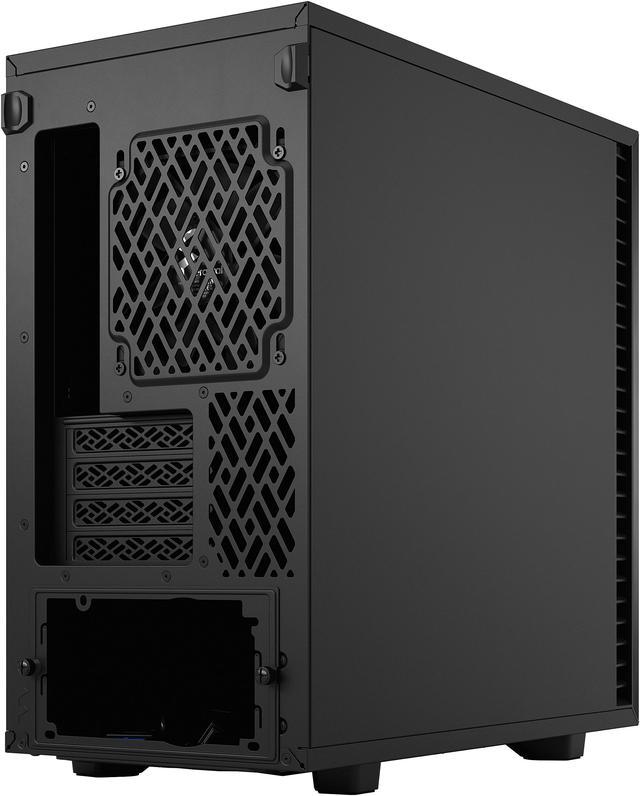
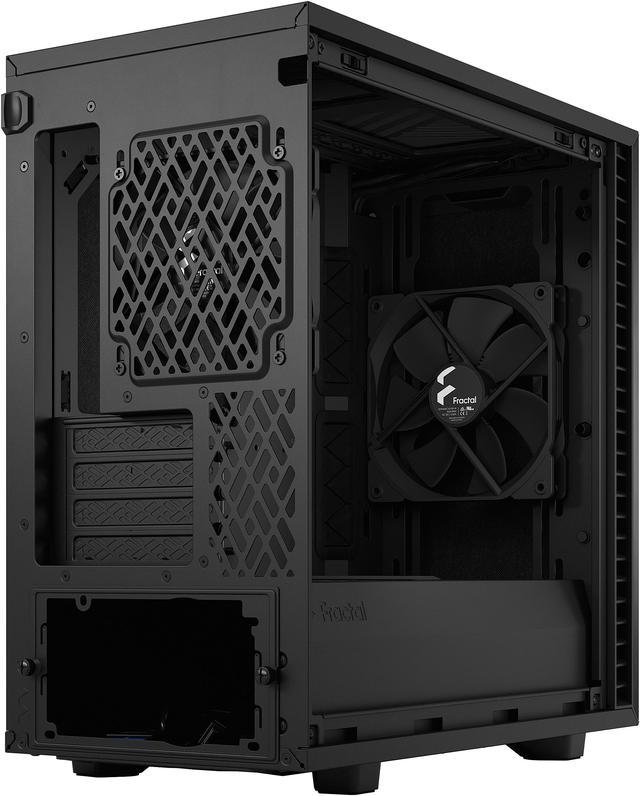
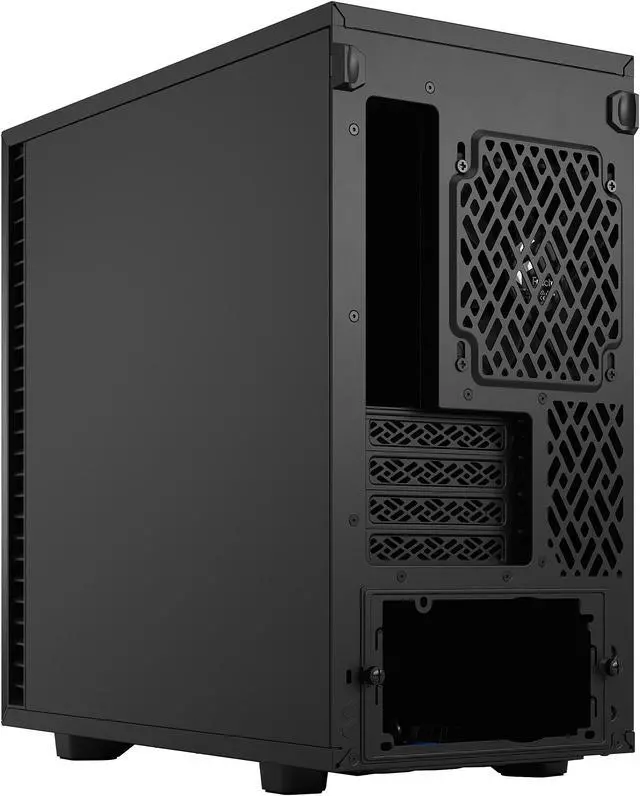
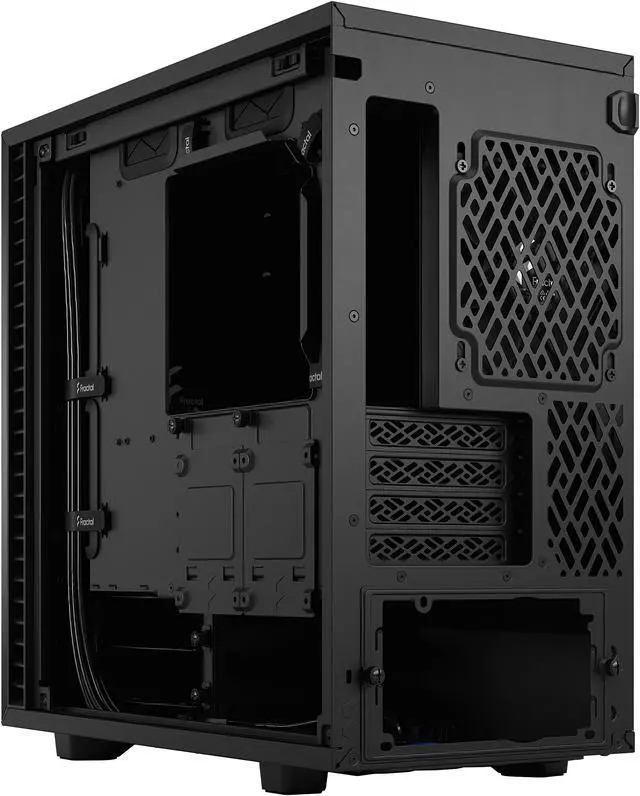
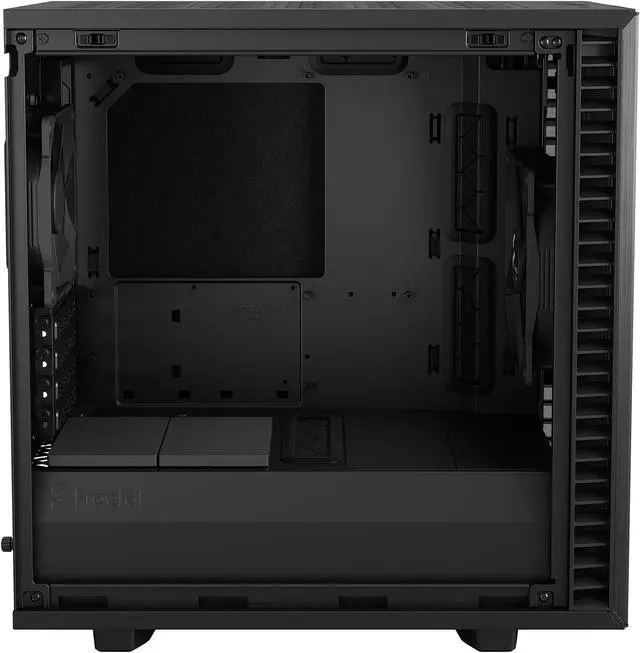
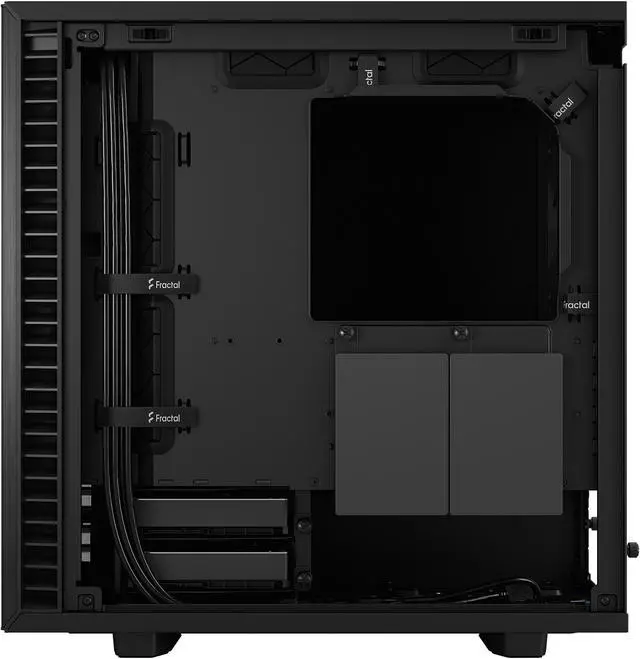
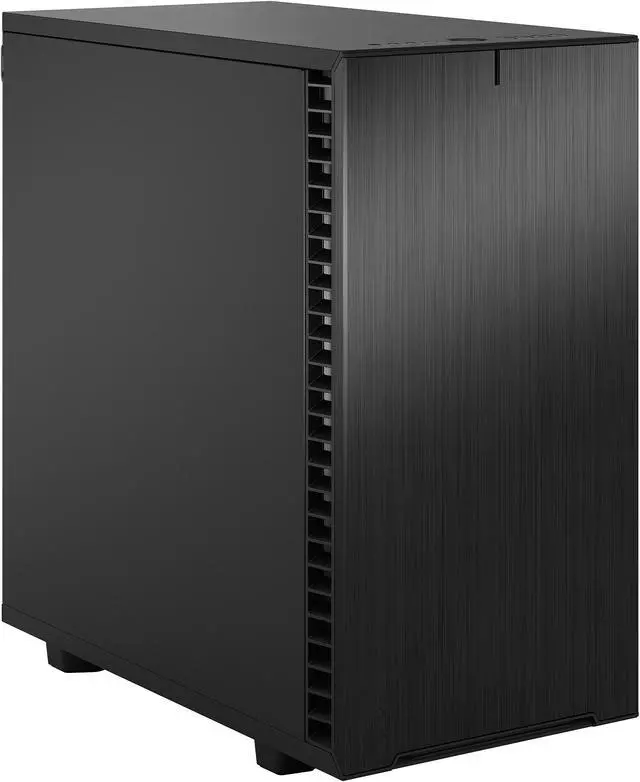
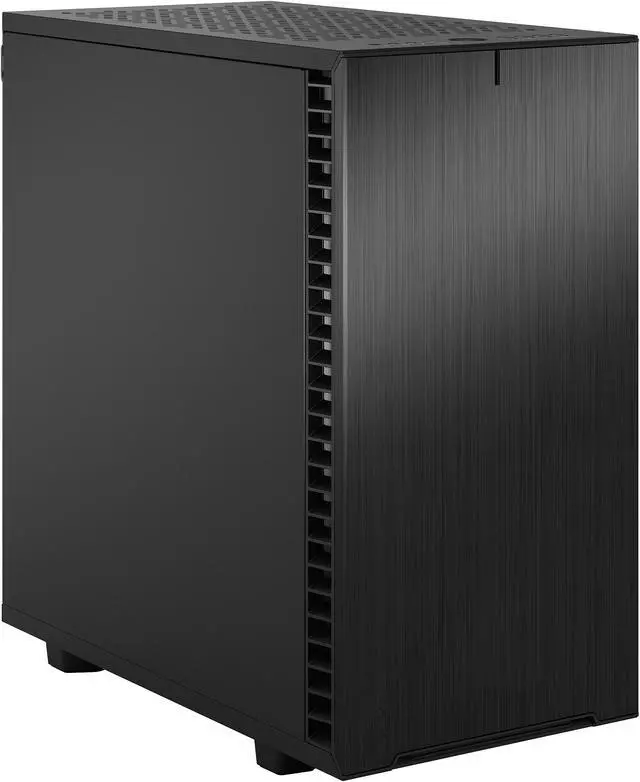
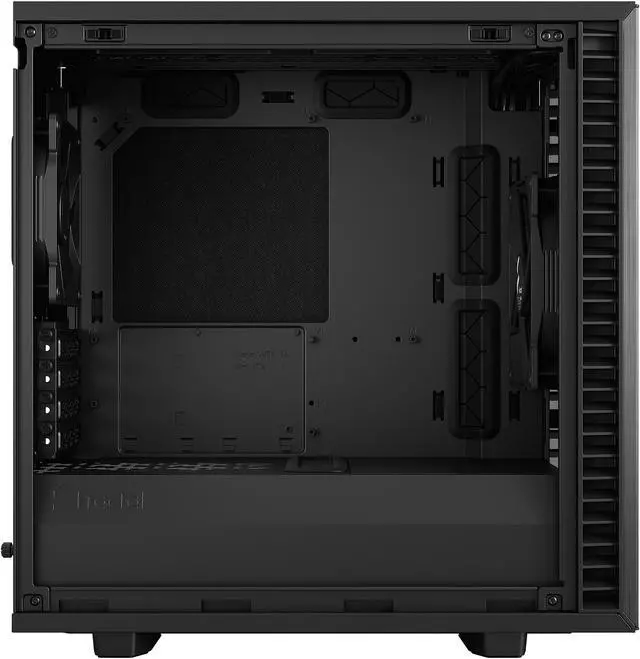
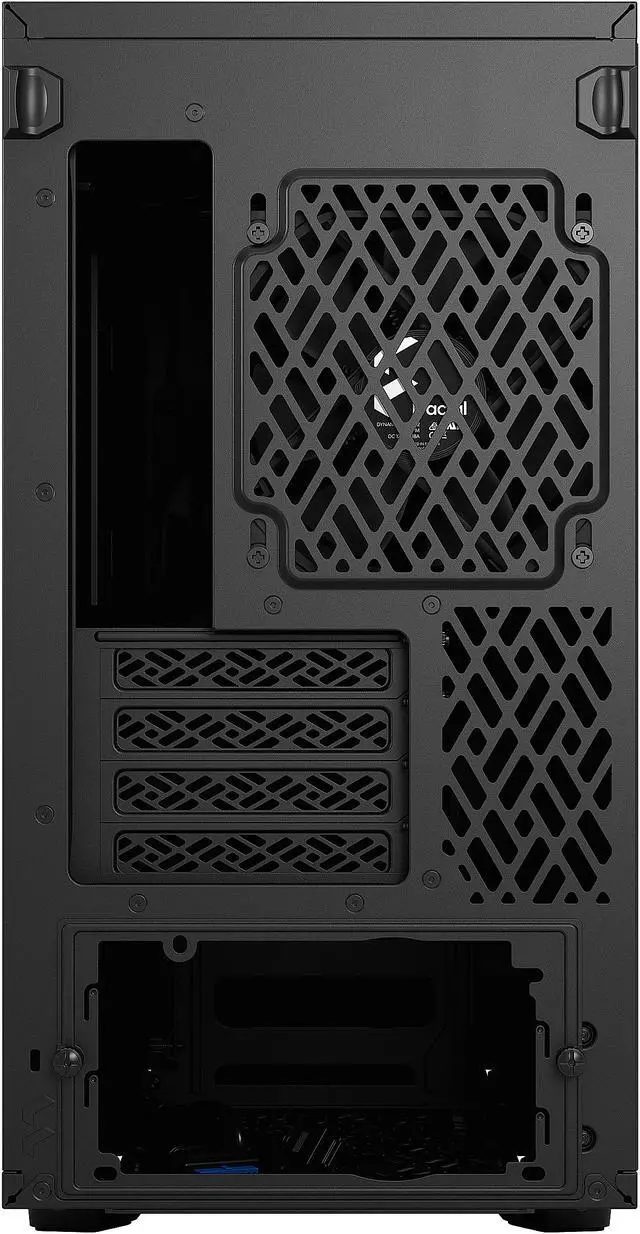
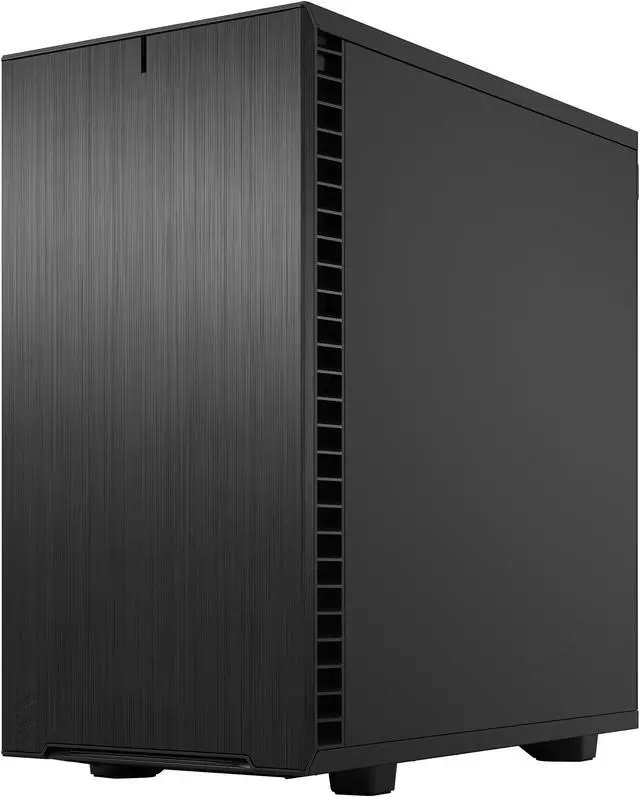
The Define 7 Mini offers the same stylish appeal and many of the life-improving features of its larger siblings, in a streamlined form factor. Its compact yet spacious interior can accommodate mATX and Mini ITX motherboards, and the option to use a GPU up to 331 mm with a 240 mm radiator in the top.
/11-352-183/split-line.jpg)
/11-352-183/p0.jpg)
/11-352-183/1.jpg)
Room for GPUs up to 331 mm with a 240 mm radiator in the top.
/11-352-183/2.jpg)
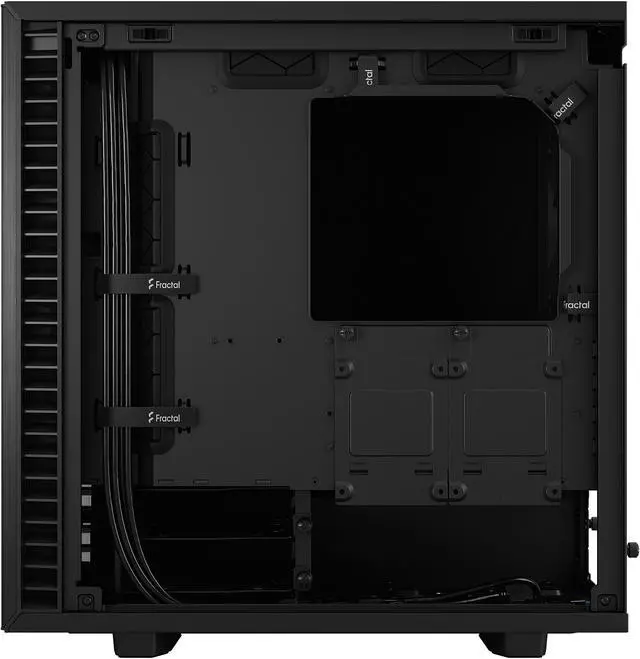
Supports 2x 2.5”/3.5” drives and up to 4x 2.5” drives (2x 2.5” brackets included).
/11-352-183/3.jpg)
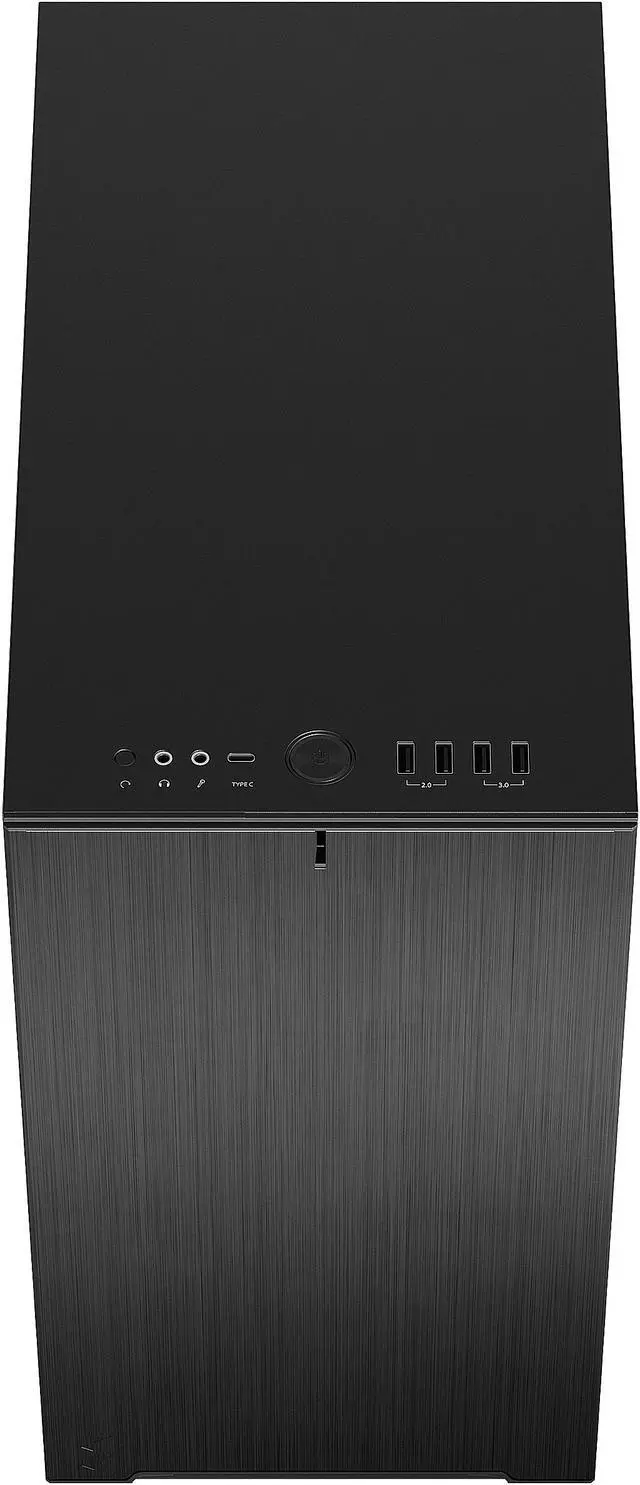
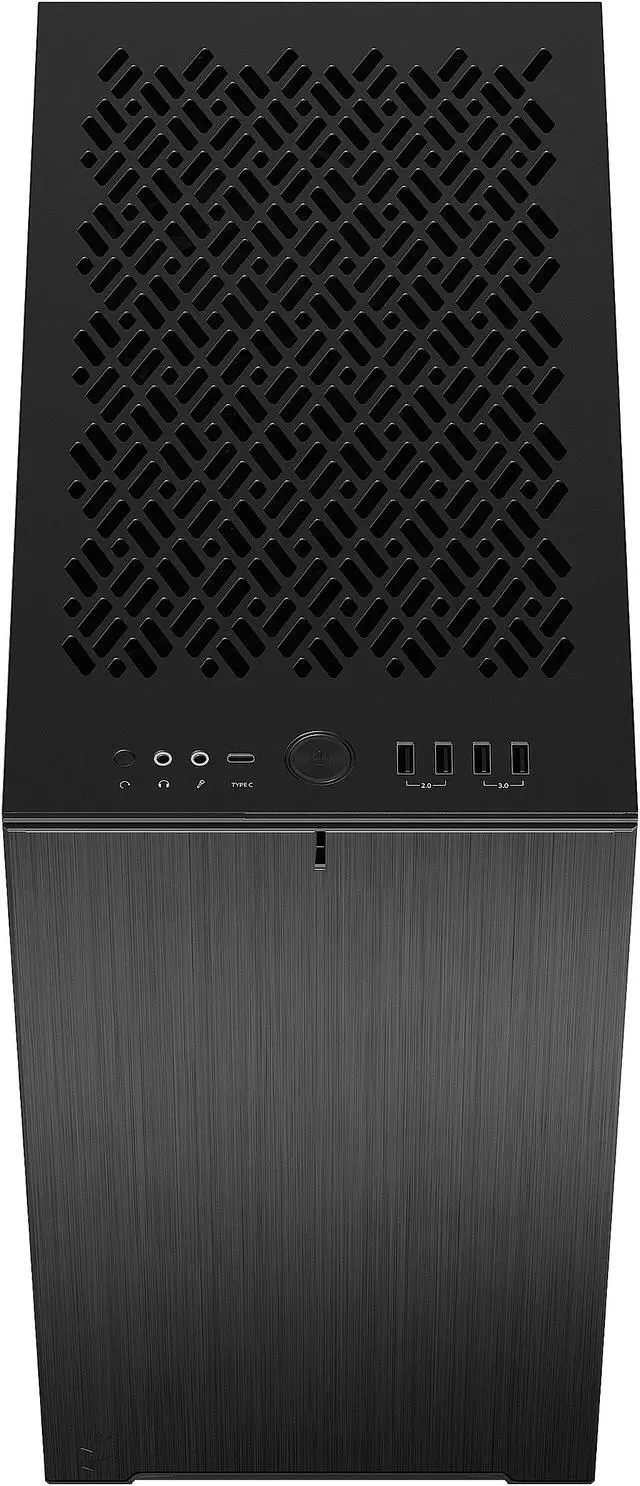
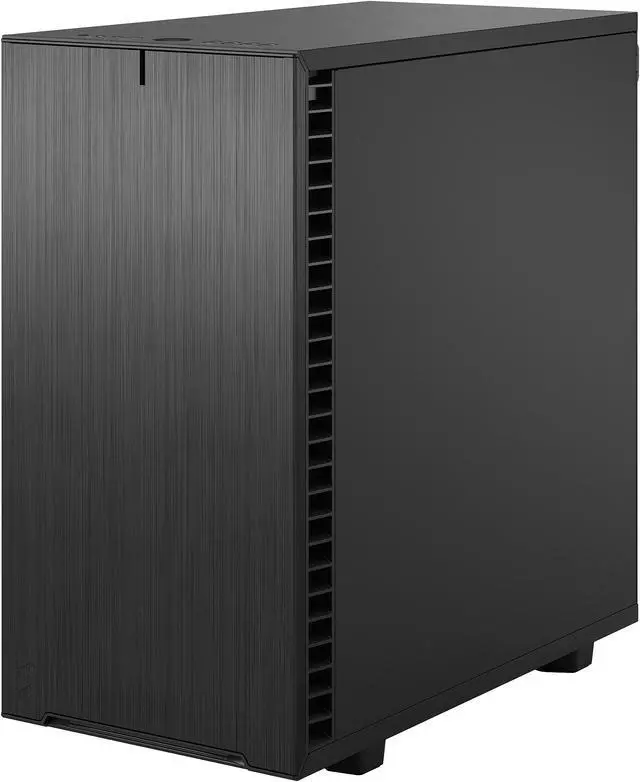
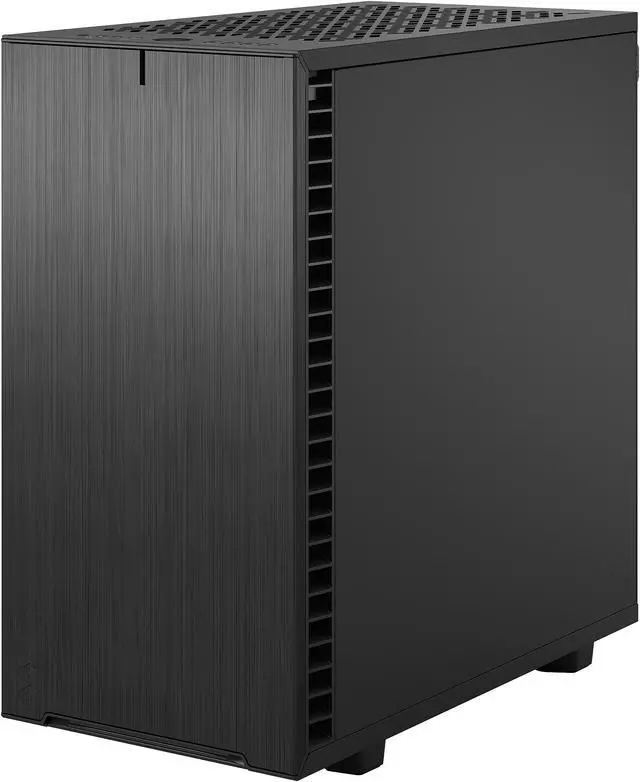
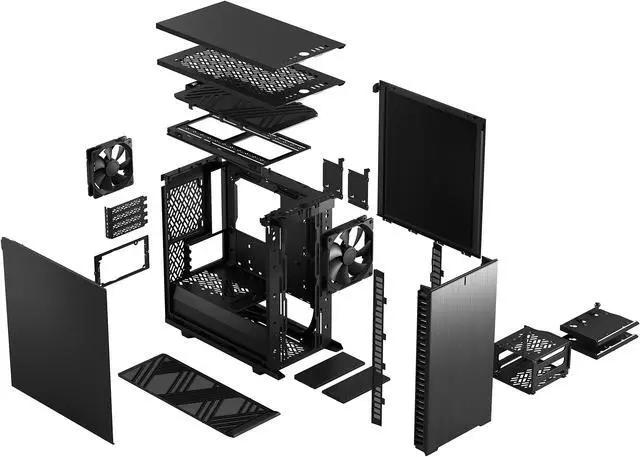
The top panel effortlessly swaps from closed steel panel to filtered ventilation.
/11-352-183/4.jpg)
Our new removable top bracket fully exposes case interior for effortless installation and cable routing.
/11-352-183/5.jpg)
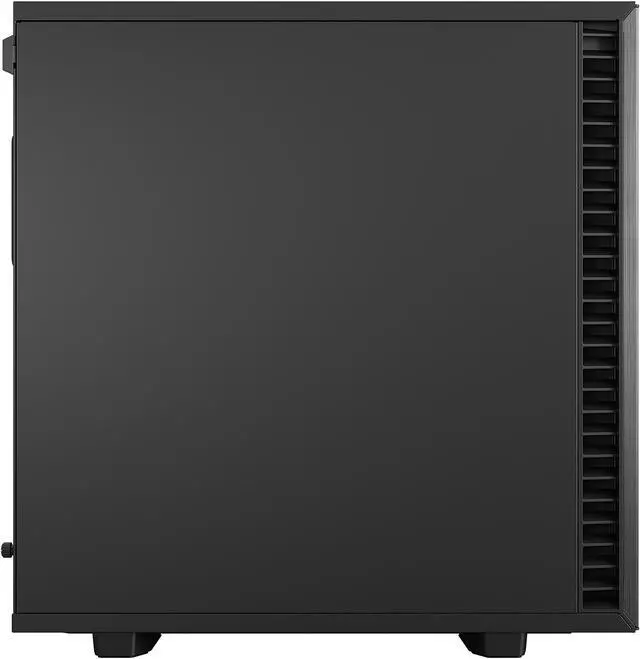
The silence-optimized construction is complemented with industrial sound-damped front, top, and side panels.
/11-352-183/6.jpg)
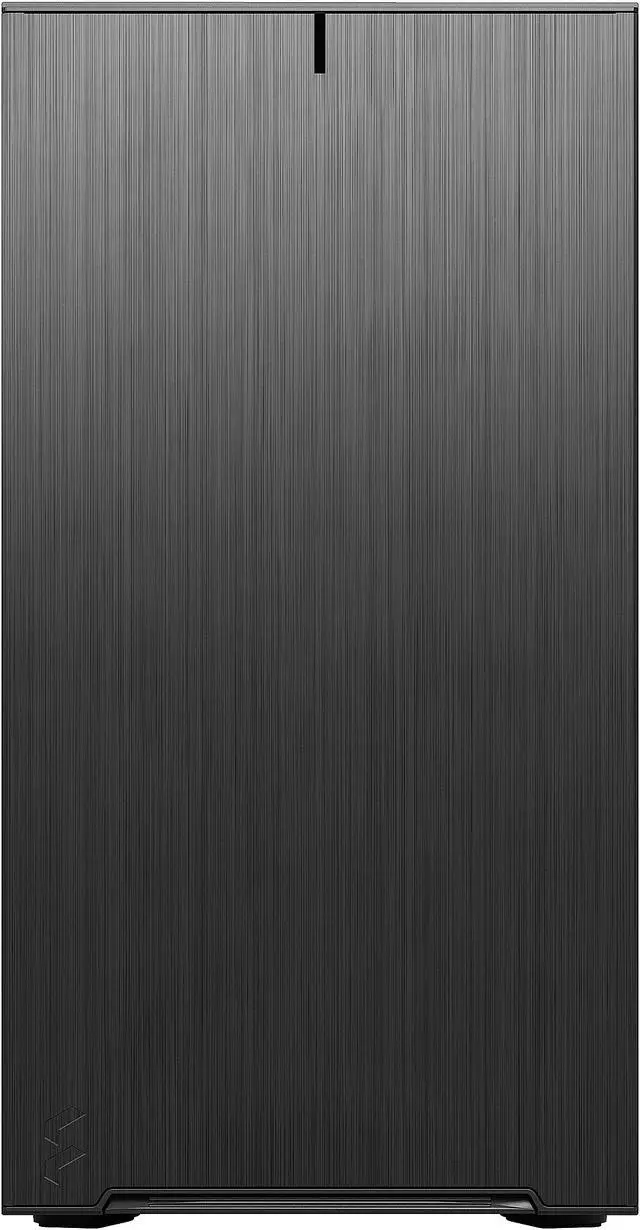
A brushed aluminum front and top-latching side panels offer a clean sophisticated look.
/11-352-183/7.jpg)
Install up to 7x 120 mm or 4x 140 mm fans (one of each included).
/11-352-183/8.jpg)
/11-352-183/p1.jpg)
/11-352-183/9a.jpg)
/11-352-183/9.jpg)
/11-352-183/10.jpg)
/11-352-183/11.jpg)
We want to ensure your holiday shopping this year is hassle-free. That’s why we’re automatically extending our return policies on almost every product! For purchases placed between November 1st, 2026 and December 31, 2026 you will have until January 31, 2027 to return your product.
The Fractal Design Define 7 Mini is a compact, silence-focused micro-ATX case with a spacious interior, flexible cooling, and modern front I/O, making it ideal for builders who want a clean, quiet desktop for gaming, productivity, or home office use.
| Attribute | Value |
|---|---|
| Best For | Compact Micro-ATX and Mini-ITX desktop builds that prioritize quiet operation and flexible cooling/top-panel ventilation |
| Chassis And Materials | Black steel chassis with brushed-aluminum front and top-latching panels and sound-damped front, top, and side panels for a quieter build |
| Motherboard And Expansion | Supports Micro-ATX / Mini-DTX / Mini-ITX motherboards with 4 bridgeless expansion slots for unobstructed connections |
| Drive Bays And Storage | Supports 2 x 3.5" drives plus up to 4 x 2.5" drives (2 x 2.5" brackets included; two 2.5" positions limited to 8 mm drive height) |
| Cooling And Fans | Supports up to 7 x 120 mm or 4 x 140 mm fans; preinstalled fans: 1 x 140 mm (front) and 1 x 120 mm (rear); fan mounts: Front 3 x 120/2 x 140, Top 2 x 120/2 x 140, Rear 1 x 120 (included), Bottom 1 x 120 (requires HDD cage removal) |
| Radiator Support | Multiple radiator locations: Front up to 280/240/140/120 mm (146 mm max width), Top up to 240/120 mm (121 mm max width, with 37 mm motherboard component clearance), Rear 120 mm, Bottom 120 mm (with HDD cage removed) |
| Front I O | Five front ports: 2 x USB 2.0, 2 x USB 3.0 and 1 x USB Type-C (USB 3.2 Gen 2x2 listed in front-ports spec), plus 2 audio jacks |
| Filters And Noise | Easy-to-clean high-airflow nylon dust filters on front, top and base with full PSU coverage; silence-optimized construction with sound-damped panels |
| Power Supply | No power supply included; bottom-mounted PSU location with max PSU length 200 mm (165 mm with HDD cage installed) |
| Compatibility And Fit | Max GPU length 331 mm (reduced to 306 mm with front fans installed); max CPU cooler height 167 mm — plan component selection around these limits |
| Dimensions And Weight | Case dimensions 15.71" x 8.07" x 15.98" and weight 16.51 lbs |
| Included Accessories | Includes Define 7 Mini case, user manual, accessory box and a ventilated top panel |
| Model Identifiers | Fractal Design Define 7 Mini — model FD-C-DEF7M-01 (Micro-ATX mid-tower/micro case) |
Q: Should I buy the Fractal Design Define 7 Mini or the Meshify 2 Mini?
A: Choose the Define 7 Mini if you want a quieter mATX build with sound-damped panels, a closed-panel option on top, and the same core internal layout as Fractal’s airflow-focused sibling. Choose the Meshify 2 Mini if your build uses hotter gaming hardware and you want the more direct airflow path from a mesh front panel. Across official Fractal positioning and comparative reviews, the common trade-off is silence and cleaner acoustics on the Define 7 Mini versus stronger stock airflow on the Meshify 2 Mini.
Q: Is the Define 7 Mini better than the Pop Mini Silent for a quiet mATX PC?
A: The Define 7 Mini is the better fit if you want a more premium quiet-case layout with broader cooling flexibility, a removable top panel, top-radiator support, and front USB-C included. The Pop Mini Silent is the simpler lower-tier quiet alternative if you want a smaller-footprint silent case and do not need top-fan mounts or built-in USB-C. Both target low-noise builds, but the Define 7 Mini is the more feature-complete option for users who still want stronger hardware support.
Q: For gaming, should I choose the Define 7 Mini or the Pop Mini Air?
A: Choose the Pop Mini Air if gaming thermals and out-of-box airflow matter more than acoustic damping. Its mesh-front design and three included 120 mm fans are positioned for higher airflow. Choose the Define 7 Mini if you want a more understated case with sound damping, front USB-C included, and a layout that can still support powerful mATX gaming hardware with careful fan setup. This is mainly an airflow-first versus quieter-operation decision.
Q: Is the Define 7 Mini a good upgrade over older compact silent Fractal cases like the Define Mini C?
A: Yes, the Define 7 Mini is typically the better upgrade if you want the same quiet-case direction with a more modern internal design, easier access, USB-C on the front I/O, a swappable solid or ventilated top, and more flexible radiator and storage options. Older Fractal compact silent cases still make sense for simpler air-cooled builds, but the Define 7 Mini is the more current choice when you want better build access and newer connectivity without moving to a larger chassis.
Q: Is the Fractal Design Define 7 Mini a good choice for a quiet micro-ATX build?
A: Yes, if low noise is a priority. The Define 7 Mini is built around silence-focused features such as sound-damped panels and a closed steel top panel, while still giving you the option to swap to a ventilated top for more airflow. The trade-off is that airflow is more restricted than in mesh-front cases, so it is a better fit for quiet gaming, office, or creator builds than for maximum-airflow builds with very hot components.
Q: Will it fit a large graphics card and liquid cooling, or is clearance tight?
A: Clearance is workable but not generous. The Define 7 Mini supports GPUs up to 331 mm, or about 306 mm with a front fan installed, and it supports a 240 mm top radiator plus up to a 280 mm front radiator with size limits. In practice, this means you should check exact GPU length, radiator size, and fan thickness before buying. It suits many mainstream and upper-midrange builds, but extra-long GPUs and thicker front-radiator setups can create fit conflicts.
Q: Who is the Define 7 Mini best suited for?
A: It is best for buyers who want a compact but understated case for a micro-ATX or Mini-ITX build, especially if they care about low noise, clean styling, dust filtration, and room for multiple drives. It is less suitable for buyers who want tempered glass, built-in RGB, or the most open airflow possible for very high-heat gaming hardware.
Q: Is it a better buy than a cheaper airflow-focused micro-ATX case?
A: It is a better buy if you value acoustics, build quality, front USB connectivity, and a more refined internal layout. A cheaper airflow-focused case may cool better per dollar and may be easier for oversized GPUs, but it often gives up sound damping, modular panels, and premium fit-and-finish. The Define 7 Mini is the better pick for a quieter, more polished build; a budget airflow case is the better pick for lowest cost or maximum cooling.
Q: Is the Fractal Design Define 7 Mini a good buy for a quiet mATX build?
A: Yes, if your priority is a compact, understated case with low noise and solid feature density. Reddit discussions repeatedly frame it as a good fit for quiet builds, especially with low-to-mid power parts. The main trade-off is airflow: it is better suited to silence-focused systems than to maximum-cooling gaming builds.
Q: Who is the Define 7 Mini best suited for?
A: It is best suited for buyers who want a smaller mATX or Mini-ITX case, no glass side panel, low external noise, and flexible storage or front I/O. It makes more sense for productivity, mixed-use, or moderate gaming builds than for high-heat flagship GPU systems.
Q: Are airflow and GPU thermals a real concern in the Define 7 Mini?
A: Yes, they can be. Reddit discussions repeatedly point to the solid, silence-focused front design as a thermal trade-off, especially with hotter GPUs. For mainstream parts and careful fan setup, it can be acceptable. For high-power GPUs or airflow-first builds, there are better case choices.
Q: Is the Define 7 Mini a good choice for high-end GPUs and heavy cooling setups?
A: Usually not as a first-choice airflow case. It supports large components on paper, but repeated Reddit questions focus on GPU clearance, front-fan trade-offs, and higher internal temperatures with powerful hardware. It is a safer choice for moderate-power builds than for top-end GPUs that need unrestricted intake.
Q: What are the main trade-offs of choosing the Define 7 Mini over a mesh-front alternative?
A: The Define 7 Mini trades some cooling headroom for lower noise, cleaner styling, and a more closed-off design. Compared with mesh-front cases, the likely downside is warmer GPU-focused airflow under load. The upside is better noise control and a more discreet look for users who do not want RGB or tempered glass.


