



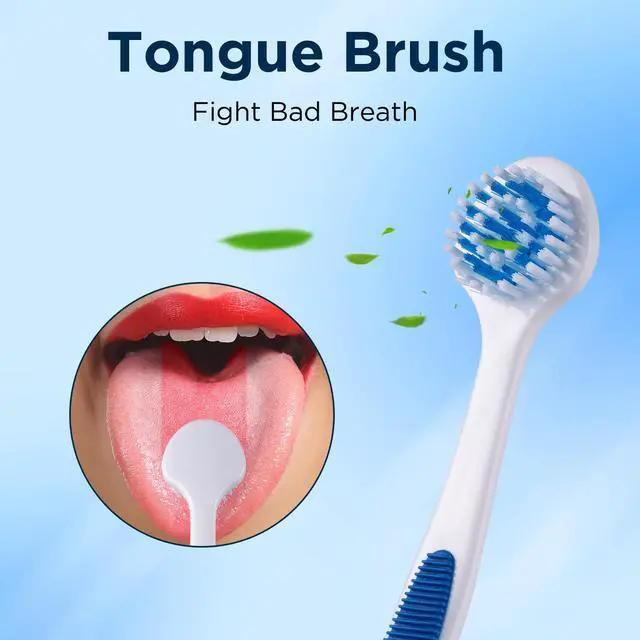



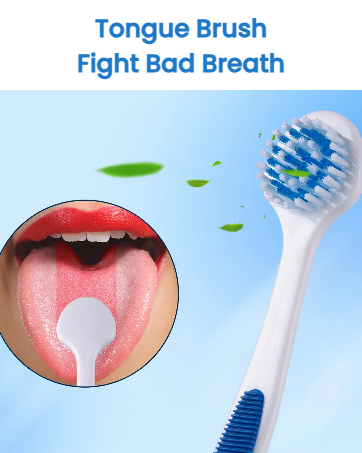
Tongue Brush
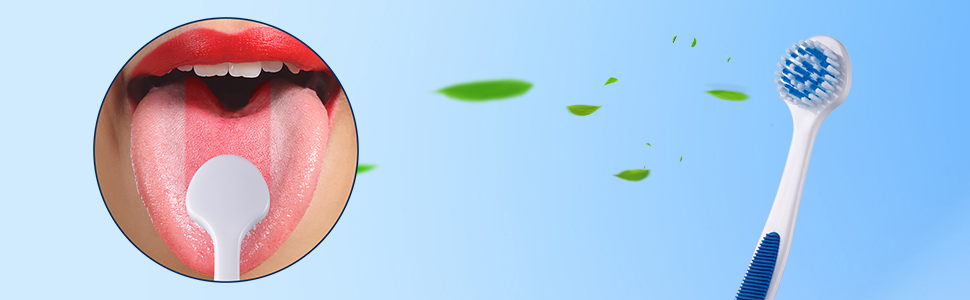
Fight Bad Breath

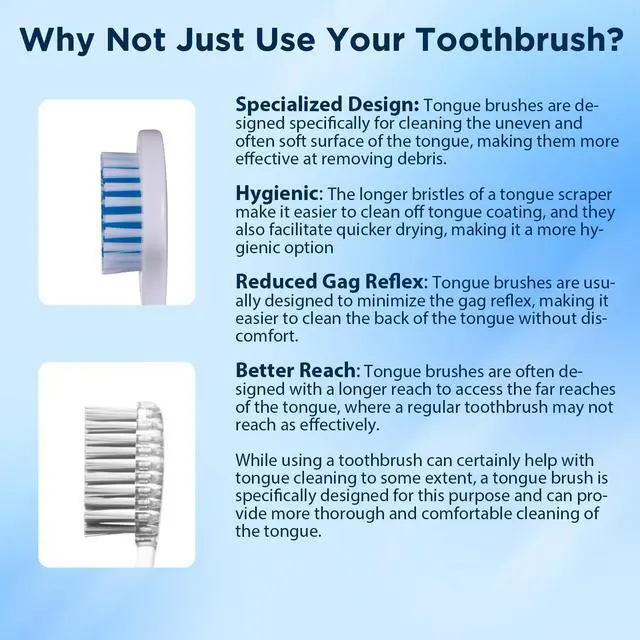
Why Not Just Use Your Toothbrush?
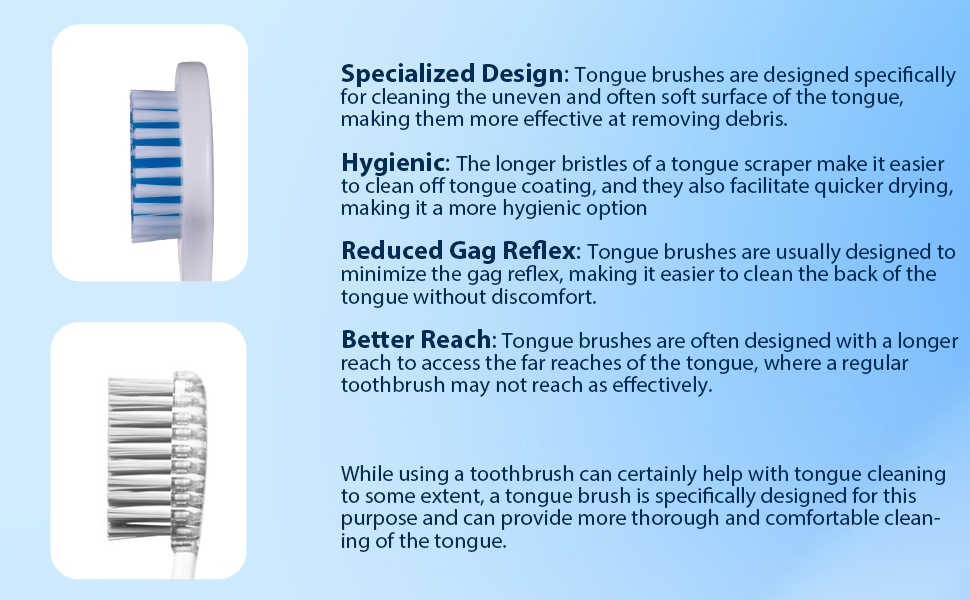
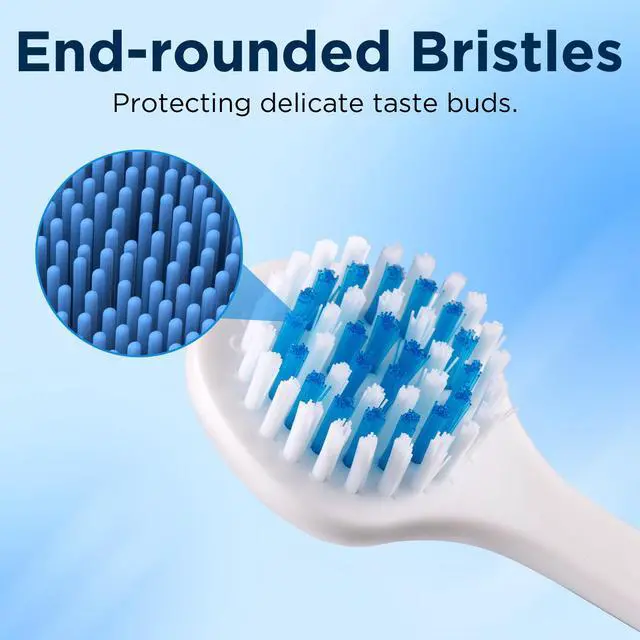
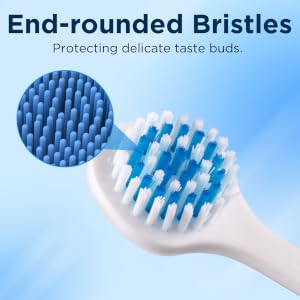
- Specialized Design: Tongue brushes are designed specifically for cleaning the uneven and often soft surface of the tongue, making them more effective at removing debris.
- Hygienic: The longer bristles of a tongue scraper make it easier to clean off tongue coating, and they also facilitate quicker drying, making it a more hygienic option.
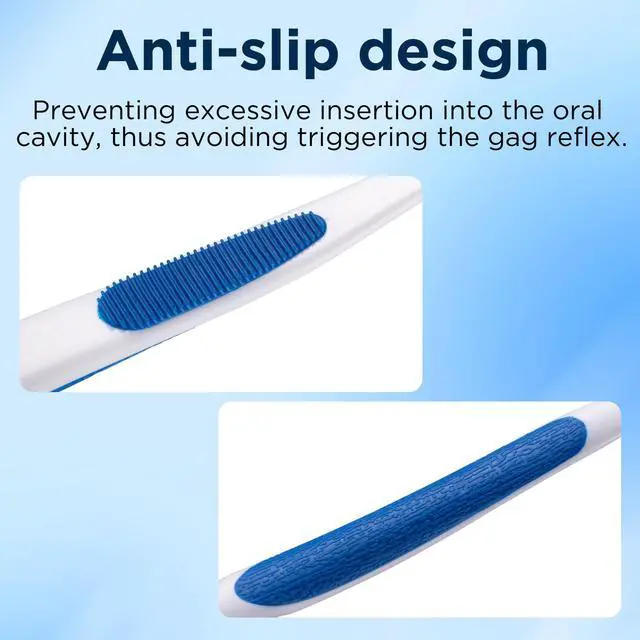
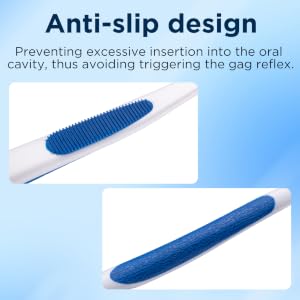
- Reduced Gag Reflex: Tongue brushes are usually designed to minimize the gag reflex, making it easier to clean the back of the tongue without discomfort.
- Better Reach: Tongue brushes are often designed with a longer reach to access the far reaches of the tongue, where a regular toothbrush may not reach as effectively.
While using a toothbrush can certainly help with tongue cleaning to some extent, a tongue brush is specifically designed for this purpose and can provide more thorough and comfortable cleaning of the tongue.
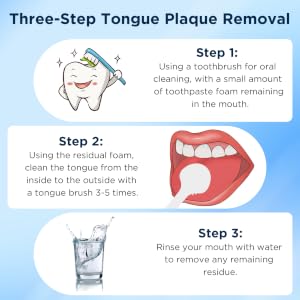
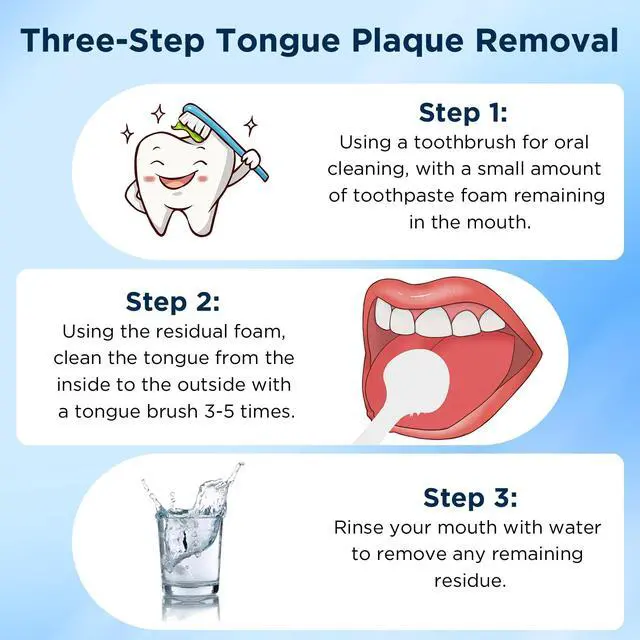
Three-Step Tongue Plaque Removal
- Using a toothbrush for oral cleaning, with a small amount of toothpaste foam remaining in the mouth.
- Using the residual foam, clean the tongue from the inside to the outside with a tongue brush 3-5 times.
- Rinse your mouth with water to remove any remaining residue.
Frequently Asked Questions
Q: Do tongue brushes need to be replaced regularly?
A: It is recommended to replace your tongue brush every 2 months. Just like regular toothbrush bristles, the bristles of a tongue brush can wear down over time, leading to reduced cleaning effectiveness and potential bacteria buildup. For the sake of your oral health, it's advisable to regularly change your tongue brush to maintain a fresh and healthy mouth.
Q: Is it necessary to use a tongue brush every day?
A: With our increasingly complex diets, our mouths can harbor billions of bacteria daily. Regular cleaning helps create a healthy oral microenvironment, promoting better circulation within our mouths. Therefore, it is recommended to use a tongue brush daily or at least 3 times a week to maintain good oral hygiene.
Q: Can a tongue brush injure our tongue?
A: The use of a tongue brush should be adapted to your individual oral health condition. If your tongue is swollen, red, or has small cuts, it's advisable to wait until your tongue returns to a normal healthy state before using a tongue brush. Under normal circumstances and when used with proper technique, and with products that meet hygiene and safety standards, a tongue brush should not injure your tongue.
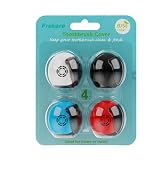
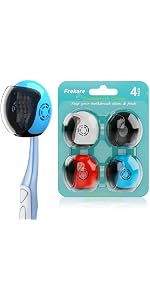 Toothbrush Covers | 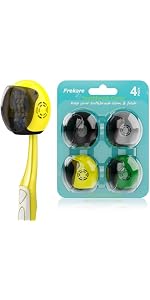 Toothbrush Caps | 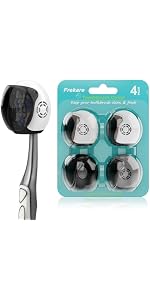 Electric Toothbrush Cover | 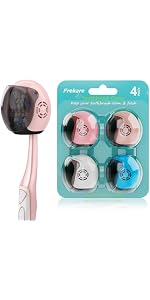 Toothbrush Head Protector | |
|---|---|---|---|---|
| Customer Reviews | — | — | — | — |
| Price | — | — | — | — |
| Fit Most Manual and Electric Toothbrushes | ? | ? | ? | ? |
| Fit This Tongue Brush | ? | ? | ? | ? |

Makes Oral Cleaning Fun
makes it easy for you to have a healthy smile!

Frekare is an oral health-focused brand dedicated to providing high-quality, innovatively designed oral care products.
We always focus on user needs to improve our products, strictly control product quality to meet the needs and expectations of different user groups, and are committed to bringing users a better oral care experience.
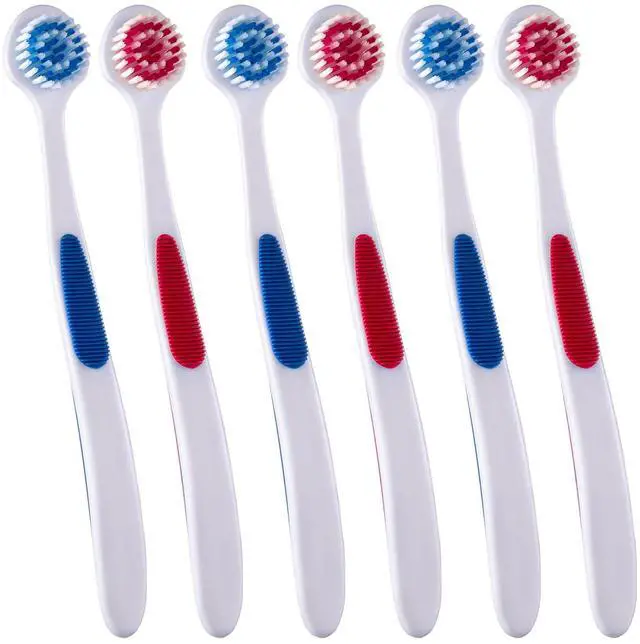
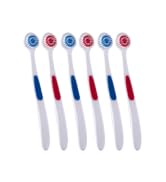
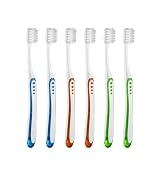
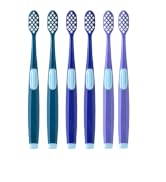
Tongue Brush Cleaner 6 Pack
Designed specifically for Adults & Kids
Keep Your Oral Health
Makes Oral Cleaning Fun
makes it easy for you to have a healthy smile!
Frekare is an oral health-focused brand dedicated to providing high-quality, innovatively designed oral care products.
We always focus on user needs to improve our products, strictly control product quality to meet the needs and expectations of different user groups, and are committed to bringing users a better oral care experience.
Tongue Brush Cleaner 6 Pack
Designed specifically for Adults & Kids
Keep Your Oral Health
Tongue Brush
Fight Bad Breath
Why Not Just Use Your Toothbrush?
- Specialized Design: Tongue brushes are designed specifically for cleaning the uneven and often soft surface of the tongue, making them more effective at removing debris.
- Hygienic: The longer bristles of a tongue scraper make it easier to clean off tongue coating, and they also facilitate quicker drying, making it a more hygienic option.
- Reduced Gag Reflex: Tongue brushes are usually designed to minimize the gag reflex, making it easier to clean the back of the tongue without discomfort.
- Better Reach: Tongue brushes are often designed with a longer reach to access the far reaches of the tongue, where a regular toothbrush may not reach as effectively.
While using a toothbrush can certainly help with tongue cleaning to some extent, a tongue brush is specifically designed for this purpose and can provide more thorough and comfortable cleaning of the tongue.
Three-Step Tongue Plaque Removal
- Using a toothbrush for oral cleaning, with a small amount of toothpaste foam remaining in the mouth.
- Using the residual foam, clean the tongue from the inside to the outside with a tongue brush 3-5 times.
- Rinse your mouth with water to remove any remaining residue.
Frequently Asked Questions
Q: Do tongue brushes need to be replaced regularly?
A: It is recommended to replace your tongue brush every 2 months. Just like regular toothbrush bristles, the bristles of a tongue brush can wear down over time, leading to reduced cleaning effectiveness and potential bacteria buildup. For the sake of your oral health, it's advisable to regularly change your tongue brush to maintain a fresh and healthy mouth.
Q: Is it necessary to use a tongue brush every day?
A: With our increasingly complex diets, our mouths can harbor billions of bacteria daily. Regular cleaning helps create a healthy oral microenvironment, promoting better circulation within our mouths. Therefore, it is recommended to use a tongue brush daily or at least 3 times a week to maintain good oral hygiene.
Q: Can a tongue brush injure our tongue?
A: The use of a tongue brush should be adapted to your individual oral health condition. If your tongue is swollen, red, or has small cuts, it's advisable to wait until your tongue returns to a normal healthy state before using a tongue brush. Under normal circumstances and when used with proper technique, and with products that meet hygiene and safety standards, a tongue brush should not injure your tongue.
Toothbrush Covers | Toothbrush Caps | Electric Toothbrush Cover | Toothbrush Head Protector | |
|---|---|---|---|---|
| Customer Reviews | — | — | — | — |
| Price | — | — | — | — |
| Fit Most Manual and Electric Toothbrushes | ? | ? | ? | ? |
| Fit This Tongue Brush | ? | ? | ? | ? |