

Your Browsing History





Featured Brands










SHOP BY "GPU/VPU"
Quick View
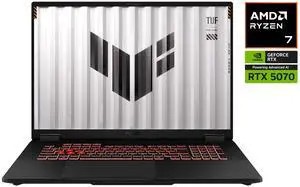
ASUS TUF Gaming - 18" WQXGA 240 Hz - AMD Ryzen 7 260 - GeForce RTX 5070 Laptop GPU - 16GB (8GBx2) Memory DDR5 5600 - 1TB PCIe SSD - Windows 11 Home (FA808UP-NS74)
- GPU/VPU: GeForce RTX 5070 Laptop GPU
- Processor Name: AMD Ryzen 7 260
- Memory: 16GB (8GBx2)
- SSD: 1TB PCIe
- Model #: FA808UP-NS74
- $1,799.99 –
- More options from $1,589.00 - $1,907.85
- Free Shipping
Quick View
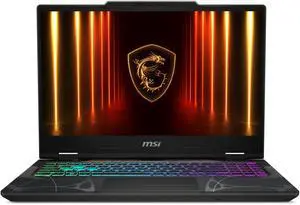
MSI Cyborg15 - 15.6" GeForce RTX 5060 Laptop GPU - Intel Core 7-240H(1.80-5.20 GHz) - 16GB Memory - 512 GB NVMe SSD - Windows 11 Home Gaming Laptops - 144 Hz IPS (Cyborg 15 B2RWFKG-259US )
- GPU/VPU: GeForce RTX 5060 Laptop GPU
- Processor Name: 1.80-5.20 GHz
- Memory: 16GB
- SSD: 512GB NVMe
- Model #: Cyborg 15 B2RWFKG-259US
- $1,299.99
- $1,199.00 –
- Save: 7%
- More options from $1,099.31 - $1,399.00
- Free Shipping
Quick View
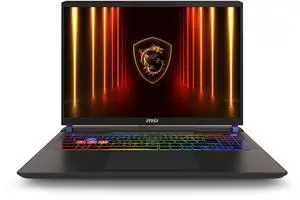
MSI Vector A16 - 16.0" QHD+ 240Hz GeForce RTX 5070 Ti Laptop GPU - Ryzen 9-8940HX(2.40-5.30 GHz) - 16GB DDR5 Memory - 1TB SSD - Wi-Fi 7 Windows 11 Home Gaming Laptop(Vector A16 HX A8WHG-048US )
- GPU/VPU: GeForce RTX 5070 Ti Laptop GPU
- Processor Name: 2.40-5.30 GHz
- Memory: 16GB (8GB*2) DDR5 5600MHz
- SSD: 1TB NVMe SSD Gen4x4
- Model #: Vector A16 HX A8WHG-048US
- $1,986.49
- $1,959.00 –
- More options from $1,799.00 - $2,650.00
- Free Shipping
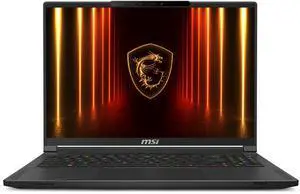
Quick View
MSI Stealth 16 AI - 16" - GeForce RTX 5060 Laptop GPU - Intel Core Ultra7-255H - 32GB DDR5 - 1TB NVMe SSD - 240 Hz OLED Display - Win 11 Home (Stealth 16 AI A2HWFG-041US )
Free Game & Intel AI Software w/ purchase, limited offer
- GPU/VPU: GeForce RTX 5060 Laptop GPU
- Processor Name: Intel Core Ultra 7 255H
- Memory: 16GB * 2
- SSD: 1TB NVMe
- Model #: Stealth 16 AI A2HWFG-041US
- $1,834.99
- $1,749.00 –
- More options from $1,749.00 - $1,952.99
- Free Shipping
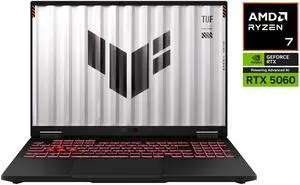
Quick View
ASUS TUF Gaming A16 - 16" FHD+ 165 Hz - AMD Ryzen 7 260 - GeForce RTX 5060 Laptop GPU - 16GB DDR5 RAM - 512GB SSD - Windows 11 Home (FA608UM-NS73)
- GPU/VPU: GeForce RTX 5060 Laptop GPU
- Processor Name: AMD Ryzen 7 260
- Memory: 16GB
- SSD: 512GB NVMe
- Model #: FA608UM-NS73
- $1,399.99
- $1,299.99 –
- Save: 7%
- More options from $899.31 - $1,299.99
- Free Shipping
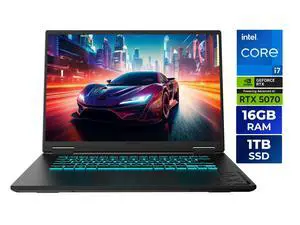
Quick View
GIGABYTE GAMING A16 - 16" NVIDIA GeForce RTX 5070 Laptop GPU - Intel i7-13620H - 16GB Memory - 1TB SSD - 165Hz IPS Display - Windows 11 Home Gaming Laptop (CWHI3US894SH)
- GPU/VPU: GeForce RTX 5070 Laptop GPU
- Processor Name: Intel Core i7-13620H
- Memory: 16GB
- SSD: 1TB
- Model #: A16 CWHI3US894SH
- $1,499.99 –
- More options from $1,480.61 - $2,353.18
- Free Shipping
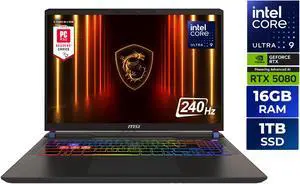
Quick View
MSI Vector - LCD 16" QHD+ GeForce RTX 5080 Laptop GPU - Intel Core Ultra 9 275HX - 16GB Memory - 1 TB SSD - Windows 11 Home Gaming Laptop - 240 Hz (Vector 16 HX AI A2XWIG-050US )
- GPU/VPU: GeForce RTX 5080 Laptop GPU
- Processor Name: Intel Core Ultra 9 275HX
- Memory: 16GB
- SSD: 1TB
- Model #: Vector 16 HX AI A2XWIG-050US
- $2,414.55 –
- More options from $1,998.88 - $3,019.36
- Free Shipping
Quick View
in 30 days
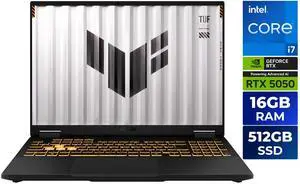
ASUS TUF Gaming F16 16" Gaming Laptop - Intel Core i7 14650HX - NVIDIA GeForce RTX 5050 - 16GB DDR5 RAM - 512GB SSD - Windows 11 Home (FX608JHR-ES73)- GPU/VPU: GeForce RTX 5050 Laptop GPU
- Processor Name: Intel Core i7-14650HX
- Memory: 16GB DDR5
- SSD: 512GB
- Model #: FX608JHR-ES73
- $1,199.99
- $1,119.99 –
- Save: 6%
- More options from $1,119.99 - $1,499.30
- Free Shipping
Quick View
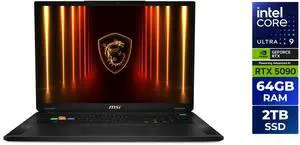
MSI Stealth - 18" GeForce RTX 5090 Laptop GPU - Intel Core Ultra 9 275HX - 64GB Memory - 2 TB SSD - Wi-Fi 7 Windows 11 Pro Gaming Laptop - 120 Hz (Stealth 18 HX AI A2XWJG-035US )
Free Game & Intel AI Software w/ purchase, limited offer
- GPU/VPU: GeForce RTX 5090 Laptop GPU
- Processor Name: Intel Core Ultra 9 275HX
- Memory: 64GB
- SSD: 2TB
- Model #: Stealth 18 HX AI A2XWJG-035US
- $4,145.99 –
- More options from $3,915.67 - $4,781.27
- Free Shipping
Quick View
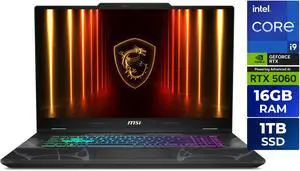
MSI Cyborg 17 - 17.3" FHD 144 Hz - Intel Core 9 270H(2.70-5.80 GHz) - GeForce RTX 5060 Laptop GPU - 16GB Memory DDR5 5600 - 1TB NVMe SSD Gen4x4 SSD - Windows 11 Home (Cyborg 17 B2RWFKG-067US )
- GPU/VPU: GeForce RTX 5060 Laptop GPU
- Processor Name: Intel Core 9 270H(2.70-5.80 GHz)
- Memory: 16GB
- SSD: 1TB NVMe SSD Gen4x4
- Model #: Cyborg 17 B2RWFKG-067US
- $1,399.00 –
- More options from $1,399.00 - $2,229.00
- Free Shipping
Quick View
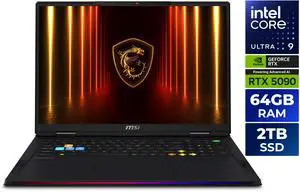
MSI Raider - 18" 120 Hz - Intel Core Ultra 9 285HX - GeForce RTX 5090 Laptop GPU - 64GB DDR5 6400MHz Memory DDR5 6400 - 2TB SSD - Windows 11 Pro (Raider 18 HX AI A2XWJG-069US)
Free Game & Intel AI Software w/ purchase, limited offer
- GPU/VPU: GeForce RTX 5090 Laptop GPU
- Processor Name: Intel Core Ultra 9 285HX
- Memory: 64GB DDR5 6400MHz
- SSD: 2TB
- Model #: Raider 18 HX AI A2XWJG-069US
- $4,367.99 –
- More options from $4,313.85 - $6,849.99
- Free Shipping
Quick View
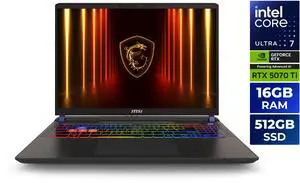
MSI Vector - 16" 144 Hz - Intel Core Ultra 7 255HX - GeForce RTX 5070 Ti Laptop GPU - 16GB Memory DDR5 5600 - 512GB SSD - Windows 11 Home
- GPU/VPU: GeForce RTX 5070 Ti Laptop GPU
- Processor Name: Intel Core Ultra 7 255HX
- Memory: 16GB
- SSD: 512GB
- Model #: Vector 16 HX AI A2XWHG-061US
- $1,770.32 –
- More options from $1,399.00 - $2,331.17
- Free Shipping
Quick View
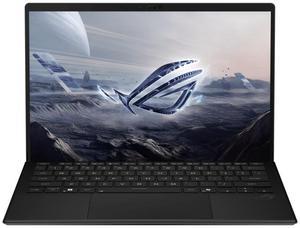
- GPU/VPU: AMD Radeon 8060S Graphics
- Processor Name: AMD Ryzen Al Max+ 395
- Memory: 32GB
- SSD: 1TB
- Model #: GZ302EA-XS96
- $2,199.00 –
- More options from $2,199.00 - $3,296.99
- Free Shipping
Quick View
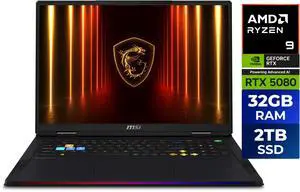
- GPU/VPU: GeForce RTX 5080 Laptop GPU
- Processor Name: AMD Ryzen 9 9955HX3D
- Memory: 32GB DDR5 5600MHz
- SSD: 2TB
- Model #: Raider A18 HX A9WIG-082US
- $3,549.00 –
- More options from $3,314.75 - $4,430.99
- Free Shipping
Quick View
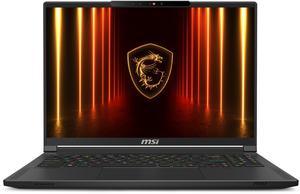
MSI Stealth A16 - 16.0" OLED 240 Hz - GeForce RTX 5070 Ti Laptop GPU - AMD Ryzen AI 9 HX 370 - 32GB Memory - 2TB NVMe SSD SSD - Wi-Fi 7 Windows 11 Pro Gaming Laptop (A3XWHG-079US )
- GPU/VPU: GeForce RTX 5070 Ti Laptop GPU
- Processor Name: AMD Ryzen AI 9 HX 370
- Memory: 32GB
- SSD: 2TB NVMe SSD
- Model #: Stealth A16 AI+ A3XWHG-079US
- $2,899.99 –
- More options from $2,657.95 - $3,339.87
- Free Shipping
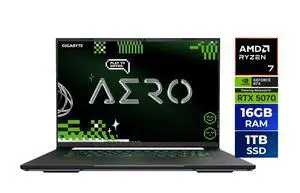
Quick View
- GPU/VPU: GeForce RTX 5070 Laptop GPU
- Processor Name: AMD Ryzen AI 7 350
- Memory: 16GB
- SSD: 1TB PCIe Gen4 NVMe™ M.2 SSD
- Model #: AERO X16 1WH93USC94DH
- $1,788.99 –
- Free Shipping
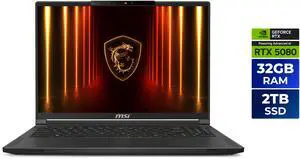
Quick View
- GPU/VPU: GeForce RTX 5080 Laptop GPU
- Processor Name: AMD Ryzen AI 9 HX 370
- Memory: 32GB
- SSD: 2TB NVMe SSD
- Model #: Stealth A16 AI+ A3XWIG-076US
- $3,149.00 –
- More options from $3,040.17 - $3,788.64
- Free Shipping
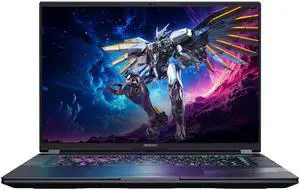
Quick View
GIGABYTE AORUS ELITE 16 Gaming Laptop - 165Hz 2560x1600 WQXGA - NVIDIA GeForce RTX 5070 - Intel Core Ultra 9 275HX - 2TB SSD with 32GB DDR5 RAM - Windows 11 Home AD
Free game w/ purchase, limited offer
- GPU/VPU: GeForce RTX 5070 Laptop GPU
- Processor Name: Intel Core Ultra 9 275HX
- Memory: 32GB
- SSD: 2TB
- Model #: AORUS ELITE 16 BWHC3USC65SH
- $2,599.99
- $1,949.99 –
- Save: 25%
- Free Shipping
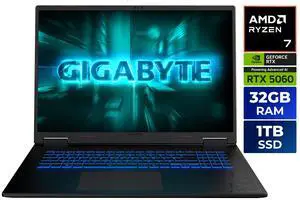
Quick View
- GPU/VPU: GeForce RTX 5060 Laptop GPU
- Processor Name: AMD Ryzen 7 260
- Memory: 16GB*2 DDR5 5600MHz
- SSD: 1TB
- Model #: GAMING A18 3VHK3USC64SH
- $1,849.99
- $1,623.99 –
- Save: 12%
- More options from $1,622.00 - $1,657.68
- Free Shipping
Quick View
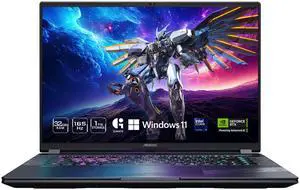
GIGABYTE AORUS ELITE 16 Gaming Laptop - 165Hz 2560x1600 WQXGA - NVIDIA GeForce RTX 5070 - Intel Core Ultra 9 275HX - 1TB SSD with 32GB DDR5 RAM - Windows 11 Home AD
Free Game & Intel AI Software w/ purchase, limited offer
- GPU/VPU: GeForce RTX 5070 Laptop GPU
- Processor Name: Intel Core Ultra 9 275HX
- Memory: 32GB
- SSD: 1TB
- Model #: AORUS ELITE 16 BWHC3USC64SH
- $2,449.99
- $2,240.99 –
- Save: 8%
- More options from $1.00 - $2,490.47
- Free Shipping
Quick View
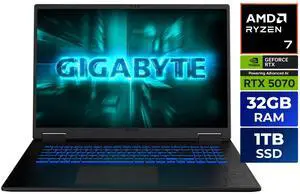
- GPU/VPU: GeForce RTX 5070 Laptop GPU
- Processor Name: AMD Ryzen 7 260
- Memory: 16GB*2 DDR5 5600MHz
- SSD: 1TB
- Model #: GAMING A18 3WHK3USC64SH
- $1,999.99 –
- More options from $1,894.24 - $1,999.99
- Free Shipping
Quick View
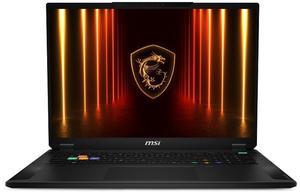
- GPU/VPU: GeForce RTX 5080 Laptop GPU
- Processor Name: AMD Ryzen AI 9 HX 370
- Memory: 64GB
- SSD: 2TB
- Model #: Stealth A18 AI+ A3XWIG-009US
- $3,849.00
- $3,649.00 –
- Save: 5%
- More options from $3,534.57 - $4,449.77
- Free Shipping
Quick View
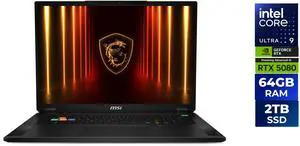
Free Game & Intel AI Software w/ purchase, limited offer
- GPU/VPU: GeForce RTX 5080 Laptop GPU
- Processor Name: Intel Core Ultra 9 275HX
- Memory: 64GB
- SSD: 2TB
- Model #: Stealth 18 HX AI A2XWIG-036US
- $3,699.00 –
- More options from $3,431.57 - $4,137.82
- Free Shipping
Quick View
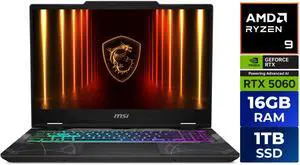
MSI Cyborg A15 - 15.6" FHD 144Hz - AMD Ryzen9 270 - GeForce RTX 5060 - 16GB Memory - 1TB NVMe SSD - Win11 Gaming Laptop (B2HWFKG-006US)
- GPU/VPU: GeForce RTX 5060 Laptop GPU
- Processor Name: AMD Ryzen 9 270
- Memory: 16GB
- SSD: 1TB NVMe SSD Gen4x4
- Model #: Cyborg A15 AI B2HWFKG-006US
- $1,339.99 –
- More options from $1,339.99 - $1,881.00
- Free Shipping
Quick View
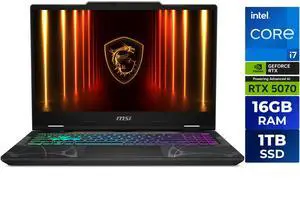
MSI Cyborg 15 - 15.6" GeForce RTX 5070 Laptop GPU - Intel Core 7 240H - 16GB Memory - 1TB SSD - 144 Hz IPS Display - Windows 11 Home - Gaming Laptops (Cyborg 15 B2RWGKG-409US)
- GPU/VPU: GeForce RTX 5070 Laptop GPU
- Processor Name: Intel Core 7 240H(1.80-5.20GHz)
- Memory: 16GB (8GB*2)DDR5 5600MHz
- SSD: 1TB NVMe SSD Gen4x4
- Model #: Cyborg 15 B2RWGKG-409US
- $1,389.99 –
- More options from $1,389.99 - $2,119.00
- Free Shipping
Quick View
Free Game & Intel AI Software w/ purchase, limited offer
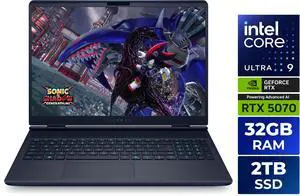
- GPU/VPU: GeForce RTX 5070 Laptop GPU
- Processor Name: Intel Core Ultra 9 275HX
- Memory: 32GB DDR5
- SSD: 2TB
- Model #: LAC16251-9582BLU-PUS
- $2,649.99
- $2,499.99 –
- Save: 5%
- More options from $1,399.99 - $2,898.00
- Free Shipping
Quick View
- Resolution: 3840 x 2400
- GPU/VPU: NVIDIA GeForce RTX 4080
- Graphic Type: Dedicated Graphics
- Memory: 3GB
- Model #: A1VHG-008U-R
- $2,299.99
- $1,839.99 –
- Save: 20%
- More options from $1,839.99 - $2,599.99
- Free Shipping

Quick View
#1 Best Seller
- GPU/VPU: GeForce RTX 5050 Laptop GPU
- Processor Name: Up to 4.90 GHz
- Memory: 16GB
- SSD: 512GB PCIe
- Model #: NH.U1PAA.003
- $1,049.99 –
- More options from $1,049.99 - $1,219.00
- Free Shipping
![[2025] HIDevolution MSI Titan 18 HX AI A2XWIG 18" UHD+ 120Hz Mini LED, 2.1 GHz Ultra 9-285HX , RTX 5080, 96 GB DDR5 RAM, 4 TB PCIe SSD, Windows 11 Pro](https://c1.neweggimages.com/productimage/nb300/AFXND2503011EM80Y60.jpg "[2025] HIDevolution MSI Titan 18 HX AI A2XWIG 18\" UHD+ 120Hz Mini LED, 2.1 GHz Ultra 9-285HX , RTX 5080, 96 GB DDR5 RAM, 4 TB PCIe SSD, Windows 11 Pro")
Quick View
- GPU/VPU: NVIDIA GeForce RTX 5080 Laptop GPU
- Processor Name: Intel Core Ultra 9 285HX
- Memory: 96GB
- SSD: 4TB
- Model #: MS-TITAN18HXA2616-HID6
- $5,299.00 –
Quick View
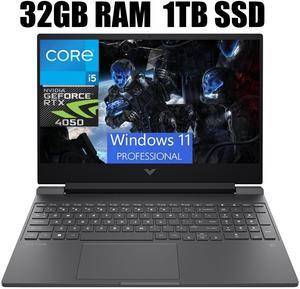
HP Victus 15 Gaming Laptop, 15.6" FHD 144Hz Display, Intel Core i5-13420H 8-core Processor, NVIDIA GeForce RTX 4050 6GB Graphic, Wi-Fi 6 Backlit Keyboard, 32GB DDR4 1TB PCIe SSD, Windows 11 Pro
- GPU/VPU: GeForce RTX 4050 Laptop GPU
- Processor Name: 2.3 GHz
- Memory: 32GB
- SSD: 1TB PCIe
- Model #: Victus 1542313420H4050-011
- $1,099.79 –
- More options from $1,039.00 - $1,878.83
- Free Shipping
Quick View
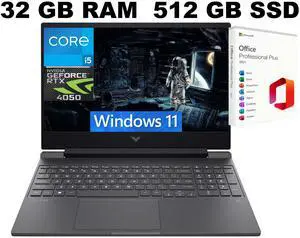
- GPU/VPU: GeForce RTX 4050 Laptop GPU
- Processor Name: 2.10GHz
- Memory: 32GB
- SSD: 512GB PCIe SSD
- Model #: 15.6i513420HRTX 4050-BU-004
- $999.79 –
- More options from $999.79 - $1,129.00
- Free Shipping
Quick View
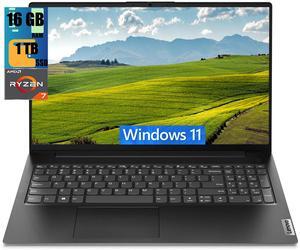
- GPU/VPU: AMD Radeon Graphics
- Processor Name: 2.00GHz
- Memory: 16GB
- SSD: 1TB PCIe
- Model #: V152267730U-001
- $719.99 –
- More options from $719.99 - $829.00
- Free Shipping
Quick View
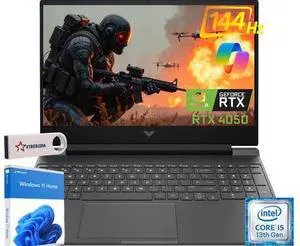
- GPU/VPU: GeForce RTX 4050 Laptop GPU
- Processor Name: Intel Core i5-13420H
- Memory: 32GB
- SSD: 512GB
- Model #: FA2082wmr13
- $999.79 –
- Free Shipping
Quick View
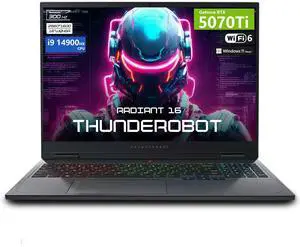
Thunderobot Radiant 16 QHD+ 300Hz Gaming Laptop, Intel Core i9-14900HX, GeForce RTX 5070 Ti, 16GB DDR5 RAM, 512GB SSD, Wi-Fi 6, Windows 11 Home, Black
- GPU/VPU: GeForce RTX 5070 Ti Laptop GPU
- Processor Name: Intel Core i9-14900HX
- SSD: 512GB
- Operating System: Windows 11 Home
- Model #: Radiant 1615676-A_CTO_N1
- $1,699.00 –
- Free Shipping
Quick View
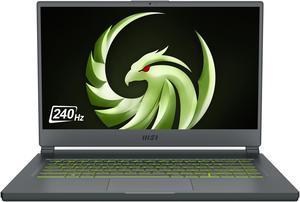
MSI Delta 15 A5EFK-097 15.6" 240 Hz IPS AMD Ryzen 7 5000 Series 5800H (3.20GHz) AMD Radeon RX 6700M 16GB Memory 1 TB PCIe SSD Windows 11 Home 64-bit Gaming Laptop
- GPU/VPU: AMD Radeon RX 6700M
- Processor Name: AMD Ryzen 7 5800H
- Memory: 16GB
- SSD: 1TB PCIe
- Model #: Delta 15 A5EFK-097
- $929.99 –
- More options from $929.99 - $1,558.96
- Free Shipping
Quick View
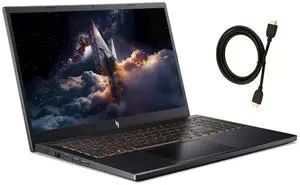
- Memory: 16GB
- SSD: 512GB
- Brand: Acer
- Color: Black
- Model #: TEMP-BH7-NoMod+Z95
- $1,019.99 –
- More options from $1,019.99 - $1,141.21
- Free Shipping
Buying a Gaming Laptop
How to Choose the Right Gaming Laptop
Picking the right gaming laptop doesn’t have to feel like solving a puzzle. Whether you're chasing 240 FPS in competitive shooters or want smooth 4K visuals in single-player epics, here’s what actually matters when choosing your next portable powerhouse. Learn more in our full Insider guide: How to Choose the Best Gaming Laptop .
Gaming Laptop vs. DIY Desktop: What You Gain (and Give Up)
The Plug-and-Play Option (Gaming Laptop) The DIY Route (Customer - Built Desktop )
- Total control — Handpick everything from the case to cooling and RGB.
- Cost efficiency — Can save 15–30% when parts are on sale.
- Learning experience — Building your first PC is rewarding.
- Risk factor — Mistakes can lead to troubleshooting and extra time.
The Plug-and-Play Option (Gaming Laptop)
- Zero assembly — Unbox, sign in, and start gaming immediately.
- Portable performance — Compete, create, and play anywhere.
- No-compromise visuals — Many premium laptops now feature RTX 50 series GPUs and high-refresh-rate displays.
- Upgrade limits — Some models have limited RAM/SSD upgrade options.
What Really Matters in a Gaming Laptop
- GPU — Your Gaming Lifeline
Your GPU drives frame rates and visual quality. Match the GPU tier to your target resolution:
1080p @ 144Hz: RTX 4060 Laptop / RX 7600S
1440p + Ray Tracing: RTX 5080 / RTX 4080 Laptop
4K Ultra: RTX 5090 / RTX 4090 Laptop or higher - CPU — The Game’s Conductor
Current favorites include Intel Core Ultra 9 and AMD Ryzen AI 300 Series. If you stream or multitask heavily, Intel Core i9 or AMD Ryzen 9 offers extra headroom for smooth gaming plus background workloads. Explore CPU options .
- RAM — Your Multitasking Muscle
16GB is the baseline. 32GB DDR5 (5600MHz+) is ideal for newer AAA titles and creative multitasking. Heavy creators or power users can consider 64GB. Filter by Laptop Memory .
- Storage — Speed Meets Capacity
Aim for at least a 1TB Gen4 NVMe SSD for faster game loads and smoother updates. Some GPU bundles may include bonus storage.
Gaming’s Best Supporting Actors
Must-Have Peripherals
- Gaming Monitor — Let your GPU shine with higher refresh and clarity.
- Gaming Keyboard — Faster inputs, better feel, better control.
- Quality Headset — Hear footsteps and cues before your opponents do.
Newegg’s Game-Changing Tools
Laptop Finder: Use the Laptop Finder tool to filter by screen size, GPU, CPU, RAM, storage, and budget—so you can quickly identify the best gaming laptop for your needs.
Deal Alerts: Track the latest savings on gaming laptops on sale and catch limited-time price drops.
Get ready for major seasonal savings—featuring deep discounts on top-rated RTX and AI-powered gaming laptops . Upgrade to premium notebooks like ASUS ROG, MSI Stealth, and Lenovo Legion with RTX 5090 / 5080 / 5070 Ti GPUs and Intel Core Ultra or Ryzen AI processors for next-gen performance. These early offers are limited-time and may include some of the lowest prices of the season.
Editor’s Picks: Recommended Gaming Laptops
ASUS TUF Gaming A18 — High FPS, Big Screen
18" WQXGA display, Ryzen 7 AI 260 CPU, and RTX 5070 GPU—great for serious gamers and creators.
ASUS TUF Gaming A18 – RTX 5070, Ryzen 7 AI 260, 18" WQXGA, 16GB DDR5, 1TB PCIe SSD ASUS TUF Gaming A16 — Portable Performance
Balanced specs for mainstream gaming—RTX 5060, Ryzen 7 AI, and a sleek 16" design for on-the-go play.
ASUS TUF Gaming A16 – RTX 5060, Ryzen 7 AI 260, 16" FHD, 16GB DDR5, 512GB NVMe SSD- Watch the "Laptop Performance Essentials" video from Newegg Studio to learn how GPU power, cooling, and system efficiency impact laptop performance, stability, and long-term reliability.
Last Updated: June 2026 | Newegg Content Team: Newegg Laptops Buying Guide
Laptop Frequently Asked Questions:
What is the best gaming laptop right now in 2026?
The best gaming laptop in 2026 depends on your budget and needs. For flagship performance, the MSI Titan 18 HX with RTX 5080 leads the pack. For the best value-performance balance, the Acer Predator Helios Neo (RTX 5070 Ti, ~$1,499) and MSI Stealth 16 AI (RTX 5070 Ti, OLED 240Hz) are top picks. Budget-conscious gamers should consider the Acer Nitro V15 (RTX 5060, ~$799). Browse Newegg Gaming Laptops with filters for GPU, budget, and brand.
RTX 5070 vs RTX 5080 laptop - which should I buy?
The RTX 5080 laptop GPU delivers approximately 20-24% more performance than the RTX 5070 Ti, with 30% more CUDA/Tensor/RT cores and up to 175W TDP. However, the RTX 5070 Ti offers 51% better value per dollar and handles any current game at 1440p max settings. If you game at 1080p-1440p, the RTX 5070 Ti (e.g., MSI Vector 16 or MSI Stealth 16 AI) is the smarter pick. For 4K or content creation, the RTX 5080 (MSI Titan 18 HX) justifies its premium.
What is the best gaming laptop under $1,500?
Under $1,500, you can get excellent RTX 50-series performance. The Acer Predator Helios Neo 16 (RTX 5070 Ti, Intel Core Ultra 9 275HX, 240Hz IPS) sits just at ~$1,499 and is a standout choice. The MSI Vector 16 (RTX 5070 Ti, Intel Core Ultra 7 255HX) is another strong contender. For those with more budget flexibility toward $1,200, the Acer Nitro V 16 AI (RTX 5060) is the highest-value option. Use Newegg price filter to find deals and shell-shocker promotions.
Which gaming laptop has the best display for gaming?
For competitive gaming, look for 240Hz+ refresh rates. The MSI Stealth 16 AI features a 16-inch OLED 240Hz display with outstanding color accuracy and contrast. The Acer Predator Helios Neo 16 also offers 240Hz IPS, a great option for fast-paced titles. For esports on a budget, the Acer Nitro V15 (180Hz FHD) delivers smooth gameplay at a fraction of the cost. Filter by display refresh rate on Newegg to narrow your search.
Is the Acer Nitro V15 a good gaming laptop for beginners?
Yes. The Acer Nitro V15 is one of the best entry-level gaming laptops for 2026. Powered by an RTX 5060 and Intel Core 7, it handles popular titles like Fortnite, Valorant, and Minecraft at 1080p high settings with ease. Starting at around $799, it is an excellent first gaming laptop. Newegg often bundles it with accessories or offers combo deals.
What gaming laptop should I buy for content creation and gaming?
For dual-purpose content creation and gaming, prioritize high VRAM, RAM, and display color accuracy. The MSI Titan 18 HX (RTX 5080, 18-inch 4K display, up to 64GB DDR5) is the top choice for professional creators. The MSI Stealth 16 AI (RTX 5070 Ti, OLED, 32GB) is a slimmer alternative. Both support NVIDIA CUDA acceleration in DaVinci Resolve, Blender, and Adobe Premiere. Filter by Creator or check Newegg recommendations for creator laptops.
Do gaming laptops overheat? Is thermal throttling a real problem?
Modern gaming laptops will not damage themselves - every 2026 model has built-in thermal protection. However, thermal throttling is very common and directly affects your experience: when a CPU or GPU exceeds its thermal limit, it automatically reduces clock speed to cool down, causing frame rate drops and sluggish performance. The key is choosing a laptop with a proven cooling system. Look for vapor chamber cooling (e.g., MSI Stealth 16 AI, Razer Blade 16) and check reviews for sustained-load benchmarks, not just peak numbers. Using your laptop on a hard flat surface and keeping vents clear already reduces throttling significantly. Avoid soft surfaces like beds and pillows. Browse Newegg gaming laptops and filter by cooling type.
Should I get a gaming laptop with 16GB or 32GB RAM in 2026?
For pure gaming, 16GB DDR5 is still technically sufficient for most titles. However, Microsoft now recommends 32GB as the future-proof baseline for gaming PCs. If you keep Discord, a browser, a streaming overlay, and a game open simultaneously, 16GB RAM regularly hits its ceiling and causes stuttering. For any laptop over $1,200, strongly consider 32GB. Laptops like the MSI Stealth 16 AI ship with 32GB as standard. If you buy a 16GB model (e.g., MSI Vector 16), check whether the RAM slots are user-accessible - many gaming laptops allow a cheap upgrade. Use Newegg specs filter to find gaming laptops by RAM capacity.
Why does the same RTX 5070 Ti perform differently in different laptops?
This is one of the most important things buyers need to understand. NVIDIA laptop GPUs do not run at a fixed wattage - manufacturers set the Total Graphics Power (TGP) based on the laptop's cooling capacity. An RTX 5070 Ti can run anywhere from 80W to 140W depending on the chassis. A 140W RTX 5070 Ti (in the MSI Stealth 16 AI or Acer Predator Helios Neo) delivers full performance. An 80W configuration in a thinner laptop performs closer to an RTX 5060. Always check the TGP spec in the product details on Newegg, or look for reviewer benchmarks under sustained load. Higher TGP means better sustained performance but more heat and shorter battery life.
How long does a gaming laptop battery last? Can I use it for school or travel?
In 2026, battery life has dramatically improved. For general use (web browsing, documents, video calls), flagship thin-and-light gaming laptops like the MSI Stealth 16 AI now deliver 8-12 hours - genuinely all-day use. Most models support 140W USB-C GaN fast charging that replenishes 50% in under 30 minutes. Under gaming load, expect 45-90 minutes depending on GPU intensity. Pro tip: enable GPU Eco Mode (MUX switch off) to extend battery life during class or travel. For students prioritizing portability, the MSI Stealth 16 AI (under 2kg, 16.8mm thin) or Acer Nitro V15 with MUX switch are top choices. Find lightweight options with the Newegg laptop weight filter.
What is the difference between a laptop and a notebook?
In most shopping contexts, laptop and notebook are used almost interchangeably. On Newegg, the category covers a wide range of portable computers from everyday notebooks to gaming, business, and creator-focused systems.
What processor should I look for in a laptop?
The right processor depends on your workload, budget, and portability needs. For many shoppers, comparing AMD Ryzen AI, Intel Core Ultra, and Intel Core generations is a practical starting point when narrowing down performance options.
How much RAM do I need in a laptop?
The right amount of RAM depends on whether you mainly browse, work, study, create, or game. More memory can improve multitasking and help laptops handle heavier software more smoothly over time.
What storage type should I choose in a laptop?
Many shoppers prefer SSD-based storage because it improves boot speed, app loading, and overall responsiveness. Storage capacity should match how many files, apps, and games you plan to keep locally.
What does Copilot PC mean on a laptop listing?
Copilot PC generally refers to newer laptops designed around AI-focused features and modern processor platforms. On Newegg, this category helps shoppers quickly identify newer notebook options positioned around AI-ready experiences.
What is the difference between a gaming laptop and a business laptop?
Gaming laptops usually prioritize graphics performance, faster displays, and stronger cooling, while business laptops often focus more on portability, battery life, security, and professional use. The better choice depends on how you plan to use the system every day.
How do 2-in-1 laptops compare to traditional clamshell laptops?
A 2-in-1 laptop adds more flexibility for touch, tablet-style use, and mobile workflows, while a traditional clamshell design is often simpler and more familiar for standard typing and productivity. The best fit depends on whether versatility matters more than a conventional laptop layout.
What is the difference between a Chromebook and a Windows laptop?
Chromebooks are often chosen for lighter web-based tasks and simpler workflows, while Windows laptops usually offer broader software compatibility and more hardware variety. The right option depends on your apps, budget, and everyday workload.
How do touchscreen laptops compare to non-touch laptops?
Touchscreen laptops can be more convenient for tapping, scrolling, note-taking, and hybrid workflows, while non-touch laptops may appeal to users who want a more traditional experience. The better choice depends on how much you actually use touch features in daily tasks.
How do creator laptops compare to standard consumer laptops?
Creator laptops are usually aimed at heavier visual, editing, or production workloads and may emphasize stronger graphics, display quality, and performance headroom. Standard consumer laptops are often tuned more for everyday use and value.
How do I choose the right laptop for work, school, or gaming?
Start with your main use case, then compare processor, memory, storage, screen size, and laptop type. On Newegg, the visible shop categories and Laptop Finder tool make it easier to narrow down systems by intended use.
What screen size laptop should I buy?
The best screen size depends on how much portability you need versus how much workspace you want on the display. Smaller systems can be easier to carry, while larger screens may feel more comfortable for multitasking and longer sessions.
Is it better to buy a gaming laptop or a desktop for gaming?
A gaming laptop offers portability and an all-in-one setup, while a desktop often provides more upgrade flexibility and better value for raw performance. The right choice depends on whether mobility or long-term upgrade potential matters more to you.
Should I buy a refurbished laptop or a new one?
A refurbished laptop can offer strong value if the condition, warranty, and seller details are clear, while a new laptop may provide more peace of mind and longer expected support. The best choice depends on budget and how much condition certainty matters to you.
How important is battery life when choosing a laptop?
Battery life matters much more if you work, study, or travel away from a desk frequently. For more stationary use, display, performance, and connectivity may matter just as much or more than battery duration alone.
What are common issues to watch out for when buying a laptop?
Common concerns include limited upgradeability, weak battery life, insufficient ports, display compromises, and buying more or less performance than you actually need. Reading the full product details helps avoid mismatched expectations.
How important are customer reviews when choosing a laptop?
Customer reviews can reveal useful details about build quality, thermals, display experience, noise, and everyday reliability. Verified buyer feedback is especially useful when comparing similar laptops in the same price range.
Are budget laptops reliable for long-term use?
Budget laptops can be reliable when matched with realistic workloads, but long-term satisfaction often depends on whether the performance, memory, and storage remain sufficient for your needs over time.
What compatibility issues should I check before buying a laptop?
Check operating system, port selection, software needs, charger type, display outputs, and whether the laptop fits your accessories and workflow. Compatibility matters just as much as core specs for many buyers.
Do users commonly report overheating or fan noise issues with laptops?
Some users do report thermal or fan noise concerns depending on the model, workload, and chassis design. Recent buyer feedback is often the fastest way to spot whether a specific laptop has a pattern of these issues.
How do I set up a new laptop after unboxing it?
Complete the operating system setup, connect to Wi-Fi, install updates, and review your storage and security settings before regular use. It is also a good time to confirm the device matches the configuration you expected.
What should I do after buying a new laptop?
Update the system, install the apps you use most, check available storage, and create a backup plan early. Doing this right away can make long-term use much smoother.
How do I transfer files from my old laptop to a new one?
Common options include cloud storage, external drives, transfer software, or direct network methods depending on the systems involved. The best method depends on how much data you need to move and how quickly you want to get started.
How do I update drivers and software on a new laptop?
Start with operating system updates, then check device manufacturer utilities or support tools for drivers, firmware, and platform-specific updates. Keeping everything current helps with stability, battery behavior, and compatibility.
What should I check before upgrading or expanding a laptop later?
Check whether the laptop supports memory upgrades, storage expansion, docking needs, and external monitor connectivity before you buy. Many laptops vary widely in how upgradeable or expandable they are.
Bestselling Gaming Laptops Reviews:
Anonymous
5/20/2026 6:06:05 AM
Absolutely Monstrous Performance The MSI Raider 18 Is a Beast
“ Yes, I would absolutely recommend this product to someone who wants a top-tier gaming laptop with serious desktop-replacement performance. ”
MSI Raider - 18" 120 Hz - Intel Core Ultra 9 285HX - GeForce RTX 5090 Laptop GPU - 64GB DDR5 6400MHz Memory DDR5 6400 - 2TB SSD - Windows 11 Pro (Raider 18 HX AI A2XWJG-069US)Chris T.
1/18/2026 1:39:27 PM
Near infinite cosmic power, itty bitty living space
“ Over all Gigabyte's A16 Pro Gaming Laptop is an absolute win when it comes to portable and powerful hardware. ”
GIGABYTE - GAMING A16 PRO Gaming Laptop - 165Hz 2560x1600 WQXGA - NVIDIA GeForce RTX 5080 - Intel Core 7 240H - 1TB SSD with 32GB LPDDR5X RAM - Windows 11 Home (GAMING A16 PRO DYHG5USCC4SH)