




 here!
here!
I’m your shopping assistant for PC builds, upgrades, and everything tech.
Got questions? Ask away!
Start a conversation
here!
I’m your shopping assistant for PC builds, upgrades, and everything tech.
Got questions? Ask away!
Start a conversation
Free MSI MAG Core Liquid 240mm AIO Cooler and Onimusha Game Bundle, limited offer
Free ASRock Pro 850B Power Supply, limited offer
Free ASRock Pro 850B Power Supply, limited offer
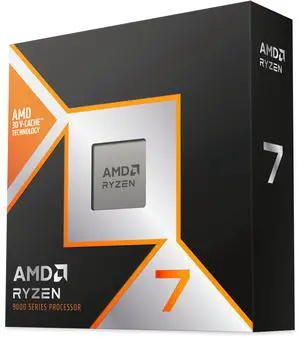
Free MSI MAG Core Liquid 240mm AIO Cooler and Onimusha Game Bundle, limited offer

Free MSI MAG Core Liquid 240mm AIO Cooler and Onimusha Game Bundle, limited offer
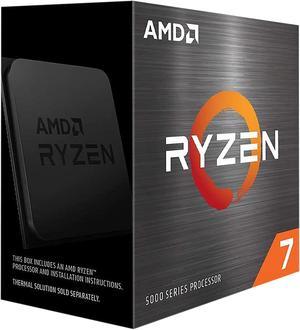
Free Gamdias Boreas 120mm Air Cooler w/ purchase, limited offer
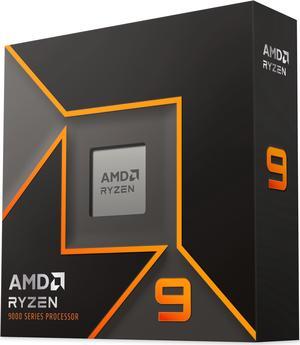
Free MSI MAG Core Liquid 240mm AIO Cooler, limited offer
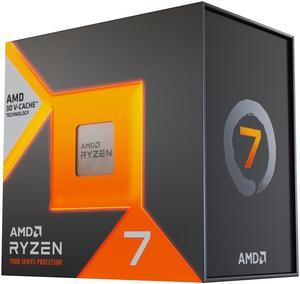
Free ASRock Pro 850B Power Supply, limited offer
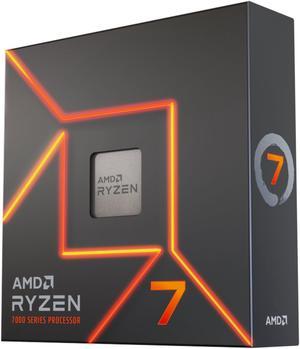
+ $20 off w/ promo code SSF74247, limited offer
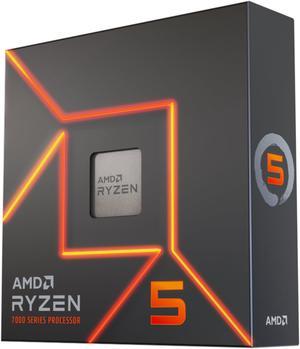
Free ASRock Pro 850B Power Supply, limited offer
Limited time offer, ends 10/24
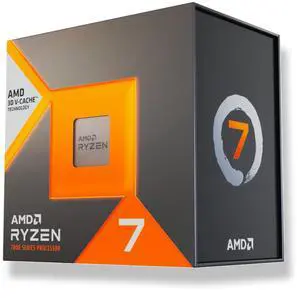
Free ASRock Pro 850B Power Supply, limited offer
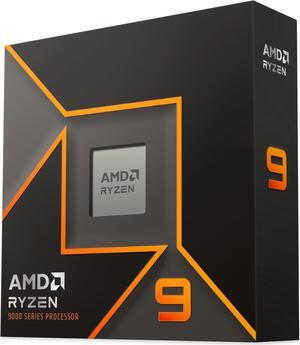
Free MSI MAG Core Liquid 240mm AIO Cooler, limited offer
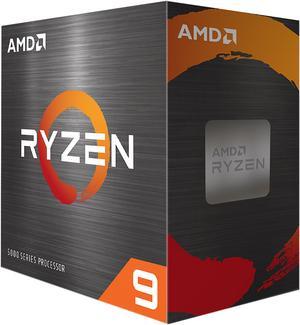
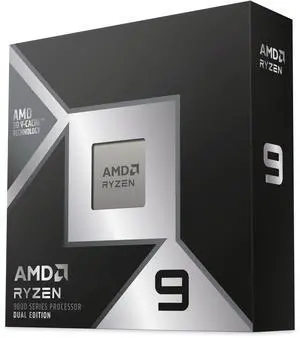
Free MSI MAG Core Liquid 240mm AIO Cooler and Onimusha Game Bundle, limited offer
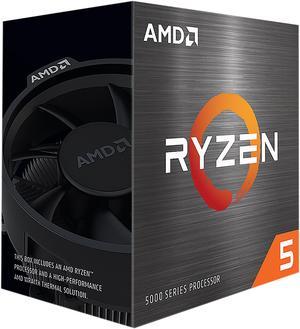
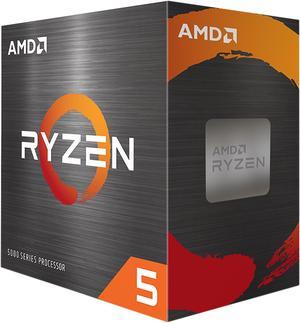
Free Gamdias Boreas 120mm Air Cooler w/ purchase, limited offer
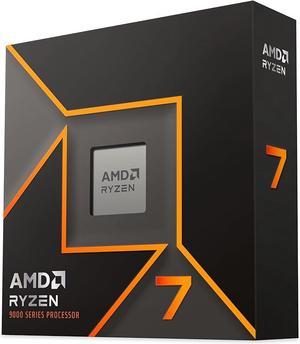
Free ASRock Pro 850B Power Supply, limited offer
Limited time offer, ends 10/24
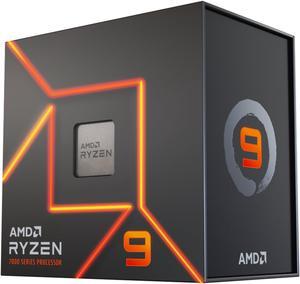
Free MSI MAG Core Liquid 240mm AIO Cooler, limited offer

Free Gamdias Boreas 120mm Air Cooler w/ purchase, limited offer
Limited time offer, ends 10/24
Limited time offer, ends 10/24
Limited time offer, ends 10/24
Limited time offer, ends 10/24
Limited time offer, ends 10/24
Limited time offer, ends 10/24

Limited time offer, ends 10/24
| Learn about AMD CPUs & Processors | |
|---|---|
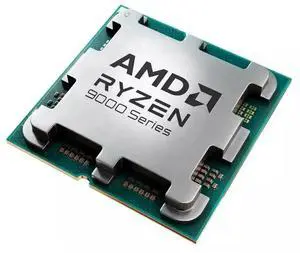
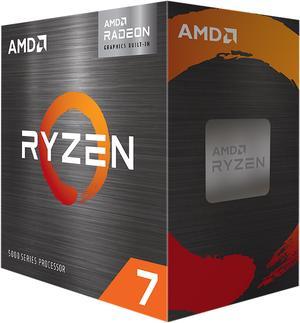
Understanding AMD Desktop CPUsAMD Ryzen desktop processors power everything from budget-friendly builds to high-end gaming rigs and creator workstations. Your CPU is the core “brain” of the PC — it handles instructions, calculations, multitasking, and determines how smooth your system feels in real-world use. For desktop upgrades and new builds, AMD offers a wide range of choices across AM4 and AM5 platforms, including gaming-focused X3D processors, integrated-graphics APUs, and workstation-class Threadripper. Modern AMD CPUs are designed around higher IPC performance, efficient boost behavior, and platform longevity. On AM5, Ryzen 7000 and Ryzen 9000 processors support DDR5 memory and PCIe 5.0, while AM4 Ryzen 5000 remains a popular value platform for affordable upgrades. AMD Ryzen Generations and PlatformsAMD’s latest Ryzen 9000 series is built on Zen 5 architecture and targets next-gen performance with improved efficiency and an average ~16% IPC uplift versus Zen 4, making it a strong choice for gaming and creation workloads. The Ryzen 7000 series (Zen 4) remains a performance sweet spot on AM5, while the Ryzen 5000 series continues to offer excellent value for AM4 upgrades. AMD CPU Segments
Why AMD Ryzen Is a Favorite for GamingAMD Ryzen CPUs have become a top choice for gamers because they balance high single-core responsiveness with excellent multi-core performance. In competitive titles, strong IPC and boost clocks improve minimum FPS and reduce frame-time spikes, while Ryzen X3D processors add extra 3D V-Cache to keep more game data closer to the CPU for smoother gameplay. If you play at high refresh rates (144Hz–240Hz) or stream while gaming, Ryzen 7 and Ryzen 9 chips provide extra headroom so your system stays fast even with background apps running. Key Specs That Matter on AMD CPUs
| Choosing the Right AMD CPU for Your BuildThe best AMD CPU depends on what you do most: gaming, streaming, content creation, or productivity. Start with your budget and your target performance (1080p esports, 1440p gaming, 4K editing, etc.), then choose the right Ryzen tier and platform. Use Cases and Recommendations (AMD-only)
Platform, Compatibility, and Cooling
Watch: How to Install a CPU Safely (Avoid Bent Pins)For a full step-by-step guide with photos, check out: How to Install a CPU on a Motherboard Without Damaging Pins . Need Help Picking an AMD CPU?
|
Last Updated: 2026 | Newegg CPU/Processors Buying Guide
Ryzen 9000 (Zen 5) focuses on improved IPC performance and efficiency compared to Ryzen 7000 (Zen 4). If you already have a high-end Ryzen 7000 CPU, the gains may be moderate for gaming — but Ryzen 9000 can offer a stronger boost in productivity and improved performance-per-watt on AM5.
For most gamers, a Ryzen 7 is often the sweet spot because it delivers strong gaming performance while leaving room for streaming and multitasking. Ryzen 9 is best if you also do heavy content creation, encoding, or professional workloads alongside gaming.
3D V-Cache adds a larger pool of L3 cache so the CPU can access more game data without waiting on system memory. In many CPU-limited games, this improves FPS and reduces frame-time spikes, especially at 1080p or high refresh rates.
Yes. Ryzen 8000G APUs include integrated RDNA 3 graphics and are great for compact builds, casual gaming, and everyday workloads without a discrete GPU. They also include a dedicated Ryzen AI Engine (NPU) for AI-enhanced tasks.
AM5 is the better long-term platform because it supports DDR5 and PCIe 5.0 and is designed for newer Ryzen generations. AM4 is still excellent for budget upgrades because Ryzen 5000 CPUs are affordable and widely compatible with DDR4 boards.
Yes. A modern Ryzen 5 paired with a capable GPU is enough for smooth 1080p and 1440p gaming. If you play CPU-heavy esports titles at very high refresh rates or multitask heavily, Ryzen 7 may provide extra headroom.
Some Ryzen CPUs include integrated graphics, but not all. Ryzen 8000G and many “G-series” CPUs include strong iGPU performance. Standard Ryzen 7000/9000 CPUs often include a basic iGPU primarily for display output, but gaming still benefits most from a discrete GPU.
For gaming, 16GB is the minimum and 32GB is ideal for newer titles plus multitasking. For creation workloads, 32GB–64GB is more comfortable. Make sure your RAM matches your platform: DDR4 for AM4 and DDR5 for AM5.
Ryzen 9 CPUs benefit from high-performance cooling. A premium dual-tower air cooler works well, but many builders prefer a 240–360mm AIO for better sustained boost performance and lower noise under load.
Threadripper PRO is designed for professional workstation workloads such as rendering, simulation, and heavy parallel computation. It can game well, but it is not cost-effective for gaming compared to Ryzen 7 or Ryzen 9 X3D processors.
Ryzen 9000 uses the AM5 socket, so it requires an AM5 motherboard. Many existing AM5 boards may support Ryzen 9000 with a BIOS update, so always check the board manufacturer’s CPU support list before upgrading.
PSU sizing depends more on your GPU than your CPU. For mainstream Ryzen 5/7 gaming PCs, 650W–750W is often enough with modern GPUs. High-end Ryzen 9 + flagship GPUs may benefit from 850W–1000W for stability and upgrade headroom.
Yes. Ryzen 7 and Ryzen 9 CPUs provide strong multi-core performance for editing, encoding, and streaming. If you run heavy effects, high-resolution timelines, or do professional exports, Ryzen 9 can significantly reduce render and encode times.
On AM5, Ryzen 7000 and Ryzen 9000 platforms support PCIe 5.0, depending on the motherboard chipset and slot configuration. PCIe 5.0 SSDs can improve sequential speeds, while PCIe 5.0 GPUs help future-proof builds.
If you are moving from AM4 to AM5, upgrading can bring DDR5, PCIe 5.0, and improved performance-per-watt. It is most worth it if you also want newer platform features or a large performance leap for creation workloads. For budget upgrades, Ryzen 5000 remains a great value.
“ Super nice upgrade. ”
AMD Ryzen 7 7700X - Zen 4 8-Core 4.5 GHz - Socket AM5 - 105W Desktop Processor“ Not much to say other than it's a great X3D CPU for the price. ”
AMD Ryzen 9 7900X3D - Zen 4 12-Core - Socket AM5 - Desktop Processor“ Always been using intel. Made the switch and it's solid. ”
AMD Ryzen 9 7950X3D - Zen 4 16-Core - Socket AM5 - Desktop Processor“ Used to be an Intel guy but switched to AMD and not going back. ”
AMD Ryzen 7 7800X3D - Zen 4 8-Core - Socket AM5 - Desktop Processor“ Great value CPU and easy upgrade. ”
AMD Ryzen 5 5600 - Zen 3 6-Core - Socket AM4 - Desktop Processor


