
Your Browsing History
- Free 30-day Returns
- ฿3,203.23 Shipping
฿94,137.52
VAT-Inclusive Price
Ships from United States.
Sold by Newegg
Shipped by Newegg
Best Sellers
 Top Rated
- ฿99,110.36
- + ฿6,007.03 Shipping


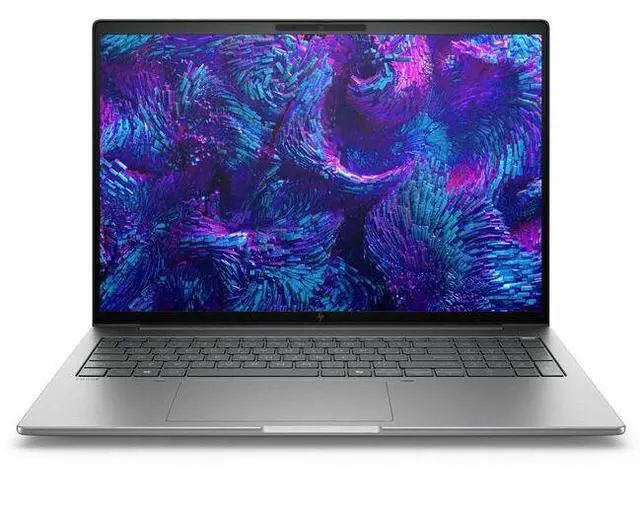
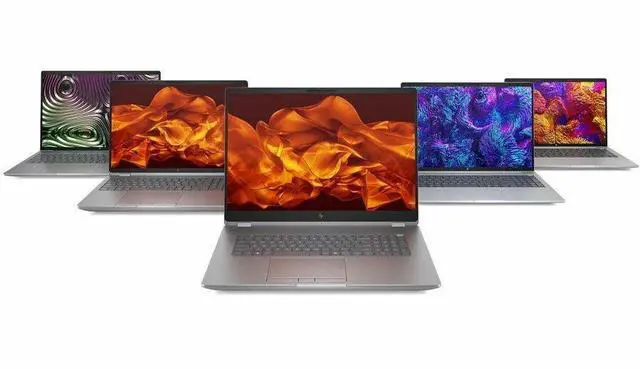
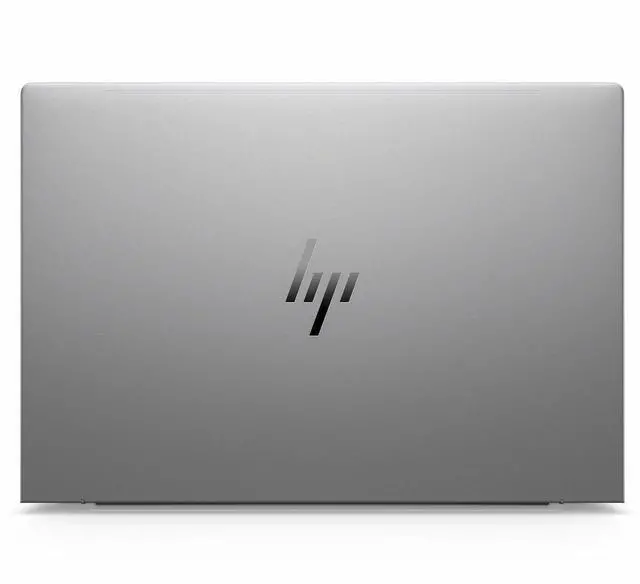
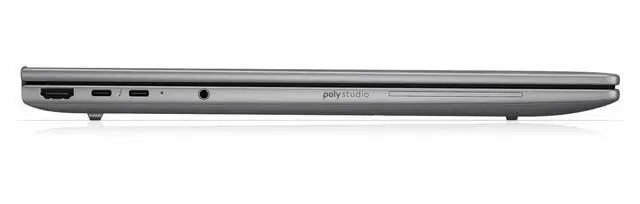
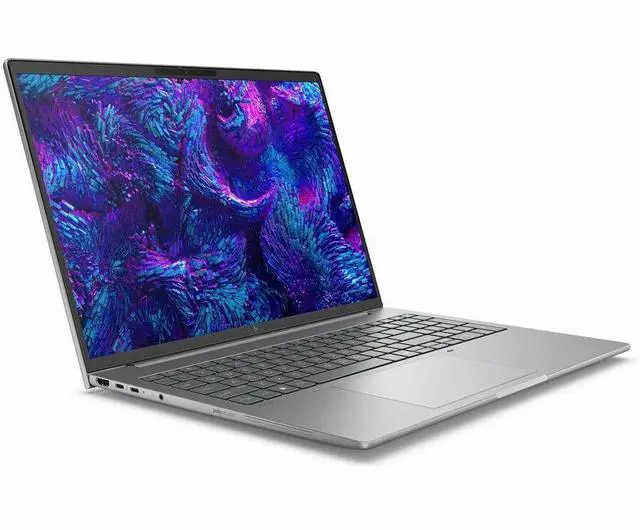
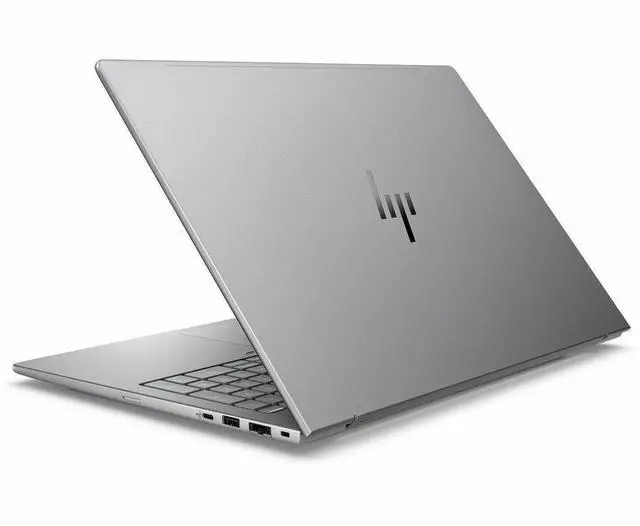
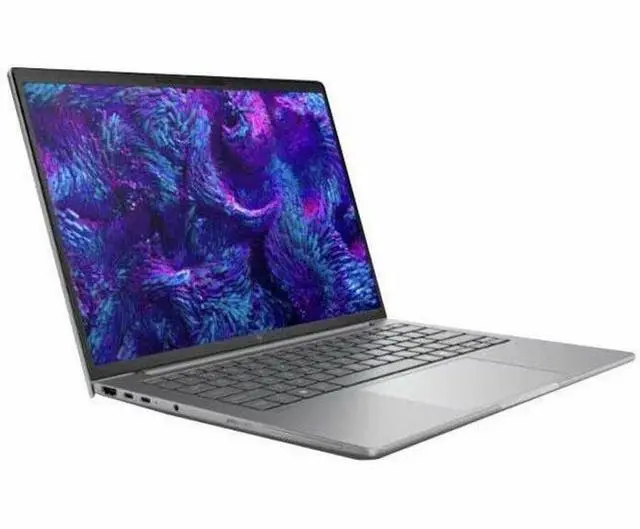
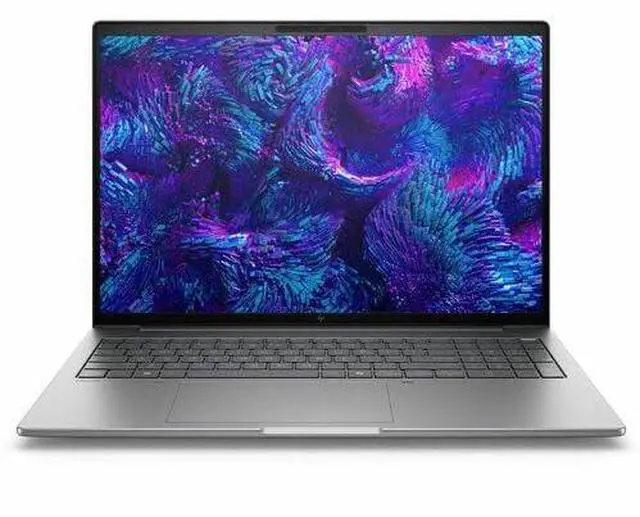

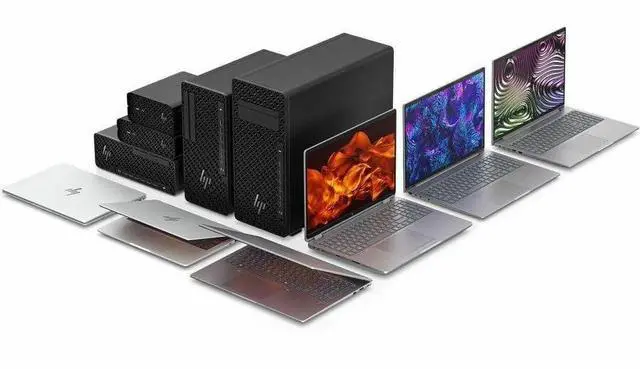
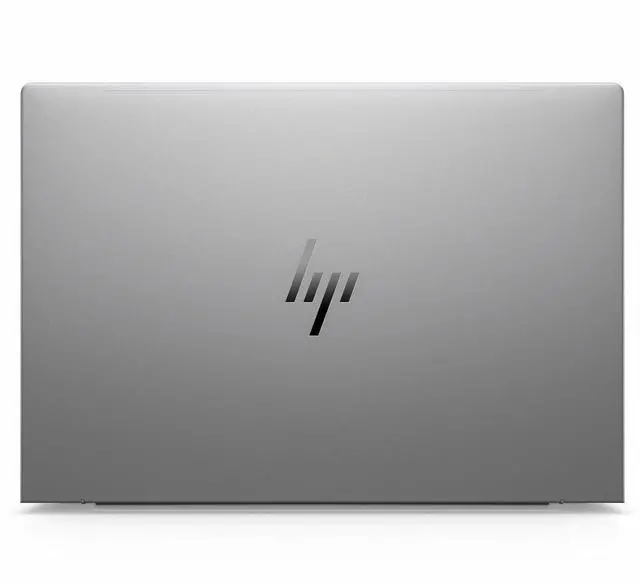
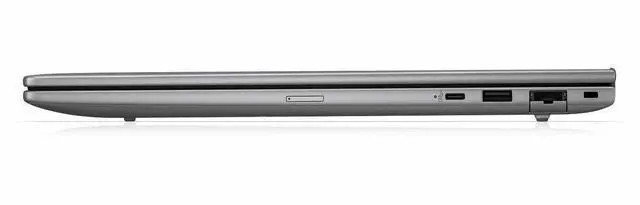
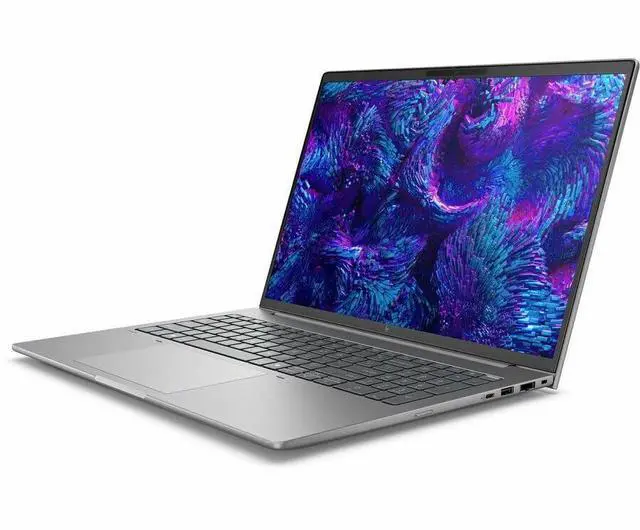
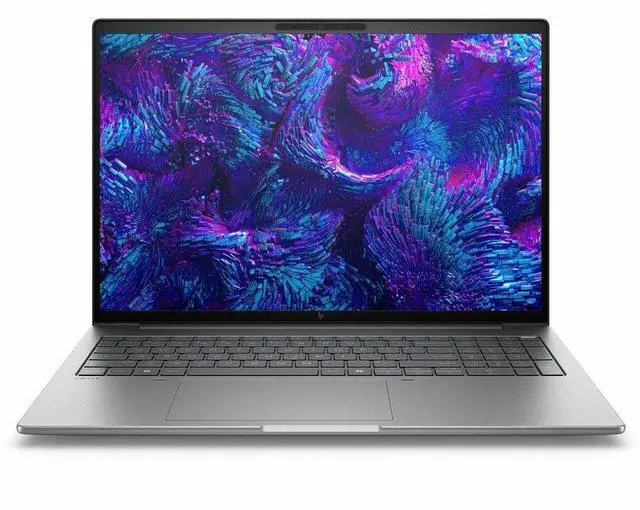

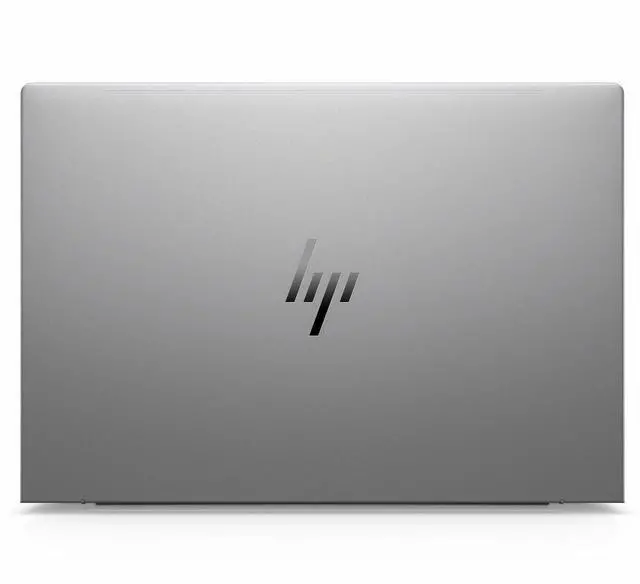
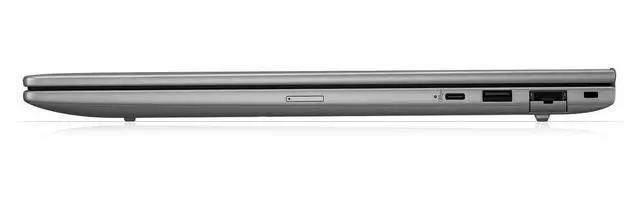


HP ZBook 8 G1i 16" Mobile Workstation - Intel Core Ultra 5 235U - vPro Technology - 16GB - 512GB SSD - Windows 11 Pro - Webcam - IEEE 802.11be Wireless LAN Standard BP7B0UT#ABA
- WUXGA
- Intel Core Ultra 5 235U
- vPro Technology
- 16 GB
- 512 GB SSD
- Meteor Silver
- Intel Chip
- 1920 x 1200
- Windows 11 Pro
- Intel
- Front Camera/Webcam
- IEEE 802.11be Wireless LAN Standard
+
+
Overview
Specs
Reviews
SBUY HP ZB8G1I16 U5 235U 16 16GB/512 PC INTEL U5 235U, 16 WUXGA AG LED UWVA, UMA
Warranty & Returns
Warranty, Returns, And Additional Information
Return Policies*
- Return for refund within: 30 days
- Returns are subject to restocking fees and return shipping fees. Please click here to learn more about restocking fees and return shipping fees.
- This item is covered by Newegg.com's International Order Return Policy.
- Read full return policy for details.
- *Subject to applicable law
Warranty Notice:
This product does not include manufacturer warranty when purchased or used outside of its designated sales region. By purchasing internationally, you acknowledge that warranty support from the manufacturer will not be available.
Manufacturer Contact Info
- Manufacturer Website
- Support Phone: 1-800-474-6836
- Support Website
- View other products from HP
LOADING...
LOADING...
Learn about this product
The HP ZBook 8 G1i is a 16-inch mobile workstation with an Intel Core Ultra 5 235U, 16GB RAM, and a 512GB SSD, suited for professionals and students who need a business-class Windows 11 Pro laptop for productivity, office workflows, remote collaboration, and everyday workstation tasks in a larger-screen format.
Recommended For
- IT-managed business users who want a 16-inch office/workstation laptop for spreadsheets, documentation, browser-heavy workflows, video calls, and standard corporate deployment. This config fits buyers who value Windows Pro and Intel vPro more than GPU-driven creation.
- Engineers, architects, or CAD users handling lighter 2D/entry 3D work who need workstation branding, business durability, and mobility, but are not relying on heavy rendering or large GPU-accelerated visual workloads.
- Mobile professionals who need a larger 16-inch screen for multitasking on the road but still want a relatively thin workstation-class machine for mixed productivity, meetings, and occasional technical app use.
- Buyers comparing premium business laptops and entry mobile workstations who mainly need serviceability, enterprise features, and upgrade headroom, rather than the fastest graphics performance in the class.
Real-World Use Scenarios
- Office-heavy work on the go: handling Outlook, large Excel files, many browser tabs, Teams meetings, and line-of-business apps should feel smooth, with the 16-inch 1920x1200 display giving more room for side-by-side work than a standard 1080p panel. This fits the way HP positions the ZBook 8 G1i as a business mobile workstation, and user discussions suggest the platform is comfortable for mixed productivity use rather than only desk-bound work.
- Hybrid work and travel: for consultants, IT staff, or managers moving between home, office, and client sites, this model is better suited to everyday mobile business use than to constant heavy rendering. Expect solid conferencing, document work, remote desktop sessions, and docking-based workflows, with vPro and Windows 11 Pro aligning with managed corporate environments.
- Light workstation tasks: opening CAD drawings, reviewing 2D plans, marking up technical documents, or working on lighter models is realistic, but this specific Core Ultra 5 235U configuration with integrated graphics is not the right fit for sustained 3D rendering, complex simulation, or GPU-heavy visualization. In practice, it works better as an entry mobile workstation for review and editing than as a replacement for higher-end RTX-based ZBooks.
- Coding, analytics, and technical multitasking: developers, analysts, and engineering staff can use it comfortably for IDEs, local scripting, SQL tools, spreadsheets, browser-based dashboards, and virtual meetings at the same time. The likely experience is responsive day-to-day workflow, but not the headroom you would want for large local AI models, frequent VM-heavy lab work, or compute-intensive media creation.
- Field review and client presentation work: if the goal is to carry one machine for presentations, on-site note-taking, browser-based tools, PDF plan review, and follow-up edits back at a hotel or office, this configuration makes sense. The outcome is convenience and professional manageability, but users needing color-critical creative work or high-end visual effects should look to stronger display and GPU options in the ZBook range.
Spec Summary
| Attribute | Value |
|---|---|
| Best For | Mobile workstation users who need a 16.0" 1920 x 1200 display with an Intel Core Ultra 5 235U CPU, 16 GB RAM, 512 GB M.2 SSD, and Windows 11 Pro |
| Display Spec | 16.0" LCD, native 1920 x 1200 (WUXGA) at 60 Hz, up to 300 nit brightness and ~62% sRGB color gamut |
| Processor And Core Count | Intel Core Ultra 5 235U (5th Gen) up to 4.9 GHz, 12 MB L3 cache |
| Memory Configuration | 16 GB DDR5 SODIMM installed, 2 SODIMM slots, supports up to 64 GB |
| Storage And Expansion | 512 GB M.2 solid-state drive (512 GB SSD, M.2 form factor and interface) |
| Ports And Connectivity | Includes 2 Thunderbolt ports, 1 HDMI port, 2 USB ports, USB Type-C and Ethernet support for wired peripherals |
| Wireless And Networking | Wi‑Fi 802.11be (next‑gen Wi‑Fi) and Bluetooth wireless connectivity |
| Graphics And Video | Integrated Intel graphics (video processor Intel) using DDR5 SDRAM |
| Battery And Power | Includes a built-in Lithium Polymer battery plus power adapter and power cord |
| Webcam And Privacy | Front-facing webcam included |
| Keyboard And Input | Full-size chiclet keyboard with touch pad |
| External Display And Docking Fit | Supports external displays via HDMI and Thunderbolt; compatible with external monitors and common USB/Thunderbolt accessories |
| Operating System And Security | Windows 11 Pro with Wolf Pro Security Edition and internet security software included; office productivity software not included |
| Model Identifiers | HP ZBook 8 G1i, Model BP7B0UT#ABA, manufacturer Hewlett Packard, Meteor Silver finish |
| Physical And Package | Item weight 5.95 Pounds; item dimensions 19.8 x 12.7 x 2.9 inches; package weight 8.2 Pounds; package quantity 1 |
Reference Q&A
Q: Should I choose this HP ZBook 8 G1i 16 or a higher-spec ZBook 8 G1i with an H-series chip?
A: Choose this Core Ultra 5 235U configuration when your work is centered on office apps, web-based business tools, remote management, and light professional workloads in a 16-inch workstation chassis. HP’s official specs show that U-series ZBook 8 G1i models use standard Intel integrated graphics, while H-series configurations step up to Intel Arc graphics and higher-performance processor options. That makes the H-series version the better fit for heavier multitasking, larger code builds, and more graphics-accelerated creative work, while this model is the more practical choice when battery life, lower heat, and everyday business use matter more than peak performance.
Q: Is this ZBook 8 G1i 16 better than a thin business laptop for work?
A: This ZBook 8 G1i 16 is the better choice if you want a business laptop with workstation branding, a larger 16-inch display, Windows 11 Pro, vPro support, and room to grow into more professional workflows. A thinner mainstream business laptop is usually the better fit if portability is your top priority and you do not need workstation positioning. In practice, this configuration makes the most sense for buyers who want a more durable, business-managed 16-inch system but do not need dedicated graphics.
Q: Should I buy this Core Ultra 5 235U model or pay more for a ZBook with discrete workstation graphics?
A: Buy this model if your work is mostly document-heavy, browser-heavy, collaboration-focused, or limited to lighter CAD viewing and general productivity. Pay more for a ZBook with discrete workstation graphics if your workflow depends on certified GPU acceleration, complex 3D modeling, rendering, simulation, or sustained visual compute workloads. HP positions the ZBook family with broader graphics tiers, and professional reviews of higher-end ZBook models consistently show that the meaningful jump for workstation buyers comes from moving to stronger graphics, not just from a small CPU upgrade.
Q: Is this a worthwhile upgrade from an older HP ZBook or Firefly-style mobile workstation?
A: It is a worthwhile upgrade if your older system is based on pre-Core Ultra Intel platforms and you want newer connectivity, Wi‑Fi 7 support, Windows 11 Pro, and current enterprise features without moving to a heavier high-power workstation. The upgrade is more incremental if your current laptop already handles your workload well and you mainly want raw GPU performance, because this specific configuration stays with integrated graphics. For buyers replacing an older office-oriented mobile workstation, this model is a sensible refresh; for buyers replacing a GPU-driven workstation, a higher-tier ZBook configuration is usually the more direct upgrade path.
Q: Is this HP ZBook 8 G1i a good fit for office work, meetings, and note-taking?
A: Yes. This configuration is well suited to business productivity tasks such as document work, web apps, video meetings, and multitasking. The main reasons are its 16-inch 1920 x 1200 display, 16GB memory, 512GB SSD, webcam, Windows 11 Pro, and integrated graphics. It is a stronger fit for professional office use than for graphics-heavy creative or engineering workloads.
Q: Is it worth buying as a travel work device?
A: It can work well for travel if your priority is a business-ready 16-inch laptop with webcam, Wi-Fi 7, and Windows 11 Pro. The trade-off is that this is still a mobile workstation, so buyers should expect less portability than a smaller 14-inch business laptop. It makes more sense for travelers who want a larger screen and workstation-class positioning than for people who want the lightest carry-everywhere notebook.
Q: Who is this configuration best suited for?
A: This model is best for business users who need a professional 16-inch laptop for spreadsheets, documentation, browser-based tools, meetings, and general project work. It is also a reasonable fit for IT-managed environments because it includes Windows 11 Pro and vPro. It is less suitable for buyers who specifically need dedicated GPU performance for CAD, 3D rendering, or heavier visual workloads.
Q: What are the main trade-offs versus a similar 16-inch consumer laptop?
A: The main advantage of this ZBook is business focus: Windows 11 Pro, vPro, workstation branding, and a professional 16-inch WUXGA setup. The main trade-off is graphics capability. Because this specific configuration uses integrated graphics, it is a better choice for office and managed-workplace use than for gaming or demanding GPU-driven creation. A consumer laptop at a similar size may offer more entertainment or graphics value, while this model is aimed more at professional reliability and deployment needs.
Q: Is this better than a ZBook configuration with dedicated graphics?
A: Not for GPU-heavy work. This Core Ultra 5 version is the better value if your workload is mostly office productivity, meetings, and standard business apps. A ZBook 8 G1i configuration with dedicated NVIDIA graphics is the better choice for buyers who expect sustained work in 3D, rendering, CAD, or other graphics-intensive software. In short: choose this model for general professional use, and choose the discrete-GPU version for heavier workstation tasks.
Q: Is this HP ZBook 8 G1i configuration a good fit for office work, coding, and general business use?
A: Yes, for office work, web apps, meetings, coding, and general business use, this configuration is a sensible fit. Its Core Ultra 5 U-series processor, 16GB RAM, 512GB SSD, 16-inch 1920x1200 display, and Windows 11 Pro match the needs most business users discuss when comparing ZBook 8 systems. The main trade-off is graphics power: this unit uses integrated graphics, so it is better for productivity and light creation work than for GPU-heavy 3D, CAD, or rendering workloads.
Q: Who should buy this ZBook 8 G1i, and who should skip it?
A: This model is best for business users who want a 16-inch workstation-style laptop for productivity, multitasking, remote meetings, and professional Windows use without paying for higher-end graphics. It is a weaker fit for buyers who need dedicated GPU performance, large local storage, or higher memory headroom out of the box, because this specific configuration has integrated graphics, 16GB RAM, and a 512GB SSD.
Q: Is it worth buying if I want a work laptop that can also replace a heavier workstation?
A: It depends on your workload. It is worth considering if your 'workstation' use mostly means large spreadsheets, many browser tabs, coding, meetings, and standard business apps, because this model keeps the professional ZBook positioning without the cost, heat, and power draw of a dedicated GPU setup. It is not a full replacement for a heavier mobile workstation if your work depends on sustained 3D, CAD, simulation, or rendering performance.
Q: What are the main trade-offs of this specific configuration?
A: The main trade-offs are performance headroom and display tier. This unit gives you a large 16-inch 1920x1200 screen, modern wireless support, webcam, and business OS, but it stays in the lower-power part of the ZBook range with a Core Ultra 5 U-series chip and integrated graphics. Compared with higher-spec ZBook 8 variants discussed by users, you give up stronger GPU options, more RAM, more storage, and potentially better battery configurations in exchange for lower cost and a simpler business-focused setup.
Q: Is this a good choice if I care a lot about quiet operation and cool temperatures?
A: Only partly. Community discussion around the ZBook 8 line suggests it is generally usable for normal office work, but not the best choice if very low fan noise is your top priority. For this lower-power integrated-graphics configuration, thermals should be easier to manage than on higher-end workstation variants, but buyers who are especially sensitive to fan activity should still treat quietness as a trade-off rather than a strength.