




 here!
I’m your shopping assistant for PC builds, upgrades, and everything tech.
Got questions? Ask away!
Start a conversation
here!
I’m your shopping assistant for PC builds, upgrades, and everything tech.
Got questions? Ask away!
Start a conversation



Any questions? Ask CelesteSM will help you find out quickly.


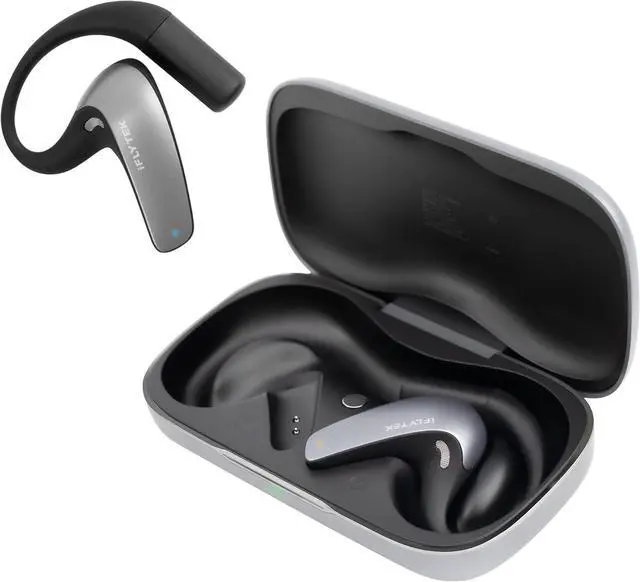
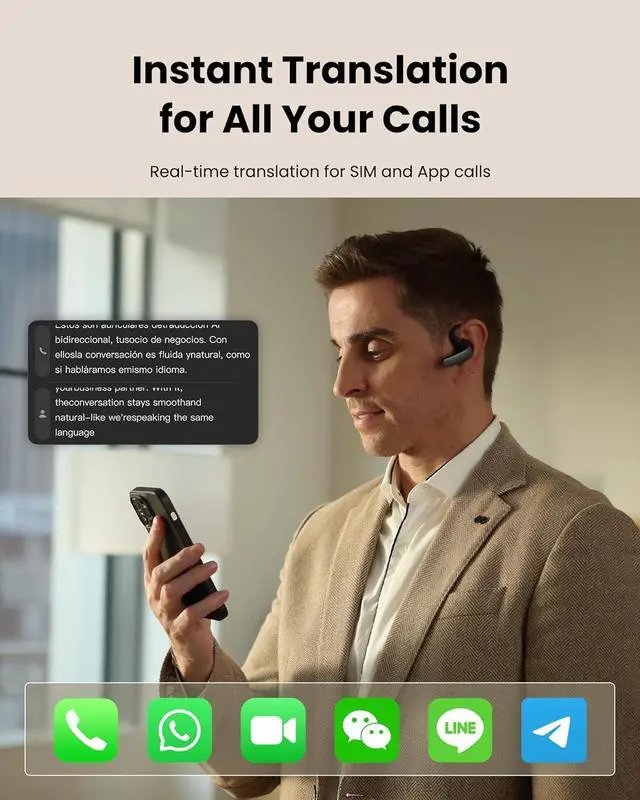
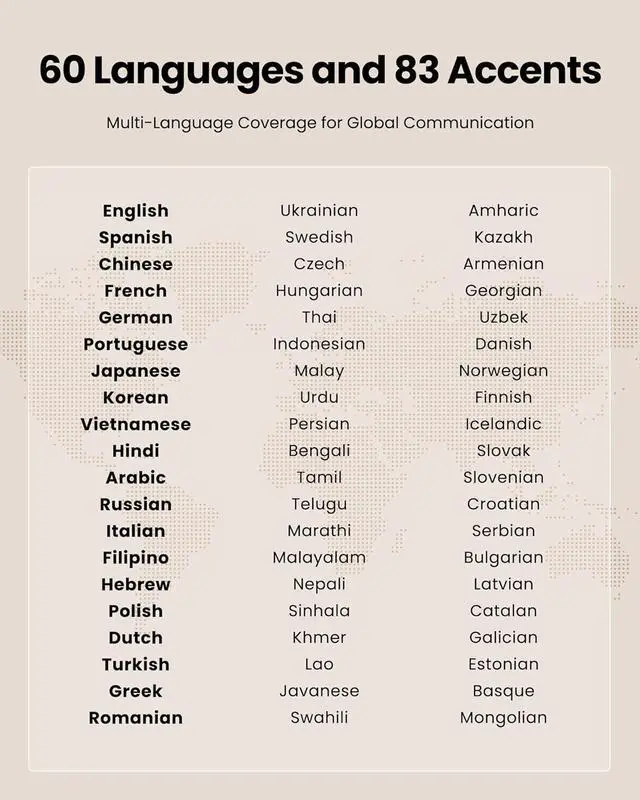
The iFLYTEK AI Translation Earbuds are Bluetooth bone-conduction earbuds built for real-time translation in 60 languages, making them a strong fit for travelers, international business users, and multilingual meetings that need portable voice translation plus everyday listening.
Q: Should I buy the iFLYTEK AI Translation Earbuds or the Timekettle W4 Pro for multilingual work calls and virtual meetings?
A: Choose the iFLYTEK AI Translation Earbuds if your priority is one device for face-to-face translation, meeting assist, and broad language coverage with bone-conduction voice pickup. Choose the Timekettle W4 Pro if your main need is phone-call and virtual-meeting translation, because Timekettle positions the W4 Pro specifically around bi-directional call translation, meeting platform support, media translation, and AI meeting summaries. In short: iFLYTEK is the stronger fit for users centered on in-person multilingual communication, while W4 Pro is the better fit for remote communication workflows.
Q: Is the iFLYTEK AI Translation Earbuds a better choice than the Timekettle WT2 Edge for face-to-face conversations?
A: For one-on-one conversations, both products target hands-free real-time translation, so the decision comes down to feature emphasis. Choose iFLYTEK if you want broader official language coverage and a newer model with business-call and meeting scenarios built into its positioning. Choose the WT2 Edge if you want a product with longer market history and a simpler focus on two-way simultaneous in-person translation. A practical summary is that iFLYTEK is the better pick for users who want translation plus meeting and call flexibility, while WT2 Edge is the better pick for buyers who mainly want dedicated in-person conversation translation.
Q: Should I get the iFLYTEK AI Translation Earbuds or just use smartphone translation with regular earbuds?
A: Choose the iFLYTEK AI Translation Earbuds if you want a translation-first device with dedicated modes for face-to-face conversations, meetings, and calls, and if reducing app switching matters to you. Choose smartphone translation with regular earbuds if you mainly need occasional translation and are comfortable piecing together multiple apps. Real-world testing suggests the iFLYTEK approach is more convenient as a single-purpose workflow, while phones remain the more flexible and lower-commitment option for lighter use.
Q: Is this model worth choosing over older or simpler translation earbuds?
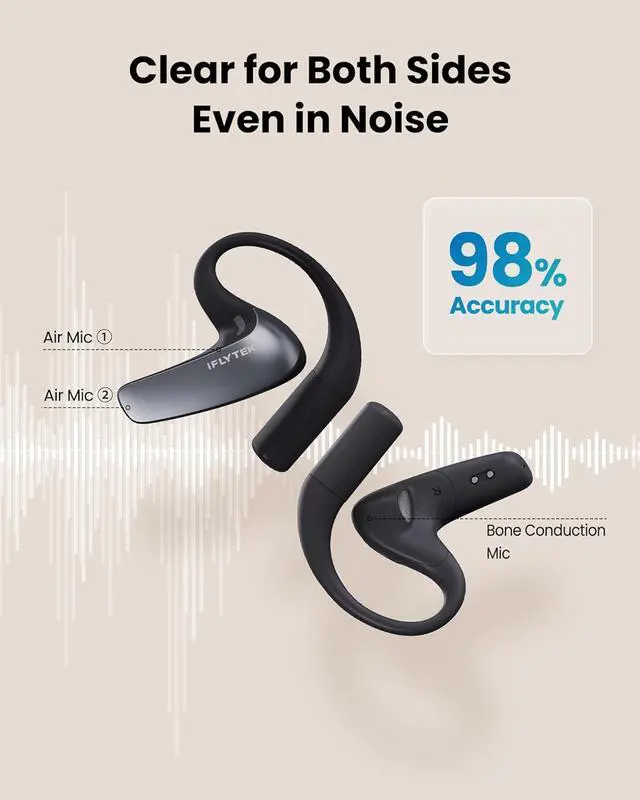
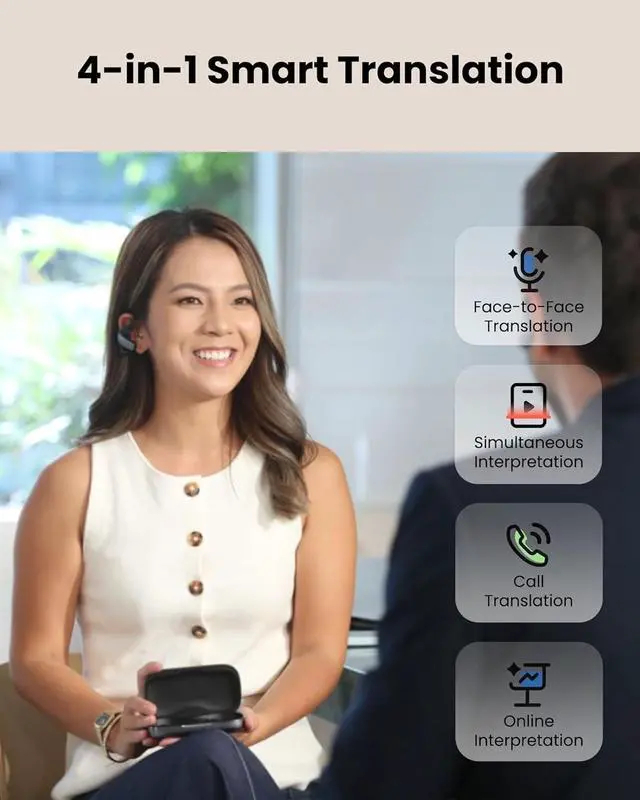
A: Yes, if you specifically want a newer translation-earbud model built around business and travel use rather than basic one-mode translation. The iFLYTEK AI Translation Earbuds combine simultaneous interpretation, face-to-face translation, meeting support, online interpretation, ANC, and bone-conduction voice capture in one product. An older or simpler translation earbud may still be the better fit if your priority is only occasional two-person translation and you do not need meeting or call-oriented features.
Q: Is this a good buy for travel and face-to-face conversations?
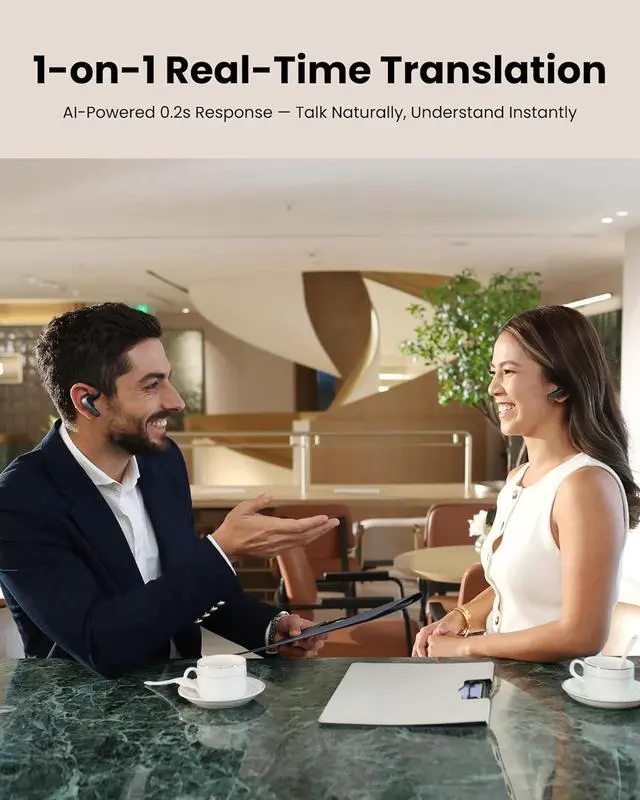
A: Yes, if your main use is live travel conversation or short business exchanges. The product is built around real-time face-to-face translation, supports 60 languages, and adds noise cancellation to help in busy places. The main trade-off is that translation earbuds like this usually depend on a phone app workflow, so they are better for guided conversations than for completely invisible, stand-alone use.
Q: Is it good for meetings, calls, and office work?
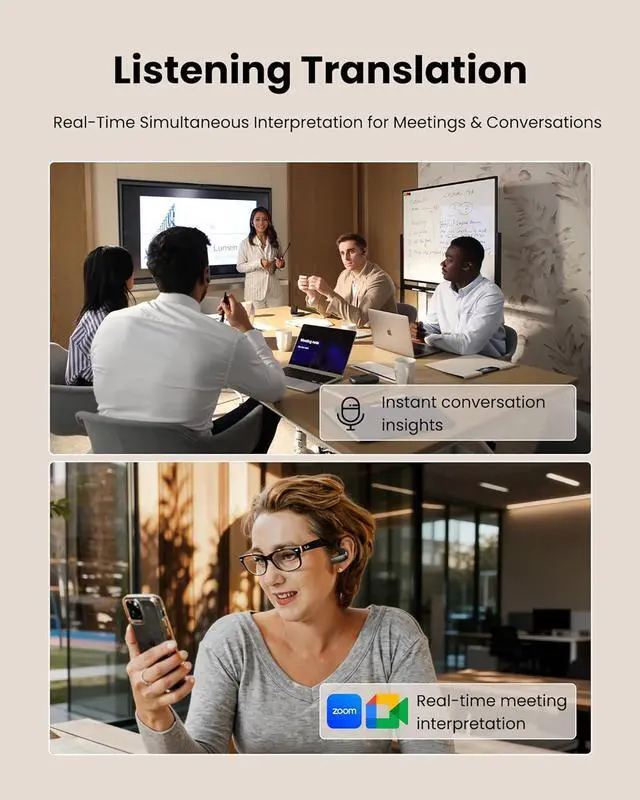
A: It is suitable for multilingual meetings and calls if you need translation more than premium headset simplicity. The product claims meeting translation, online simultaneous interpretation, and call translation across business scenarios, which makes it more work-focused than normal earbuds. The trade-off is that translation features in comparable products are typically app-based and phone-dependent, so it is best for smartphone-centered workflows rather than PC-only office setups.
Q: Who is this most suitable for?
A: This is most suitable for travelers, bilingual professionals, international sales teams, and users who regularly speak with people in different languages. It makes more sense for someone who needs live translation in conversations, calls, or meetings than for someone who only wants everyday music earbuds. If translation is only an occasional extra, a mainstream earbud with phone-based interpreter features may be the simpler option.
Q: What are the trade-offs versus regular premium earbuds with translation features?
A: The advantage of this iFLYTEK model is that translation is the core product purpose, with features aimed at face-to-face discussion, calls, and meetings. Regular premium earbuds from large brands may offer translation through a phone assistant or interpreter app, but translation is usually a secondary feature. The trade-off is that mainstream earbuds often have broader ecosystem support and simpler everyday use, while a dedicated translation earbud is the better fit if cross-language communication is your main buying reason.
Q: Do translation earbuds like this usually need a phone app or subscription?
A: You should assume a phone app is part of the experience. Comparable retail Q&A pages repeatedly describe translation features as app-based and smartphone-driven, and some models also require language downloads or feature setup in the app. A subscription is not always required, but that varies by brand, so buyers should confirm the app model and any ongoing costs before purchase.
Q: Are these translation earbuds a good fit for business meetings and calls?
A: They are better suited to multilingual conversations, calls, and meeting support than to pure music listening. The product is built around call translation, face-to-face translation, meeting translation, and simultaneous interpretation, so it makes the most sense for users who regularly need live language help in work settings. The main trade-off is that translation earbuds are still specialized devices, so buyers comparing them with standard premium earbuds should prioritize translation workflow over audio-first performance.
Q: Are they worth buying for travel?
A: They can make sense for travel if your main goal is smoother live conversation with people nearby, especially in repeated one-on-one situations. They are less compelling if you only need occasional translation, because a phone app may be enough at lower cost and with less setup. These earbuds are most suitable for frequent travelers who want hands-free translation rather than a general-purpose audio device.
Q: Can these replace a phone translation app?
A: Not completely. They are a stronger option when you want hands-free, real-time conversation support during calls, meetings, or face-to-face exchanges. A phone app is still the simpler choice for occasional use, quick lookups, or buyers who do not need a dedicated wearable. In short: these earbuds are a workflow upgrade, not a universal replacement for translation apps.
Q: Who are these earbuds most suitable for?
A: They are most suitable for users who regularly deal with live multilingual communication: international business users, frequent travelers, and people who need translation during calls or meetings. They are less suitable for buyers who mainly want earbuds for music, exercise, or casual everyday audio, because the core value here is translation and speech support rather than mainstream earbud convenience.
Q: What are the main trade-offs before buying?
A: The main trade-offs are cost, specialization, and real-world translation limits. These earbuds offer broad language support and noise-control features, but they are still a dedicated translation product, so value depends on how often you actually use live translation. Community discussion also shows that buyers of translator devices often worry about accuracy with slang, accents, or long speech, so they are best viewed as practical communication aids rather than perfect substitutes for a human interpreter.


