
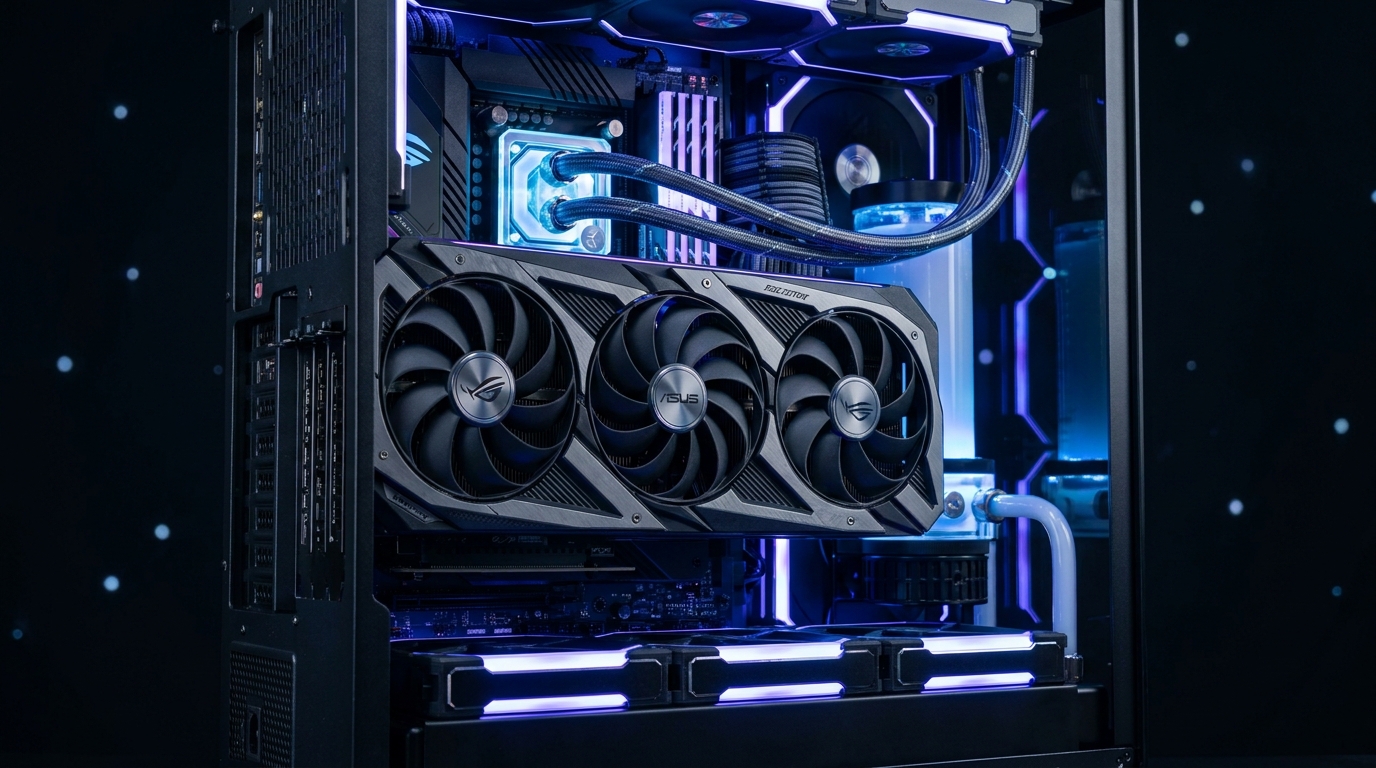
Shopping for a new graphics card in 2026 has never been more interesting. The sub-$600 segment is now where the real value lives, packed with capable cards from NVIDIA, AMD, and Intel that handle high-refresh 1440p gaming and even dip into 4K with modern upscaling. Whether you are building a fresh rig or upgrading an aging GPU, this guide breaks down the best graphics cards under $600 and helps you match the right card to your budget and resolution.
Below we cover why this price bracket matters, the specs that actually move the needle, a side-by-side comparison table, and detailed picks for every type of buyer. You can browse the full selection any time on the Newegg graphics card category page.
Why the Under-$600 GPU Class Matters
The flagship cards grab the headlines, but the under-$600 tier is where most gamers actually buy. This is the sweet spot for 1440p gaming, the resolution that has become the mainstream standard for new monitors. Cards in this range pair high frame rates with features like DLSS 4, FSR, and frame generation, letting you push demanding titles without a four-figure GPU bill.
This price class also benefits from a genuine three-way race. NVIDIA’s Blackwell-based RTX 50 series, AMD’s RDNA 4 Radeon RX 9000 lineup, and Intel’s Battlemage Arc B-series all compete directly here, which keeps prices honest and feature sets rich. For buyers, that means more performance per dollar than the last generation offered.
What to Look For in a Sub-$600 Graphics Card
VRAM: Memory capacity is critical in 2026. For 1440p with high textures and future-proofing, aim for 16GB where possible. The 12GB cards remain capable but can feel tight in the most VRAM-hungry titles at higher settings.
Core count and architecture: CUDA cores (NVIDIA), stream processors (AMD), and Xe cores (Intel) are not directly comparable across brands, but within a lineup more cores generally means more performance. Pay attention to the architecture generation as well, since newer designs deliver better efficiency and feature support.
TDP and power supply: Cards in this range run from roughly 160W to 300W. Check that your power supply has the headroom and the right connectors before you buy.
Upscaling and frame generation: DLSS 4 on NVIDIA, FSR on AMD, and XeSS on Intel can dramatically lift frame rates. The quality and game support of these technologies should factor into your decision.
Comparison Table: Best GPUs Under $600 in 2026
| Graphics Card | Cores / Stream Processors | VRAM | TDP | Approx. MSRP |
|---|---|---|---|---|
| NVIDIA GeForce RTX 5070 | 6,144 CUDA cores | 12GB GDDR7 | 250W | $549 (often higher; available on Newegg) |
| AMD Radeon RX 9070 | 3,584 stream processors | 16GB GDDR6 | 220W | $549 |
| NVIDIA GeForce RTX 5060 Ti (16GB) | 4,608 CUDA cores | 16GB GDDR7 | 180W | $429 (street prices higher; available on Newegg) |
| AMD Radeon RX 9060 XT (16GB) | 2,048 stream processors | 16GB GDDR6 | 160W | $349 |
| Intel Arc B580 | 20 Xe cores | 12GB GDDR6 | 190W | $249 |
Detailed Picks
Best overall 1440p card: NVIDIA GeForce RTX 5070. With 6,144 CUDA cores, 12GB of fast GDDR7 memory, and a 250W TDP, the RTX 5070 is the strongest all-rounder you can land near $549. Its Blackwell architecture brings 5th-gen Tensor cores and full DLSS 4 support, including multi-frame generation, which makes high-refresh 1440p effortless and entry-level 4K very playable. Street pricing has run above MSRP, so shop carefully.
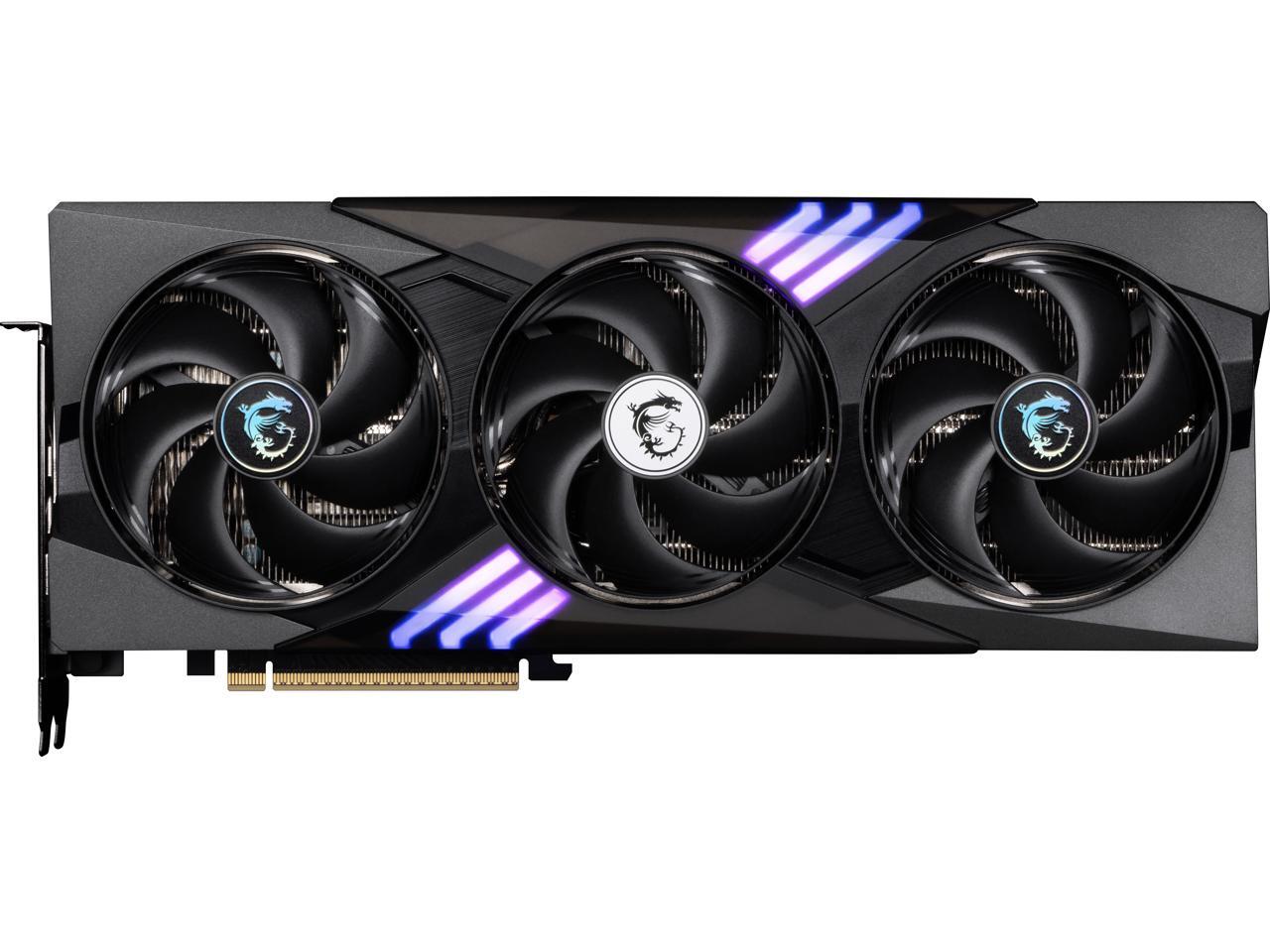
Best value all-rounder: AMD Radeon RX 9070. AMD’s RDNA 4 card matches the RTX 5070’s $549 target but adds 16GB of GDDR6 memory and a lower 220W TDP. With 3,584 stream processors and strong raster performance, it is an excellent choice for gamers who want more VRAM headroom and slightly lower power draw. FSR and frame generation keep it competitive in supported titles.
Best balance of price and VRAM: NVIDIA GeForce RTX 5060 Ti 16GB. At a $429 MSRP, the 16GB RTX 5060 Ti is a smart 1440p card that pairs 4,608 CUDA cores with a generous 16GB of GDDR7 and a remarkably efficient 180W TDP. The large frame buffer makes it more future-proof than its core count alone suggests, and it benefits from the full DLSS 4 feature set.
Best budget 1440p card: AMD Radeon RX 9060 XT 16GB. For around $349, this RDNA 4 card delivers 16GB of memory and a frugal 160W TDP, making it ideal for compact builds and value-focused gamers. It is the easiest recommendation for anyone who wants solid 1440p performance and plenty of VRAM without stretching the budget.
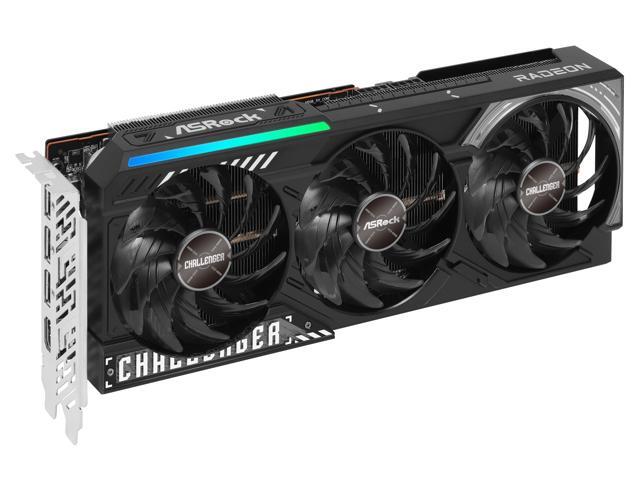
Best entry-level pick: Intel Arc B580. Intel’s Battlemage card stands out at roughly $249 with 12GB of VRAM and 20 Xe cores. It is the most affordable way into capable 1080p and entry 1440p gaming in this guide, and XeSS upscaling continues to mature. For first-time builders on a tight budget, it is a compelling option. Note that Intel’s higher-end Arc B770 is expected to expand the lineup with 16GB of VRAM and a 300W TDP.
Final Verdict
The best graphics card under $600 for you depends on your priorities. For the strongest all-round 1440p experience and the best upscaling, the RTX 5070 leads. If you want more VRAM and lower power at the same price, the RX 9070 is the value champion. Budget-minded buyers should look hard at the RTX 5060 Ti 16GB and the RX 9060 XT 16GB, while the Intel Arc B580 anchors the entry level. Whichever you choose, compare current pricing and availability on the Newegg graphics card category page before you buy.
Related Posts
- DLSS 4, FSR 4, and the AI GPU Revolution: How Neural Rendering Is Transforming PC Gaming in 2026
- The 2026 GPU Battlefield: NVIDIA RTX 50 Series vs AMD RDNA 4 Across Every Price Tier
- Intel Unveils Arc PRO Graphics Drivers
- Best Power Supplies in 2026
- Best Gaming Laptops in 2026
Frequently Asked Questions
Common questions about choosing the best graphics card under $600 in 2026.