
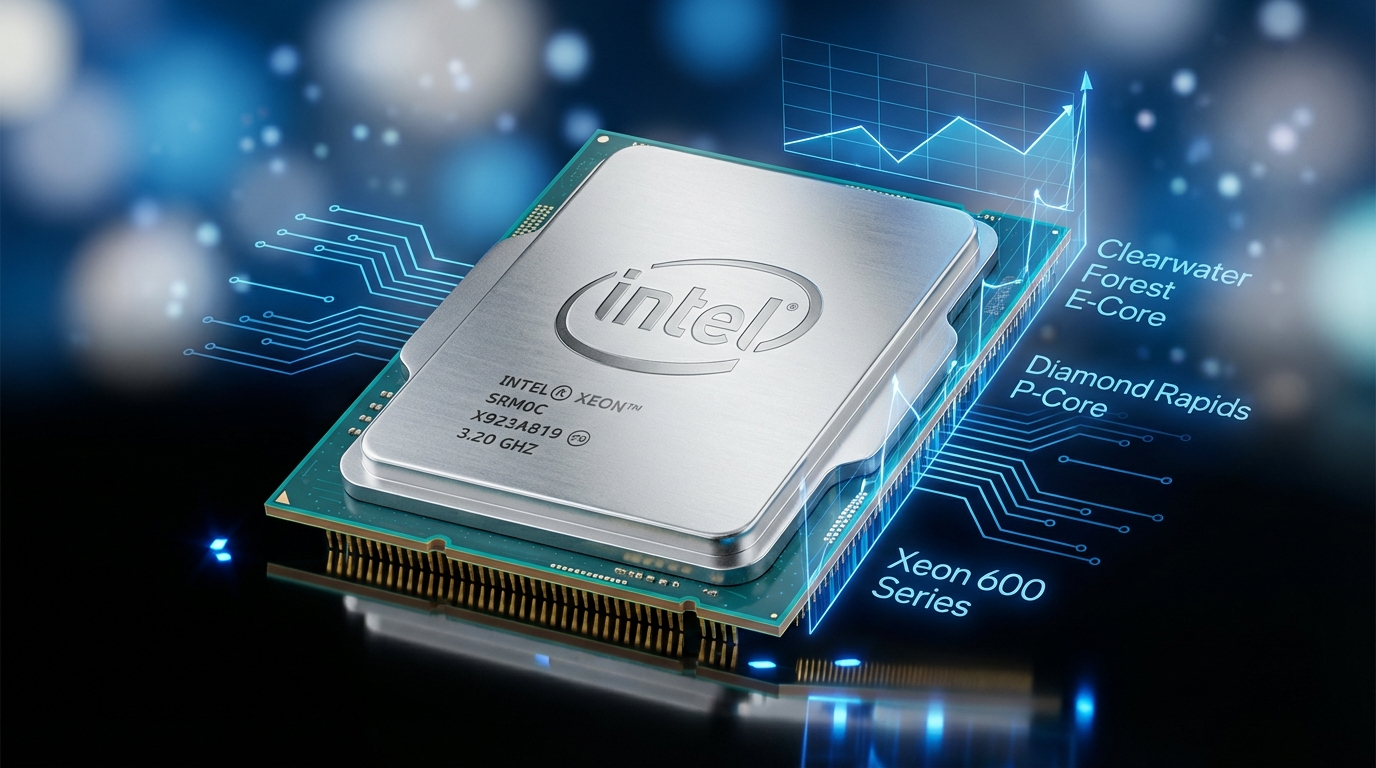
The enterprise computing landscape is set for a major transformation in 2026 as Intel unveils an ambitious server processor roadmap. With two groundbreaking CPU families—Clearwater Forest and Diamond Rapids—alongside the innovative Intel Xeon 600 Series for workstations, Intel is positioning itself to meet the evolving demands of data centers, cloud computing, and high-performance workstation environments. Understanding these developments is crucial for IT decision-makers, system builders, and technology enthusiasts planning their next infrastructure investments.
Clearwater Forest: Efficiency-Core Architecture for Scale
Scheduled for release in the first half of 2026, Clearwater Forest represents Intel’s strategic pivot toward efficiency-optimized server processors. Built entirely on E-cores (efficiency cores), this processor family is designed to maximize performance-per-watt—a critical metric for modern data centers grappling with escalating energy costs and sustainability goals.
Clearwater Forest processors leverage Intel’s advanced manufacturing process and refined E-core architecture to deliver exceptional multi-threaded performance. These chips excel in workloads that benefit from high core counts, such as microservices, containerized applications, and cloud-native deployments. The E-core design allows Intel to pack more cores into a single package while maintaining competitive power envelopes, making these processors ideal for hyperscale environments.
For organizations considering server upgrades, exploring Server & Workstation Systems equipped with next-generation processors can provide a comprehensive view of available configurations. The emphasis on efficiency doesn’t compromise performance—Clearwater Forest promises substantial improvements in throughput for parallelizable workloads compared to previous generations.
 Diamond Rapids: Performance-Core Powerhouse
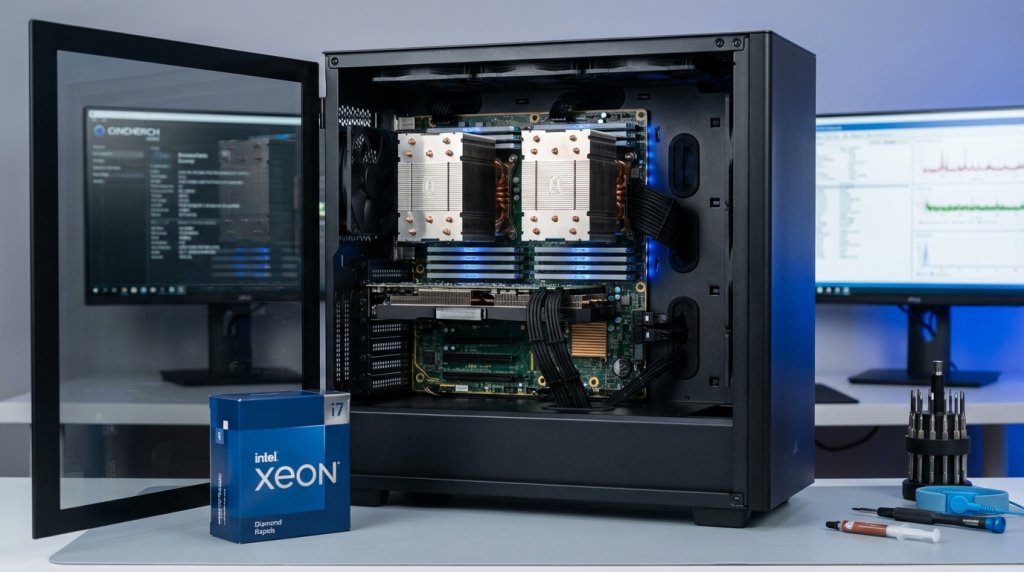
Later in 2026, Intel will launch Diamond Rapids, a server CPU family built on P-cores (performance cores). This processor line targets workloads requiring maximum single-threaded performance and raw computational power. Diamond Rapids continues Intel’s tradition of delivering high-frequency, high-performance processors for demanding enterprise applications.
The P-core architecture in Diamond Rapids is optimized for complex computational tasks including database management, enterprise resource planning (ERP) systems, high-frequency trading platforms, and traditional virtualization environments. These processors are expected to feature advanced cache hierarchies, enhanced memory subsystems, and improved AI acceleration capabilities.
When comparing server processors, the Intel Xeon Series Server category offers insights into Intel’s comprehensive processor ecosystem. Diamond Rapids will join this distinguished lineup, providing customers with options tailored to specific workload requirements.
The distinction between Clearwater Forest and Diamond Rapids reflects Intel’s recognition that modern data centers run diverse workloads requiring different optimization strategies. This dual-track approach allows customers to select processors aligned with their specific performance, efficiency, and budgetary priorities.
Intel Xeon 600 Series: Workstation-Class Computing
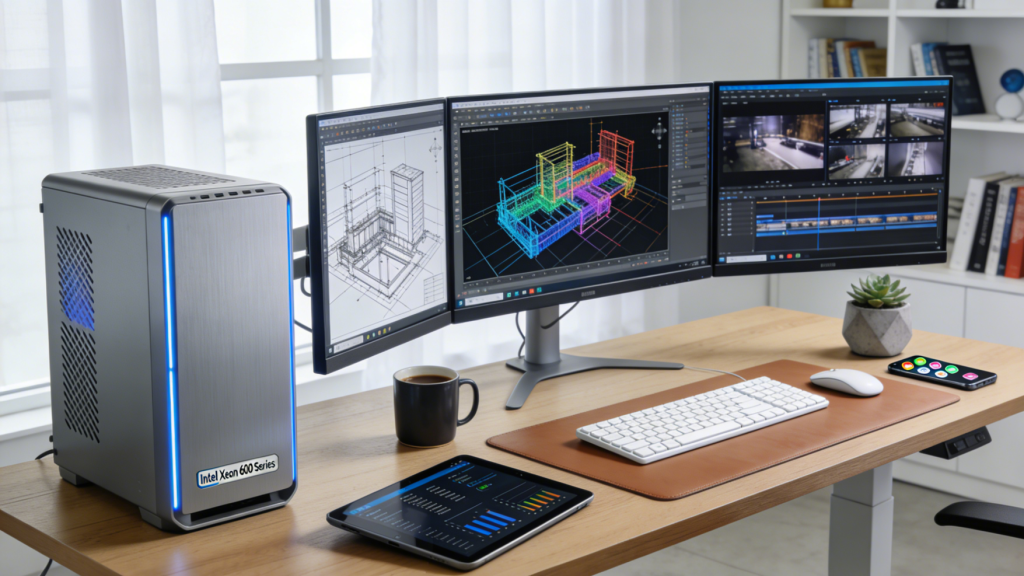
Complementing the server-focused launches, Intel’s Xeon 600 Series targets professional workstation users who demand server-grade reliability with desktop-level accessibility. This processor family bridges the gap between consumer CPUs and full-scale server processors, making it ideal for content creators, engineers, researchers, and professionals running demanding applications.
The Xeon 600 Series is expected to feature unlocked multipliers, support for ECC memory, and enhanced I/O capabilities—characteristics that distinguish workstation processors from their consumer counterparts. These chips will excel in applications like 3D rendering, video editing, scientific simulations, and software development environments.
For those building or upgrading workstation systems, browsing Server CPU options alongside Desktop CPU selections helps identify the optimal processor for specific use cases. The Xeon 600 Series occupies a unique position, offering server-class features without requiring full server infrastructure.
 Building the Complete System
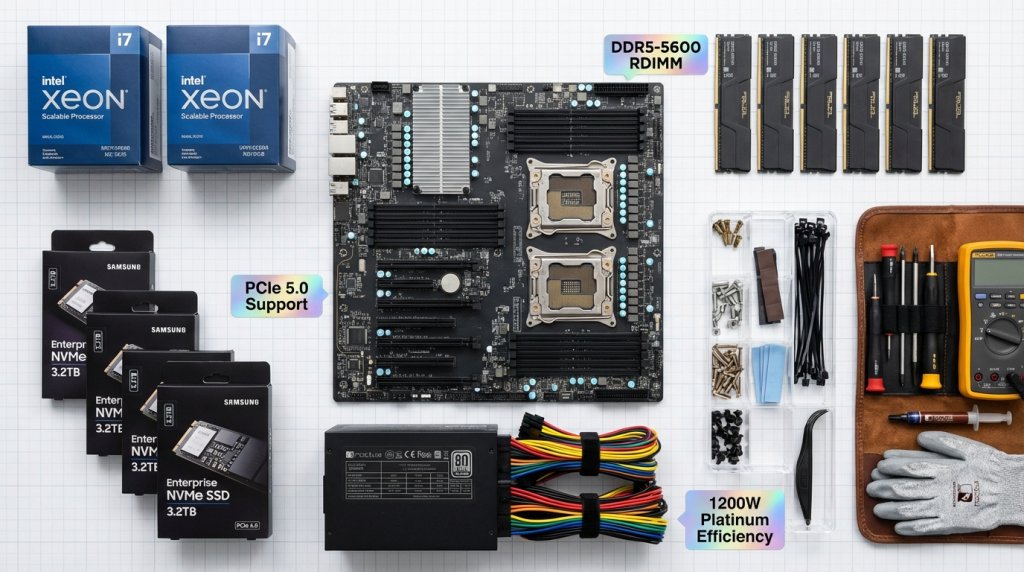
Selecting the right processor is only the first step in building a robust server or workstation system. Intel’s 2026 processor releases will require compatible platforms featuring updated chipsets, expanded memory support, and enhanced connectivity options.
Server Motherboards designed for Clearwater Forest and Diamond Rapids will likely feature new socket designs, support for DDR5 memory with higher speeds, and PCIe 5.0 or even PCIe 6.0 connectivity. These platforms will be engineered to extract maximum performance from the new processors while providing the reliability and management features enterprise customers demand.
Memory configuration is equally critical. Both Clearwater Forest and Diamond Rapids are expected to support high-capacity memory configurations essential for data-intensive applications. Exploring Server Memory options that meet the specifications of these new platforms ensures systems can fully leverage processor capabilities without bottlenecks.
Thermal management considerations are particularly important with high-core-count processors. Quality Server Chassis with optimized airflow designs become essential for maintaining stable operation under sustained workloads. Proper cooling infrastructure protects investments and ensures consistent performance.
Storage and I/O Considerations
Modern server workloads increasingly depend on fast storage subsystems. The combination of Intel’s 2026 processors with Enterprise SSDs creates balanced systems where neither compute nor storage becomes the limiting factor. NVMe drives leveraging PCIe 5.0 interfaces can deliver unprecedented bandwidth, perfectly complementing the processing capabilities of Clearwater Forest and Diamond Rapids.
The enhanced I/O capabilities of these processors enable configurations with multiple high-speed storage devices, network adapters, and accelerators. This flexibility allows system architects to design purpose-built solutions optimized for specific workload characteristics.
 Market Implications and Competitive Landscape
Intel’s 2026 roadmap signals a comprehensive strategy to address diverse market segments with purpose-built solutions. The E-core and P-core split acknowledges that one-size-fits-all approaches no longer serve the heterogeneous computing environments prevalent in modern enterprises.
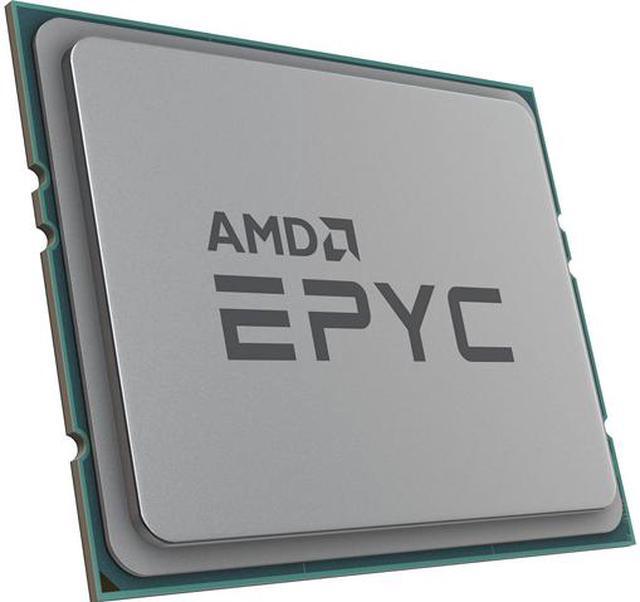
This strategy also responds to competitive pressures from AMD’s EPYC processors and ARM-based server chips. By offering specialized solutions optimized for different workload types, Intel aims to provide compelling value propositions across the performance, efficiency, and total-cost-of-ownership spectrums.
Planning Your Server Upgrade
For organizations planning infrastructure upgrades, Intel’s 2026 releases present both opportunities and considerations. Early adopters can gain competitive advantages through improved performance and efficiency, while more conservative approaches might favor waiting for mature platforms with proven stability.
The Server System Configurator tool can help visualize complete system configurations, ensuring all components work together harmoniously. This planning resource allows exploration of different processor options, memory configurations, storage solutions, and expansion capabilities before committing to purchases.
 Conclusion: A Transformative Year for Server Computing
Intel’s 2026 server CPU launches represent more than incremental improvements—they signal a strategic evolution in processor design philosophy. Clearwater Forest’s efficiency focus addresses the sustainability and operational cost challenges facing hyperscale operators. Diamond Rapids maintains Intel’s performance leadership for demanding traditional workloads. The Xeon 600 Series extends server-class capabilities to workstation users.
As these processors reach market, they will enable new application possibilities, improved total cost of ownership, and enhanced performance across diverse computing environments. Whether you’re managing a data center, building a workstation, or planning future infrastructure investments, Intel’s 2026 server CPU roadmap offers compelling options worthy of serious consideration.