If you’ve been watching the rapid rise of generative AI, you’ve likely noticed a gap forming between what models can do and where most people can realistically run them. Cloud GPUs are powerful, but they come with ongoing costs, data-governance questions, networking bottlenecks, and sometimes unpredictable availability. On the other end, a typical desktop GPU can be great for experimentation, but quickly hits limits when you need higher throughput, larger models, multi-user access, or reliable “always-on” workflows.
That’s where the idea behind DGX Spark-style systems becomes compelling: bring server-class AI capability into a form factor and price envelope that’s easier for individuals and small teams to adopt—without giving up the key ingredients that make AI compute feel “serious”: fast GPU acceleration, ample memory, high-speed storage, and a platform that can support real development and deployment.
This article breaks down what “Server DGX Spark” means in practical terms, who it’s for, and how to choose the right configuration—whether you’re a curious creator, an engineering team, or a business buyer trying to future-proof an AI stack.
What is “Server DGX Spark” in plain language?
Think of Server DGX Spark as a category: compact, workstation-like systems designed to deliver GPU-first compute for AI workloads, but built to behave more like a small server than a gaming PC.
In day-to-day use, that usually means:
- Persistent availability: It’s meant to sit on your network and be reachable for inference, fine-tuning, testing, or automation—like an internal service.
- AI-ready hardware balance: Strong GPU acceleration paired with enough CPU, RAM, and SSD bandwidth to keep the GPU fed.
- Developer-friendly workflows: Containers, CUDA toolchains, model-serving stacks, and MLOps patterns (even if you’re not running a full-blown data center).
- Predictable costs: You buy the box once, then control utilization and data locality on your terms.
In short: a “Spark” system aims to deliver the feel of DGX-style productivity—fast iteration, local data, fewer cloud frictions—at a scale that fits a desk, lab, office, or small rack.
Why buyers are interested now: the workload shift
For many organizations, the real demand is no longer “train a trillion-parameter model from scratch.” Instead, it’s a mixed workload:
- Local inference for chat assistants, search, summarization, transcription, and customer-support automation
- Private RAG (retrieval-augmented generation) over internal documents
- Fine-tuning and adapters (LoRA/QLoRA) to specialize models for internal use
- Multimodal experiments (text + image, document parsing, vision QA)
- Edge and near-edge deployment where latency or privacy matters
These workloads benefit enormously from a reliable local GPU server—especially when the data is sensitive or the usage is steady enough that cloud costs add up.
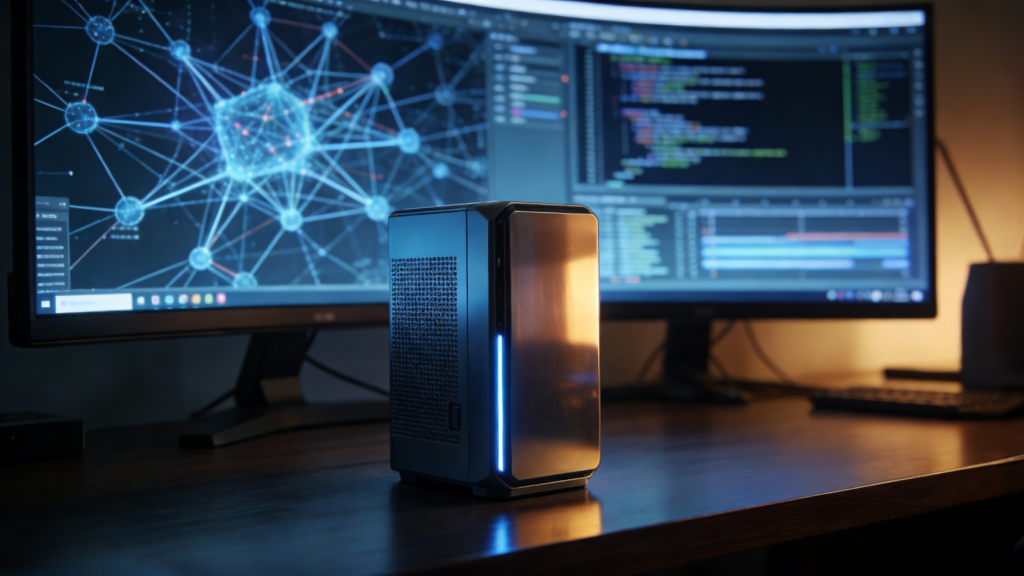
Core components that matter (and why)
When evaluating DGX Spark-like systems, these are the buyer-critical specs:
GPU capability (the headline)
The GPU determines what models you can run comfortably, how many users you can serve at once, and how fast you can fine-tune. In practical buyer terms, you’re thinking about:
- Latency (how fast responses return)
- Throughput (requests per second / tokens per second)
- Model headroom (can you run the model size you want with your context length?)
System memory and storage (the silent bottlenecks)
AI workloads can be surprisingly storage-heavy (datasets, embeddings, checkpoints, vector indexes). Fast NVMe storage helps with:
- loading models quickly
- caching and swapping model shards
- building and querying vector databases
- faster iteration for developers
Networking and “server-ness”
If multiple people or services will use the box, stable networking and remote manageability matter. Even in a small office, a Spark system often becomes shared infrastructure: a lightweight internal AI platform.
Who should consider a Server DGX Spark system?
1) Small teams who need a shared AI box
If you have a few engineers, analysts, or researchers frequently running models, a compact AI server can pay off quickly. It reduces friction (“just run it here”), and helps standardize environments.
2) Organizations with privacy constraints
Legal, healthcare-adjacent workflows, HR documents, internal roadmaps—many teams want AI help without sending proprietary data to third-party endpoints. A local Spark setup makes private RAG and controlled inference far easier.
3) Creators and prosumers who want faster iteration
If you’re building content pipelines, automations, or tools that call models constantly, local compute avoids per-call costs and rate limits. You also gain the freedom to experiment with different runtimes and model variants.
4) Businesses planning for “AI everywhere”
Many companies are moving toward AI features embedded in internal apps. A Spark system can act as a staging ground: build, measure, secure, and then decide whether to keep local, hybridize, or shift to cloud later.
How to choose: practical buying scenarios
Below are common decision frames (not brand-specific) that map to real needs:
Scenario A: “I want a dependable local inference server”
Look for a stable platform, good thermals, and enough GPU headroom to serve multiple workloads. If you’re deploying chat + RAG internally, you’ll also want high SSD capacity for embeddings and document stores.
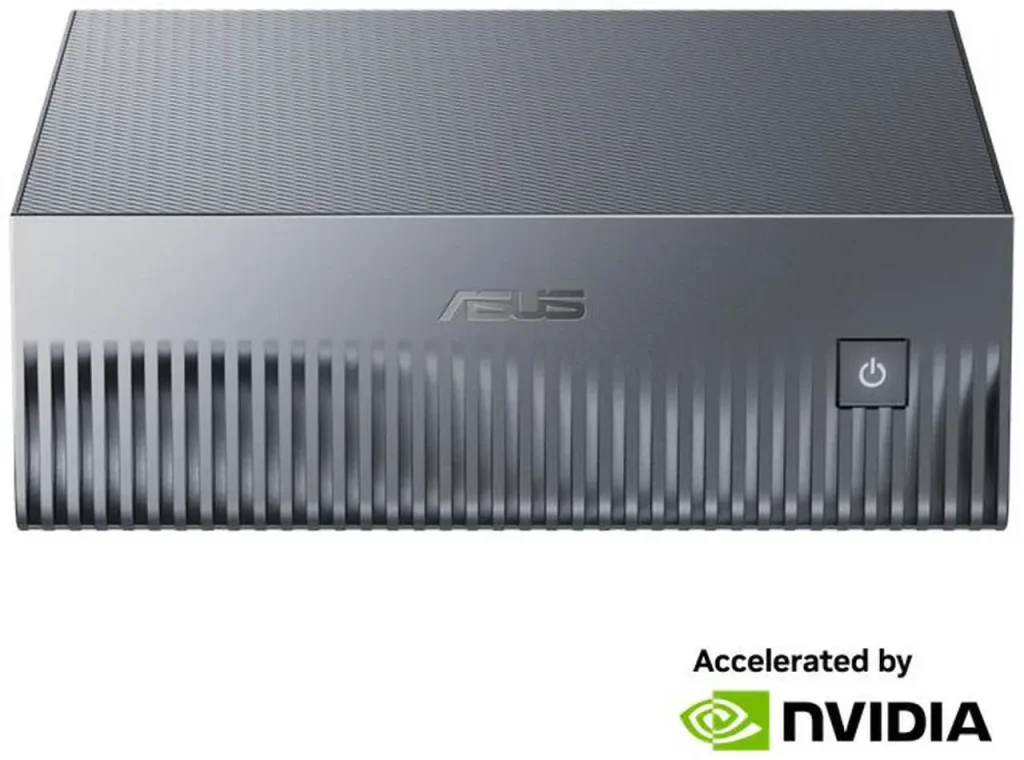
A strong option to explore in this category is the ASUS 90MS0371-M000A0 NVIDIA DGX Spark Workstation, which is positioned as a DGX Spark workstation-style system suitable for always-on AI usage.
Scenario B: “We’re a design/engineering studio—quiet, compact, powerful”
Workstation form factors that fit into professional environments matter: noise levels, physical footprint, and predictable performance under sustained load.
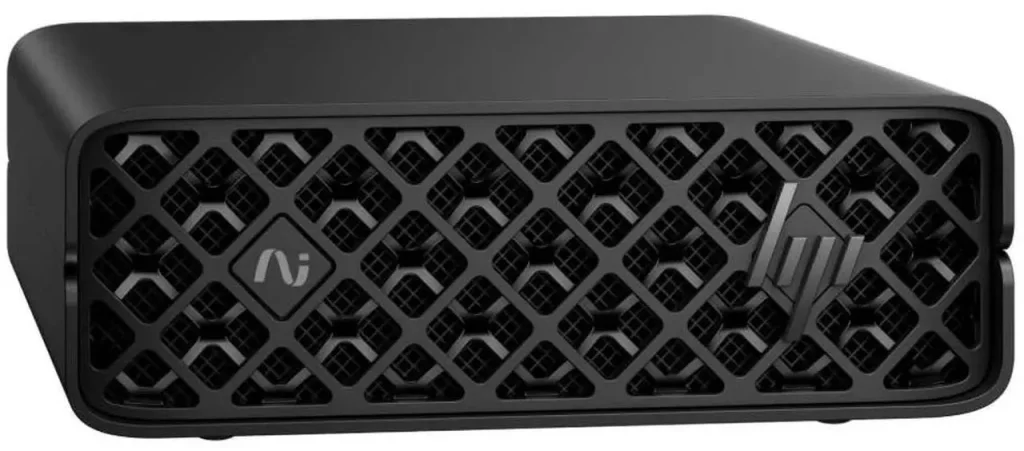
If your team values that workstation experience, you might compare systems like the HP ZGX Nano G1n AI Station as a compact AI station candidate.
Scenario C: “We want a personal AI supercomputer for edge experiments”
If you’re testing AI at the edge—local automation, offline inference, internal demos—then portability and fast setup are big wins.
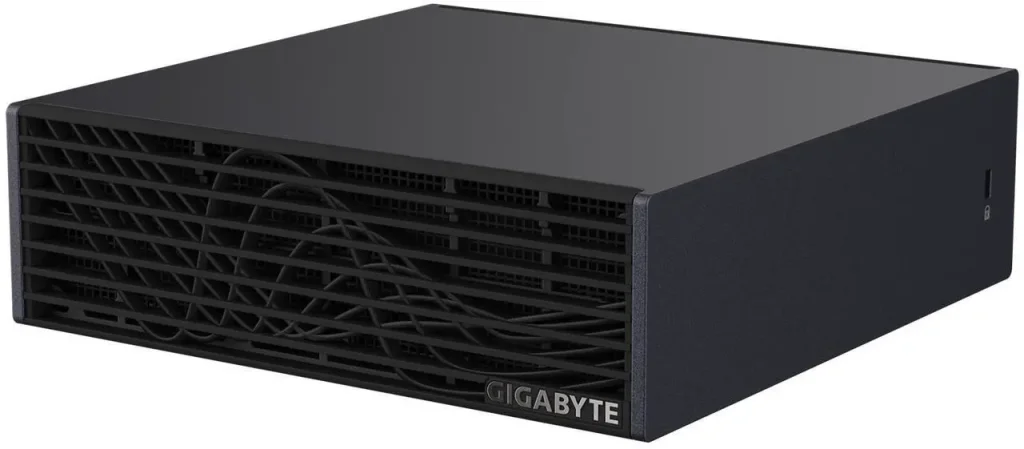
Options like the GIGABYTE AI TOP ATOM Personal AI Supercomputer can be interesting for teams that want to explore the “personal AI system” concept without building a full server stack.
Scenario D: “We need flexibility and scaling in small increments”
Some buyers prefer systems or bundles that make it easy to expand capacity for a team or lab. If you anticipate parallel projects—multiple model services, multiple experiments, or multiple users—having an upgrade/scale path matters.
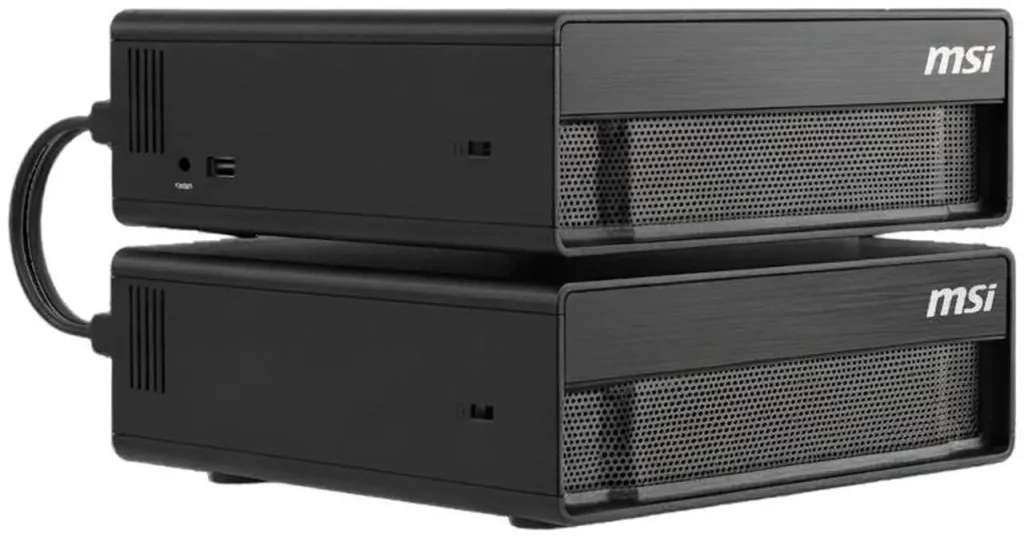
In that context, you might look at products like the MSI Personal AI DGX Spark Supercomputer EdgeXper and, for teams planning a paired setup, the MSI Personal AI DGX Spark Supercomputer (2 pack) EdgeXpert.
Scenario E: “I want something purpose-built that clearly says DGX Spark”
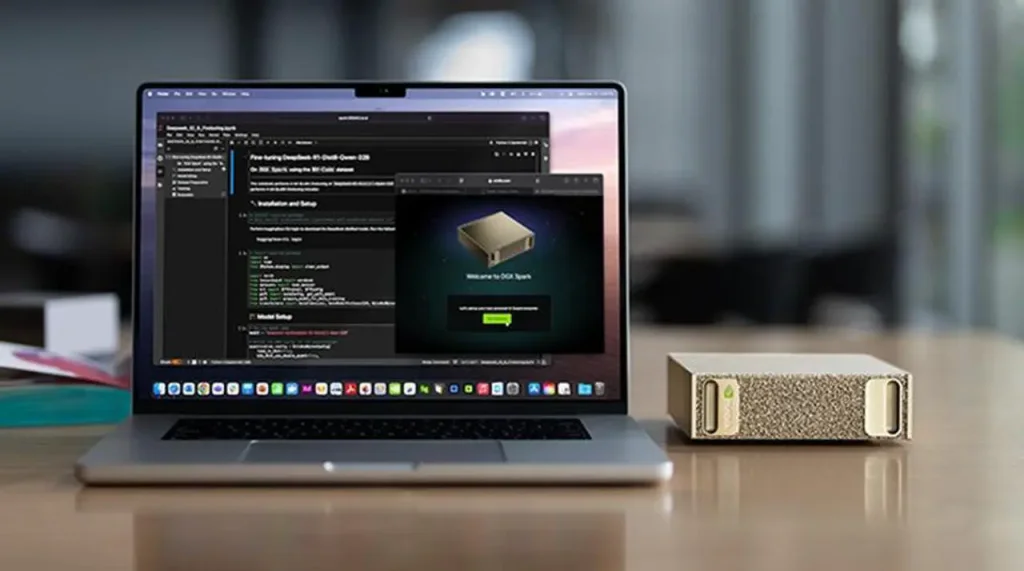
If you want the most direct interpretation of the category—something explicitly marketed around DGX Spark—then it can be helpful to review listings like NVIDIA DGX Spark Personal AI computer and compare it against workstation-style alternatives.
Scenario F: “We want another vendor option for procurement or standardization”
Procurement realities are real: preferred vendors, existing service contracts, and standardization goals often shape purchases as much as specs do.
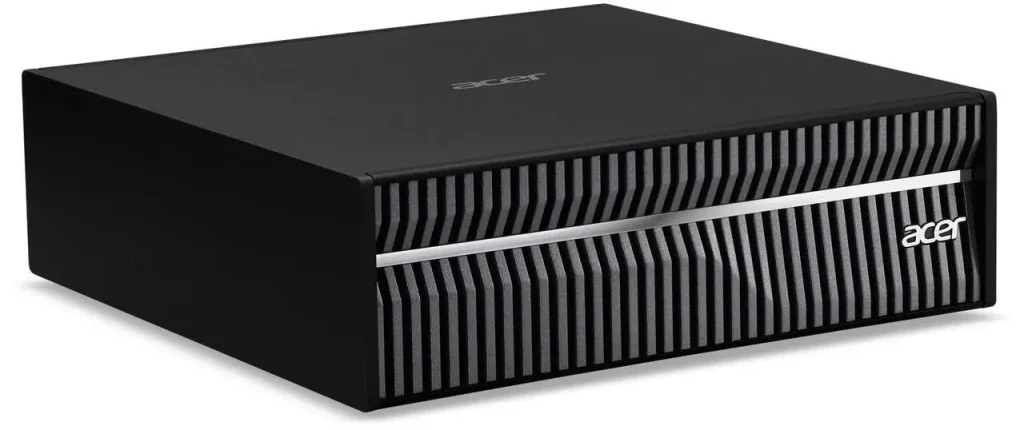
If you’re evaluating across brands, the Acer Veriton VGN100-UD11 DGX Spark Workstation can be useful to include in your comparison set.
A simple buying checklist (use this before you purchase)
- Workload clarity: Are you mostly doing inference, RAG, fine-tuning, or all three?
- User count: One user vs. a team changes what “enough” GPU and memory means.
- Data locality: Will private documents or regulated data be used? Local compute becomes more valuable.
- Storage needs: Do you need lots of fast NVMe for embeddings, datasets, checkpoints?
- Deployment plan: Will it run as a shared service on your network (server-style), or be a personal workstation?
- Future-proofing: Can you expand capacity later (storage, memory, or adding another unit)?
Conclusion: DGX Spark systems are about speed, control, and continuity
Server DGX Spark-style machines are not just “faster PCs.” They’re a shift toward accessible AI infrastructure: local GPU power that’s reliable enough to become part of your daily workflows, private enough to trust with internal data, and practical enough to deploy without becoming a full-time operations project.
Whether you’re comparing the ASUS 90MS0371-M000A0 NVIDIA DGX Spark Workstation, the HP ZGX Nano G1n AI Station, MSI’s personal AI bundles, or options like the GIGABYTE AI TOP ATOM and Acer Veriton DGX Spark workstation, the real question is simple: Do you want AI compute to be a metered cloud expense—or a dependable capability you control?
For many teams in 2025, the answer is increasingly: both—and DGX Spark systems are often the easiest way to start building that hybrid future from the ground up.